Managing Attention Span and ADHD: Breaking Down the Challenges
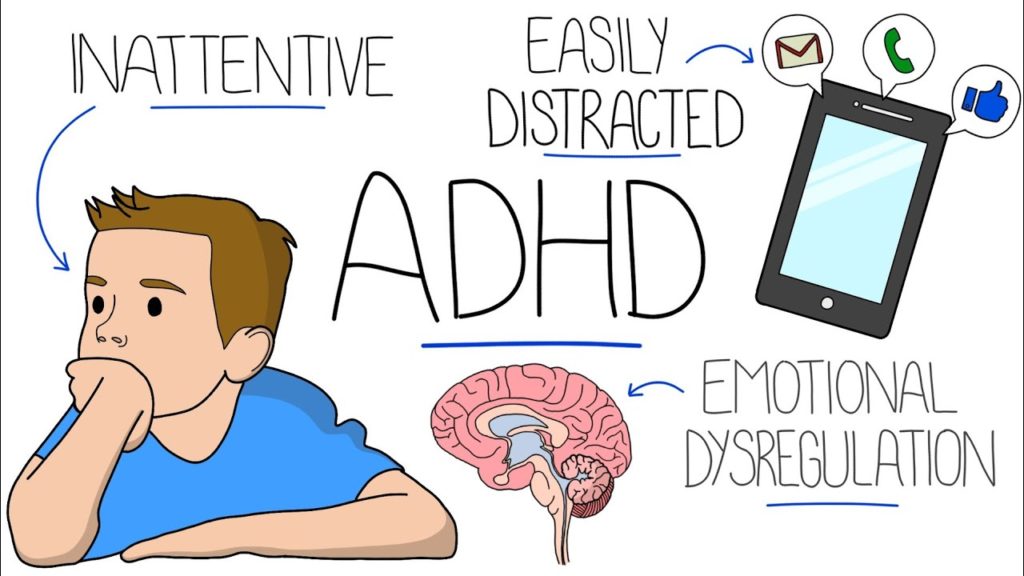
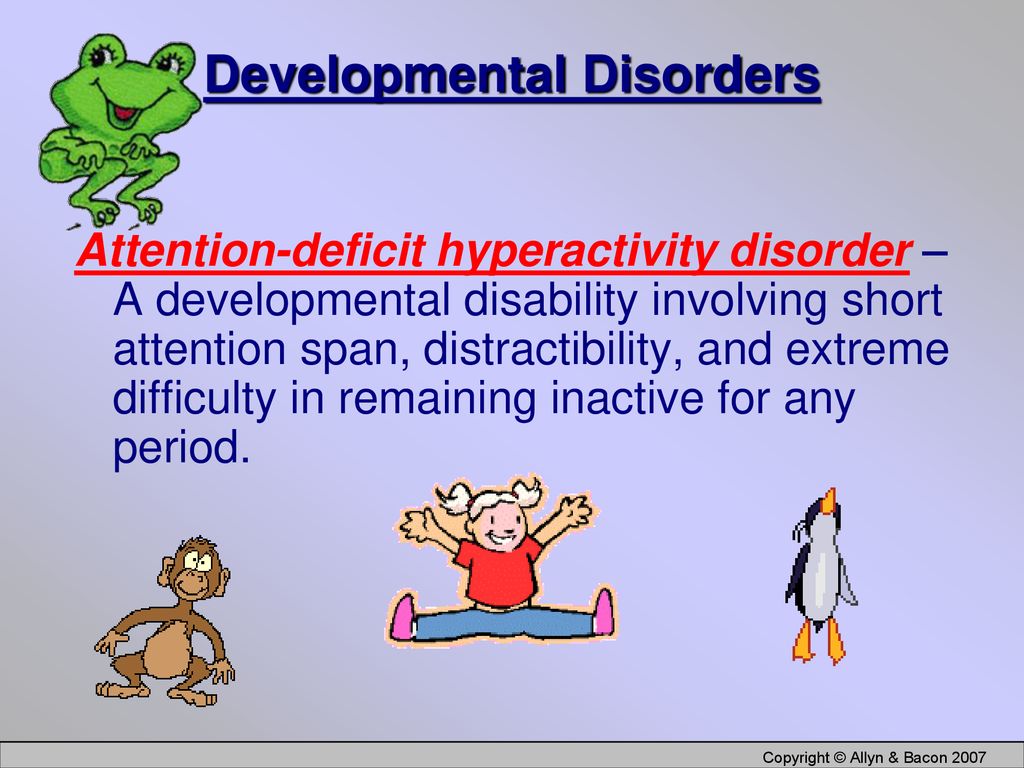
Attention deficit hyperactivity disorder (ADHD) is a neurological condition that affects millions of people worldwide, characterized by symptoms of inattention, hyperactivity, and impulsivity. One of the most significant challenges faced by individuals with ADHD is maintaining a healthy attention span, which can impact daily life, relationships, and productivity.
Understanding Attention Span and ADHD
Attention span refers to the ability to focus and maintain interest on a particular task or activity for a sustained period. In individuals with ADHD, attention span is often impaired, leading to difficulties with concentration, productivity, and completing tasks. This can result in feelings of frustration, anxiety, and low self-esteem.
Causes of Impaired Attention Span in ADHD
Research suggests that ADHD is caused by differences in brain structure and function, particularly in areas responsible for attention and impulse regulation. Other factors, such as genetics, environment, and lifestyle, may also contribute to the development and severity of ADHD.
Symptoms of Impaired Attention Span in ADHD
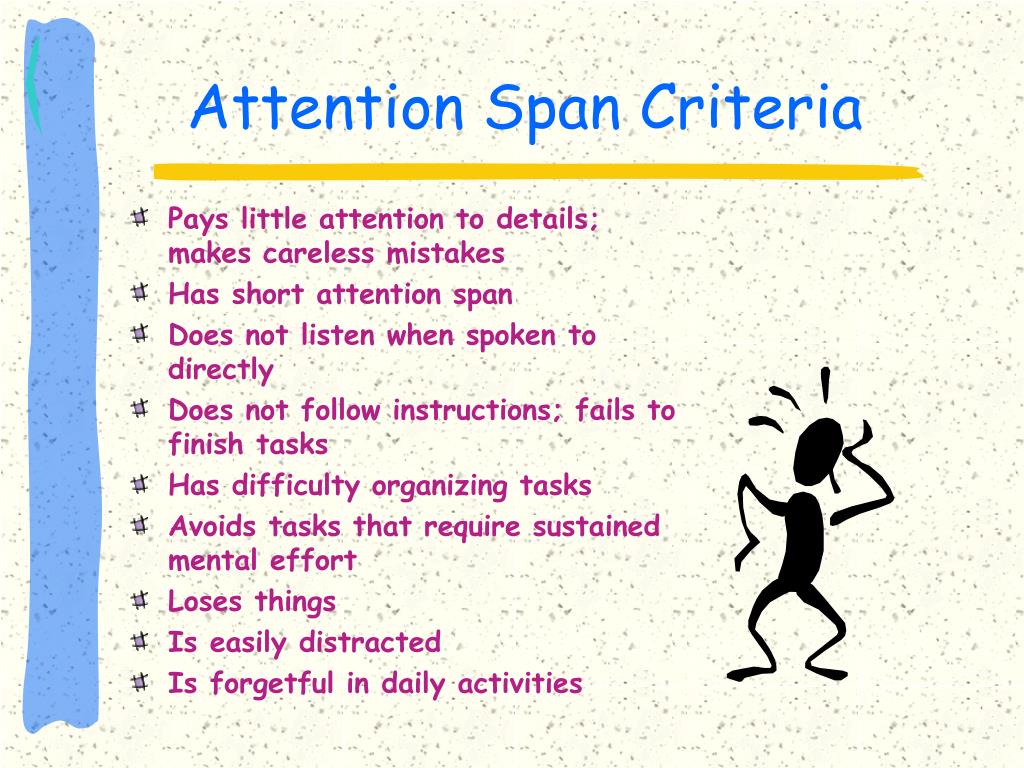
- Difficulty sustaining attention during tasks or activities
- Easy distraction by internal or external stimuli
- Forgetfulness and disorganization
- Difficulty completing tasks or projects
- Feeling overwhelmed or stressed
Strategies for Improving Attention Span in ADHD
While there is no cure for ADHD, various strategies can help improve attention span and mitigate the symptoms of the condition. Some of these strategies include:
1. Therapy and Counseling
Working with a mental health professional, such as a therapist or counselor, can help individuals with ADHD develop coping mechanisms, set goals, and enhance self-esteem. Cognitive-behavioral therapy (CBT) is a particularly effective approach for addressing attention span and ADHD-related symptoms.
2. Medications

Medications, such as stimulants and non-stimulants, can help alleviate symptoms of inattention, hyperactivity, and impulsivity. These medications work by increasing dopamine and norepinephrine levels in the brain, which enhances focus, attention, and impulse control.
3. Lifestyle Changes
Implementing lifestyle changes can also help improve attention span and reduce the symptoms of ADHD. Some of these changes include:
- Establishing a regular sleep schedule
- Engaging in regular exercise or physical activity
- Avoiding sugar, caffeine, and electronics before bedtime
- Practicing mindfulness and meditation
- Setting clear goals and priorities
4. Assistive Technologies
Assistive technologies, such as apps, software, and devices, can help individuals with ADHD manage their attention span and stay organized. Examples include:
- Task management and organization tools
- Focus-enhancing apps and software
- Alert systems and reminders
- Assistive devices, such as headphones or earplugs
Conclusion
Managing attention span and ADHD requires a multifaceted approach that incorporates therapy, medications, lifestyle changes, and assistive technologies. By understanding the causes and symptoms of impaired attention span in ADHD, individuals can develop strategies to improve their focus, productivity, and overall quality of life.
References
For further information on attention span and ADHD, please consult the following resources:
- Centers for Disease Control and Prevention (CDC). (2020). Attention Deficit Hyperactivity Disorder (ADHD).
- ADD/ADHD Frequently Asked Questions. (n.d.). Children and Adults with Attention Deficit/Hyperactivity Disorder (CHADD).
- Goldstein, S., & Prinstein, M. J. (2008). Contemporary Intellectual and Cultural History of ADHD, 1797-Present. Journal of Attention Disorders, 11(5), 393-403.