Dealing with Information Overload: Strategies for a Less Overwhelmed You
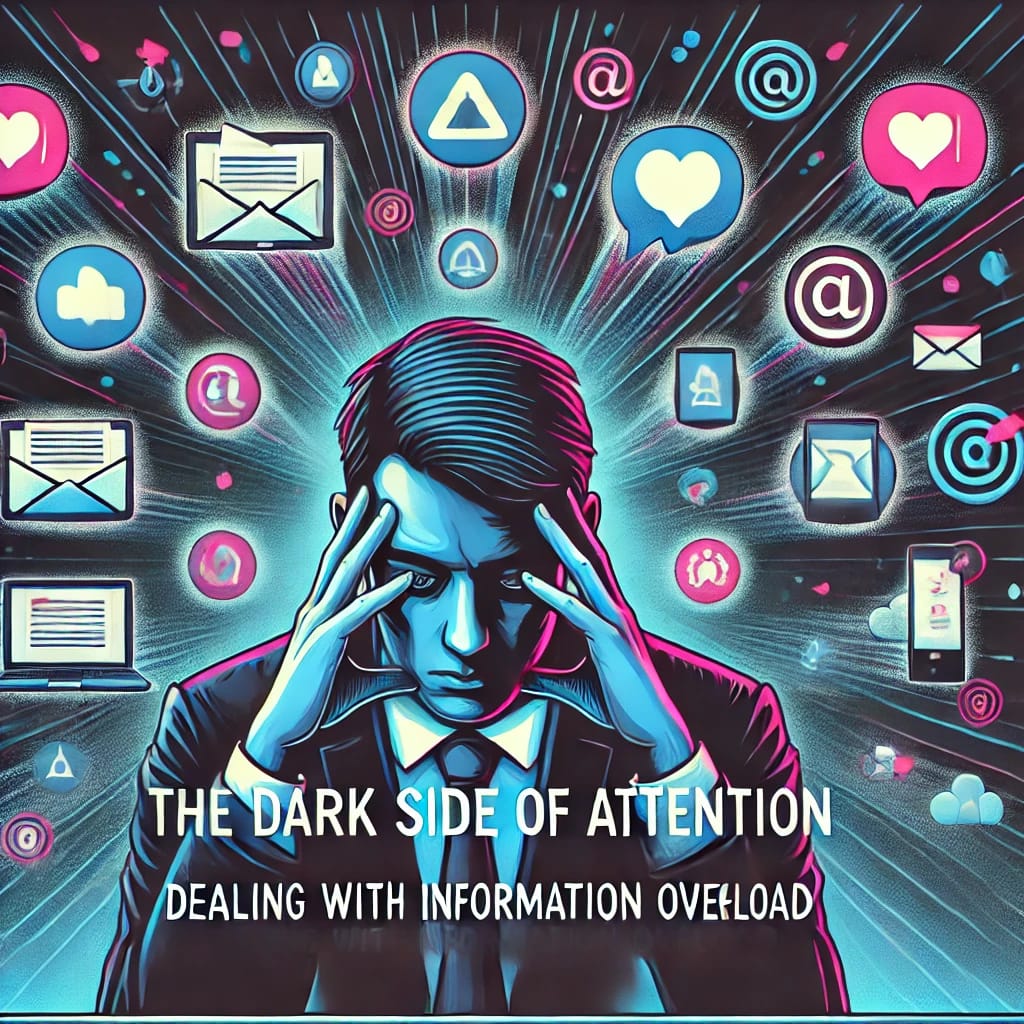
In today's digital age, it's easy to feel like we're drowning in a sea of information. The constant stream of emails, social media updates, and online articles can be overwhelming, making it difficult to focus and make decisions. This phenomenon is known as information overload, and it's a problem that's affecting people from all walks of life.
What is Information Overload?
Information overload is the feeling of being overwhelmed by an excessive amount of information being presented all at once. It's like trying to drink from a firehose – you can't process it all, and it's hard to know where to start. This can lead to feelings of anxiety, stress, and frustration, making it difficult to get anything done.
The Causes of Information Overload
So, what causes information overload? There are several factors at play, including:
- The exponential growth of digital information, which is making it harder to keep up
- The constant stream of notifications, emails, and social media updates, which can be distracting and overwhelming
- The ease of access to information, which can make it harder to filter out irrelevant data
- The pressure to stay up-to-date with the latest news and trends, which can be exhausting

Strategies for Dealing with Information Overload
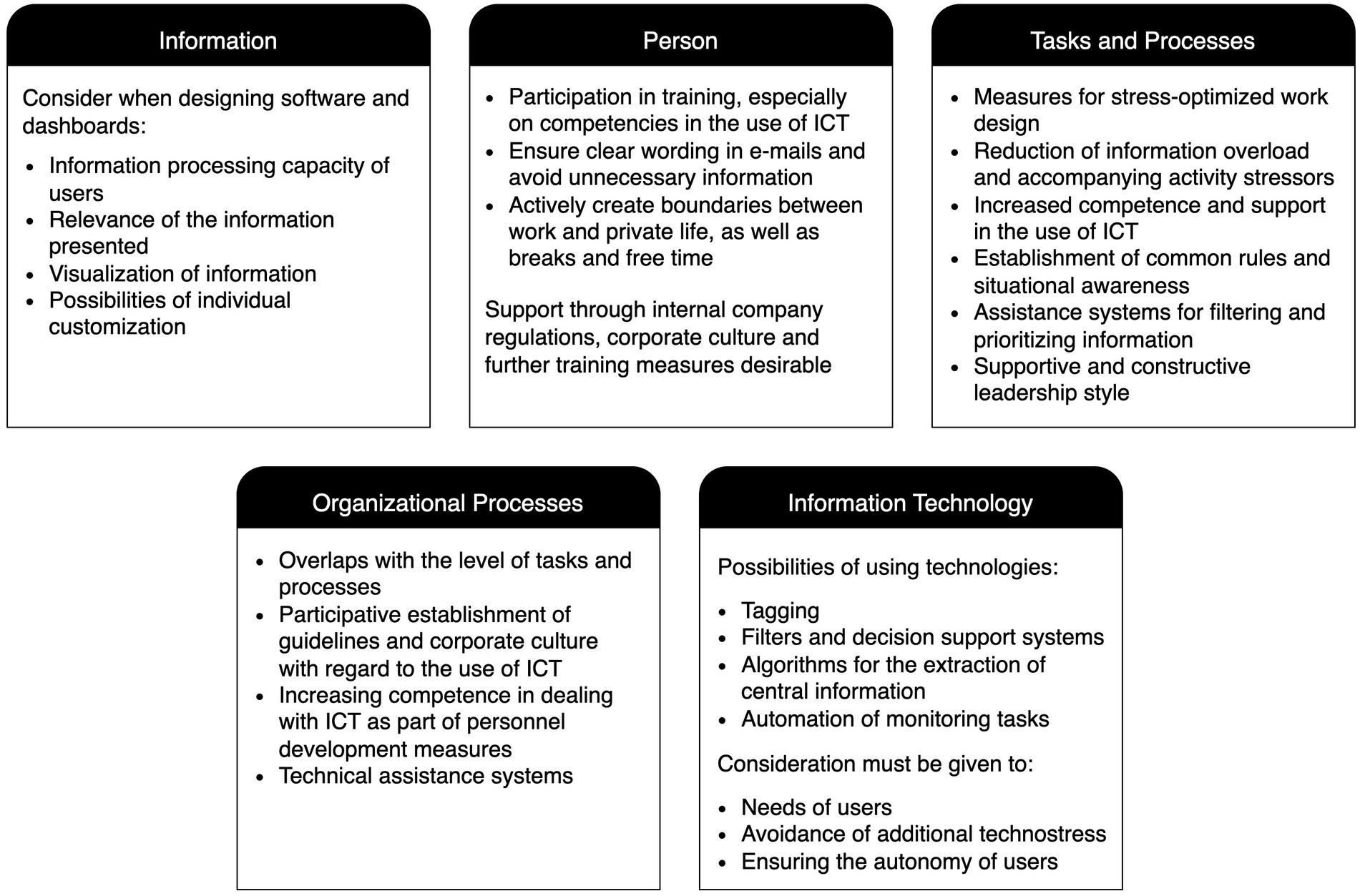
So, how can you deal with information overload and regain control of your life? Here are nine effective strategies to help you get started:
- Set boundaries**: Learn to say no to non-essential tasks and commitments that can drain your time and energy
- Use technology to your advantage**: Utilize tools like email filters, social media blockers, and productivity apps to help you manage your time and stay focused
- Prioritize**: Focus on the most important tasks and information, and delegate or defer less important ones
- Take breaks**: Give yourself time to rest and recharge, and avoid burnout
- Practice mindfulness**: Be present in the moment, and avoid getting caught up in the constant stream of information
- Learn to filter**: Develop your critical thinking skills to help you sift through information and focus on what's relevant
- Outsource**: Consider hiring someone to help with tasks or information that's taking up too much of your time
- Batch similar tasks**: Group similar tasks together, such as checking email or social media, to help you stay focused
- Practice self-care**: Take care of your physical and mental health, and prioritize activities that bring you joy and relaxation
Conclusion
Dealing with information overload is a challenge that affects us all. But by implementing these strategies, you can regain control of your life and stay focused on what's important. Remember, it's okay to say no, to take breaks, and to prioritize your well-being. With a little practice and patience, you can conquer information overload and live a more balanced, productive life.