Excessive Screen Time in Children: Understanding the Risks and Consequences
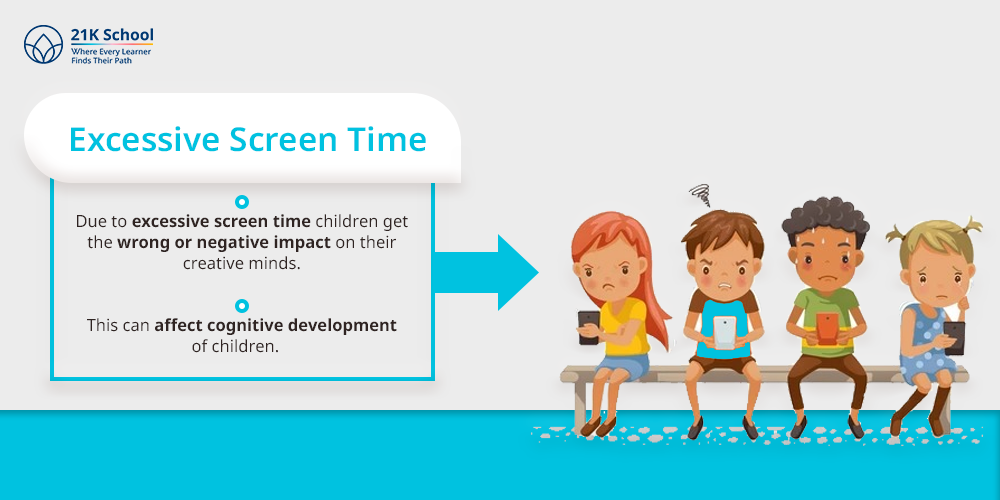
The widespread use of digital devices among children has become a significant public health concern. Excessive screen time in children can have severe effects on their cognitive, linguistic, and social-emotional growth, leading to a range of developmental issues. Research has shown that high levels of screen time can negatively impact a child's ability to learn, interact with others, and develop essential life skills.
The Effects of Excessive Screen Time on Children's Health
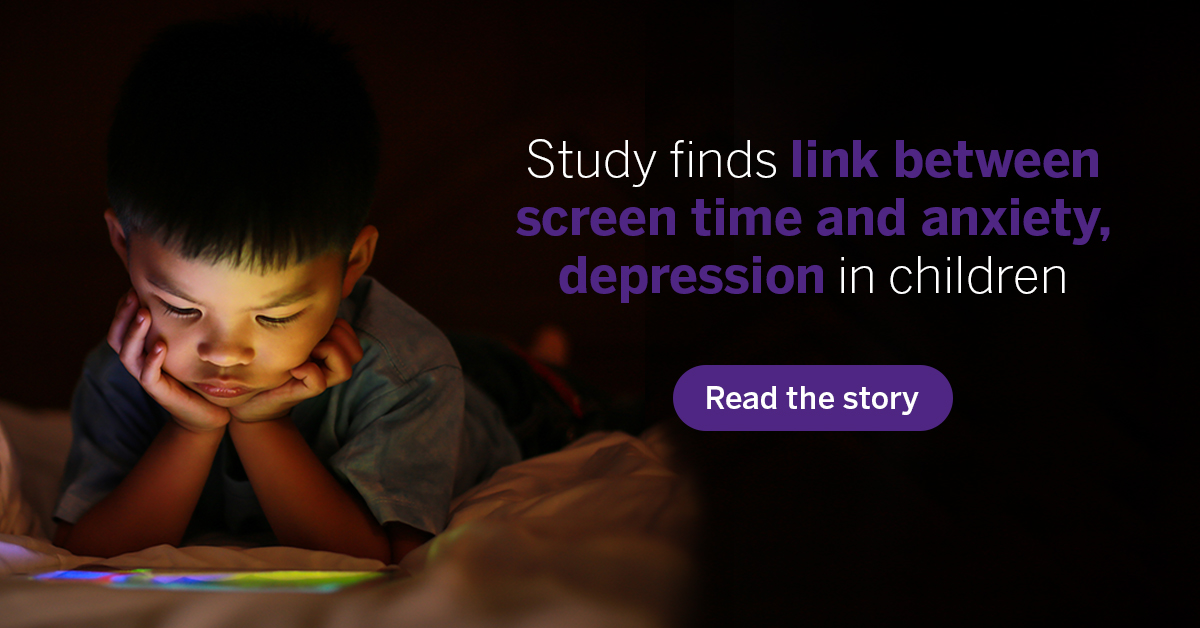
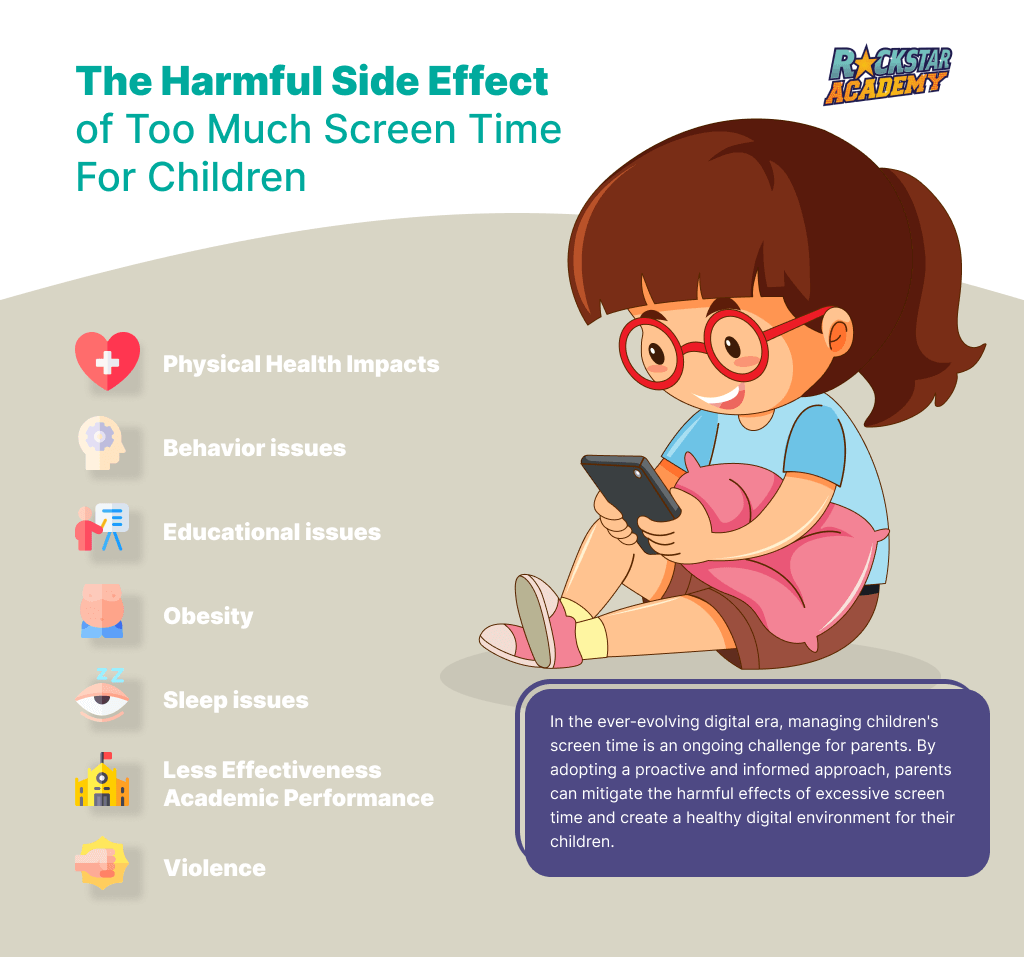
- Emotional and Behavioral Problems: A study published by the American Psychological Association found that excessive screen time can lead to emotional and behavioral problems in children, including anxiety, depression, and aggression.
- Physical Inactivity: Excessive screen time often replaces physical activity, contributing to sedentary lifestyles and a range of health issues, including obesity and sleep disturbances.
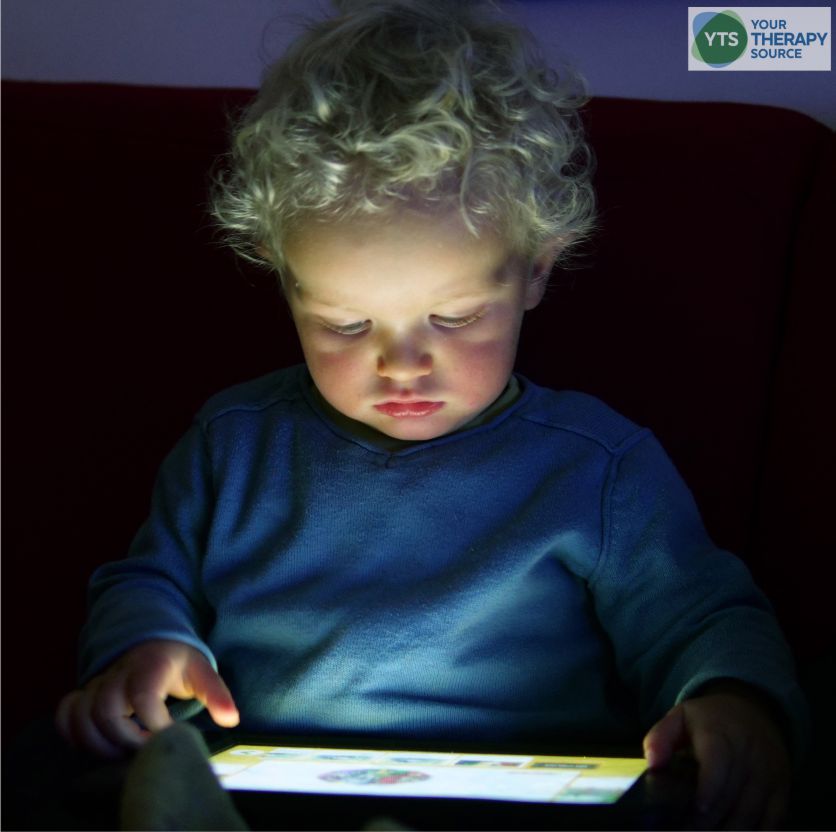
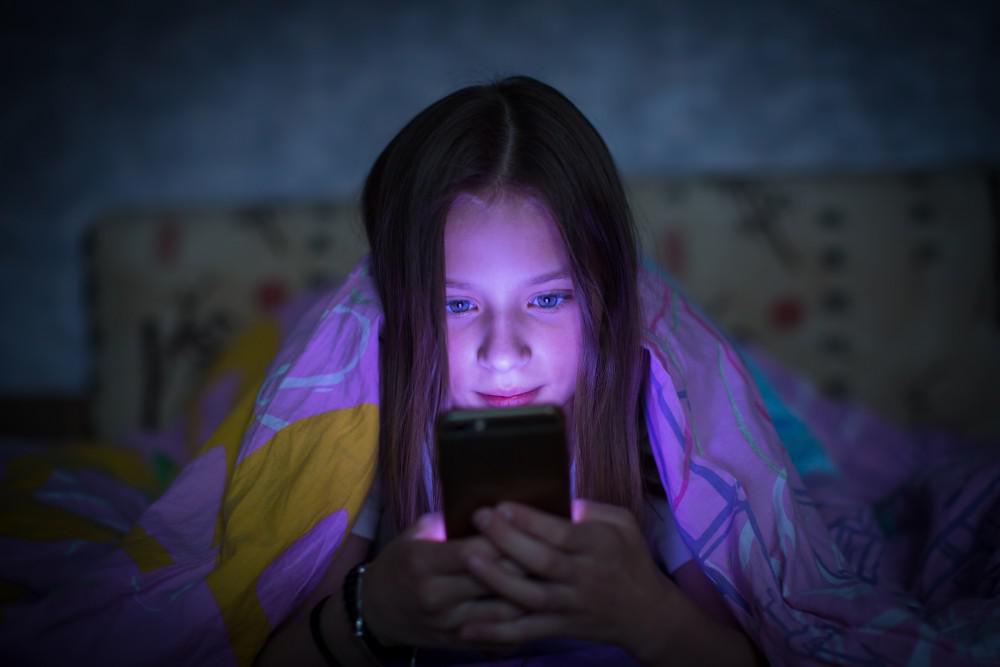
- Sleep Disturbances: Exposure to screens before bed can disrupt sleep patterns, leading to difficulties falling asleep or staying asleep.
- Cognitive Delays: Excessive screen time can hinder a child's cognitive development, particularly in areas such as problem-solving and critical thinking.
- Linguistic and Social-Emotional Development**: Exposure to screens can limit opportunities for children to engage in social interactions, language development, and emotional regulation, leading to a range of social-emotional challenges.
Strategies for Managing Excessive Screen Time in Children
Parents and caregivers can mitigate the negative effects of excessive screen time by implementing the following strategies:
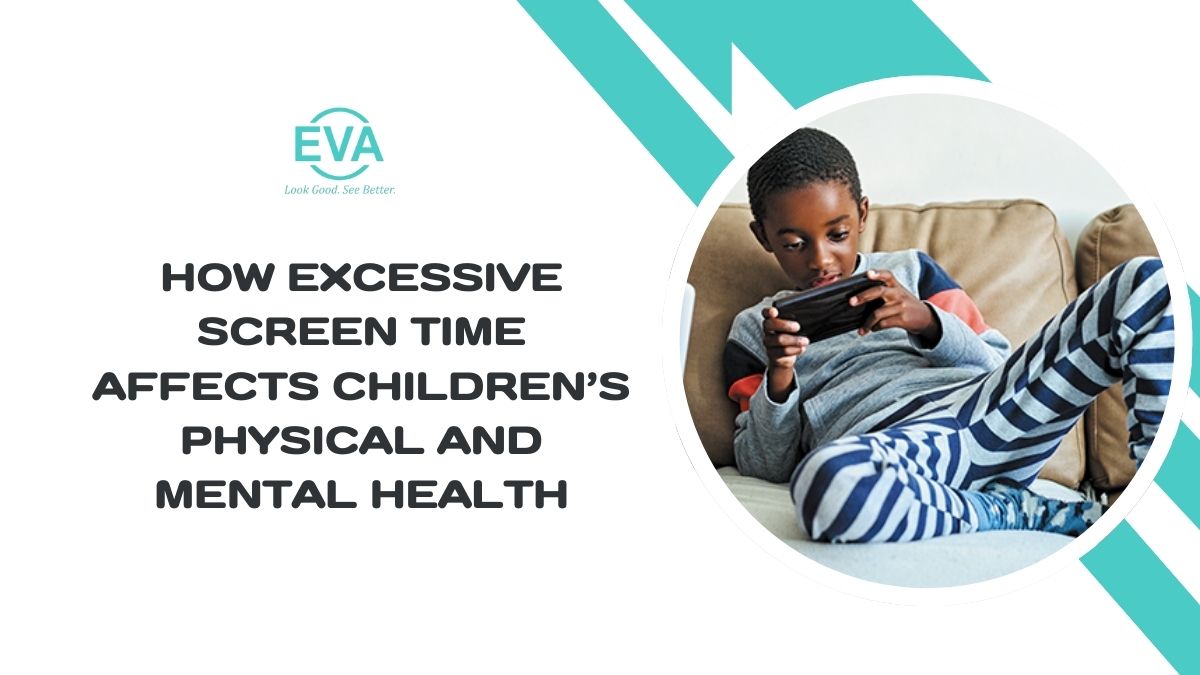
- Set Screen-Free Zones and Times: Designate device-free areas, such as bedrooms and dining tables, and establish screen-free times, like mealtime and bedtime.
- Encourage Physical Activity**: Engage children in outdoor play, sports, and other physical activities that promote healthy development.
- Plan Alternative Activities**: Offer alternatives to screen time, such as reading, arts and crafts, and board games, to encourage creative play and social interaction.
- Model Healthy Screen Use**: Parents and caregivers should model responsible screen use themselves, as children often mimic their behavior.
- Monitor and Limit Screen Time**: Establish screen time limits, set parental controls, and monitor usage to ensure that children are using devices in moderation.
Setting a Good Screen Time Example for Children
Parents and caregivers play a significant role in modeling healthy screen use behavior for their children. By setting limits, being mindful of their own screen time, and engaging in alternative activities, they can help their children develop a balanced approach to screen use.
Concluding Thoughts
Excessive screen time in children is a pressing public health concern that can have long-term consequences for their cognitive, linguistic, and social-emotional development. By understanding the risks and setting limits, parents and caregivers can help mitigate the negative effects of excessive screen time and promote healthy development in children.


:max_bytes(150000):strip_icc():focal(999x0:1001x2)/screen-time-2-adc084b113714504999170d805344ac2.jpg "Health Impacts of Excessive Screen Time | The Children's Trust")