Facebook Account Security Hacks Prevention: A Comprehensive Guide
With over 2.7 billion monthly active users, Facebook is one of the most widely used social media platforms in the world. However, with its popularity comes a risk of account hacking and scams. In this article, we will discuss the latest Facebook account security hacks prevention tips and strategies to help you protect your account from being compromised.
Understanding Facebook Account Security Hacks
Facebook account hacking can happen to anyone, regardless of age or social media experience. Hackers use various tactics to gain access to your account, including phishing scams, malware, and weak passwords. Once they gain access, they can steal your personal data, post malicious content, and even use your account to scam your friends and family.
Facebook Account Security Features
Facebook has built-in security features that can help you add an extra layer of protection to your account. Some of these features include:
- Login Alerts: This feature sends you a notification when someone logs in to your account from an unfamiliar device or browser.
- Two-Factor Authentication: This feature requires you to enter a code sent to your mobile phone or email address in addition to your password to log in to your account.
- Security Checks: This feature helps you review and update your security settings, including account recovery information and login settings.
- Password Protection: Facebook suggests creating a strong password and using a password manager to store your login credentials.
Preventing Facebook Account Hacks

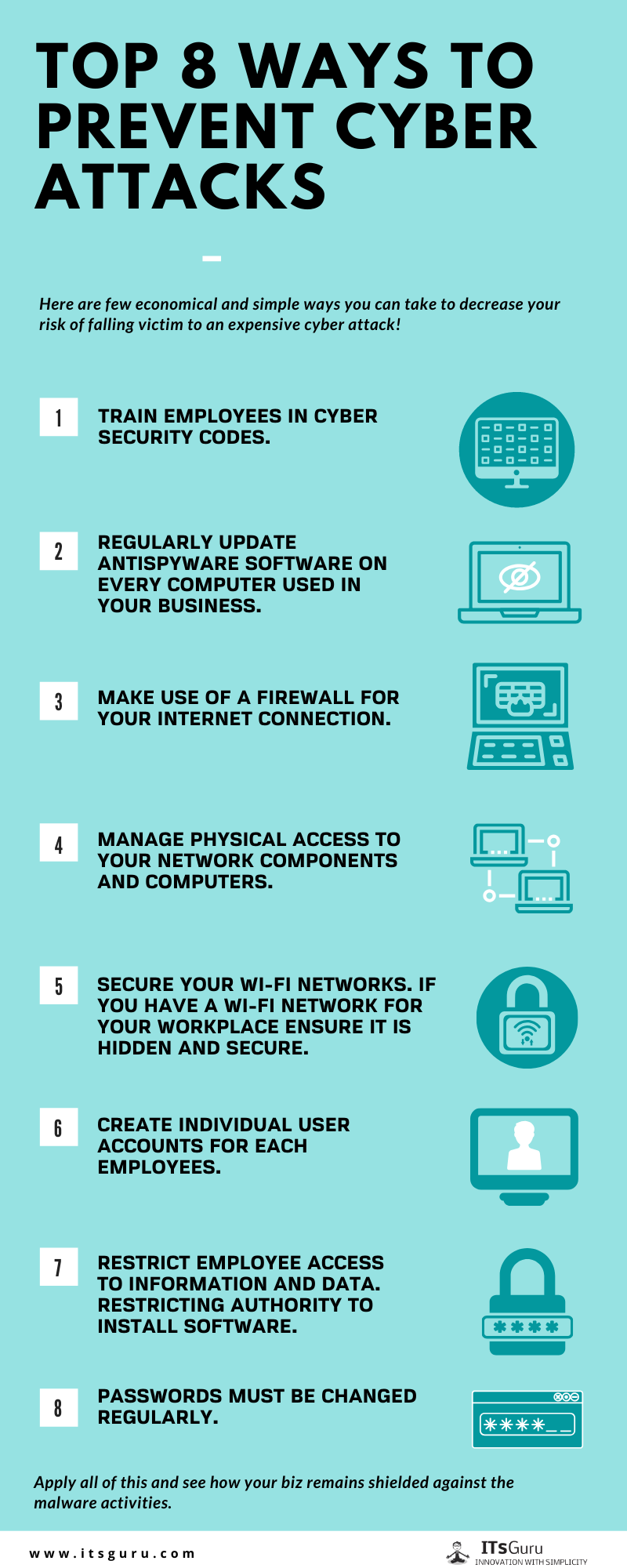
Preventing Facebook account hacks requires a combination of common sense, best security practices, and a healthy dose of vigilance. Here are some tips to help you protect your account:
- Use a Strong Password: Use a unique and strong password for your Facebook account, and avoid using the same password for multiple accounts.
- Enable Two-Factor Authentication: This adds an extra layer of security to your account, making it more difficult for hackers to gain access.
- Be Cautious with Links and Attachments: Avoid clicking on suspicious links or downloading attachments from unknown sources, as these can lead to malware or phishing scams.
- Regularly Review Your Account Settings: Review your account settings regularly to ensure that you are not inadvertently providing hackers with a way to access your account.
- Use a Secure Browser and Device: Keep your browser and device up to date, and avoid using public computers or public Wi-Fi networks to access your Facebook account.
Facebook Account Security Best Practices
Here are some additional best practices to help you keep your Facebook account secure:
- Use a Business Email Address: If you manage a business page, use a business email address to create a professional account.
- Change Your Password Regularly: Change your password regularly to avoid using the same password for an extended period.
- Use a Password Manager: Use a password manager to store your login credentials and generate strong passwords.
- Monitor Your Account Activity: Regularly monitor your account activity to detect any suspicious activity.
Conclusion
Facebook account security hacks prevention requires a combination of security features, best practices, and vigilance. By following the tips outlined in this article, you can significantly reduce the risk of your account being compromised. Remember to always be cautious with your login information, monitor your account activity, and use two-factor authentication to add an extra layer of security to your account.