How to Get a Driver's License with a DUI on Record
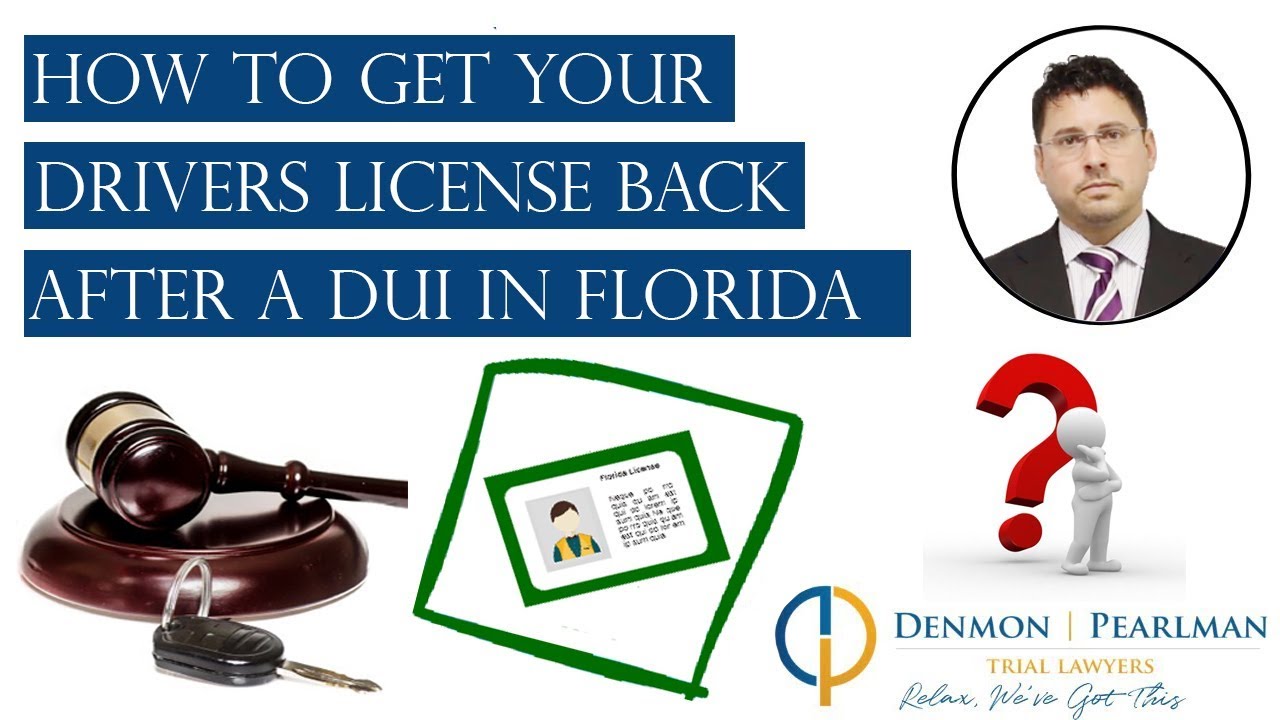
Dealing with a DUI conviction can be a stressful and overwhelming experience, especially when it comes to restoring your driver's license. If you have a DUI on your record, you'll need to understand the reinstatement process and meet the necessary requirements to get your license back. In this article, we'll provide you with a comprehensive guide on how to get a driver's license with a DUI on record.
Understanding the Reinstatement Process
The reinstatement process for getting a driver's license with a DUI on record varies depending on the state you live in and the severity of your conviction. Generally, you'll need to serve a suspension period, pay reinstatement fees, and complete any court-ordered requirements such as DUI education programs.
- Check your eligibility: Each state has different requirements and timelines for reinstatement, so it's essential to check with your local Department of Motor Vehicles (DMV) to determine your eligibility.
- Meet the necessary requirements: You'll need to meet the specific requirements outlined by your state, which may include serving a suspension period, paying fees, and completing DUI education programs.
- Supply documentation: You may need to provide documentation, such as proof of insurance, vehicle registration, or a certified copy of your DUI conviction, to support your reinstatement application.
- Submit your application: Once you've met all the requirements, you can submit your reinstatement application to the DMV.
Meeting the Necessary Requirements
To get your driver's license back with a DUI on record, you'll need to meet the following requirements:
- Serve your suspension period: The length of your suspension period will depend on the state and the severity of your conviction.
- Pay reinstatement fees: You may be required to pay fees to reinstate your license, which can vary depending on the state.
- Complete DUI education programs: You may need to complete a DUI education program or course as a condition of reinstatement.
- Provide proof of insurance: You'll need to provide proof of insurance to support your reinstatement application.
- Get a substance abuse evaluation: You may be required to undergo a substance abuse evaluation or treatment as part of your reinstatement process.

Timeline for Reinstatement
The timeline for reinstatement can vary significantly depending on the state and the severity of your conviction. In some cases, you may be able to get your license back within a few months, while in others, it may take several years.
Here are some general guidelines to follow:
- First-time offense convictions: You may be eligible for reinstatement within 2-3 months after becoming eligible.
- Second offense convictions: The reinstatement period may be longer, typically 1-2 years or more, depending on the state.
- Multiple offense convictions: The reinstatement period may be even longer, often 2-5 years or more, depending on the state.
Conclusion
Getting a driver's license with a DUI on record can be a complex and challenging process. However, by understanding the reinstatement process and meeting the necessary requirements, you can regain your driving privileges. Remember to check with your local DMV for specific requirements and timelines, and seek legal advice if you have any questions or concerns.
Remember, driving under the influence of alcohol or a controlled substance is a serious offense that can have long-lasting consequences. If you're struggling with addiction or seeking help, consider reaching out to local resources or support groups.