Improving Attention Span in the Classroom: 7 Effective Strategies
Enhance Student Engagement and Learning with Proven Tips
As educators, we understand the importance of sustaining students' attention in the classroom. Attention is a window that opens the brain to learning and memorization; without it, knowledge cannot be retained.
Challenges and Solutions
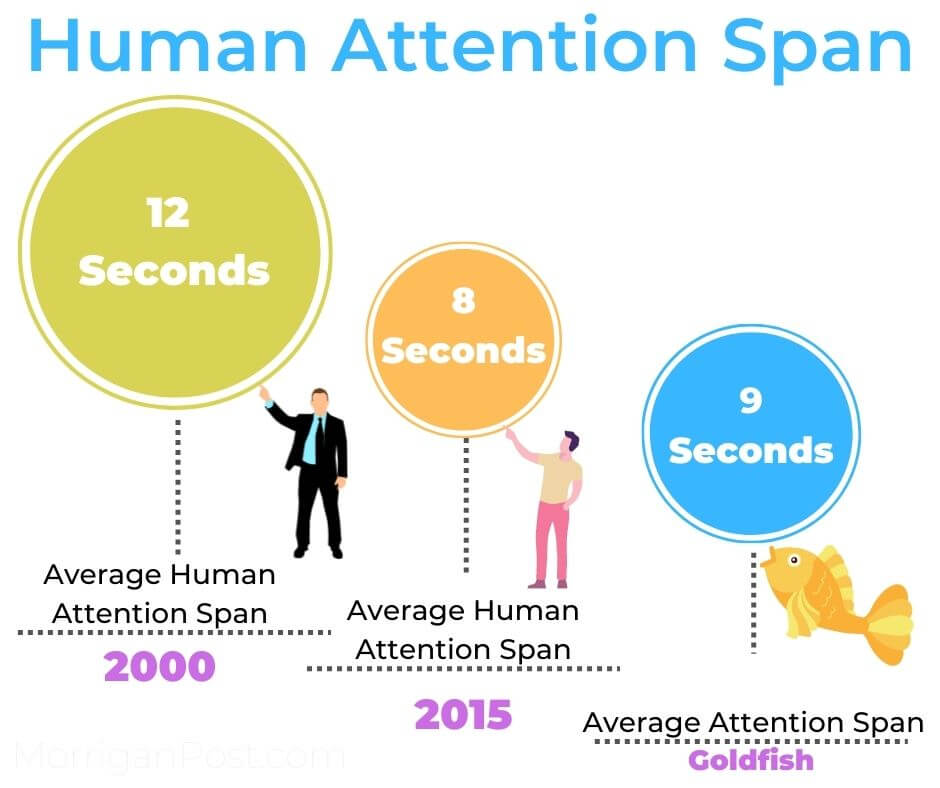
Teachers face a significant challenge in maintaining students' attention, especially in today's digital age. With the constant availability of distractions, it's no wonder that students' attention spans have decreased. However, by implementing the following strategies, you can improve student focus and attention in your classroom:
7 Effective Strategies to Improve Attention Span in the Classroom
- 1. Create an Optimal Learning Environment: Implement the HERVAT method, which creates an optimal environment for developing attention spans in the classroom. HERVAT stands for Habitual Engagement, Routine, Vision, Attention, and Tie.
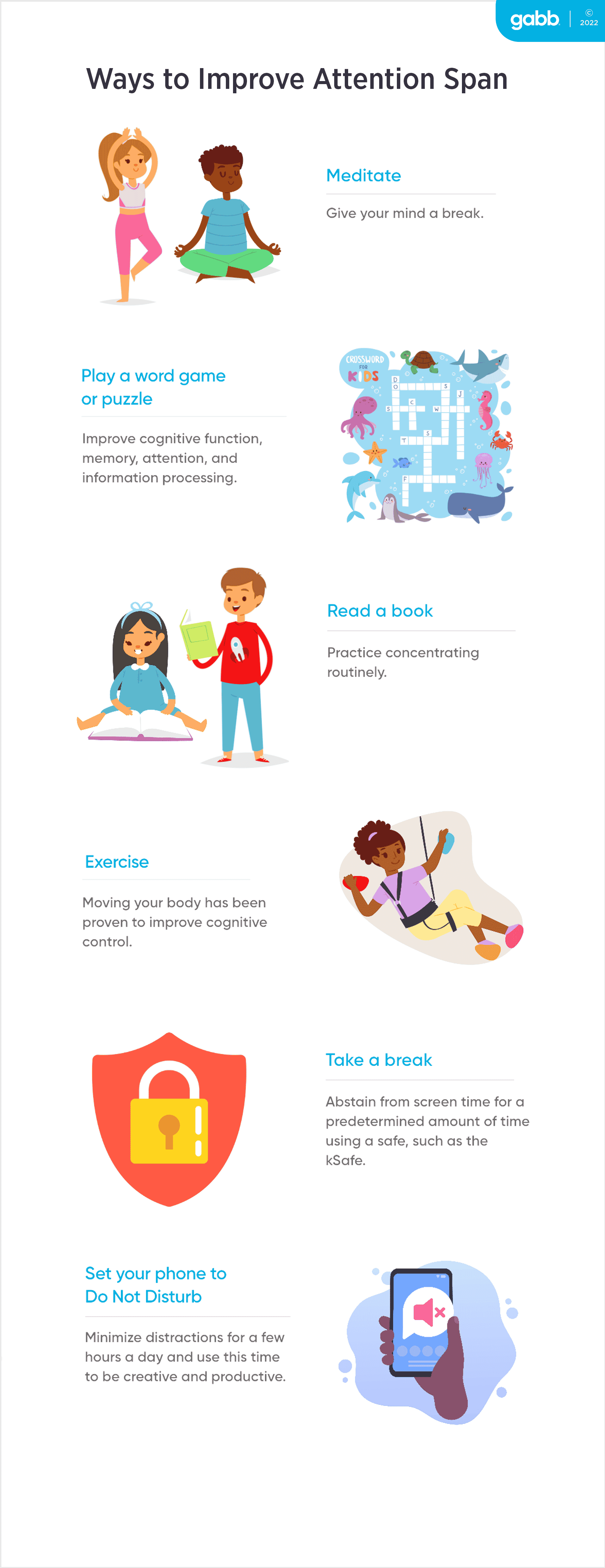
- 2. Use Breaks and Movement: Incorporate short breaks into your lesson plan to give students a chance to refresh their minds and move their bodies. This can include stretching, jumping jacks, or even outdoor play.
- 3. Leverage Technology: Utilize apps and tools that promote focus and attention, such as brain-training games and apps that help students manage distractions.
- 4. Make Learning Interactive: Incorporate hands-on activities, group work, and discussions to keep students engaged and motivated.
- 5. Provide Clear Instructions and Expectations: Clearly communicate lesson objectives, and provide students with a clear understanding of what is expected of them.
- 6. Use Visual Aids and Multimedia: Utilize visual aids, videos, and multimedia resources to capture students' attention and make learning more engaging.
- 7. Practice Mindfulness and Self-Regulation: Teach students mindfulness techniques and self-regulation skills to help them manage distractions and stay focused.
The Importance of Attention Spans
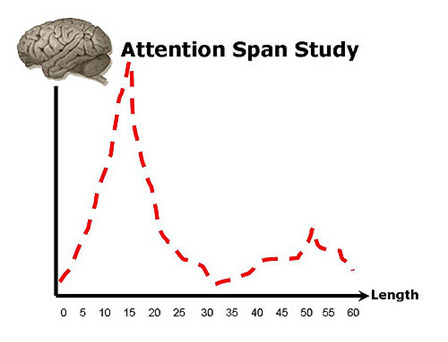
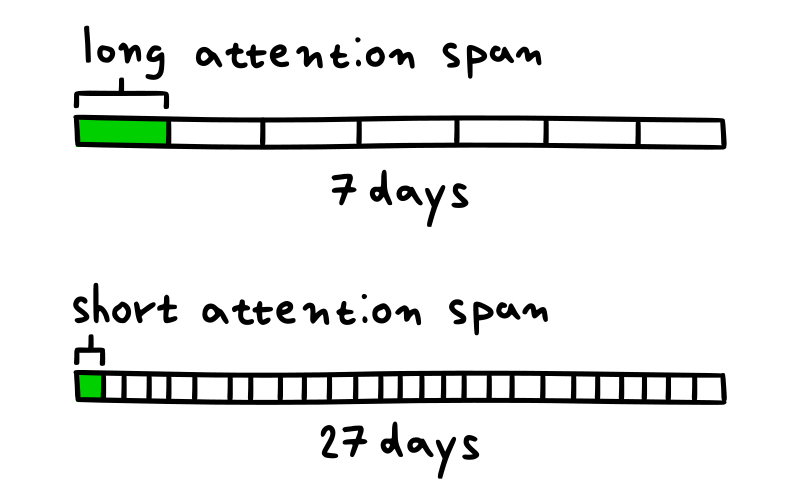
Research suggests that students' attention spans are about 2-3 minutes per year of age. By understanding this, teachers can set realistic expectations and adapt their teaching strategies to meet the needs of their students.
Conclusion
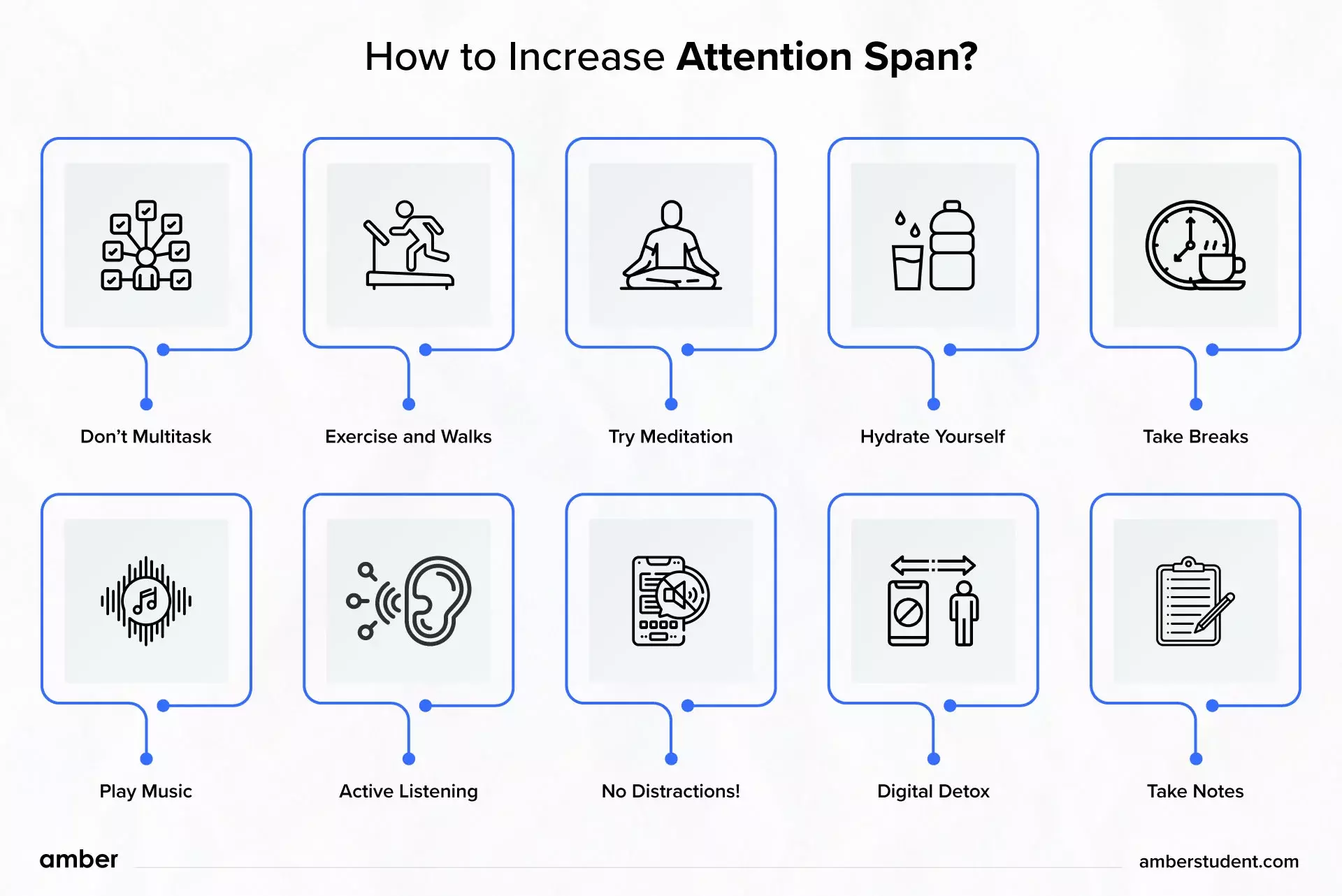
Improving attention spans in the classroom requires a multifaceted approach that incorporates a range of strategies. By implementing these effective tips, teachers can create a more engaging and effective learning environment that benefits students' academic success and prepares them for a lifetime of learning.
Frequently Asked Questions
Q: What is the average attention span for students?
Research suggests that students' attention spans are about 2-3 minutes per year of age.
Q: How can I improve my students' attention spans?
Implement strategies such as creating an optimal learning environment, using breaks and movement, leveraging technology, making learning interactive, providing clear instructions and expectations, using visual aids and multimedia, and practicing mindfulness and self-regulation.
Q: Why is it essential to improve attention spans in the classroom?
Attention is a window that opens the brain to learning and memorization; without it, knowledge cannot be retained.