Online Security Tips for Beginners: Protecting Your Digital Life
Are you new to the world of online security? Or maybe you're concerned about staying safe online but don't know where to start? This article aims to cover the basics of online security, including recognizing common cyber threats and implementing best practices for protecting personal information.1. Use Strong and Unique Passwords
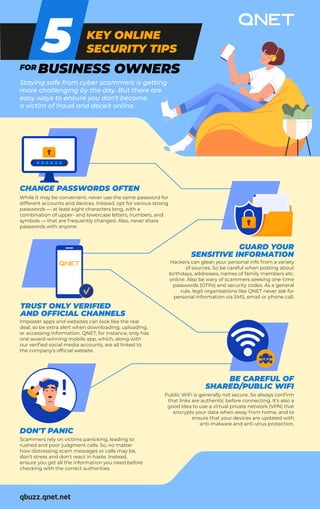
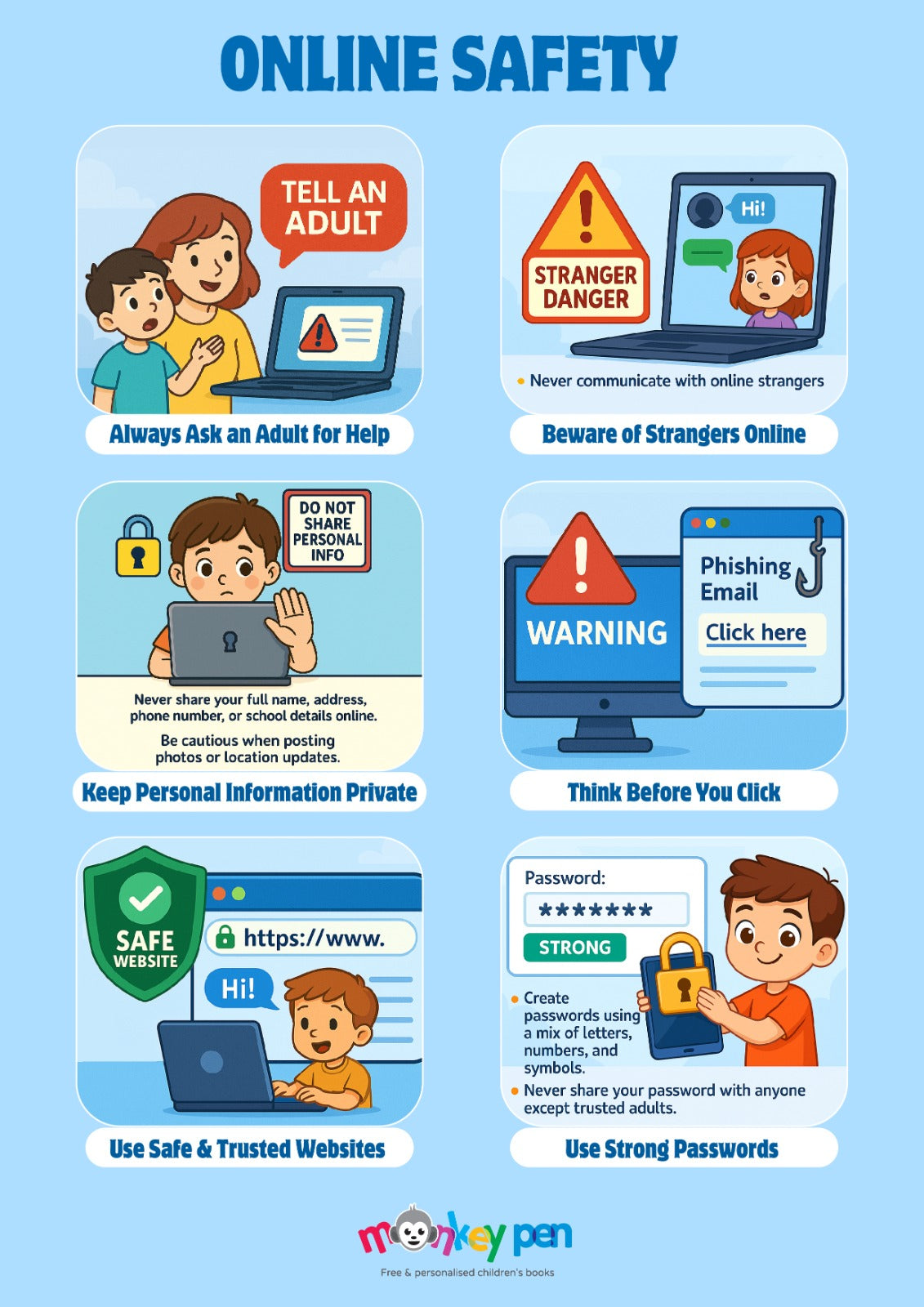
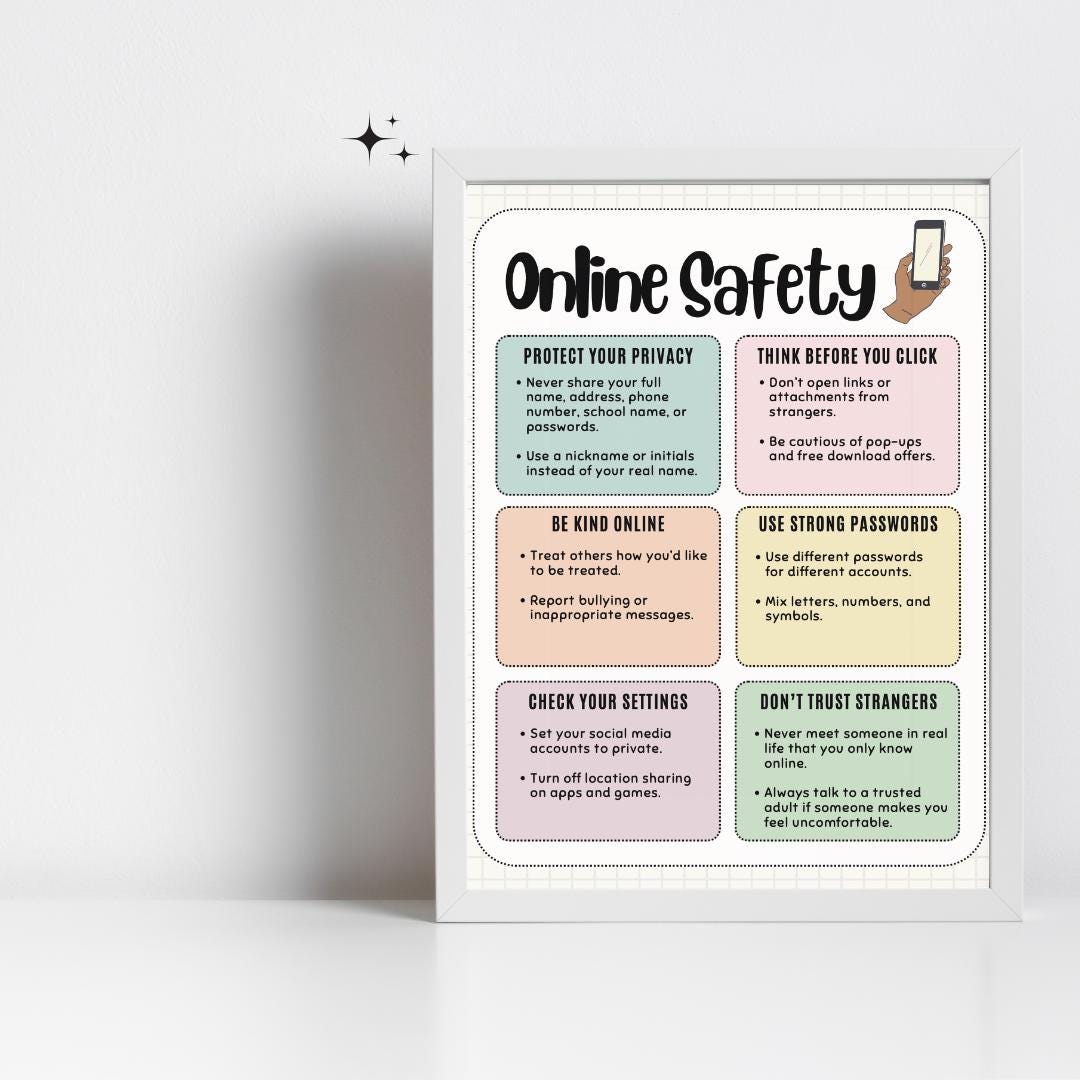
Using strong, unique passwords is one of the most effective ways to protect your online presence. Try to use a combination of uppercase and lowercase letters, numbers, and special characters. Avoid using easily guessable information such as your name, birthdate, or common words. Use a password manager to generate and store complex passwords for all of your online accounts. A survey conducted by the Pew Research Center found that 65% of online users reuse their passwords across multiple sites. This can leave you vulnerable to hacking if one of those sites is compromised. By using a password manager, you can generate unique and complex passwords for each of your online accounts.2. Enable Two-Factor Authentication (2FA)
Two-Factor Authentication (2FA) adds an extra layer of security to your online accounts by requiring a second form of verification, in addition to a password. This can be a code sent to your phone or a biometric scan. Enabling 2FA for your online accounts can help prevent hacking and unauthorized access to your personal information. Many online services and apps now offer 2FA, including email providers, social media platforms, and financial institutions. Try to enable 2FA for all of your online accounts to maximize your security.3. Be Cautious with Email and Phishing Scams
Phishing scams are a common way for hackers to steal personal information. Be cautious when clicking on links or downloading attachments from unknown senders. If an email seems suspicious or urgent, do not click on any links or attachments. To avoid phishing scams, always verify the sender's email address and be wary of generic greetings such as "Dear customer." Legitimate companies will use your name or address when sending emails.4. Keep Your Devices and Software Up-to-Date