Phantom Vibrating Phone: Understanding the Unseen Force
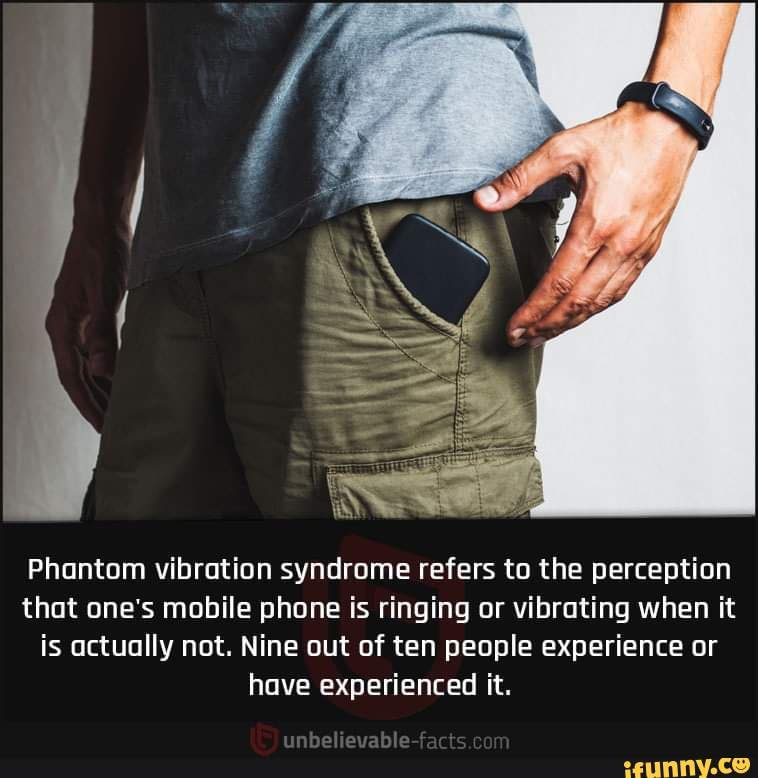
Have you ever felt your phone buzzing in your pocket, only to find out there are no notifications or messages? You're not alone in experiencing phantom vibration syndrome. This phenomenon is more common than you think, and it's not just a glitch in your phone or a sign of poor phone etiquette. It's a psychological phenomenon that has captivated many of us, and it's time to dive into its depths.
What is Phantom Vibration Syndrome?
Phantom vibration syndrome, also known as phantom ringing syndrome or ringxiety, is a psychological phenomenon where a person feels their phone vibrating or ringing without any notification or call. It's an experience commonly described as the feeling of a phone buzzing in your pocket, even when it's not there.
Why Does Phantom Vibration Syndrome Happen?
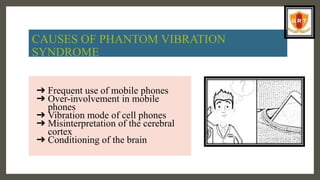
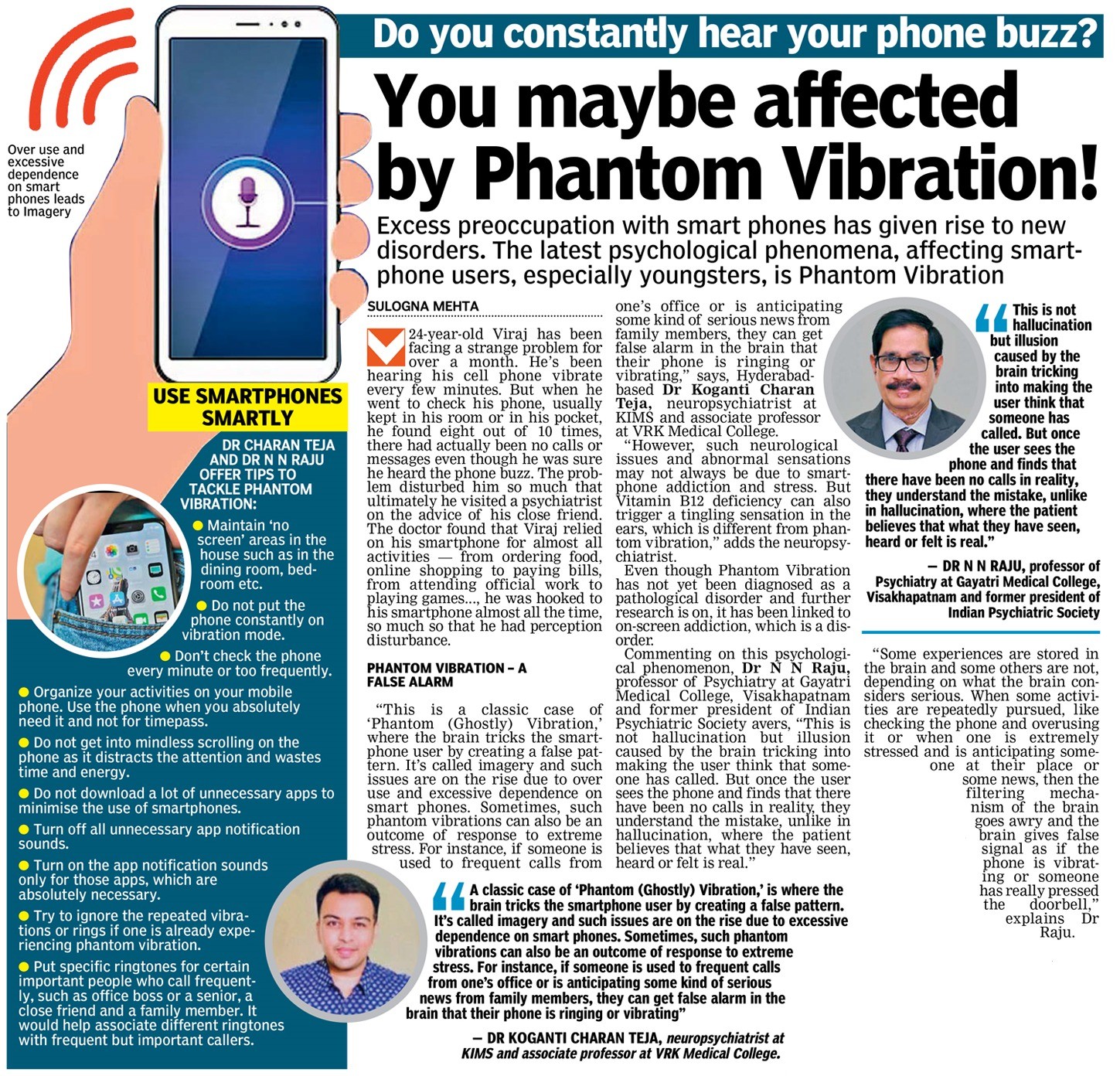
Research suggests that phantom vibration syndrome is caused by a combination of neurological, psychological, and behavioral factors. The brain misinterprets sensory input, such as muscle spasms, clothing movement, or nerve firings, as a phone vibration. This misinterpretation is often accompanied by anxiety, making it more intense and frequent. Additionally, the frequent checking of phone notifications trains the brain to associate any physical sensation near the phone with a vibration, creating a conditioned response.
The Science Behind Phantom Vibration Syndrome
- Conditioned response: Repetitive checking of phone notifications trains the brain to associate physical sensations with a vibration, leading to phantom sensations.
- Sensory misinterpretation: The brain misinterprets sensory input, such as muscle spasms or clothing movement, as a phone vibration.
- Neurological factors: Phantom vibration syndrome is also linked to neurological factors, such as neuropathic pain and sensory sensitivity.

Consequences of Phantom Vibration Syndrome
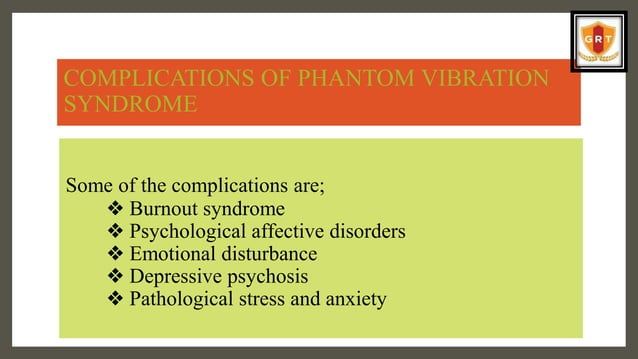
While phantom vibration syndrome may seem like a minor annoyance, it can have significant consequences on our mental and emotional well-being. Anxiety, stress, and decreased productivity are some of the consequences associated with phantom vibration syndrome. In severe cases, it can also lead to a sense of addiction to phone notifications, affecting our relationships and daily routines.
Strategies to Reduce Phantom Vibration Syndrome
There are several strategies that can help alleviate phantom vibration syndrome:
- Reduce phone notifications: Limit the number of notifications on your phone and take breaks from social media and messaging apps.
- Practice mindfulness: Regular mindfulness practices can help reduce anxiety and increase self-awareness, reducing the occurrence of phantom vibrations.
- Reclaim control: Set boundaries and take control of your phone use, setting times and limits for checking notifications.
- Address underlying anxiety: Seek professional help if you feel overwhelmed by anxiety or stress related to phantom vibration syndrome.
Conclusion
Phantom vibration syndrome is a common phenomenon that affects millions of people worldwide. By understanding its causes and consequences, we can take steps to reduce its impact on our lives. By recognizing our phone use patterns and adopting strategies to reduce anxiety and stress, we can take control of our phone habits and live a more balanced and focused life.