Preventing Tech Neck in Children: A Guide for Parents
As a parent, it's natural to worry about your child's health and wellness, especially when it comes to their posture and spinal development. With the rise of technology and screen time, a condition known as "Tech Neck" has become a growing concern among children. In this article, we'll explore the dangers of Tech Neck, its impact on children's developing spines, and provide practical tips on preventing it.
What is Tech Neck?
Also known as "Text Neck," "Poke Neck," or "Tech Neck," this condition refers to the chronic neck pain and discomfort caused by prolonged use of electronic devices. It occurs when children spend extended periods looking down at their phones, tablets, or computers, leading to excessive strain on their neck muscles and spinal column.
The Anatomical Reasons Behind Tech Neck in Children
Children's bones and muscles are still developing, making them more prone to injury and long-term damage from Tech Neck. Unlike adults, children's spines are more malleable and susceptible to changes in posture and alignment. Prolonged forward-head posture can lead to a condition known as "Tech Neck," where the cervical spine and surrounding muscles are put under excessive stress.
Symptoms of Tech Neck in Children
Common symptoms of Tech Neck in children include:
- Headaches and neck pain
- Shoulder pain and stiffness
- Difficulty looking up or back
- Tightness in the neck and shoulder muscles
- Changes in posture, such as leaning forward or to one side

Why is Tech Neck a Concern for Children?
Excessive screen time and poor posture can lead to long-term consequences, including:
- Permanently damaged spinal column and neck muscles
- Increased risk of chronic pain and discomfort
- Misaligned teeth, jaw, and facial structure
- Decreased lung capacity and breathing difficulties
- Reduced flexibility and mobility
Preventing Tech Neck in Children
To prevent Tech Neck in children, follow these simple and effective tips:
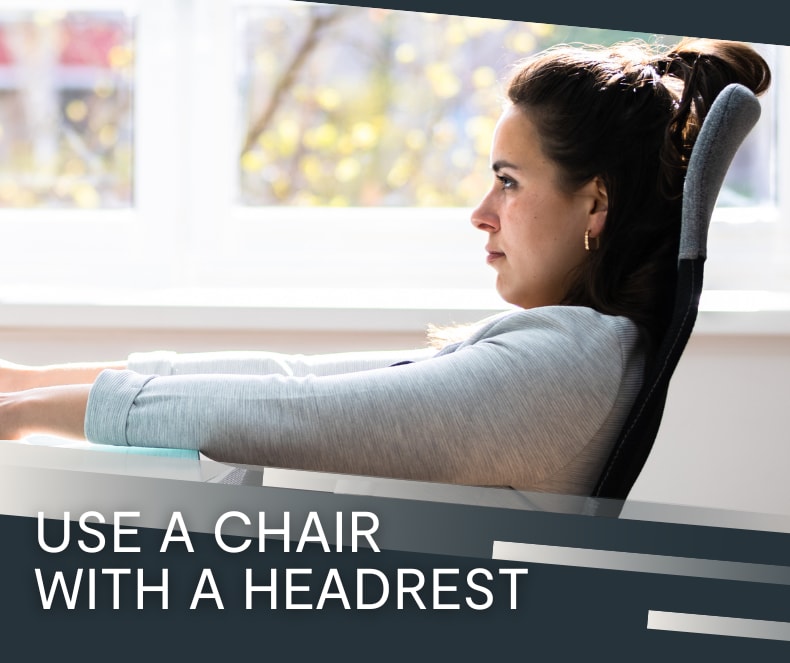
- Ergonomic Setups: Ensure electronic devices are at eye level, with screens facing directly forward. Encourage your child to sit with a straight back and relaxed shoulders.
: Establish regular breaks from screen time, allowing your child to stretch and move around. - Posture Exercises: Engage your child in simple exercises, such as shoulder rolls, neck stretches, and arm raises, to improve posture and strengthen muscles.
- Monitor and Limit Screen Time: Set limits on screen time and closely monitor your child's device use to prevent excessive strain on the neck and spine.
- Chiropractic Care: Consider consulting a chiropractor for expert advice on maintaining proper posture and spinal alignment in children.
Conclusion
Preventing Tech Neck in children requires a proactive and supportive approach. By understanding the risks and consequences of excessive screen time and poor posture, you can take steps to protect your child's spinal health and promote a lifetime of wellness. By following the tips outlined above and encouraging healthy habits from an early age, you can help prevent Tech Neck and ensure a bright, healthy future for your child.