Protecting against Malware in Cryptocurrency Transactions: Essential Strategies for Crypto Security
As the world of cryptocurrency continues to grow, so do the threats to digital asset security. With the rise of cryptocurrency transactions, the risk of malware attacks has increased exponentially. In this comprehensive guide, we will delve into the world of cryptocurrency security, exploring the most effective strategies to protect against malware in cryptocurrency transactions.Awareness is Key: Understanding Malware and Its Impact on Cryptocurrency
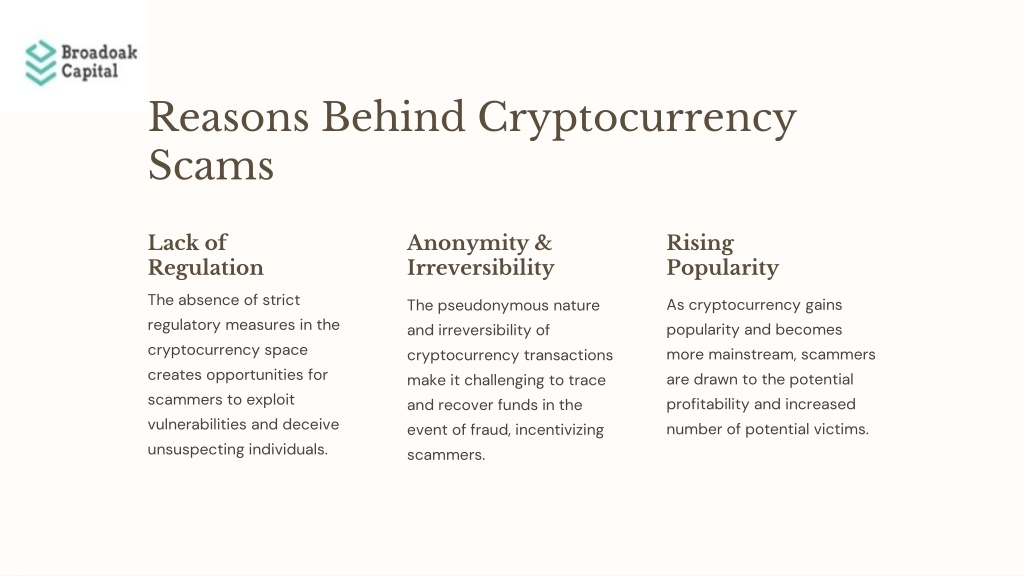
Malware, or malicious software, is designed to compromise computer systems and steal sensitive information. In the context of cryptocurrency transactions, malware can be particularly devastating, as it can manipulate transactions, theft funds, and disrupt services. The cryptocurrency ecosystem is particularly vulnerable to malware, as transactions are irreversible and most data-stealing malware is designed to function silently in the background.Urgent Steps to Protect Your Digital Wallet: Tips and Strategies
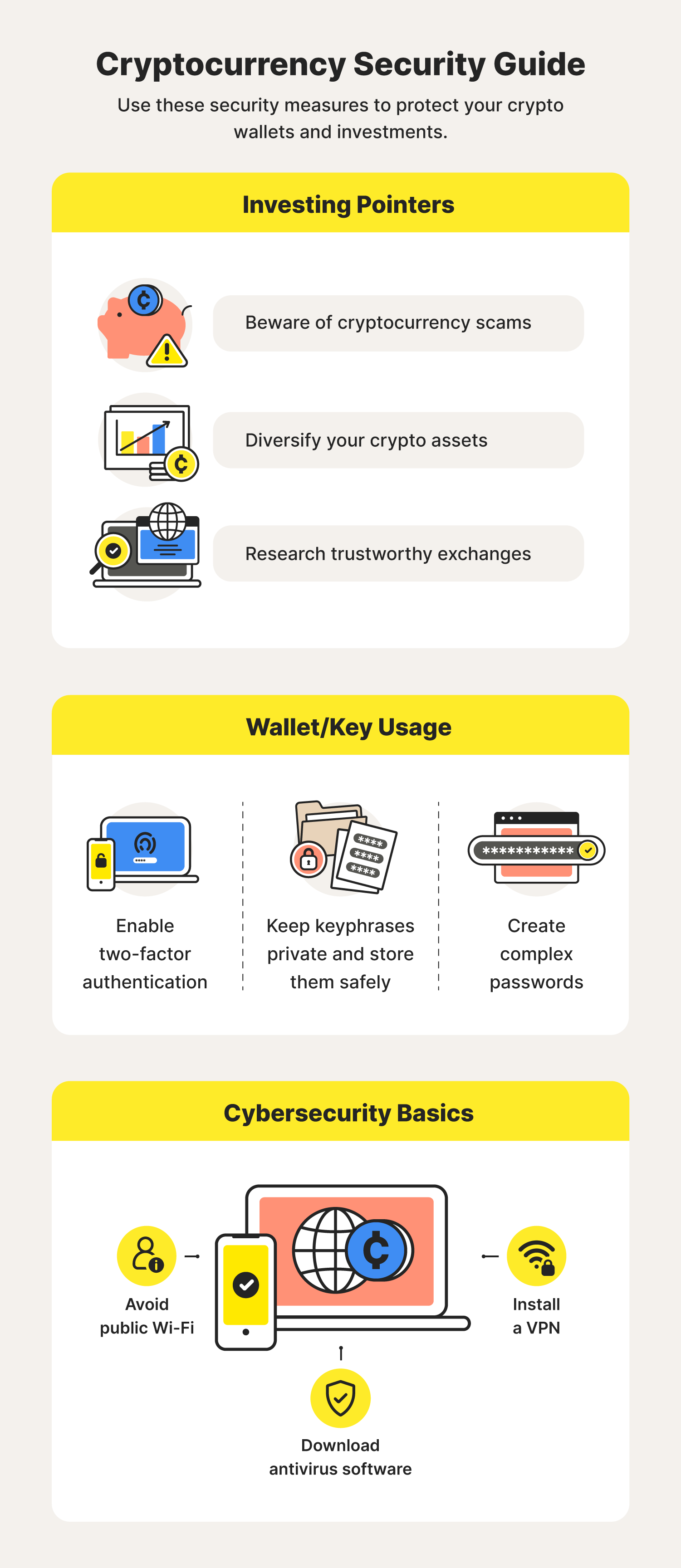
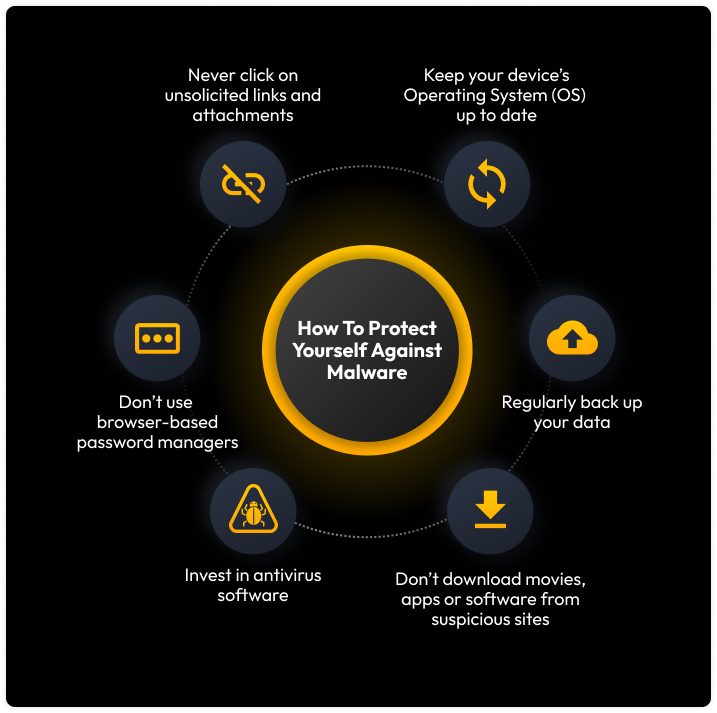
To safeguard against malware in cryptocurrency transactions, it is essential to implement a multi-layered approach to security. Here are some urgent steps to protect your digital wallet: *Use AntiVirus Software:
AntiVirus software is a crucial tool in the fight against malware. Award-winning software like TotalAV offers real-time protection against threats, removing stealthy malware like RATs and Keyloggers. Ensure you have the latest software and regularly update your antivirus programs. *Verify the Authenticity of Apps and Plugins:
Cybercriminals often target vulnerabilities in software and plugins to gain unauthorized access to cryptocurrency wallets, exchanges, and mining operations. Always verify the authenticity of apps and plugins before installing, and double-check withdrawal addresses to prevent altered transaction hijacking. *Store Private Keys Securely:
Never store private keys on your computer or mobile device. Instead, use a hardware wallet, which generates and stores keys in a secure environment, protecting against unauthorized access. Popular hardware wallets include Ledger, Trezor, and Tangem Wallet. *Use a Separate Device for Crypto Transactions:
Consider using a dedicated device for cryptocurrency transactions. This will help prevent accidental installations of malware and reduce the risk of sensitive information compromise. *Monitor Accounts and Funds Regularly:
Stay vigilant and regularly monitor your accounts and funds to detect any suspicious activity. Track transactions using tools like Etherscan or Blockchain Explorer to ensure the integrity of your cryptocurrency transactions.Protecting Against Advanced Malware Threats: A Comprehensive Guide
In addition to the above strategies, consider the following advanced security measures to protect against malware in cryptocurrency transactions: *Use a Beefy Firewall: