Understanding Tylenol for Dogs with Muscle Pain: A Guide for Pet Owners
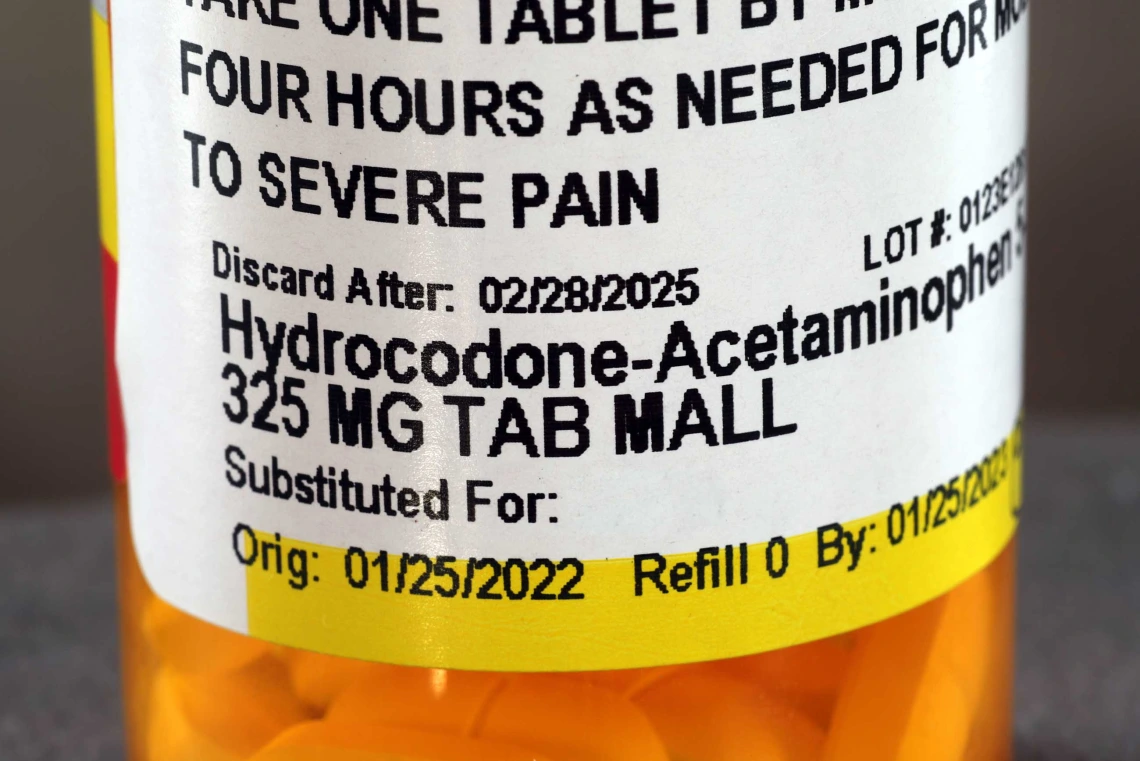
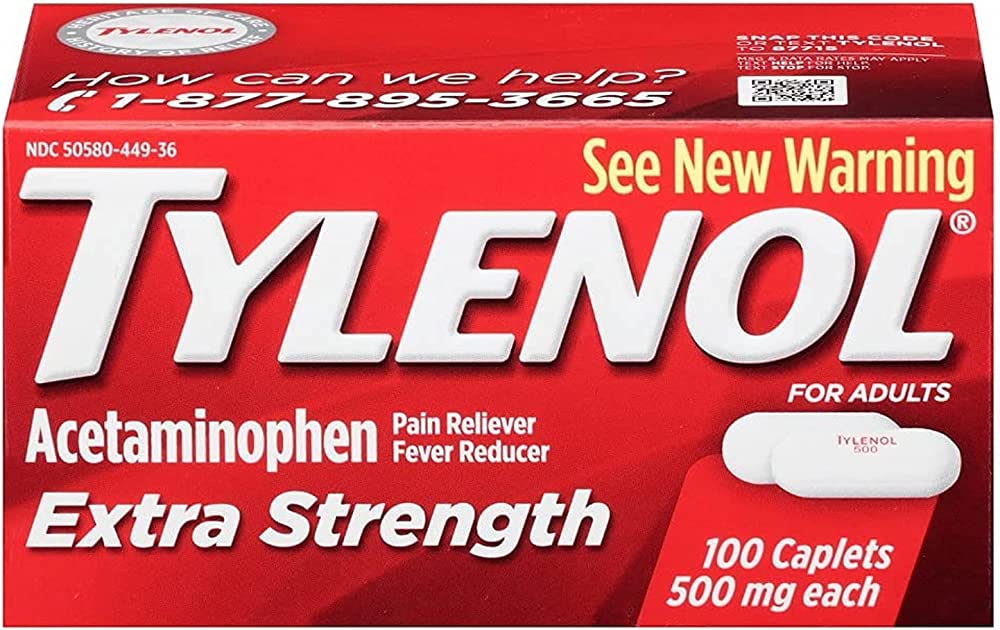
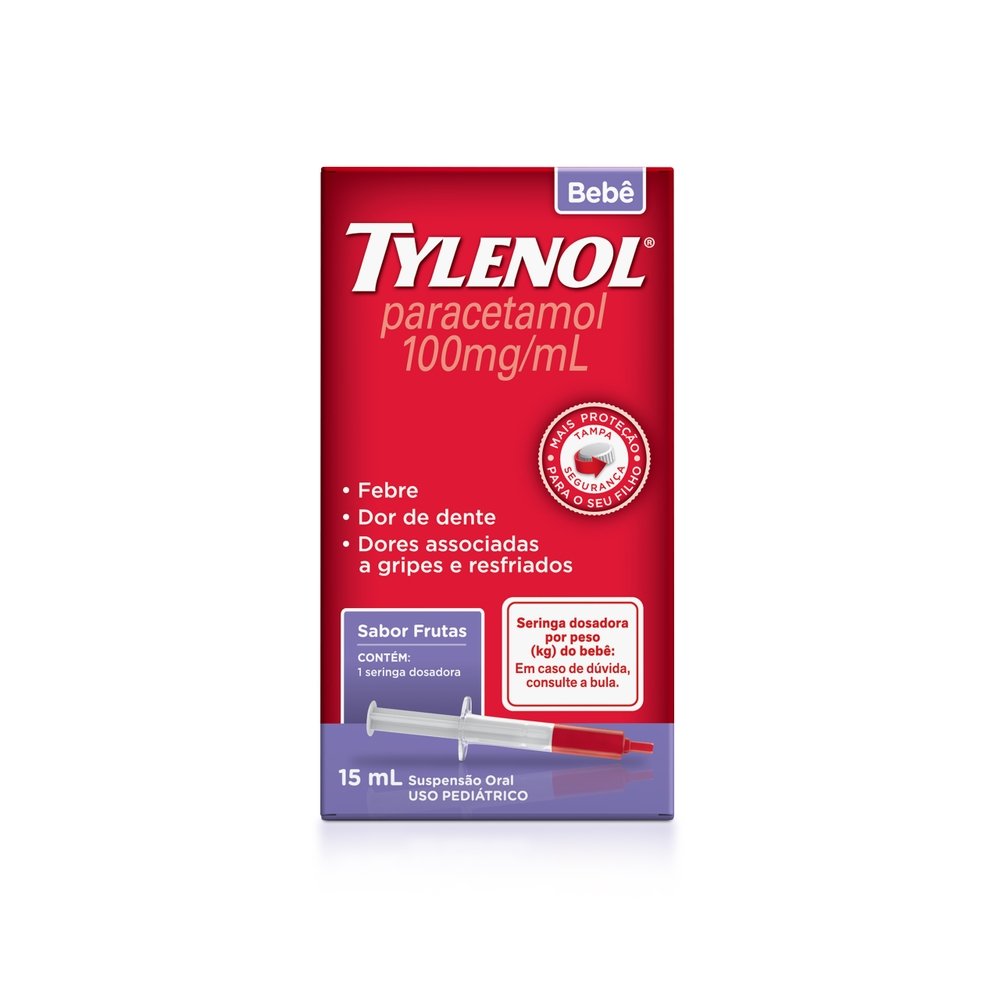
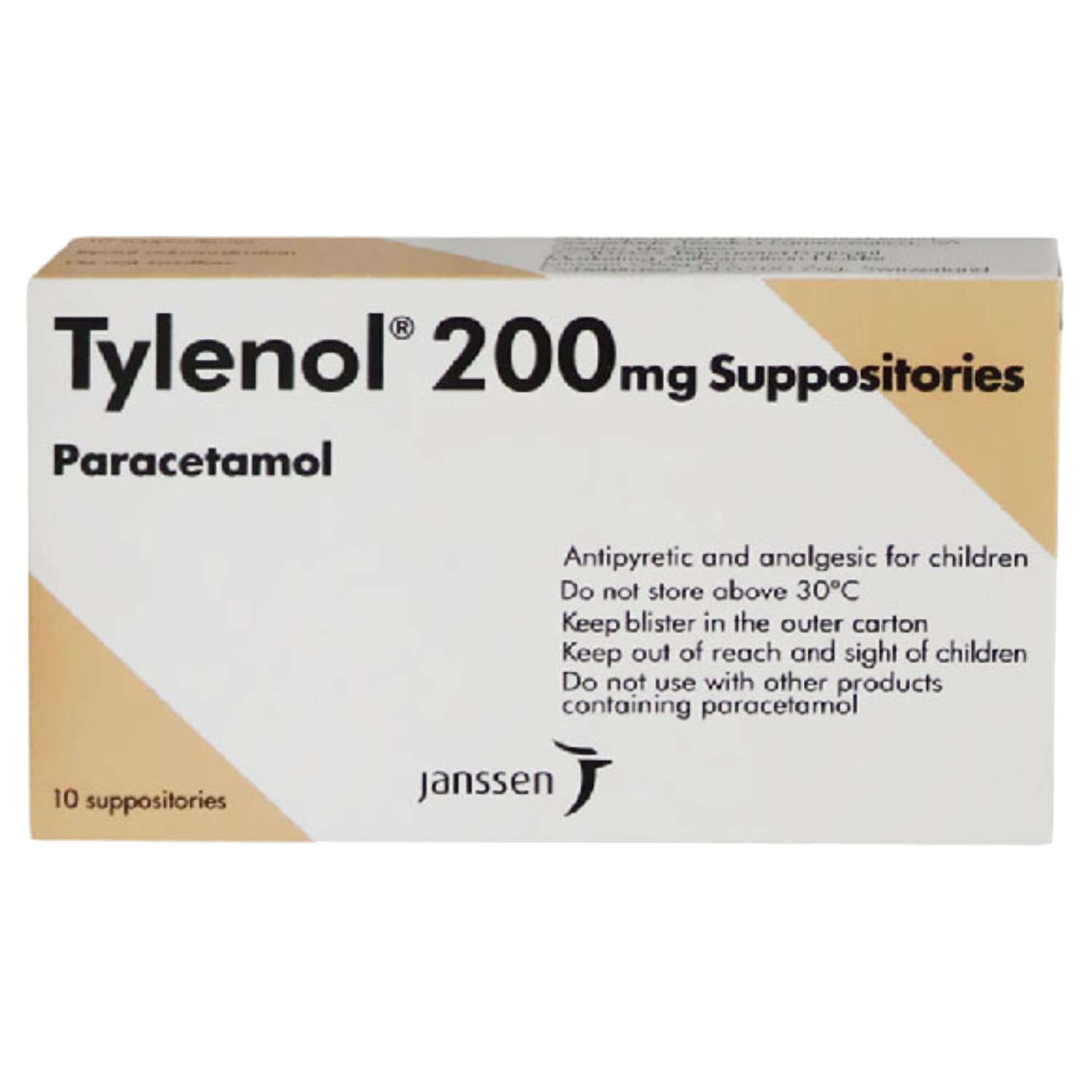
As a pet owner, it's natural to want to alleviate your dog's muscle pain and discomfort. However, when it comes to using human pain relievers like Tylenol, it's essential to exercise caution. While Tylenol (acetaminophen) is a common over-the-counter medication for humans, it can be toxic to dogs and even life-threatening in severe cases.
The Dangers of Tylenol for Dogs
According to various veterinary sources, Tylenol can cause liver damage, interfere with the blood's ability to carry oxygen, and result in severe health issues in dogs. The accumulation of toxic metabolites in a dog's system can lead to abdominal pain, vomiting, drooling, panting, and even liver failure. It's crucial to understand that dogs lack the necessary enzyme to break down acetaminophen effectively, making it a potentially deadly medication for them.
Alternatives to Tylenol for Dogs with Muscle Pain
Fortunately, there are safer alternatives to Tylenol for dogs with muscle pain. Veterinarians often recommend non-steroidal anti-inflammatory drugs (NSAIDs) specifically designed for canine use. These medications, such as carprofen, can effectively alleviate pain and inflammation in dogs without the risks associated with human pain relievers. Additionally, nerve pain medications and other pain relief solutions can be used under the guidance of a veterinarian.
Signs of Pain in Dogs
Recognizing the signs of pain in dogs is crucial to providing effective relief. Common indicators of pain in dogs include limping, whining, trembling, low energy, hiding, and decreased appetite. If you suspect your dog is in pain, it's essential to consult with a veterinarian before administering any medication.
What to Do If Your Dog is in Pain

When your dog is experiencing pain, it's natural to want to provide relief. However, it's crucial to avoid giving human pain medications like Tylenol or aspirin, as they can be toxic to dogs. Instead, consult with your veterinarian to determine the best course of action. Your vet may prescribe a canine-friendly medication or recommend alternative pain relief solutions, such as physical therapy, acupuncture, or massage.
Conclusion
While Tylenol may be a common pain reliever for humans, it's not a suitable option for dogs. The risks associated with acetaminophen toxicity in dogs far outweigh any potential benefits. By understanding the dangers of Tylenol and exploring safer alternatives, you can provide your furry friend with the relief they need to live a happy and healthy life.
Additional Resources
- Learn more about pain management for dogs from VCA Animal Hospital.
- Discover effective remedies to ease your dog's muscle pain and discomfort.
- Understand the importance of pain relief for dogs and the risks associated with human pain medications.
- Find out which pain medications are safe for dogs and which ones to avoid.
Final Thoughts
As a responsible pet owner, it's essential to prioritize your dog's health and well-being. By avoiding human pain medications like Tylenol and opting for canine-friendly alternatives, you can ensure your furry friend receives the relief they need to thrive. Always consult with your veterinarian before administering any medication to your dog, and never hesitate to seek professional guidance if you're unsure about your dog's pain management.




![10 Pain Meds For Dogs & Other Pain Relief Tips [Vet-Approved]](https://cdn.cs.1worldsync.com/5a/e0/5ae0c85f-c309-451f-ba1c-effb4b044ea9.jpg "10 Pain Meds For Dogs & Other Pain Relief Tips [Vet-Approved]")