Ways to Secure Your Digital Identity Online
In today's digital age, protecting one's identity online has become more crucial than ever. With the rise of the internet and the increasing reliance on digital platforms, individuals are vulnerable to cyber threats and identity theft. Here are some practical ways to secure your digital identity online.Why Digital Identity Is Important
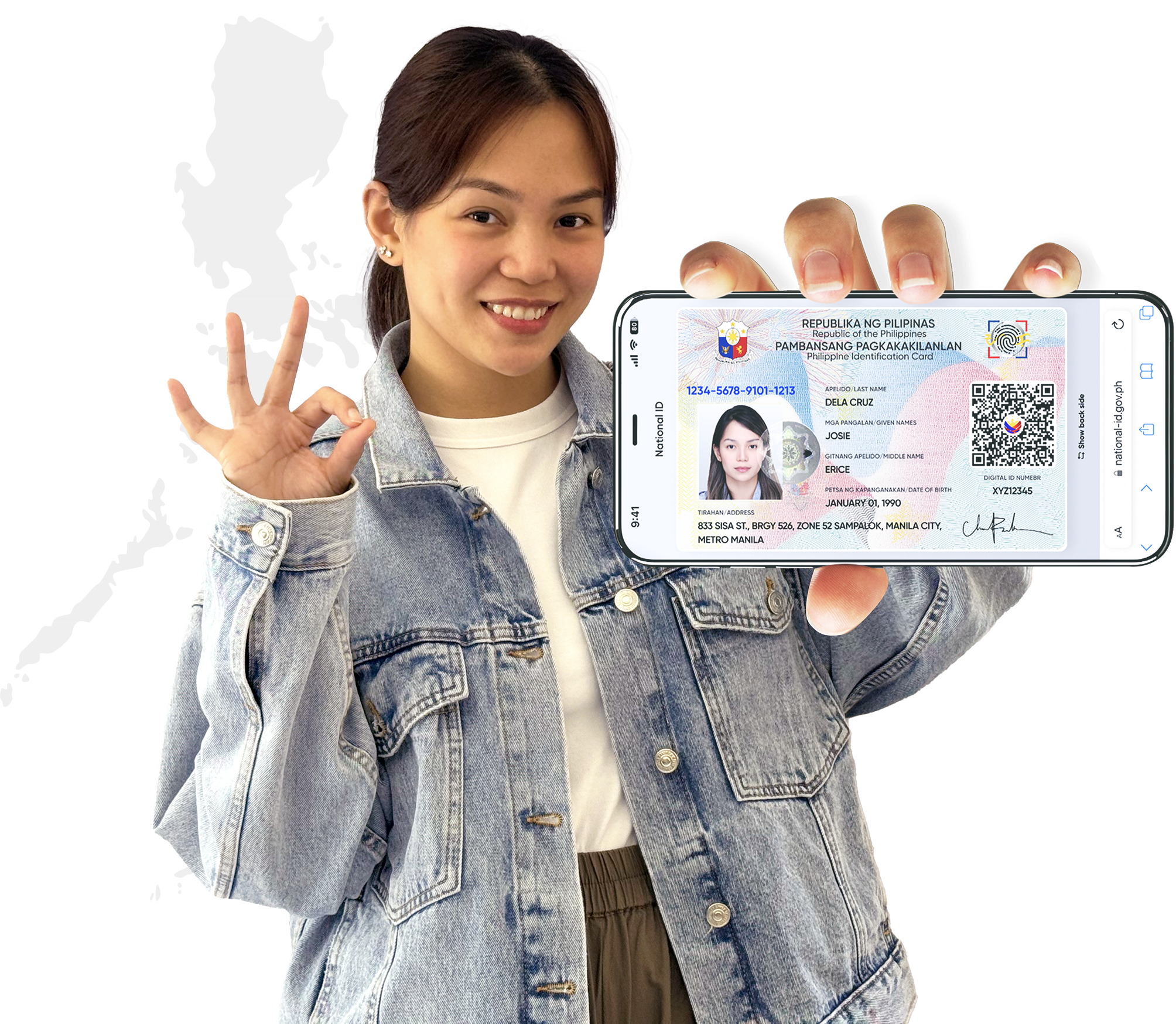
A digital identity refers to the information that represents you online, including your name, phone number, email accounts, and financial details. It's essential to safeguard this information to prevent unauthorized access, identity theft, and cyber attacks. Compromised digital identities can lead to financial losses, reputational damage, and even physical harm.Secure Your Online Accounts
The first step to securing your digital identity is to protect your online accounts. Here are a few ways to do so:- Use strong, unique passwords for each account.
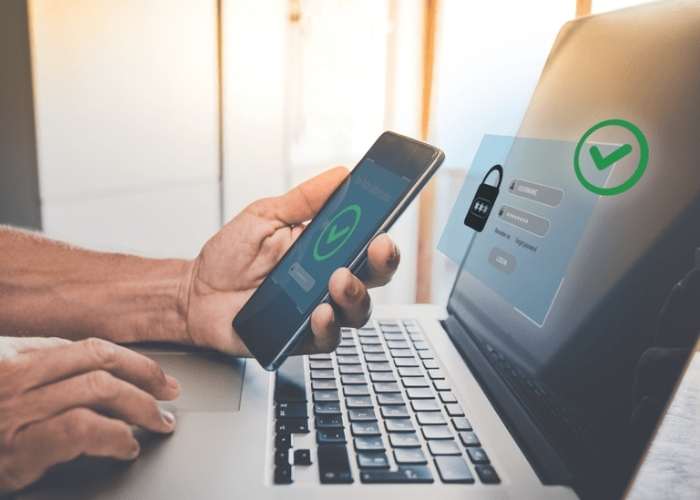
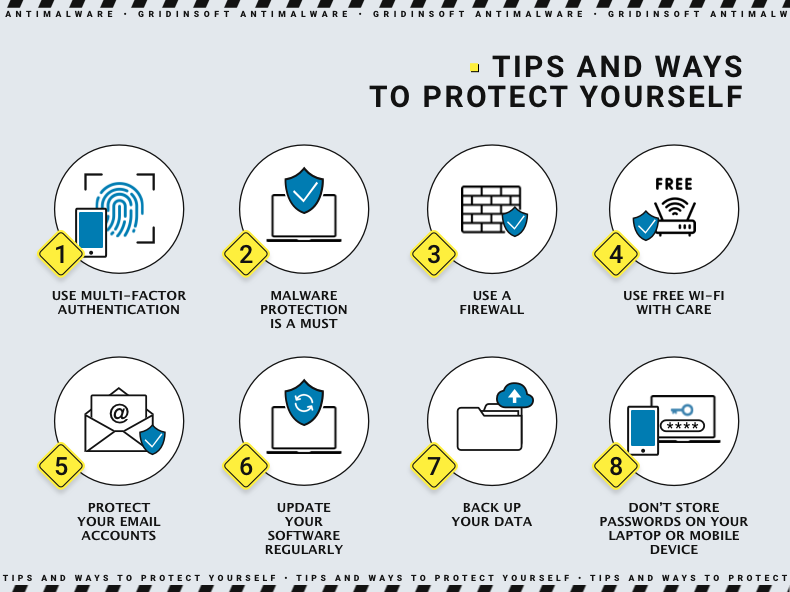
- Enable two-factor authentication (2FA) or multi-factor authentication (MFA) to add an extra layer of security.
- Keep your passwords and 2FA keys secure, either by using a password manager or writing them down and storing them securely.
- Monitor your accounts regularly for suspicious activity and report any discrepancies to the relevant authorities.
Use a Virtual Private Network (VPN)
A VPN creates a secure, encrypted tunnel between your device and the server, masking your IP address and protecting your online activities from prying eyes. When choosing a VPN, consider factors like speed, encryption, and customer support.Protect Your Email
Your email account is a treasure trove of personal information. To safeguard your email, use the following best practices:- Configure your email client to use encryption, such as PGP or S/MIME.
- Use a secure email provider, such as ProtonMail or Tutanota.
Limit Credit Card Use Online