Protect Your Mattress with Bed Bug Mattress Encasements: A Comprehensive Guide
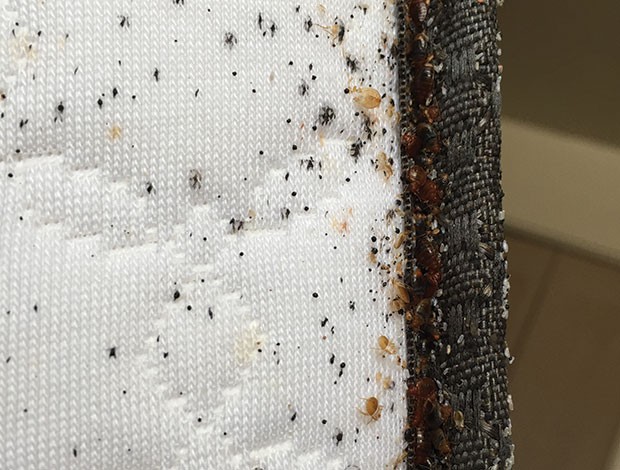
Mattress encasements have become a popular solution for homeowners, hotels, and rentals to protect their mattresses from bed bugs, dust mites, and other allergens. These encasements are designed to create a barrier between the mattress and the external environment, preventing bed bugs and other pests from entering or escaping. In this article, we will explore the benefits and features of bed bug mattress encasements, and provide tips on how to choose the right one for your needs.
What are Bed Bug Mattress Encasements?
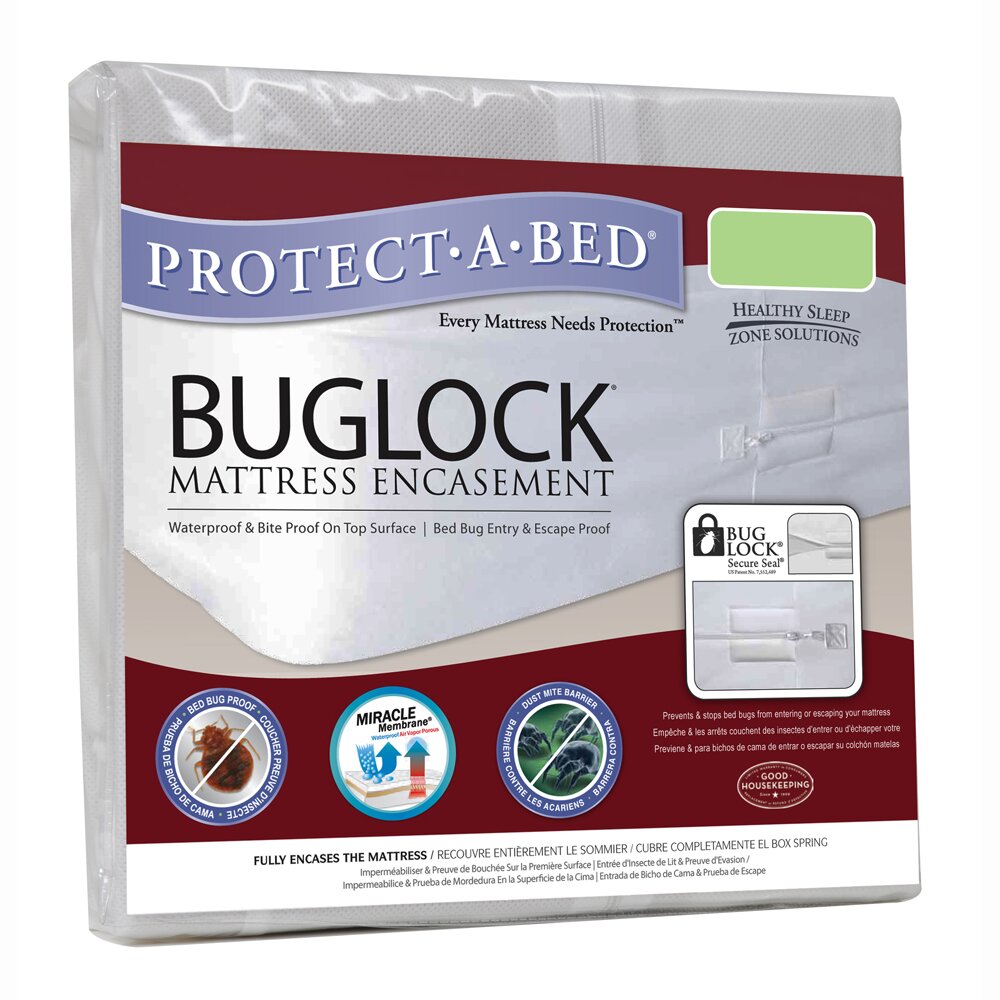
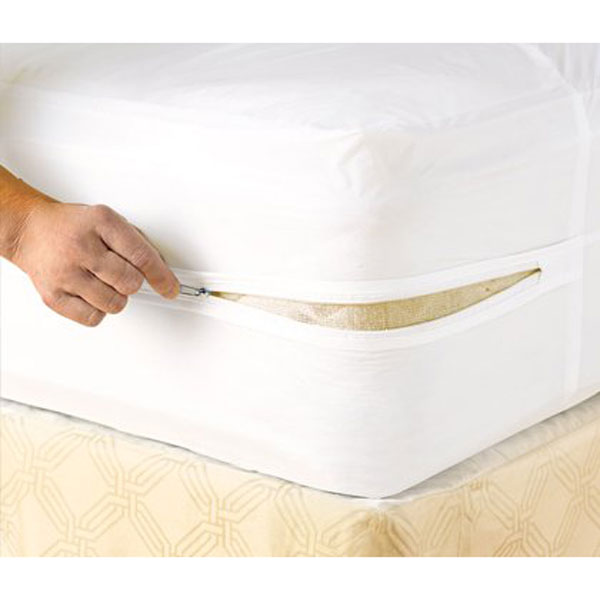
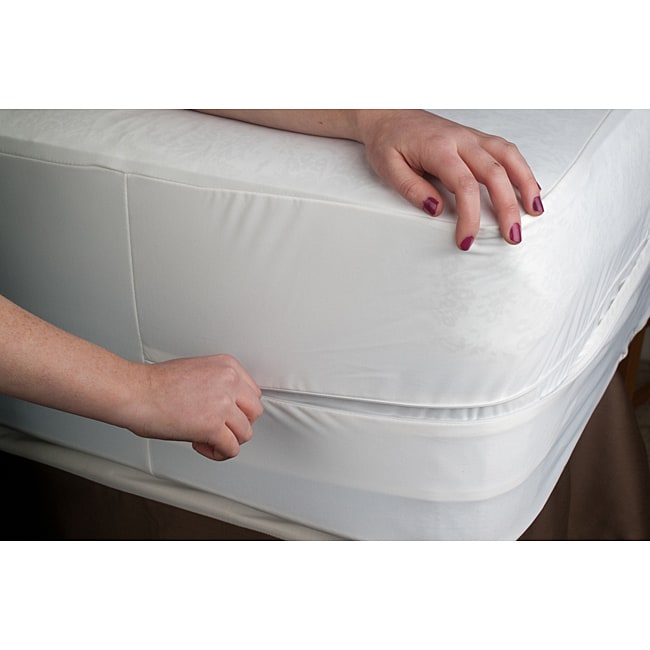
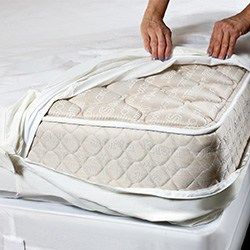
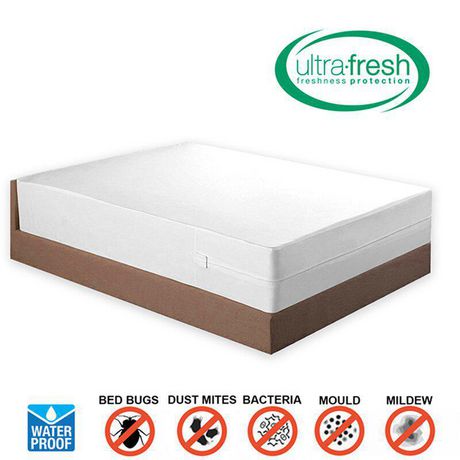
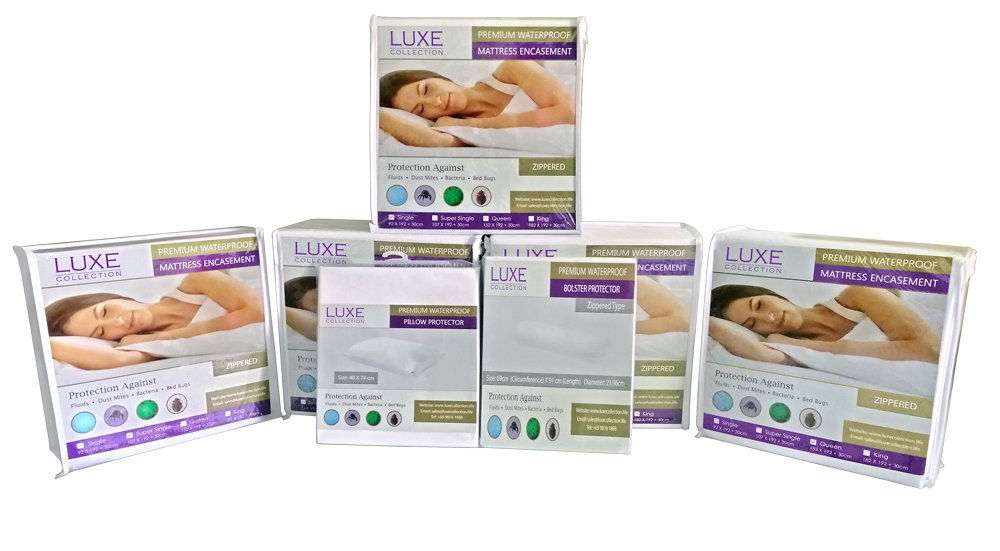
Bed bug mattress encasements are specialized covers designed to fully enclose a mattress, providing 360-degree protection against bed bugs, dust mites, and other allergens. These encasements are typically made of breathable materials, such as cotton or polyester, and feature a zippered closure to ensure a secure seal. Some encasements may also include additional features, such as waterproofing, fire retardancy, and bed bug certification.
Benefits of Bed Bug Mattress Encasements
- Effective Bed Bug Protection: Bed bug mattress encasements are designed to prevent bed bugs from entering or escaping the mattress, reducing the risk of infestation.
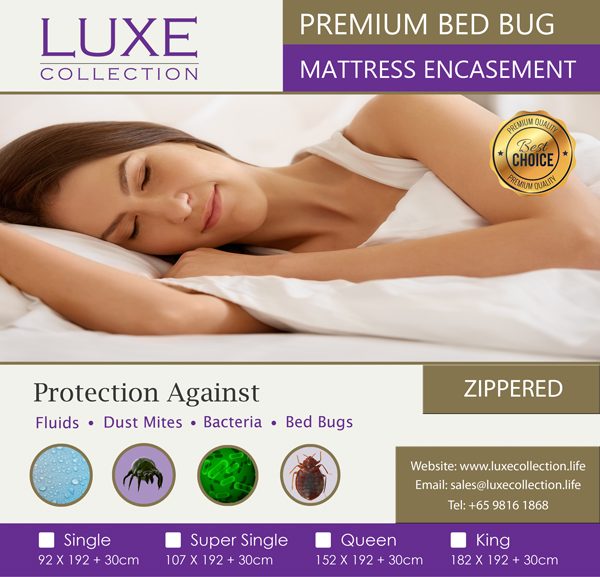
- Allergen Control: Encasements can help prevent the spread of allergens, such as dust mites, pollen, and pet dander, which can exacerbate respiratory issues like asthma.
- Waterproofing: Many bed bug mattress encasements feature waterproofing, which can help protect the mattress from spills, sweat, and other liquids.
- Fire Retardancy: Some encasements may include fire retardant materials, which can help meet safety standards and reduce the risk of fires.
- Easy to Clean: Bed bug mattress encasements are often easy to clean and maintain, making them a convenient solution for busy households.
How to Choose the Right Bed Bug Mattress Encasement
When selecting a bed bug mattress encasement, consider the following factors:
- Coverage and Depth: Look for encasements that fully cover the mattress, including the sides, top, and bottom. Ensure the encasement is deep enough to accommodate the mattress's thickness.
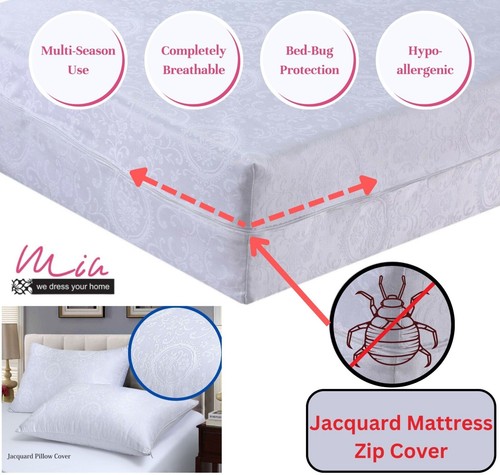
- Material: Choose encasements made from breathable, hypoallergenic materials that promote airflow and prevent moisture buildup.
- Waterproofing: Opt for encasements with waterproofing to protect against spills and liquids.
- Fire Retardancy: Consider encasements with fire retardant materials to meet safety standards.
- Bed Bug Certification: Look for encasements that are certified bed bug-proof, which can provide an additional layer of protection against infestation.
- Brand Reputation: Research the manufacturer's reputation for producing high-quality encasements that meet industry standards.
Popular Bed Bug Mattress Encasement Brands
Some popular brands offering bed bug mattress encasements include:

- Utopia Bedding
- Mattress Safe
- Guardmax
- Sweet Home Collection
- Remedy
- Janet Collection
Conclusion
Bed bug mattress encasements offer a comprehensive solution for protecting mattresses from bed bugs, dust mites, and other allergens. By choosing the right encasement for your needs, you can enjoy a clean, comfortable, and protected sleeping environment. Remember to consider factors like coverage, material, waterproofing, fire retardancy, bed bug certification, and brand reputation when selecting the perfect bed bug mattress encasement for your mattress.
Frequently Asked Questions
Q: Do bed bug mattress encasements really work?
A: Yes, bed bug mattress encasements are designed to prevent bed bugs from entering or escaping the mattress, reducing the risk of infestation.
Q: How often should I wash my bed bug mattress encasement?
A: It's recommended to wash your bed bug mattress encasement regularly, ideally every 3-6 months, to maintain its effectiveness and prevent the buildup of allergens and dust mites.
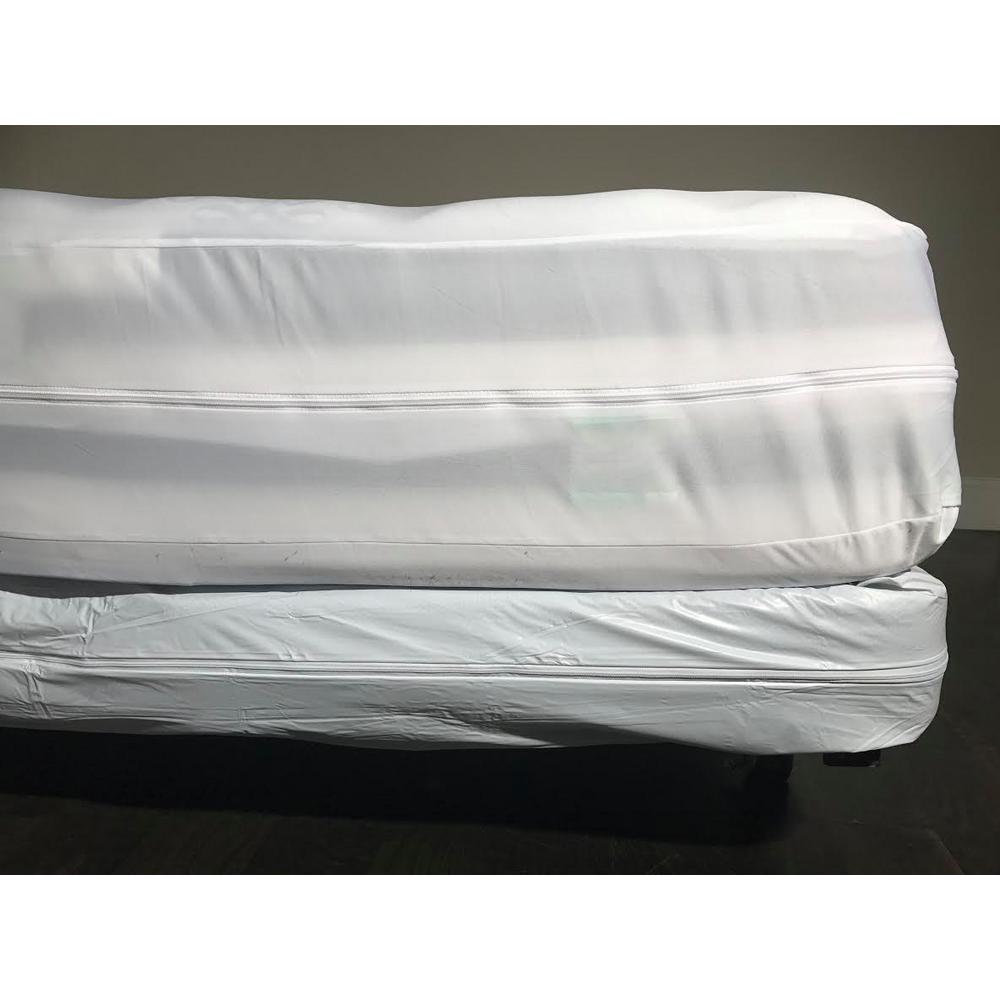
Q: Can I use a bed bug mattress encasement with a box spring?
A: Yes, many bed bug mattress encasements are designed to fit box springs and provide comprehensive protection against bed bugs and other allergens.