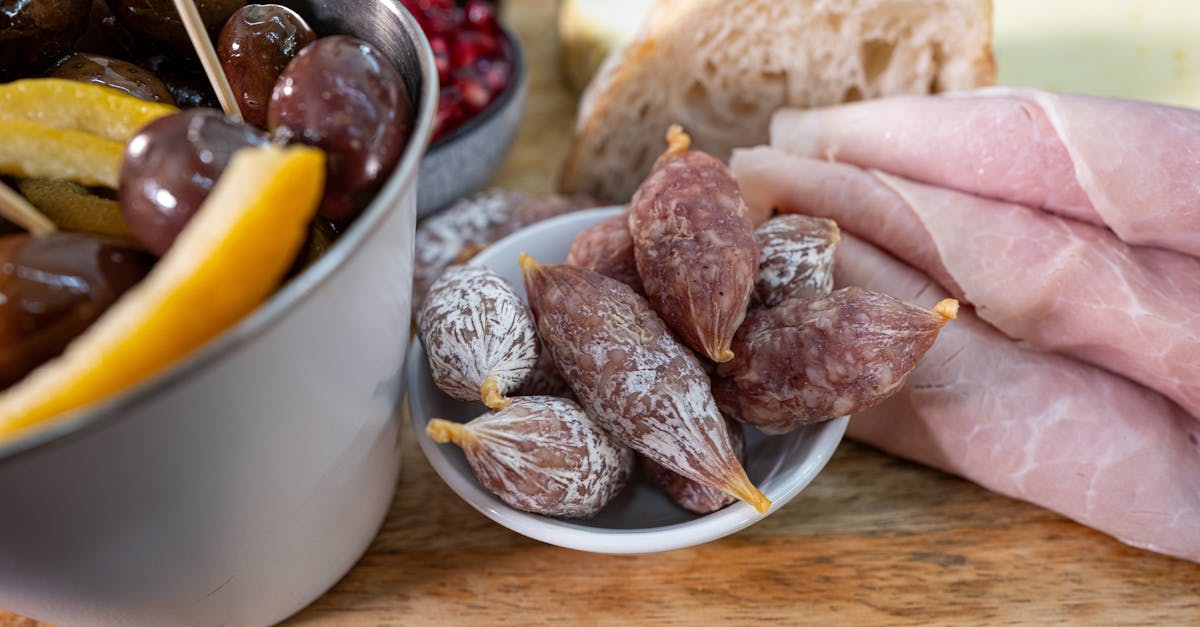
Delicacies and Concerns: Deli Meat and Pregnancy Warnings You Need to Know
As an expectant mother, navigating the world of food can be overwhelming. With so many contraindicated foods out there, it's natural to wonder what's safe and what's not. One staple in many households - deli meat - has raised red flags due to its association with Listeria, a potentially life-threatening bacterium during pregnancy. In this article, we'll delve into the world of deli meat and pregnancy warnings, exploring the guidelines, risks, and precautions you need to know.
The Risks Associated with Deli Meat and Pregnancy
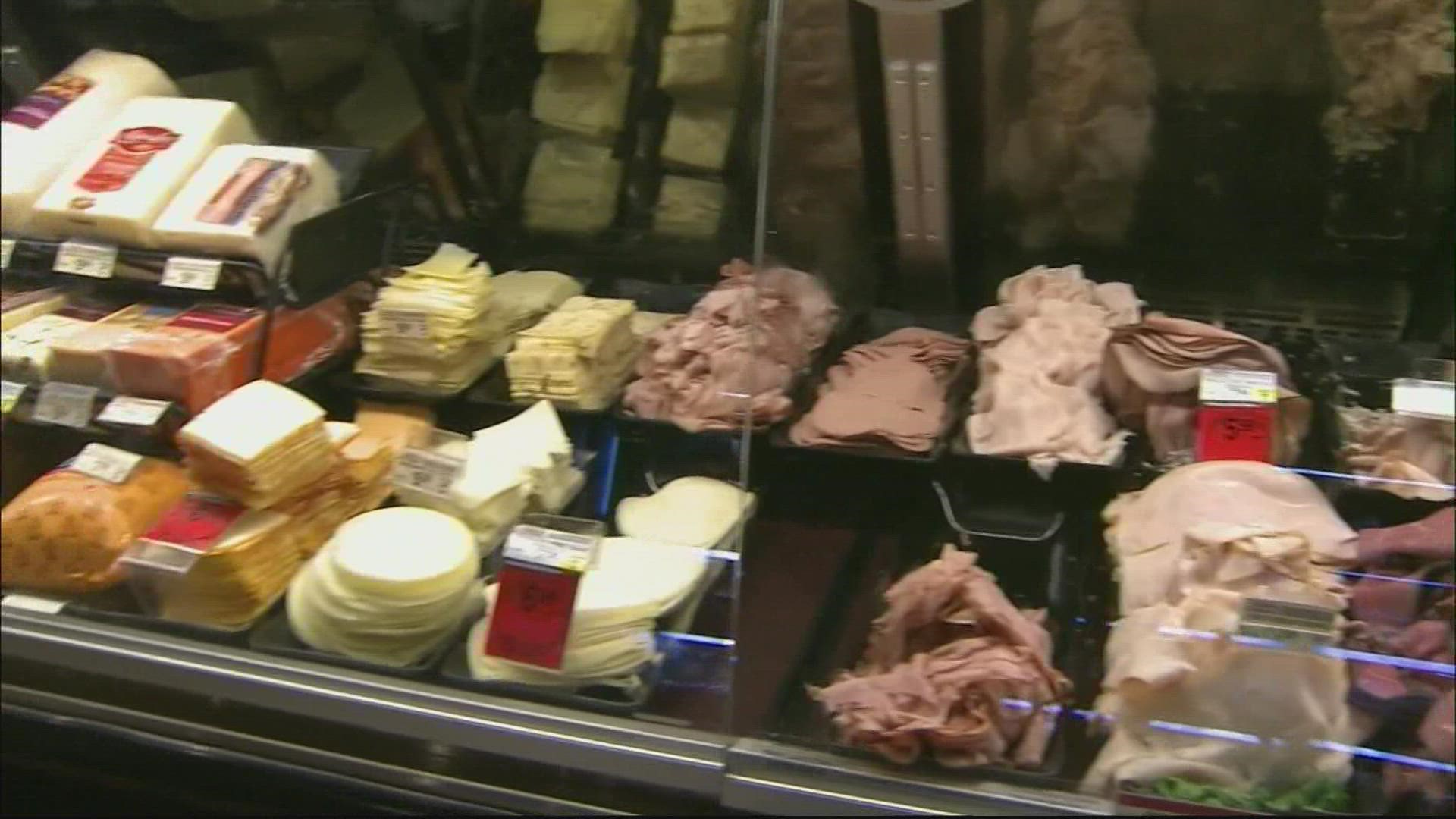
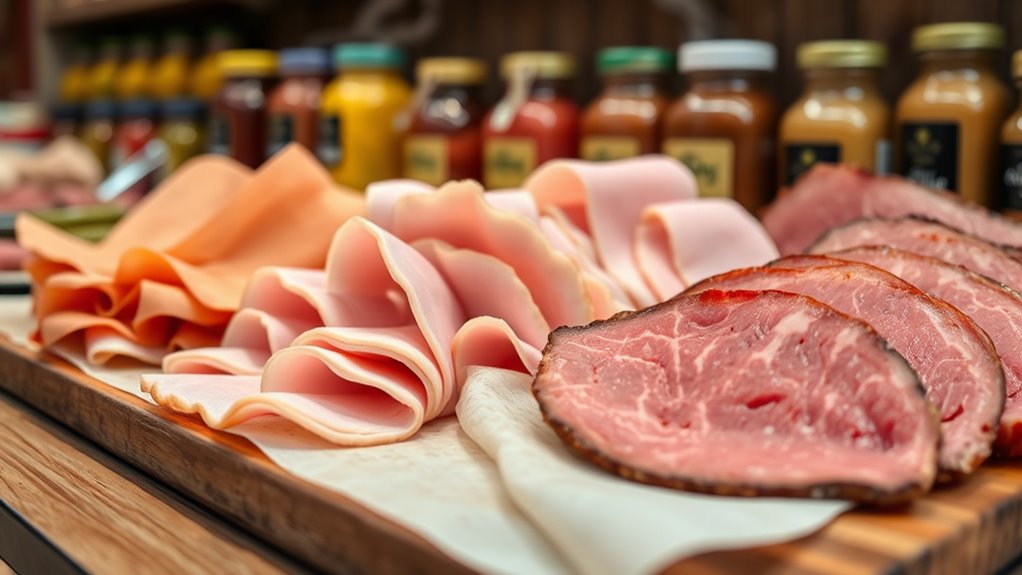
Doctors often advise pregnant women to steer clear of deli meat due to the risk of Listeria contamination. Listeria monocytogenes, a type of bacteria commonly found in soil, water, and certain foods like deli meat, hot dogs, and soft cheeses, can lead to severe illness, miscarriage, stillbirth, premature delivery, or life-threatening infection of the newborn in expectant mothers. The Centers for Disease Control and Prevention (CDC) emphasize the importance of avoiding deli meats, particularly those that aren't heated to a safe temperature, to minimize the risk.
Why is Deli Meat Such a Concern During Pregnancy?
listeria isnt exclusive to deli meats, but deli meats are considered high-risk because they are often already contaminated when they come to market. Even when handled and stored properly, deli meats can pose a risk if consumers don't heat them to the minimum effective temperature - usually around 165 degrees Fahrenheit - which is hot enough to kill the bacteria. On the other hand, heat can break down the protein structures and virtually eliminate the risk of bacterial contamination. Listeria is prevalent in cured meats, bacon, poultry, and meat products, especially those made with lower-quality ingredients or inadequate testing.
Safe Handling and Preparing Deli Meat for Pregnancy
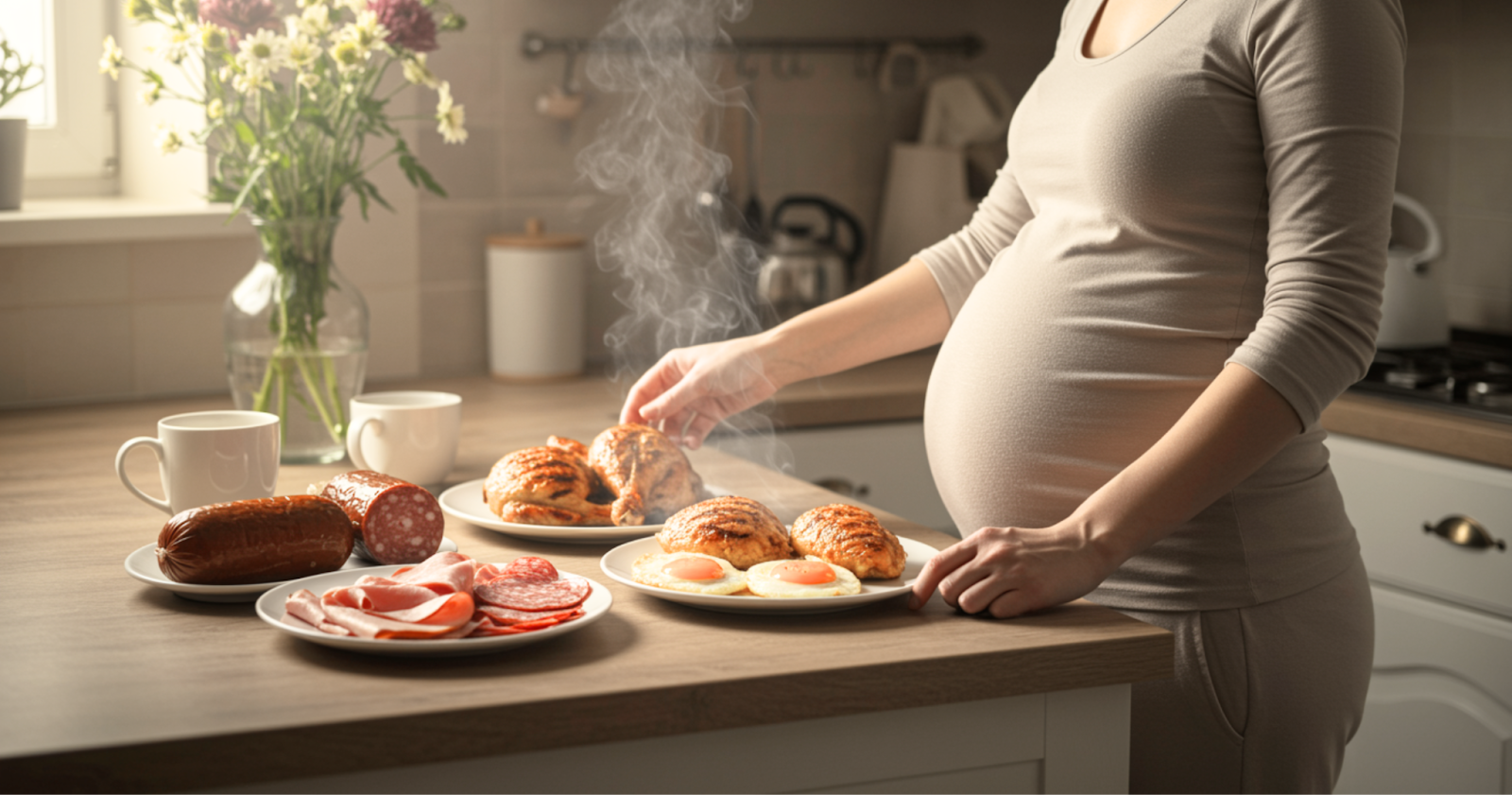
- Heating deli meat to at least 165 degrees Fahrenheit for at least 15 seconds kills Listeria and most other bacteria. You can determine if it is hot enough by cutting into the meat and checking if it's steaming. Additionally, using a food thermometer is recommended for accurate temperature readings.
- Refrigerate perishable deli meats promptly and always check them for expiration dates before consuming. To ensure that harmful bacteria (such as Listeria and Salmonella) don't grow on your refrigerated foods, always check their expiration dates before consuming them and consume perishable items within a few days of purchase.
- Storing deli meat at home safely requires proper temperature management, so place heated deli meat in shallow, covered containers to keep it refrigerated at a temperature no higher than 40°F.

Some Health Risks to Consider
- pregnancy loss: Undercooked, contaminated, and improperly stored deli meat may cause Listeria leading to prematurity, stillbirth, or fetal death.
- Preterm Delivery: Some bacteria from improperly prepared meats can pose a risk of premature delivery if ingested by pregnant women.
- Life-threatening newborn infections: If an expectant mother's listeria infection is severe, it can put her unborn baby's health at risk as well, leading to a higher risk of newborn infections and illness.
Delving into Alternatives and Best Practices
For those concerned about the absence of their favorite foods, there are many alternatives to deli meat that are safer during pregnancy, such as clean, minimally processed, and premade sliced meats. These variations in store-bought brands can be safer than traditional deli meat prepared with lower-quality products and lacking packaging guidelines.
When to Seek Medical Attention
Consider contacting a healthcare provider promptly if you consumed a cold or undercooked deli product within the past seven days, if you have any of the symptoms below or have any questions about the risks associated with deli meat and pregnancy, visit the nearest healthcare provider. Listeria infections - during pregnancy, newborns or after birth - usually present as underlined fever.




:max_bytes(150000):strip_icc()/Sliced-deli-meat-counter-4x3-a0db36319ea04ae2a7f906e030858210.jpg "Can I Eat Deli Meat While Pregnant? What You Need to Know")