Getting a Job in a Manufacturing Industry: A Comprehensive Guide
If you're interested in breaking into the manufacturing industry, but don't know where to start, you've come to the right place. With the right knowledge and skills, you can launch your career in this fast-growing and ever-changing field. In this blog post, we'll provide an overview of the steps you need to take to get started in the manufacturing industry, from education and training to job search strategies and more.
Understand the Industry
Start by getting a clear picture of what manufacturing involves. It covers a wide range of sectors—from automotive and electronics to food processing and pharmaceuticals. The manufacturing industry offers many benefits, including career stability and competitive salaries.
Education and Training
To succeed in the manufacturing industry, you'll need the right education and training. Consider pursuing a degree in a field such as engineering, manufacturing, or quality control. You can also look into vocational training programs or online courses that focus on manufacturing-related skills.
Essential Skills
Developing essential skills is crucial in the manufacturing industry. These skills include:
- Communication and teamwork
- Problem-solving and analytical thinking
- Leadership and management
- Technical skills, such as programming and robotics
Job Search Strategies
When searching for a job in the manufacturing industry, follow these strategies:
- Network with professionals in the industry
- Update your resume and online profiles
- Utilize job search platforms and social media
- Attend industry events and job fairs
Common Entry-Level Manufacturing Jobs

Here are five common entry-level manufacturing jobs, including job descriptions, required skills, average salaries, and growth opportunities:
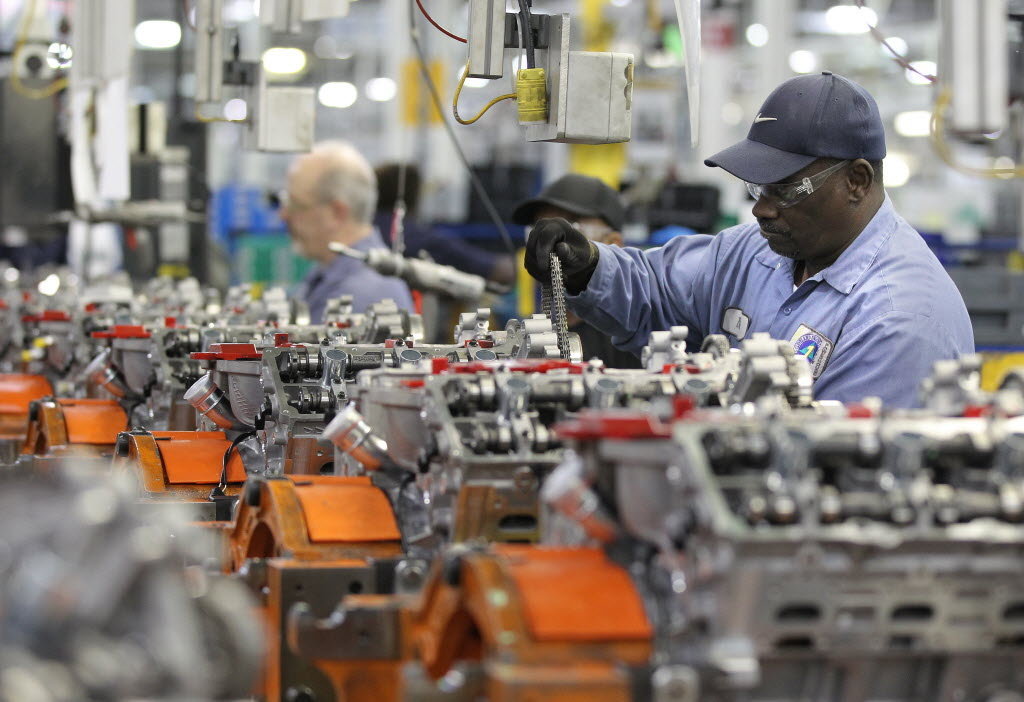
- Assemblers/Production Workers: Build products or subassemblies by following blueprints or schematics.
- Inspectors/Quality Control Analysts: Ensure products meet quality and safety standards.
- Maintenance Technicians: Perform routine maintenance and repairs on equipment.
- Warehouse Workers: Handle inventory, packaging, and shipping.
- Manufacturing Engineers: Design and develop manufacturing processes and equipment.
Top 10 Entry-Level Manufacturing Jobs
Here are some of the top entry-level jobs in the manufacturing industry that you can get:
- Manufacturing Engineer
- Quality Control Analyst
- Production Supervisor
- Manufacturing Technician
- Inventory Controller
- Welding Inspector
- Manufacturing Specialist
- Supply Chain Coordinator
- Manufacturing Planner
- Production Scheduler
Emerging Trends in the Manufacturing Industry
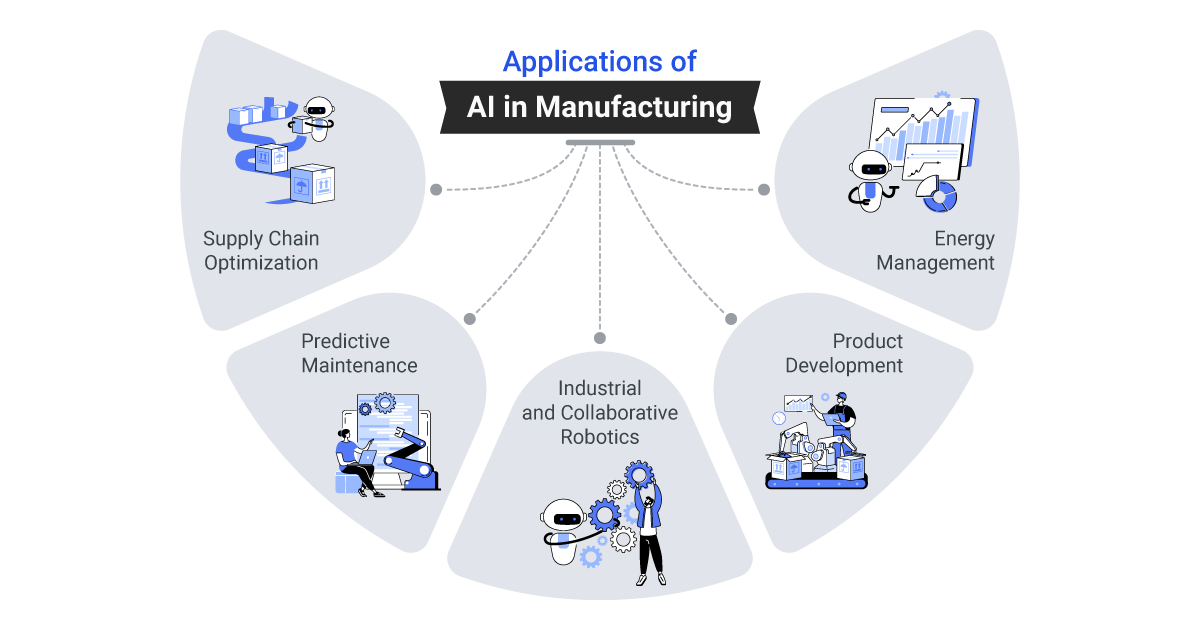
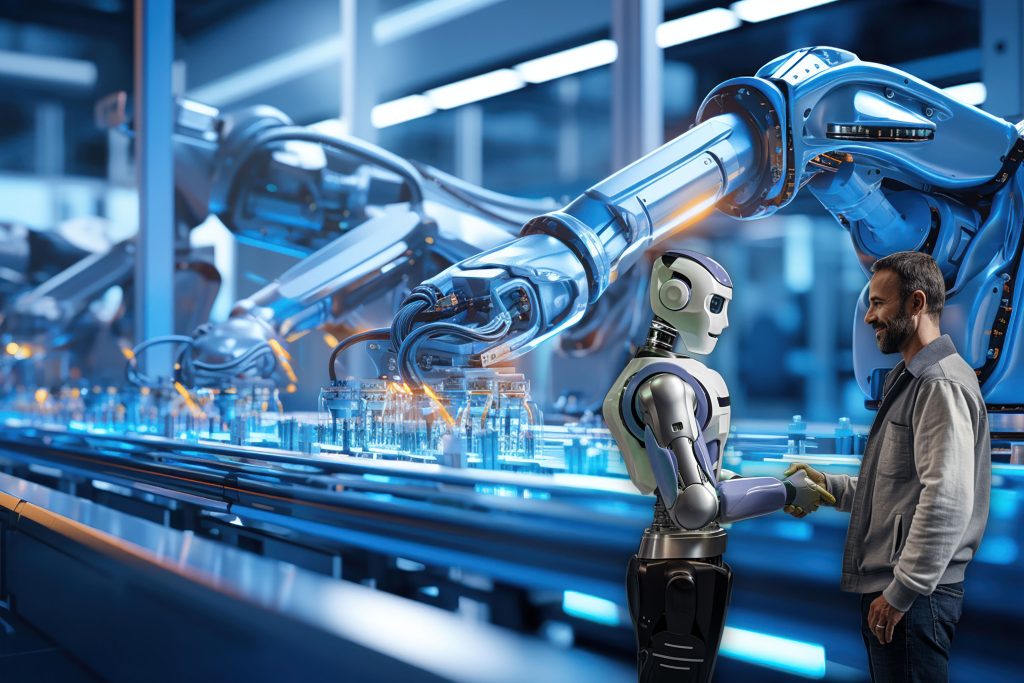
Modern manufacturing jobs are becoming increasingly specialized, and the industry is evolving fast, driven by automation and reshoring efforts. Discover key hiring trends and what employers and job seekers should know in today's competitive landscape.
Develop Your Skills: Training and Certifications for Manufacturing Jobs
To stand out in the competitive manufacturing industry job market, it's crucial to have the right skills and qualifications. Consider taking courses in fields such as engineering, machining, or welding. Leverage your professional network and get hired.
Conclusion
Getting a job in the manufacturing industry requires the right education, training, and skills. By understanding the industry, developing essential skills, and utilizing effective job search strategies, you can launch your career in this fast-growing and ever-changing field. Don't settle for a less-than-ideal job; explore the various job options available to you and find your ideal career path.

:max_bytes(150000):strip_icc()/Americasmanufacturingjobs-4cc9c6ff8e744409a7e83ad0ceb26853.jpg "4 Steps to Start or Switch to a Successful Career in Manufacturing")