Prevention of Smartphone Addiction Phubbing: Understanding the Risks and Protecting Your Relationships
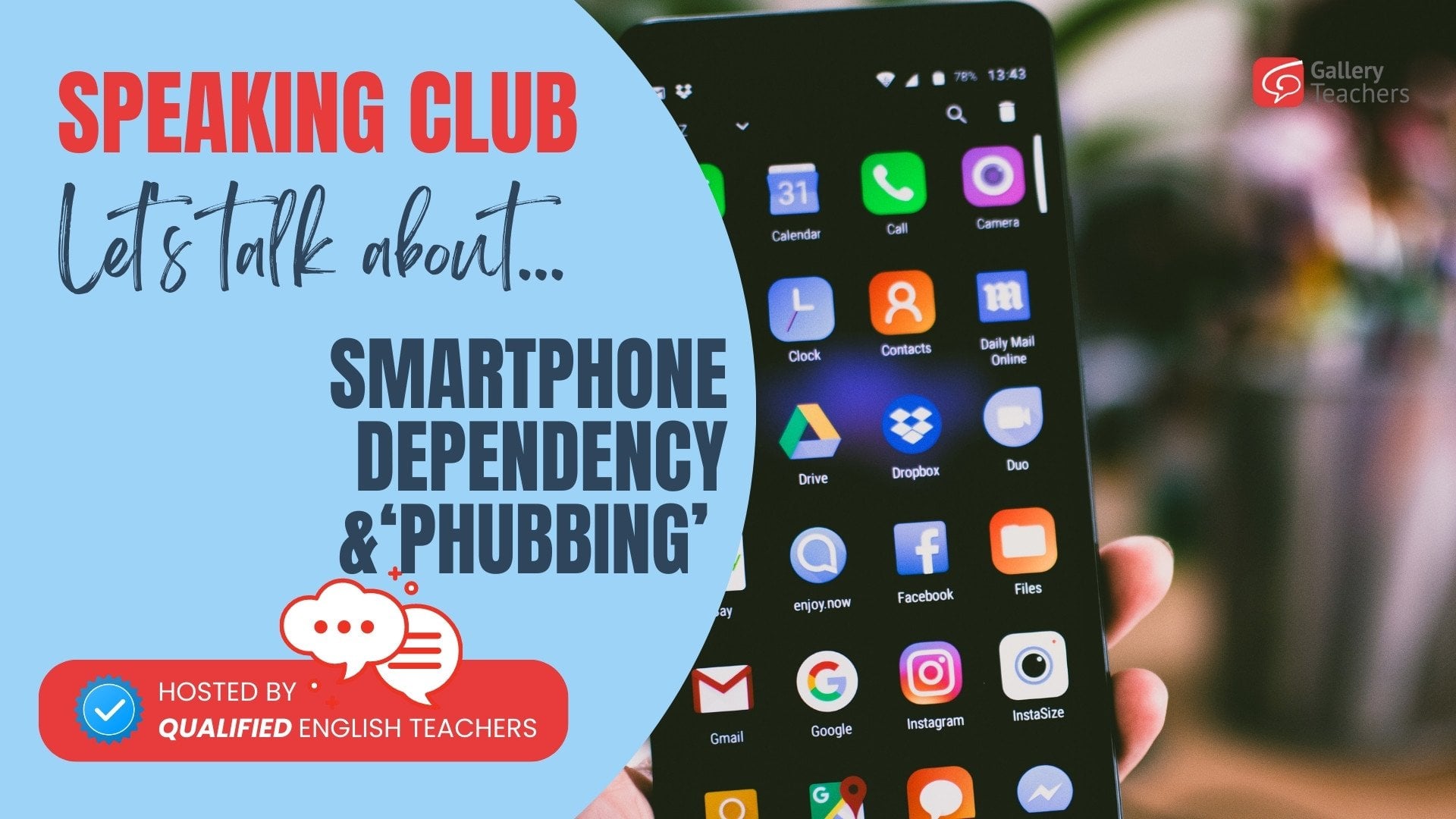
Smartphone addiction and phubbing (phone snubbing) have become significant concerns in today's digital age. Phubbing, in particular, refers to the act of ignoring people in one's immediate surroundings by focusing attention on a smartphone. This behavior has been linked to a range of negative consequences, including weakened social interactions, deteriorated relationships, and increased mental health risks.
Understanding the Risks of Phubbing
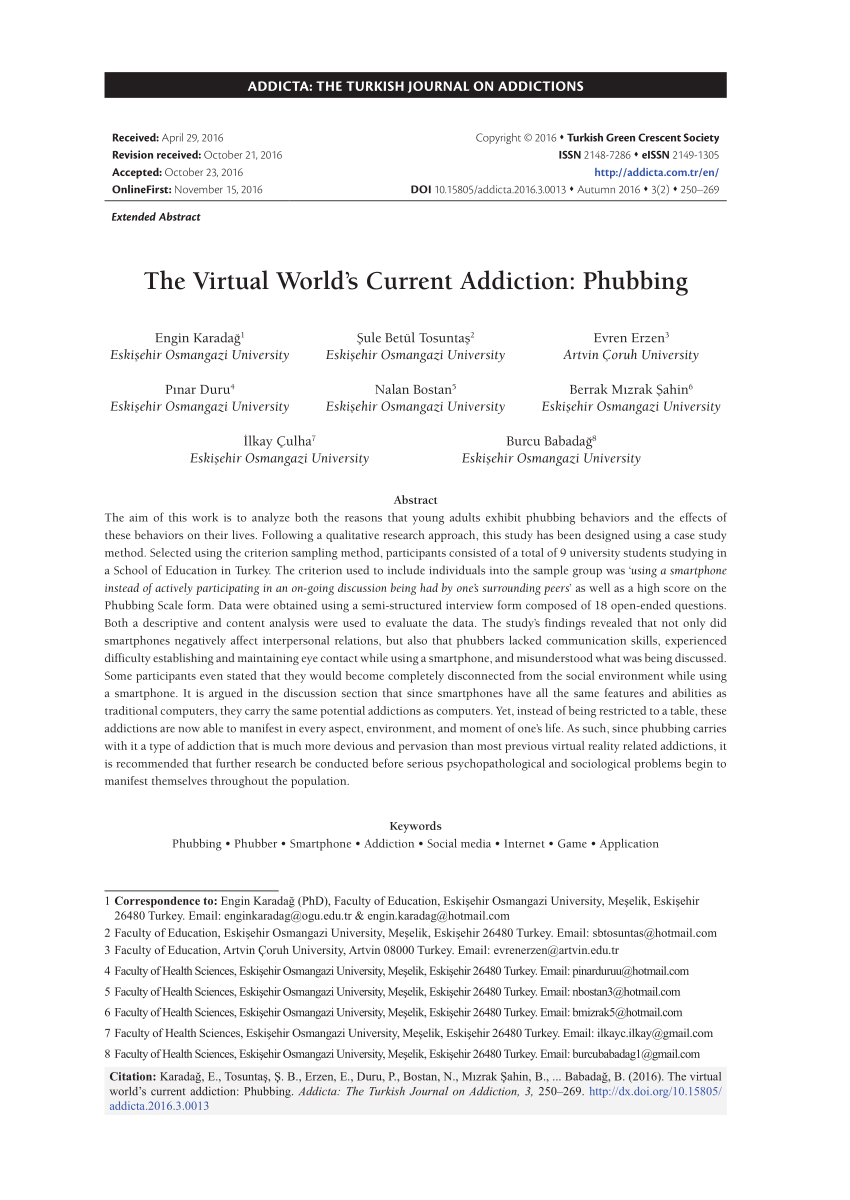
Research has identified various factors that contribute to phubbing behavior, including smartphone addiction, fear of missing out (FOMO), and social anxiety. The need to constantly check notifications, likes, and messages can be irresistible, leading individuals to prioritize their smartphones over real-life interactions. This can have severe consequences, such as strained relationships, decreased empathy, and increased feelings of loneliness.
Risk Factors for Smartphone Addiction Phubbing
Studies have shown that certain factors increase the risk of smartphone addiction phubbing, including:
- Smartphone addiction: Excessive smartphone use can lead to addiction, which in turn increases the likelihood of phubbing.
- Fear of missing out (FOMO): The constant need to stay connected and stay up-to-date with social media can lead individuals to prioritize their smartphones over real-life interactions.
- Self-control: Individuals with low self-control may be more susceptible to the temptation of smartphones, increasing the risk of phubbing.
- Depression and social anxiety: These mental health conditions can contribute to an increased reliance on smartphones, leading to phubbing behavior.
- Social media addiction: The addictive nature of social media can further exacerbate phubbing behavior, as individuals become increasingly fixated on their smartphones.

Prevention Strategies for Smartphone Addiction Phubbing
While smartphone addiction phubbing is a complex issue, there are steps that can be taken to prevent and mitigate its effects:
- Schedule digital-free time: Establishing designated times for smartphone use can help individuals avoid excessive screen time and prioritize real-life interactions.
- Set boundaries: Communicate with family and friends about smartphone use and establish boundaries to prevent phubbing.
- Practice self-control: Developing self-regulation skills can help individuals resist the temptation of smartphones and engage in more fulfilling activities.
- Seek support: If smartphone addiction phubbing is impacting relationships or mental health, seek support from mental health professionals or support groups.
- Engage in alternative activities: Prioritize real-life interactions and engagement in activities that promote social connections and empathy.
Conclusion
Preventing smartphone addiction phubbing requires a comprehensive understanding of its risks and the implementation of effective prevention strategies. By being aware of the factors that contribute to phubbing behavior and taking proactive steps to mitigate its effects, individuals can preserve their relationships and promote healthier smartphone use habits.