Protect Online Personal Space: Safeguard Your Data and Privacy
With the increasing reliance on the internet for various aspects of life, protecting personal space online has become a pressing concern. The ease with which personal information is shared online has led to a surge in identity theft, data breaches, and online harassment. It is essential to take proactive steps to safeguard your online personal space and maintain control over your data and privacy.
Understanding Online Personal Space
Online personal space refers to the areas of the internet where individuals store and share personal information. This includes social media profiles, email accounts, online banking details, and other digital platforms. The key to protecting your online personal space is to be aware of how your information is being shared and used.
Threats to Online Personal Space
- Identity Theft: Personal information such as passwords, credit card numbers, and social security numbers can be stolen and used for malicious purposes.
- Data Breaches: Hackers can gain unauthorized access to sensitive information stored online, including personal and financial data.
- Online Harassment: The anonymity of the internet can make it difficult to track down individuals who engage in online harassment and cyberbullying.
Protecting Online Personal Space
To safeguard your online personal space, follow these essential steps:
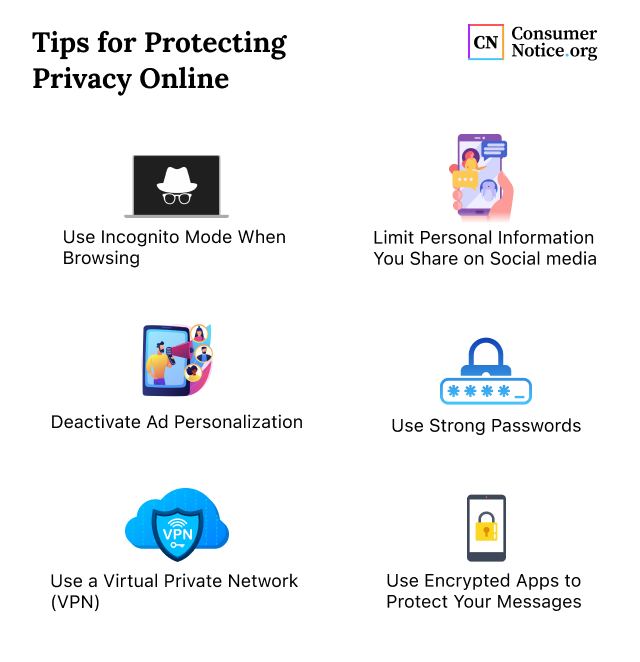
1. Use Strong Passwords and Authentication
Using strong and unique passwords for each online account is crucial to prevent unauthorized access. Additionally, enable two-factor authentication to add an extra layer of security.
2. Be Cautious with Social Media
Be mindful of the information you share on social media platforms, and limit access to sensitive information. Avoid sharing personal details such as your address, phone number, or financial information.
3. Use a VPN to Encrypt Your Internet Connection
Virtual Private Networks (VPNs) encrypt your internet connection, making it difficult for hackers to intercept and access your personal data.
4. Regularly Monitor Your Online Accounts
Regularly check your online accounts for any suspicious activity, and report any irregularities to the relevant authorities.
5. Use Antivirus Software and Firewalls
Install reputable antivirus software and firewalls to protect your devices from malware and unauthorized access.
6. Use Encryption Tools
Use encryption tools, such as full disk encryption, to safeguard your personal data stored on your devices.
7. Limit Sharing of Personal Data
Refuse to share personal data unless absolutely necessary, and be cautious when filling out online forms.
Conclusion
Protecting online personal space is a crucial aspect of maintaining digital security and privacy. By understanding the threats to online personal space and following the essential steps to safeguard it, individuals can safely navigate the digital world. Remember, protecting online personal space is an ongoing process that requires constant vigilance and proactive measures.
Additional Resources
For more information on protecting online personal space, visit the following resources:
- FTC.gov/YourPrivacy: Your guide to protecting your privacy online.
- LifeLock: A service that detects and removes exposed personal information from public data broker websites.
- Consumer Reports: Easy, effective solutions to protect your privacy and prevent hackers and intrusive companies from capturing your data.