Staying Safe Online: A Guide to Secure Domestic Safety
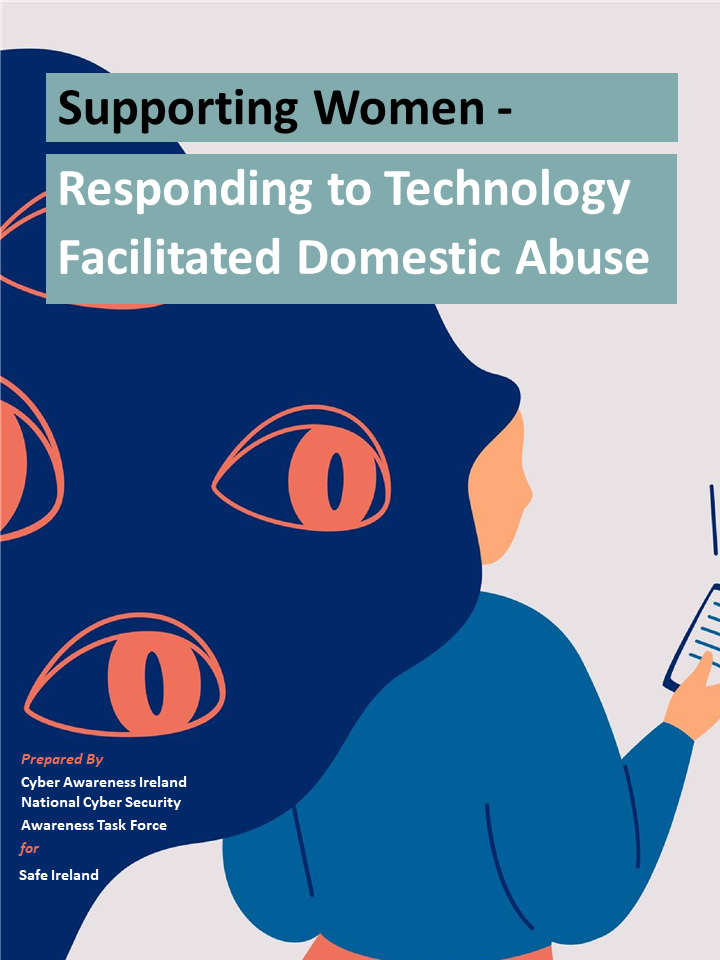
In today's digital age, technology has become an integral part of our lives. However, for survivors of domestic abuse, technology can also be a tool used by perpetrators to abuse and control their victims. In this article, we will discuss the importance of online domestic safety and provide tips on how to secure your online presence.
Understanding Secure Online Domestic Safety
Secure online domestic safety refers to the measures taken to protect oneself from online threats, including tech-facilitated abuse, stalkerware, and digital surveillance. It involves securing devices, managing online presence, and protecting communications. This is particularly important for survivors of domestic abuse, who may be at risk of being tracked, monitored, or harassed by their partners or ex-partners online.
Why Online Safety Matters
- According to the National Domestic Violence Hotline, intimate partner violence has taken new forms, including access to private information, control over online accounts, and the use of electronic devices to track one's whereabouts.
- Abusive partners and perpetrators often use technology to monitor and control their victims, causing emotional distress and trauma.
- Secure online domestic safety is essential for protecting one's identity, personal information, and online communications from being accessed or manipulated by others.
- By taking steps to secure online domestic safety, individuals can reduce their risk of being targeted by abusers and maintain their online presence in a safe and secure manner.
Securing Devices and Online Presence
Securing devices and online presence is a crucial step in maintaining online domestic safety. Here are some tips to get you started:
- Passwords and Authenticators: Use strong, unique passwords and authenticators for all online accounts. Avoid using the same password for multiple accounts, and consider using a password manager to store and generate complex passwords.
- Biometric Security: Use biometric security features, such as fingerprint or face recognition, to add an extra layer of protection to your devices.
- Device Encryption: Enable device encryption to protect your data in case your device is lost, stolen, or accessed by someone else.
- Regular Software Updates: Keep your operating system, browser, and other software up to date with the latest security patches and updates.
- Network Security: Use a secure network, such as a virtual private network (VPN), to protect your online communications and data from being intercepted or monitored.
Additional Safety Measures
In addition to securing devices and online presence, there are several other safety measures you can take to protect yourself online:
- Online Safety Checklist: Use online safety checklists, such as the ones provided by the National Domestic Violence Hotline or the National Network to End Domestic Violence, to assess your online safety and identify potential vulnerabilities.
- Social Media Safety: Be mindful of your social media safety and take steps to protect your online identity and communications. Consider using a pseudonym or alias to maintain anonymity, and avoid sharing personal information or location data online.
- Communication Safety: When communicating with others online, use secure channels, such as encrypted messaging apps or email services, to protect your conversations from being intercepted or monitored.
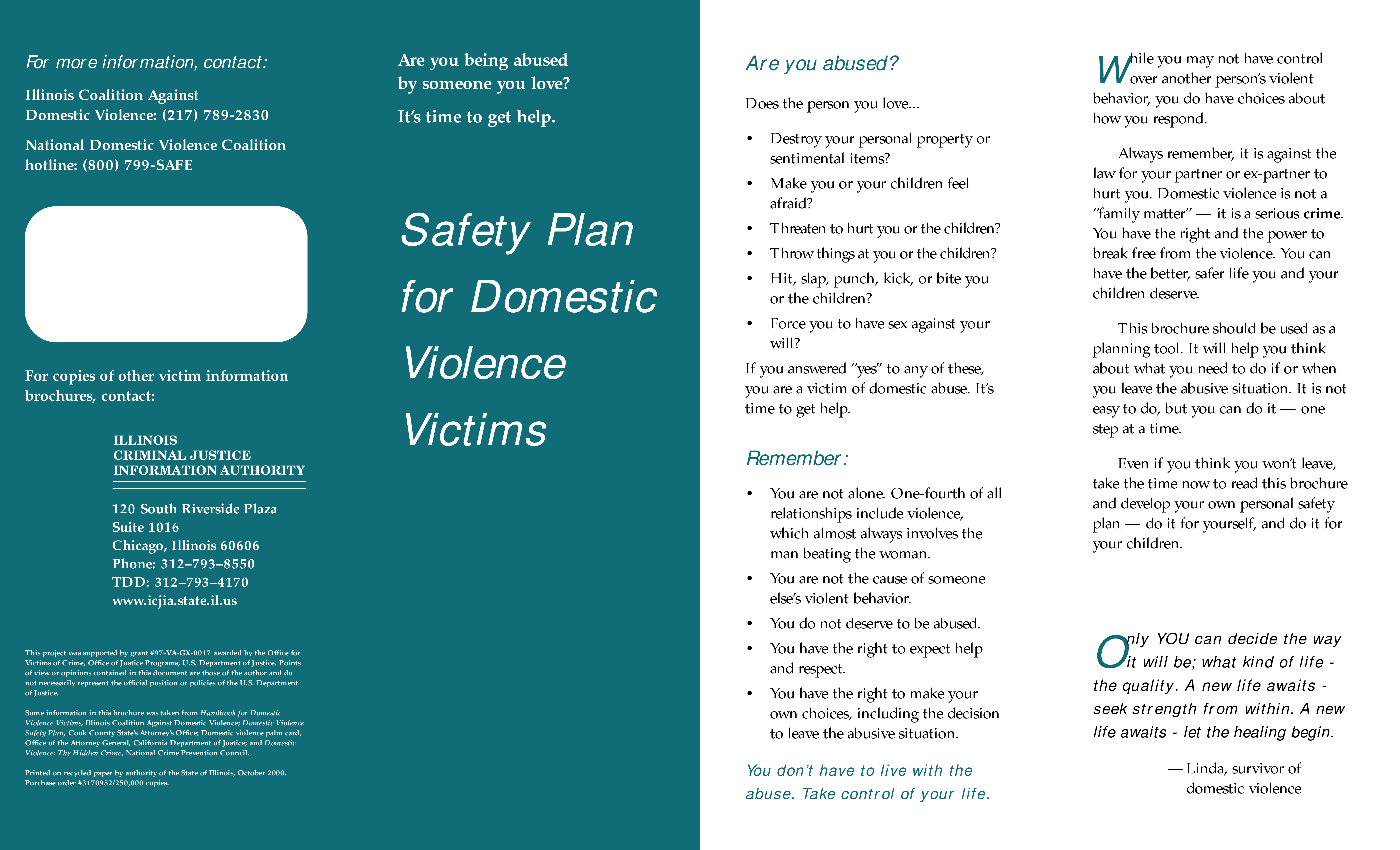
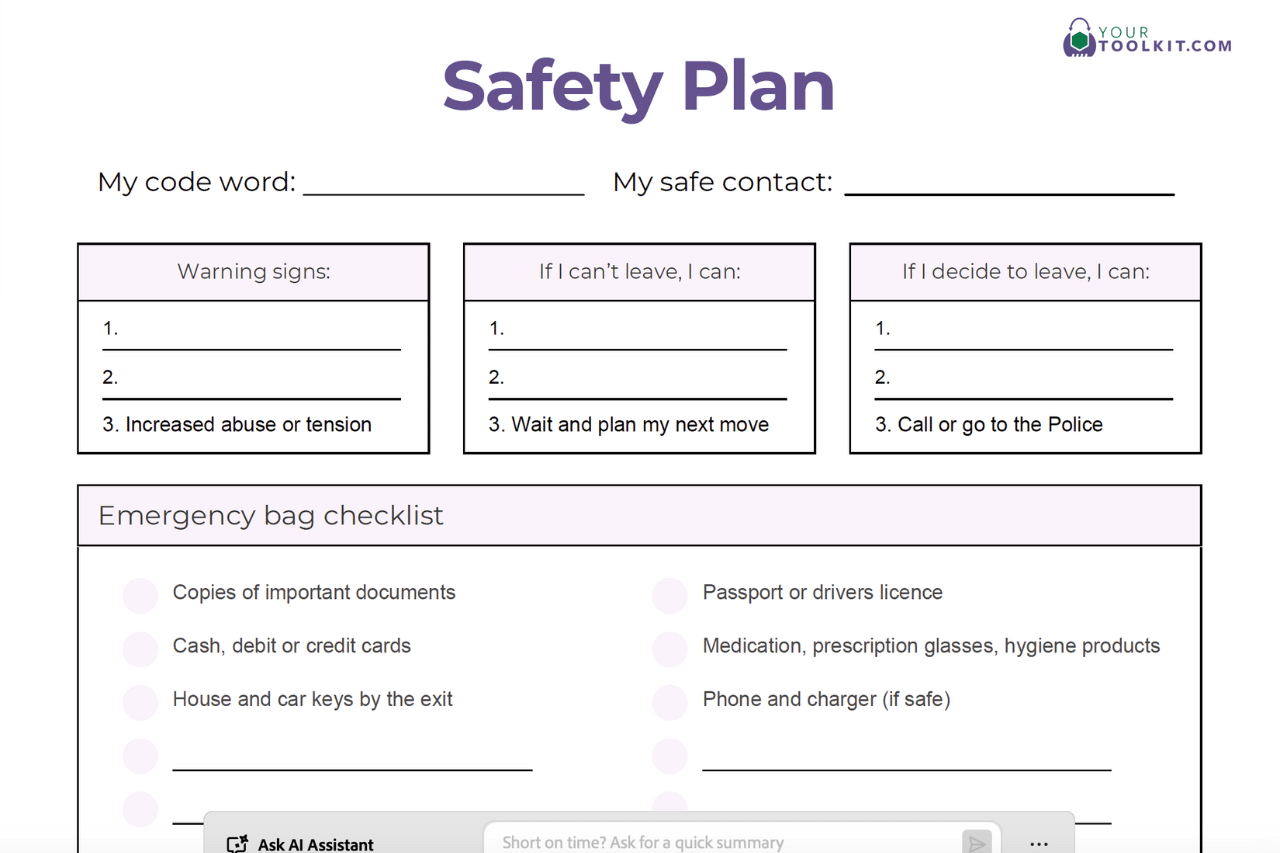
- Emergency Planning: Develop an online safety plan in case of an emergency, including contact information for trusted friends and family members, and a plan for quickly disconnecting from social media and other online services.
Getting Support and Resources
If you're experiencing domestic abuse or are concerned about your online safety, there are many resources available to help:
- National Domestic Violence Hotline: Contact the National Domestic Violence Hotline at 1-800-799-7233 or visit their website at https://www.thehotline.org/ for confidential support and resources.
- National Network to End Domestic Violence: Visit the National Network to End Domestic Violence website at https://nnedv.org/ for information on online safety, domestic violence, and resources for survivors.
- MyPlan: Download the MyPlan app to create a personalized safety plan and connect with local resources and support services.
- Aura: Contact Aura, an intelligent safety company, for personalized safety advice and support services.