Understanding Single Member LLC Income Tax: A Comprehensive Guide
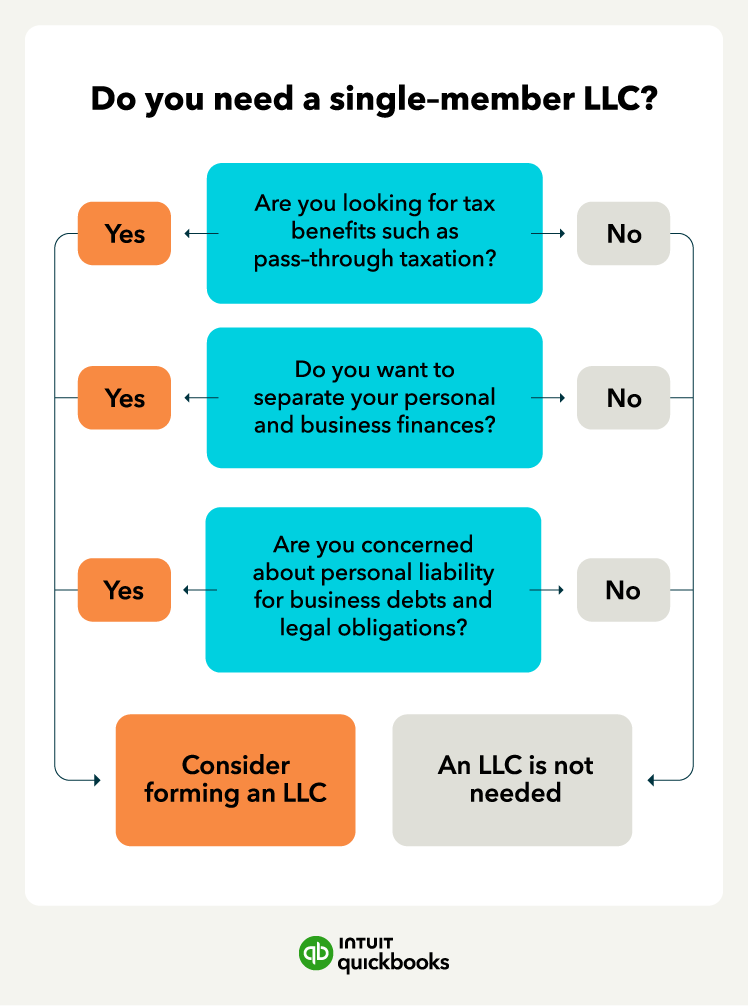
As a business owner of a single-member LLC, understanding the intricacies of single member LLC income tax is crucial to optimize your tax strategy and minimize your tax liability. In this article, we will delve into the world of single-member LLC income tax, exploring its classification, tax obligations, reporting requirements, and more.Classification of Single Member LLCs
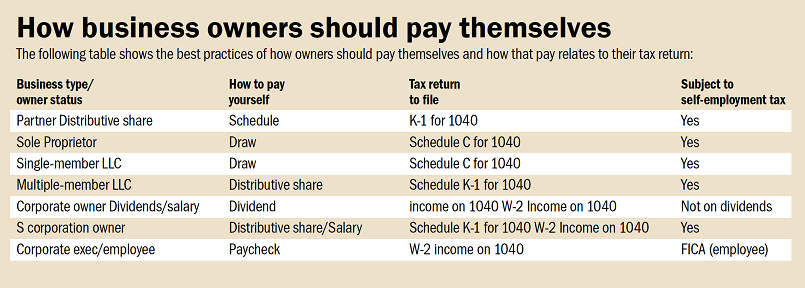
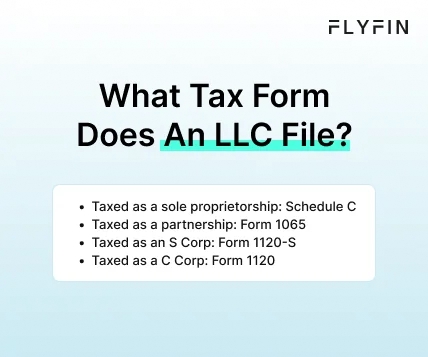
By default, a single-member LLC is taxed as a disregarded entity for federal income tax purposes, meaning it is treated as a sole proprietorship. This classification means that the LLC does not pay taxes separately from its owner, and the business income and expenses pass through to the owner's personal tax return. However, as a single-member LLC can elect to be taxed as a corporation or S corporation, it is essential to understand the implications of each classification on your tax obligations.Tax Obligations of Single Member LLCs
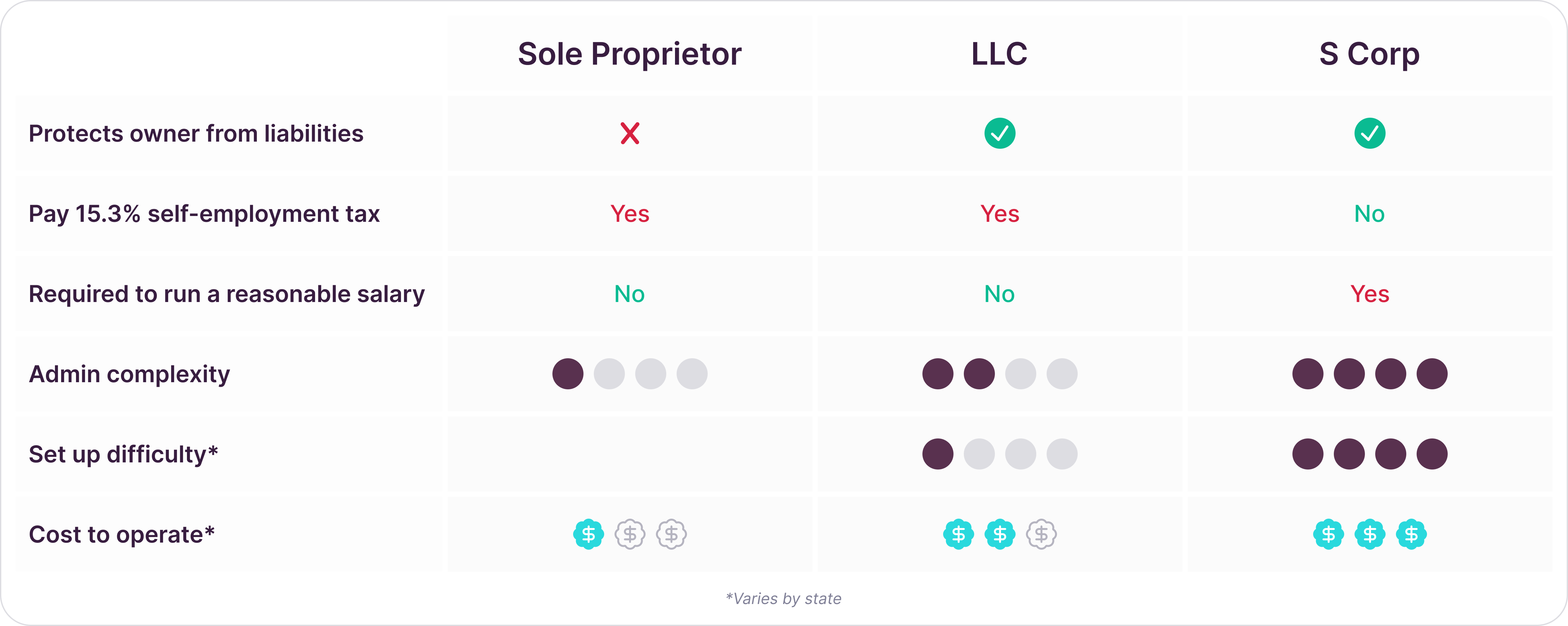
As a single-member LLC, you are responsible for paying self-employment taxes (Social Security and Medicare) and federal and state income taxes on your business income. The self-employment tax rate is 15.3%, which can amount to a significant tax burden. However, by claiming deductible business expenses, you can directly lower your taxable income, reducing your self-employment tax obligations and overall tax liability.Reporting Requirements for Single Member LLCs
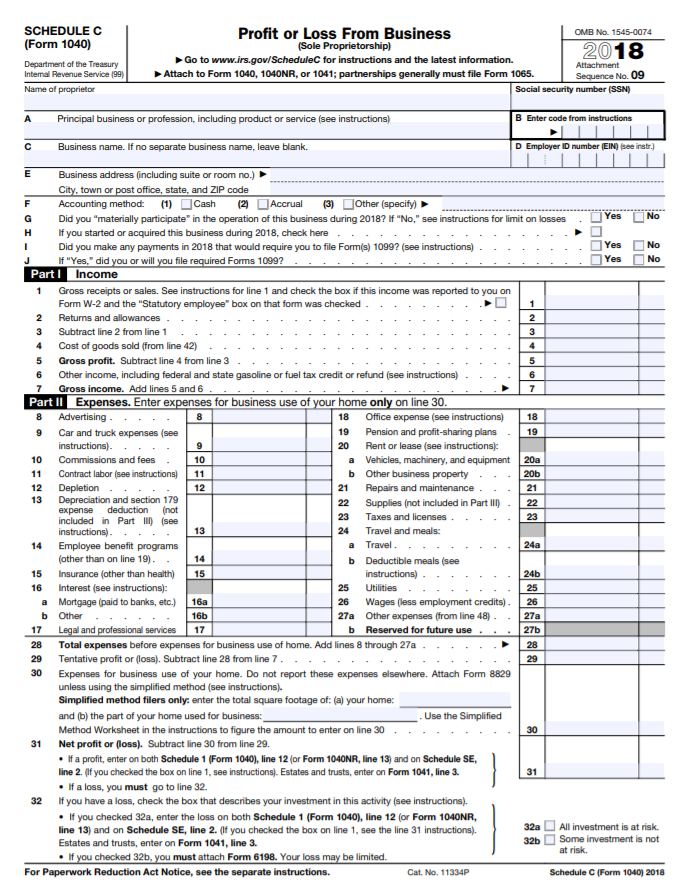
As a single-member LLC, you will report your business income and expenses on Schedule C, accompanied by Form 1040, your personal income tax return. Additionally, if your net earnings from self-employment exceed $400, you will need to file Schedule SE with your personal income tax return.Electing Corporate Taxation for Single Member LLCs
One of the advantages of owning a single-member LLC is the flexibility to elect corporate taxation. This means that your LLC can be taxed as a corporation, allowing you to potentially reduce your self-employment tax liability. However, this also means you will be subject to stricter corporate tax rules and regulations, so it's essential to weigh the pros and cons before making an election.Deductions and Credits for Single Member LLCs
- Business expenses, such as rent, utilities, and equipment
- Home office expenses
- Travel expenses
- Education expenses
- Business use of your car
- Health insurance premiums
- Retirement plan contributions
- Equipment depreciation
Conclusion
As a single-member LLC owner, it is essential to understand the intricacies of single member LLC income tax to optimize your tax strategy and minimize your tax liability. By grasping the classification, tax obligations, reporting requirements, and deductions available to you, you can make informed decisions to benefit your business and personal finances.Additional Resources
If you are unsure about specific tax requirements or need assistance with your tax return, consider consulting a tax professional or accountant who can provide guidance tailored to your situation. Additionally, stay up-to-date with the latest tax laws and regulations by visiting the IRS website or seeking continuing education opportunities.Filing Tax Forms
Some common tax forms used by single-member LLCs include:- Form 1040: Personal income tax return
- Schedule C: Business income and expenses
- Schedule SE: Self-employment tax
- Form W-9: Request for taxpayer identification number and certification