Sleep Disruption: Causes, Consequences, and Solutions for Better Rest
Sleep plays a vital role in brain function and systemic physiology across many body systems. However, problems with sleep are widely prevalent, including deficits in quantity and quality of sleep, collectively referred to as sleep disruptions. Numerous factors contribute to sleep disruption, ranging from lifestyle and environmental factors to sleep disorders. In this article, we will explore the causes, consequences, and solutions for addressing sleep disruption.
What is Sleep Disruption?
Sleep disruption refers to the difficulty in falling asleep, staying asleep, or waking up feeling rested and refreshed. This can have a significant impact on an individual's energy, mood, focus, and overall well-being. Sleep disruption is more than an occasional restless night; it is an ongoing difficulty with regular sleep patterns.
Causes of Sleep Disruption
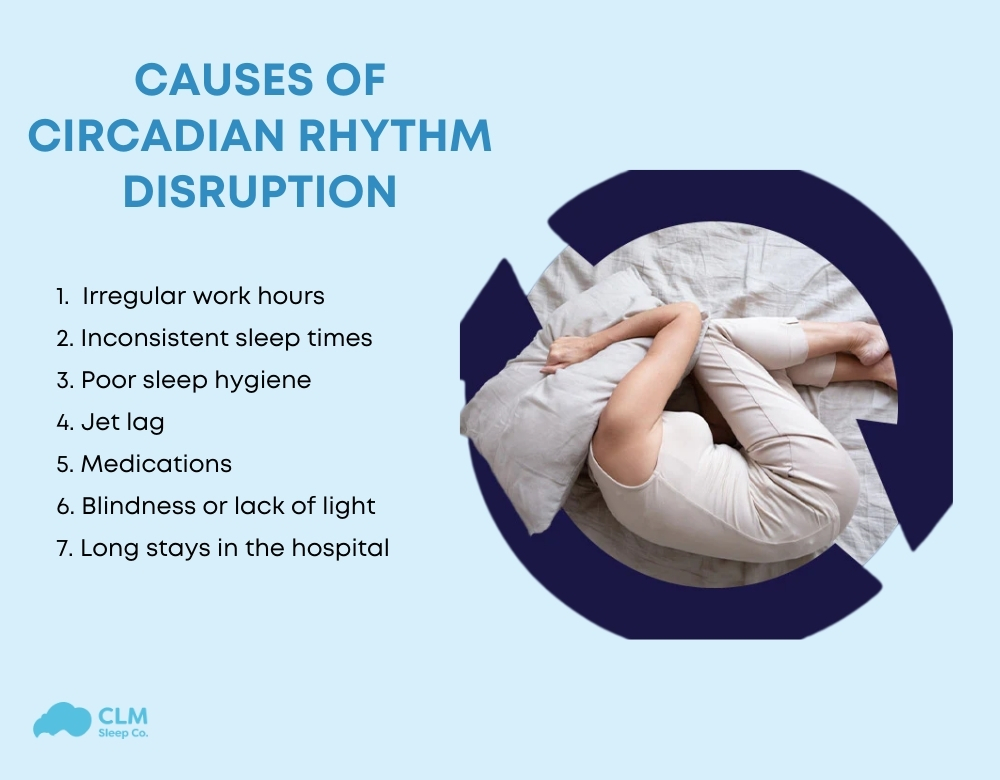
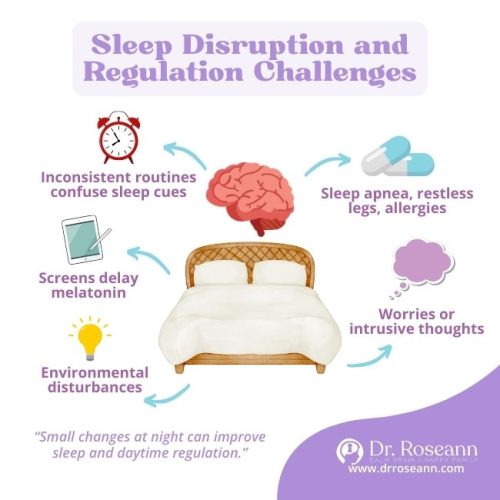
- Lifestyle Factors: Irregular sleep schedules, shift work, and stimulating activities before bedtime can all contribute to sleep disruption.
- Environmental Factors: Noise, light, and an uncomfortable sleep environment can also disrupt sleep.
- Sleep Disorders: Insomnia, sleep apnea, restless legs syndrome, and sleep bruxism are just a few examples of sleep disorders that can cause sleep disruption.
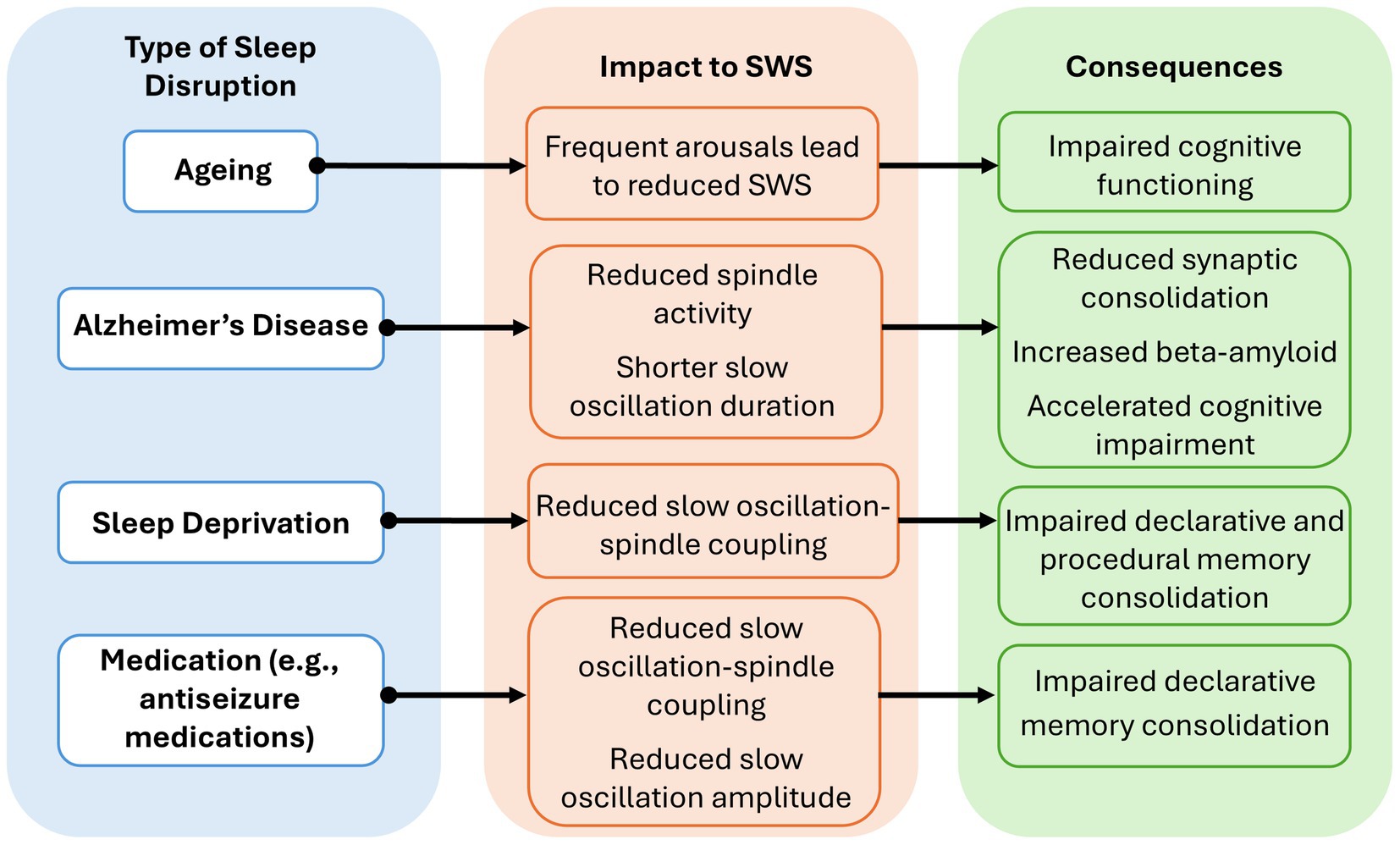
- Age and Health: As we age, our brains become more sensitive to everyday stressors, leading to increased sleep disruptions. Chronic health conditions, such as diabetes and hypertension, can also impact sleep quality.
Consequences of Sleep Disruption
Sleep disruption can have serious consequences on an individual's physical and mental health. Some of the potential consequences include:
- Increased Risk of Chronic Diseases: Sleep disruption has been linked to an increased risk of chronic diseases, such as diabetes, hypertension, and cardiovascular disease.
- Impaired Cognitive Function: Sleep disruption can affect attention, memory, and decision-making skills, leading to impaired cognitive function.
- Mood Disorders: Sleep disruption can contribute to the development of mood disorders, such as depression and anxiety.
- Reduced Productivity: Sleep disruption can impact work performance, leading to reduced productivity and decreased job satisfaction.
Solutions for Sleep Disruption
Addressing sleep disruption requires a comprehensive approach that considers individual needs and circumstances. Some strategies for improving sleep quality include:
- Establish a Consistent Sleep Schedule: Set a regular sleep schedule and stick to it, even on weekends.
- Create a Sleep-Conducive Environment: Make your sleep environment comfortable, quiet, and dark.
- Avoid Stimulating Activities Before Bedtime: Avoid engaging in stimulating activities, such as watching TV or scrolling through your phone, before bedtime.
- Practice Relaxation Techniques: Engage in relaxation techniques, such as deep breathing, progressive muscle relaxation, or mindfulness meditation, to help calm your mind and body before sleep.
- Seek Professional Help: If you continue to experience sleep disruption, consider seeking help from a healthcare professional or a sleep specialist.
Conclusion
Sleep disruption is a common problem that can have significant consequences on an individual's physical and mental health. By understanding the causes, consequences, and solutions for sleep disruption, individuals can take steps to improve their sleep quality and overall well-being. If you are experiencing sleep disruption, don't hesitate to seek help from a healthcare professional or a sleep specialist.
Remember, sleep is a vital component of our overall health, and addressing sleep disruption requires a comprehensive approach that considers individual needs and circumstances.
For more information on sleep disorders and sleep disruption, please visit our website at [insert website URL].

:max_bytes(150000):strip_icc()/Health-Sleep-Disorders-GettyImages-1455777191-BLUE-horiz-d240b58860bd457a83ed710700ed23d7.jpg "Sleep disorders - Symptoms and causes - Mayo Clinic")
:max_bytes(150000):strip_icc()/insomniasymptoms-GettyImages-1387956619-62478684598649af9cbd435efd0d8f8b.jpg "Sleep Disruption: Causes, Symptoms, and Effective Management Strategies")