Attention Overload Syndrome: Understanding the Impact of Overstimulation
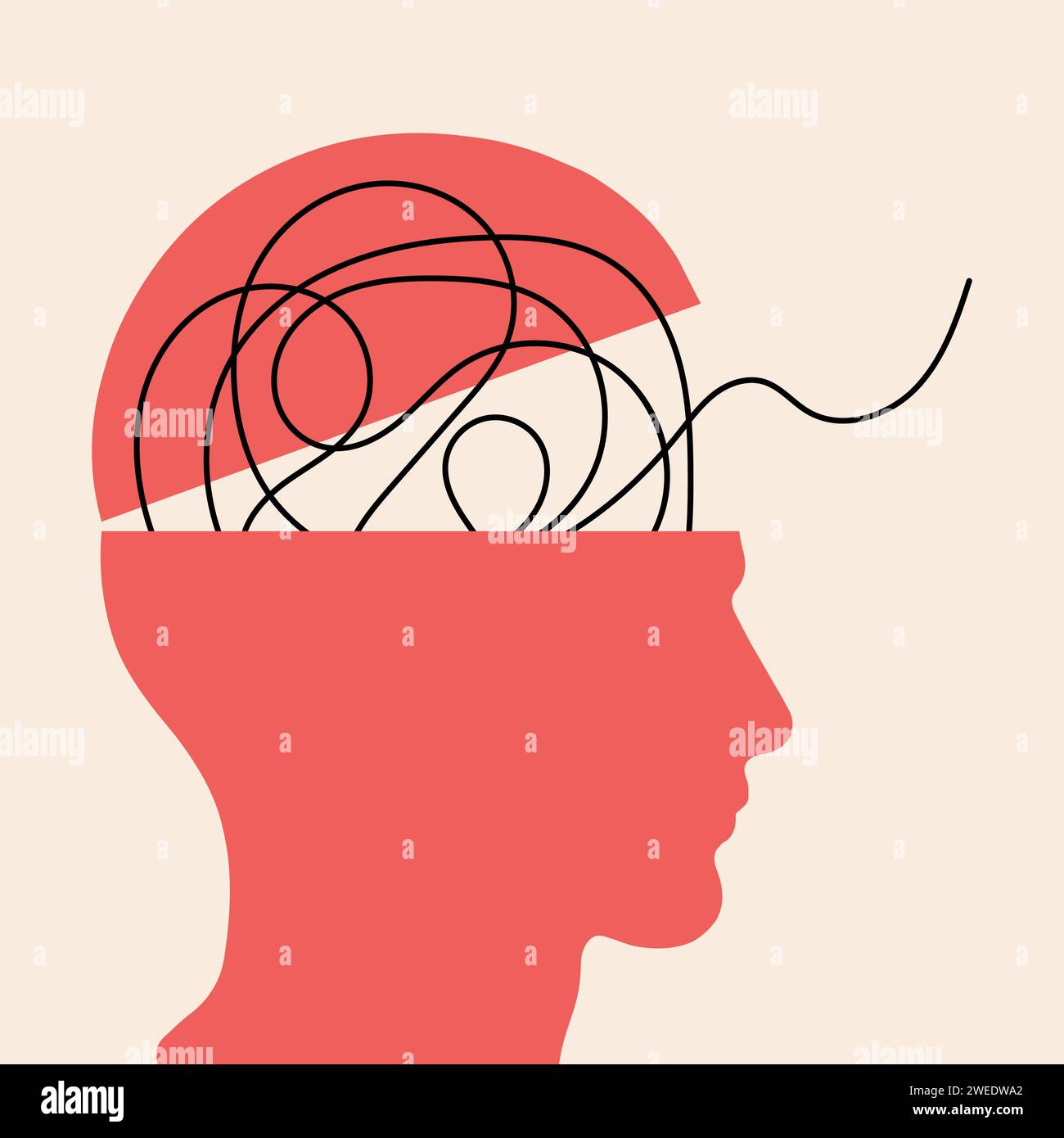
Attention overload syndrome is a state of heightened sensory, cognitive, or emotional arousal that can occur when an individual is exposed to an overwhelming amount of information or stimuli.
What is Attention Overload Syndrome?
Attention overload syndrome is a common experience for individuals with attention deficit hyperactivity disorder (ADHD), but it can also affect anyone who is subjected to excessive sensory input. This can include noise, light, activity, or even emotional stimuli, which can be particularly challenging for individuals with ADHD.
Causes of Attention Overload Syndrome
The causes of attention overload syndrome are complex and multifaceted. For individuals with ADHD, the brain's inability to filter out sensory input can contribute to the experience of sensory overload. This can be due to a variety of factors, including:
Executive dysfunction: Individuals with ADHD often struggle with executive functioning skills, which include planning, organization, and self-regulation. This can lead to difficulties in managing sensory input and dealing with stress.
Neurotransmitter imbalance: ADHD is often associated with an imbalance of neurotransmitters, such as dopamine and norepinephrine, which play a role in regulating attention and impulse control.
Environmental factors: Environmental factors, such as noise, light, or other forms of stimulation, can contribute to the experience of attention overload syndrome.
Symptoms of Attention Overload Syndrome
The symptoms of attention overload syndrome can vary from person to person, but some common experiences include:
Overwhelming sensory input: A bombardment of sensory information, including sights, sounds, and textures, can cause feelings of anxiety, stress, and overwhelm.
Difficulty paying attention: When faced with excessive sensory input, individuals may struggle to focus and concentrate, leading to difficulties with cognitive tasks and daily activities.
Hyper-reactivity: Some individuals may experience hyper-reactivity to certain stimuli, leading to overreactions or extreme emotional responses.
Dizziness and lightheadedness: Physical symptoms, such as dizziness and lightheadedness, can occur in response to excessive sensory input.
Strategies for Managing Attention Overload Syndrome

While attention overload syndrome can be challenging to manage, there are several strategies that individuals can use to cope with the experience:
Self-regulation techniques: Self-regulation techniques, such as mindfulness, deep breathing, and physical exercise, can help individuals manage stress and anxiety.
Environmental modifications: Making changes to the environment, such as reducing noise levels or using visual aids, can help to mitigate sensory overload.
Communication strategies: Developing effective communication strategies, such as setting boundaries or using assertive communication, can help individuals express their needs and feelings more effectively.
Conclusion
Attention overload syndrome is a complex and multifaceted experience that can have a significant impact on daily life. By understanding the causes, symptoms, and strategies for managing attention overload syndrome, individuals can better cope with the experience and improve their overall quality of life.
Ways to Reduce Attention Overload Syndrome
Ways to reduce attention overload syndrome include:
Practicing self-regulation techniques, such as deep breathing, mindfulness, and physical exercise
Making environmental modifications, such as reducing noise levels or using visual aids
Developing effective communication strategies, such as setting boundaries or using assertive communication
Resources
For more information on attention overload syndrome, please visit the following resources: