Improving Attention Span through Meditation: Boosting Concentration and Focus
In today's fast-paced world, maintaining a strong attention span is essential for both personal and professional success. The constant barrage of distractions, notifications, and multitasking has led to a significant decline in our ability to focus on a single task for an extended period. However, there is a proven method for enhancing concentration and improving attention span: meditation.
The Benefits of Meditation for Attention Span
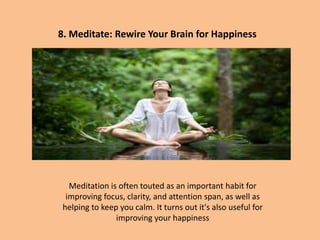
Meditation has been shown to improve attention span by training the mind to achieve a state of clarity and mental acuity. Regular meditation practice has been linked to increased attentional resources, allowing individuals to focus on tasks without getting distracted. By incorporating meditation into our daily lives, we can enhance memory, cognitive function, and overall mental well-being.
The Science Behind Meditation and Attention
Research has found that mindfulness meditation training improves executive attention. Event-related potentials (ERPs) have indicated that this effect could be driven by more efficient allocation of resources on demanding attentional tasks. Moreover, a study in Boston found that ongoing meditation strengthened the cerebral cortex of its participants' brains, leading to improved attention span and memory.
Types of Meditation for Improving Attention Span
There are various meditation techniques that can help improve mental focus and concentration. Some of the most effective types of meditation for attention span include:
- Mindfulness meditation: Focuses on paying close attention to the present moment without judgment.
- Focused meditation: Involves concentrating on a single object, such as the breath, to achieve a state of mental clarity.
- Guided meditation: Uses visualization, breathing techniques, or gentle guidance to help individuals focus and relax.

How to Improve Attention Span through Meditation
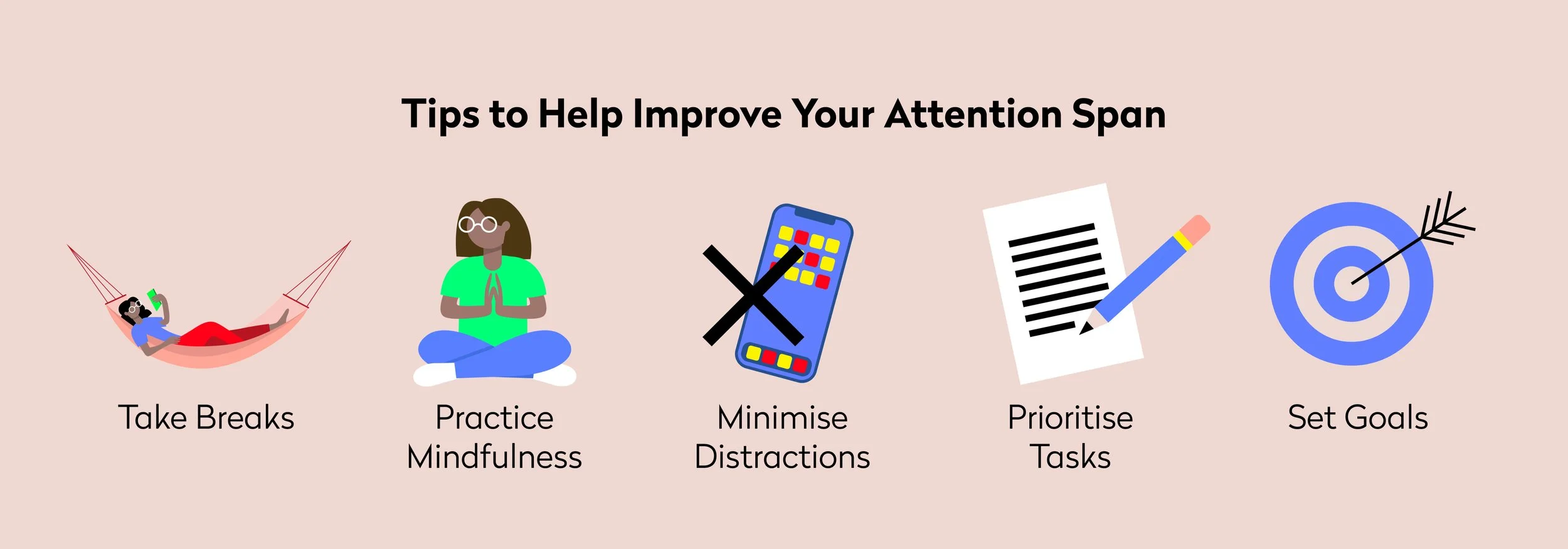
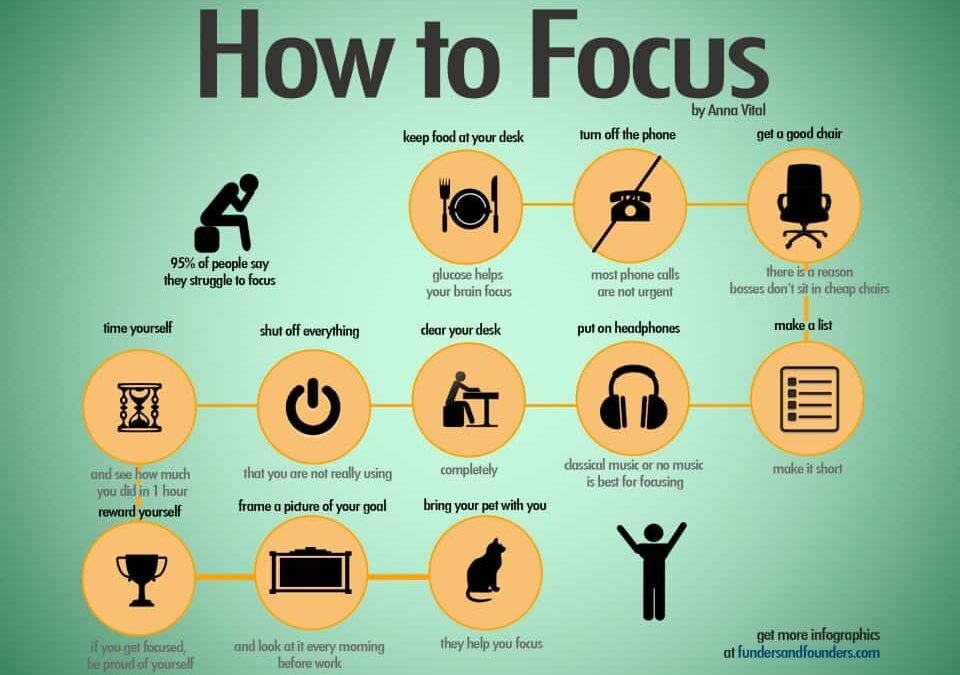
Improving attention span through meditation requires regular practice and consistency. Here are some tips to get you started:
- Start with short sessions (5-10 minutes) and gradually increase the duration as you become more comfortable with the practice.
- Choose a quiet and comfortable space to meditate, free from distractions.
- Focus on your breath, a mantra, or a physical sensation in your body to maintain attention.
- Be patient and kind to yourself, as meditation is a skill that takes time to develop.
Conclusion
In conclusion, meditation is a powerful tool for improving attention span and concentration. By incorporating meditation into our daily lives, we can enhance cognitive function, memory, and overall mental well-being. Whether you're looking to boost productivity, reduce stress, or simply improve your ability to focus, meditation is a worthwhile investment in your mental health and well-being.
Additional Resources
For those new to meditation, here are some additional resources to get you started: