Blue Light and Melatonin Production: Understanding the Effects
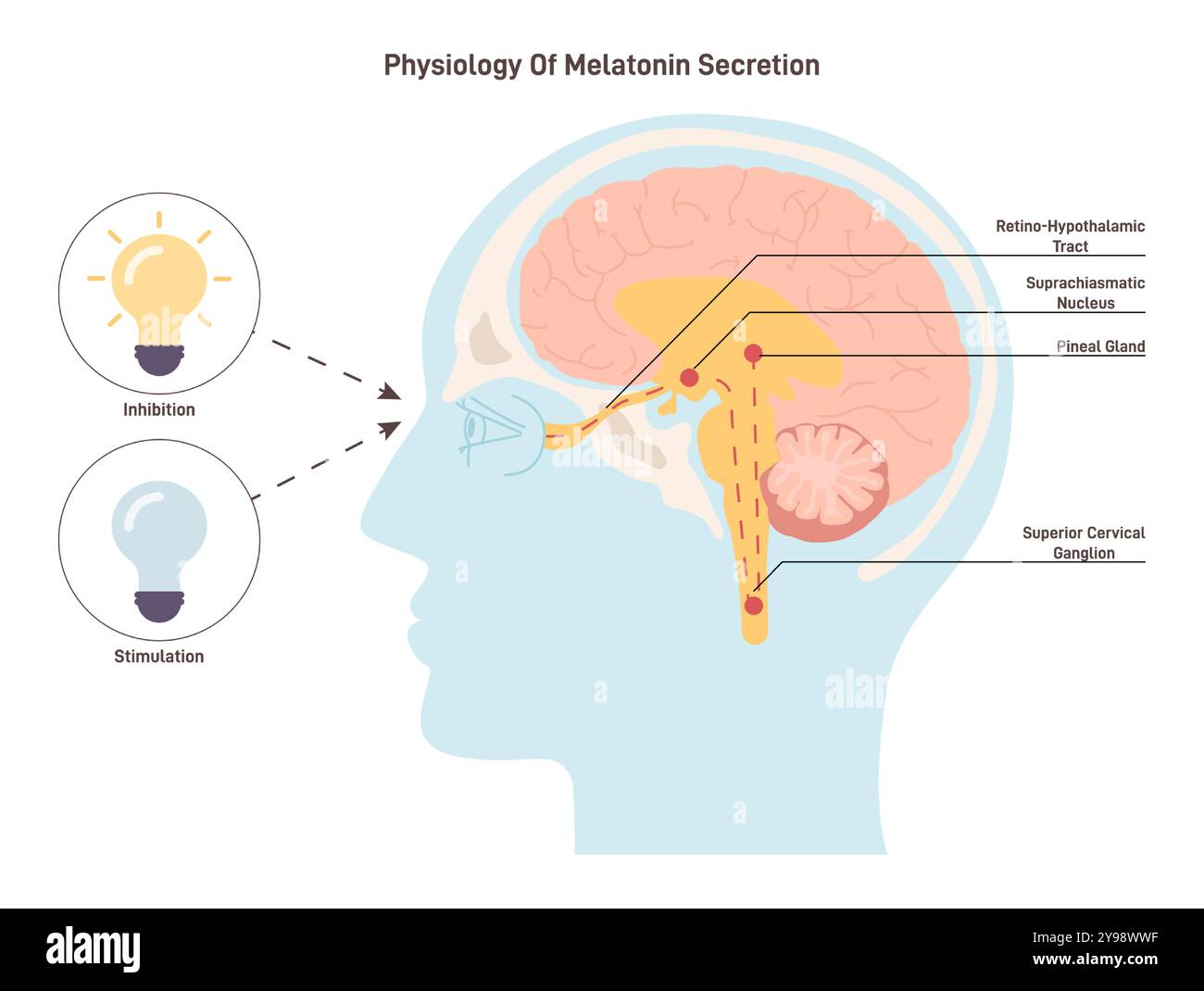
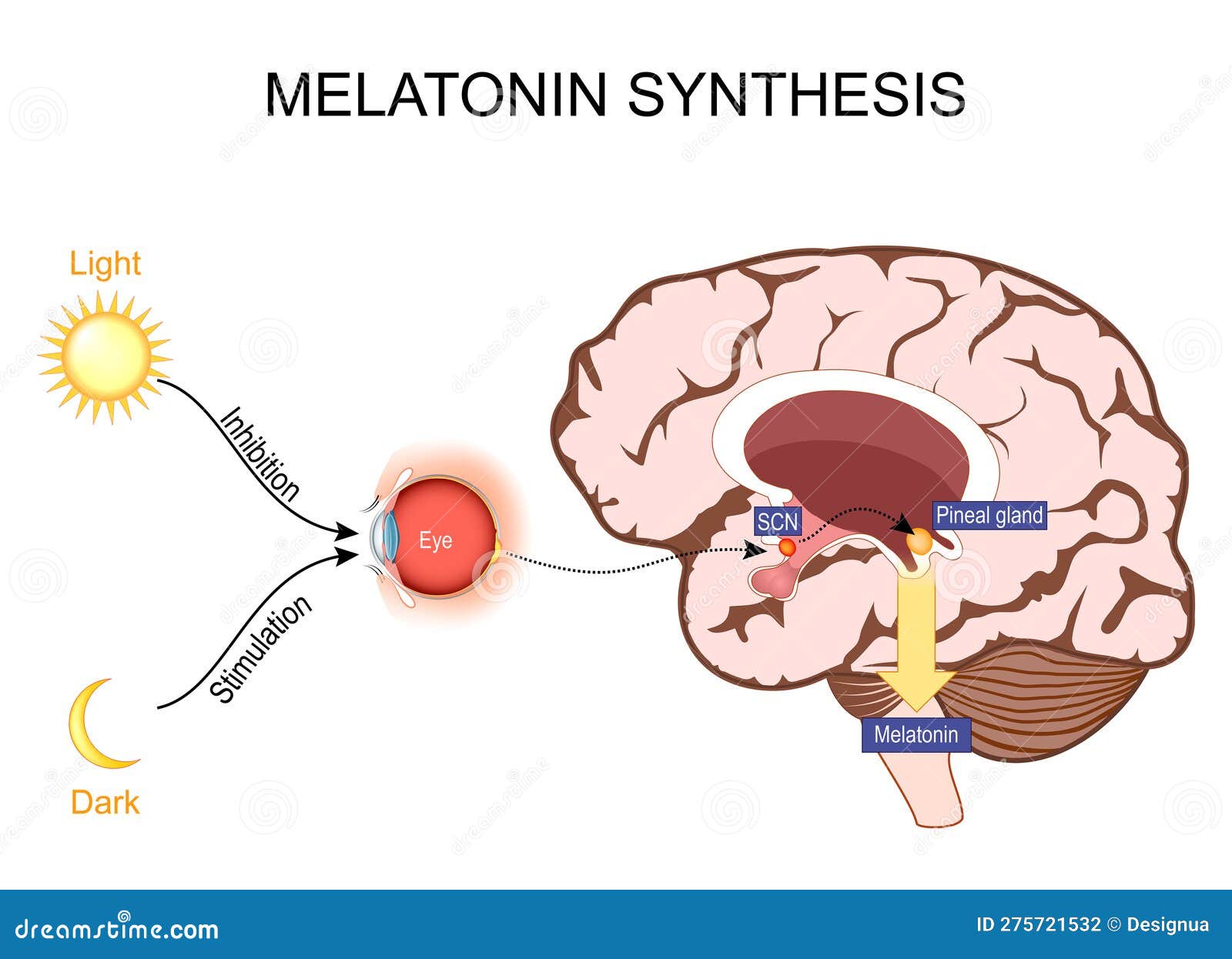
Melatonin is a hormone produced by the pineal gland that plays a vital role in regulating our sleep-wake cycle. The timing of melatonin production is controlled by exposure to light and darkness, and blue light, in particular, has been found to have a profound impact on melatonin production.
What is Melatonin?
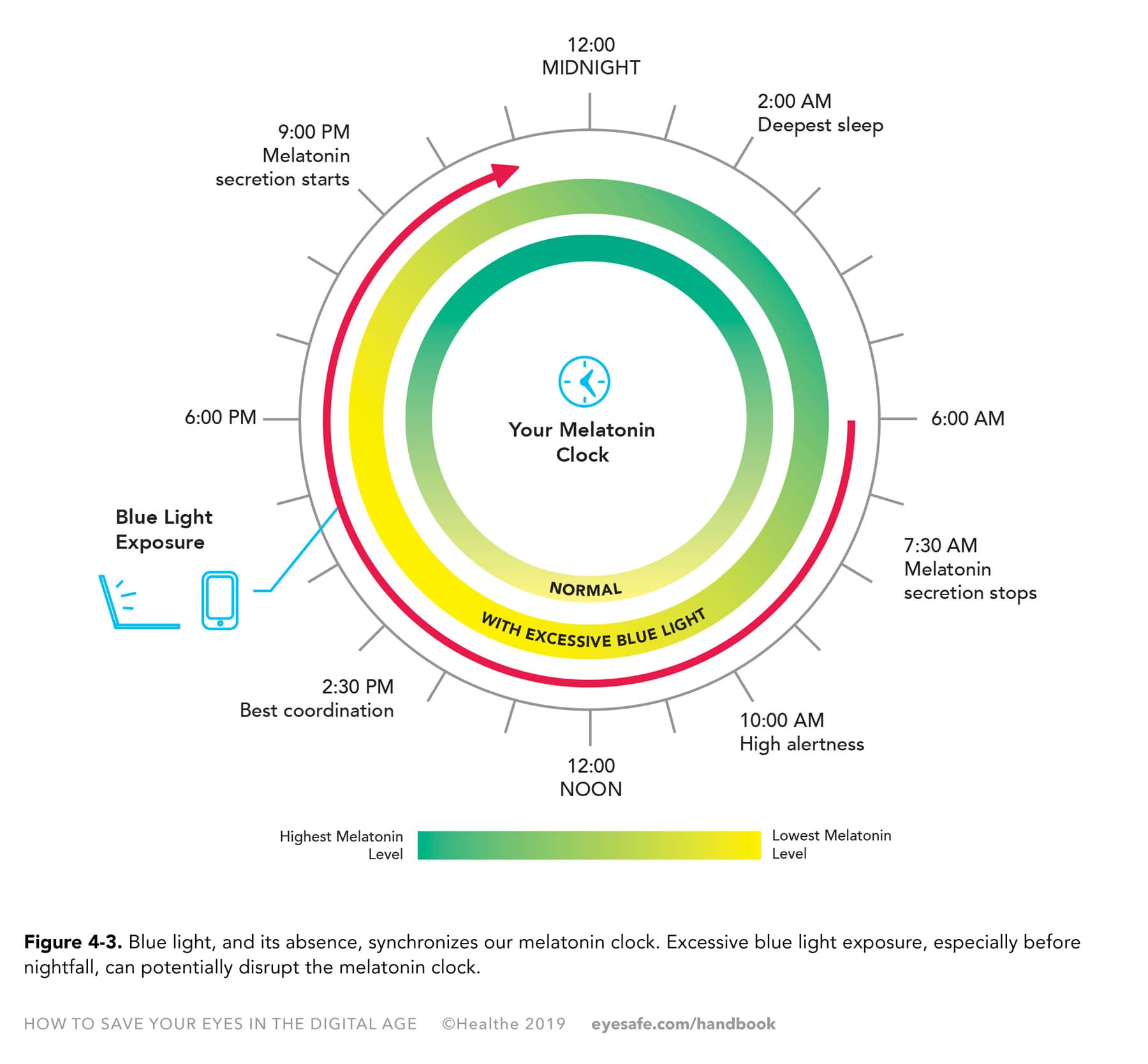
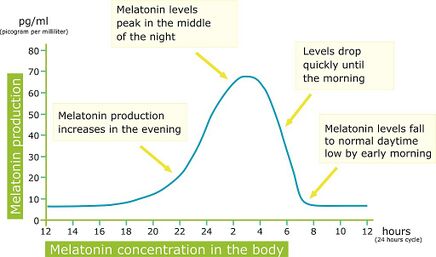
Melatonin is a hormone that is produced by the pineal gland in response to darkness. It is responsible for signaling to the body that it is time to sleep, and its production is tightly linked to the circadian rhythm. When melatonin levels rise, we feel drowsy, and our body prepares for rest.
How Does Blue Light Affect Melatonin Production?
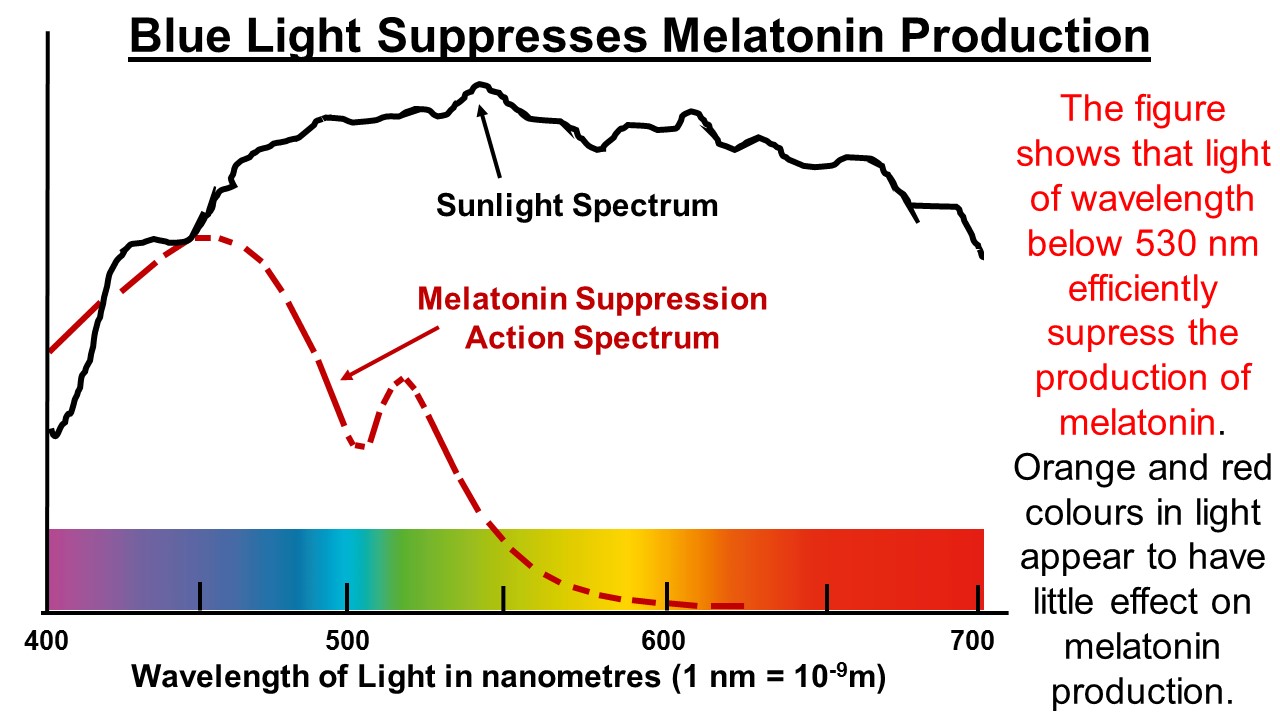
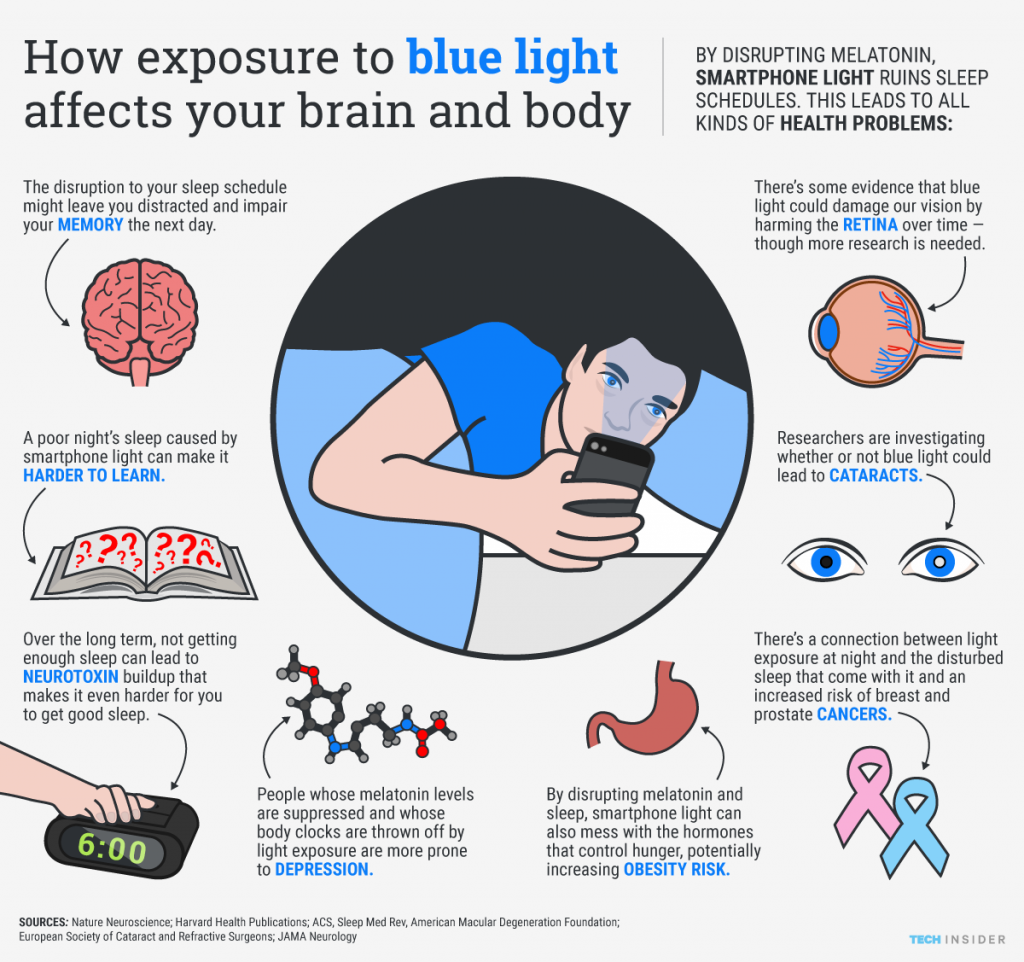
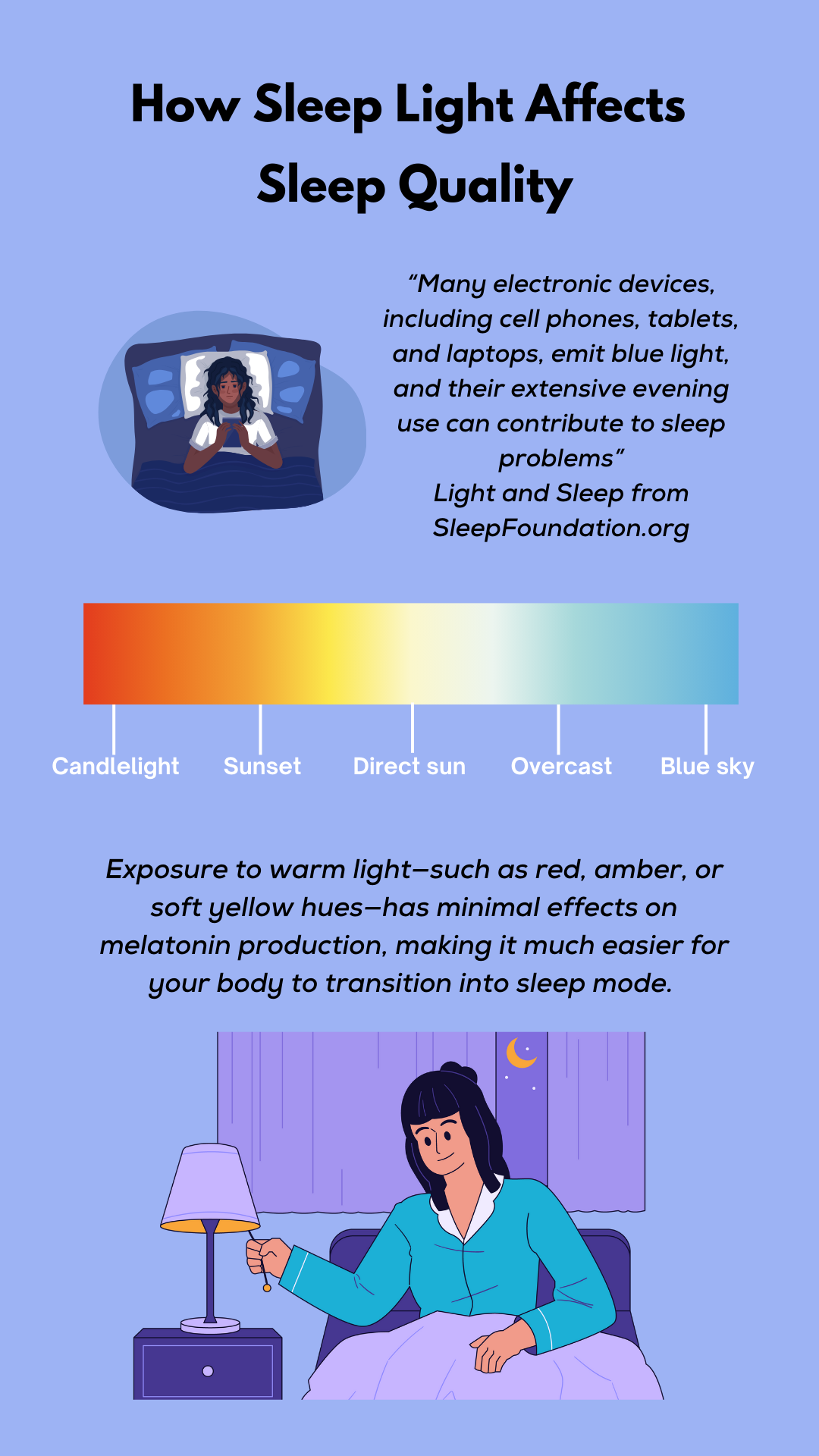
Blue light, which is emitted by electronic devices such as smartphones, computers, and televisions, suppresses melatonin production. This is because blue light contains a high amount of short-wavelength light that tricks the brain into thinking it is still daytime. As a result, melatonin production is delayed, making it harder to fall asleep and reducing overall sleep quality.
Chromatic Interference: The Disruption of the Circadian Rhythm
Chromatic interference refers to the disruption of the circadian rhythm caused by specific wavelengths of light, particularly short-wavelength light, which includes blue and green. This interference is not just about brightness, but rather the disproportionate impact of these wavelengths on the body's natural sleep-wake cycle.
The Impact of Blue Light on Melatonin Production
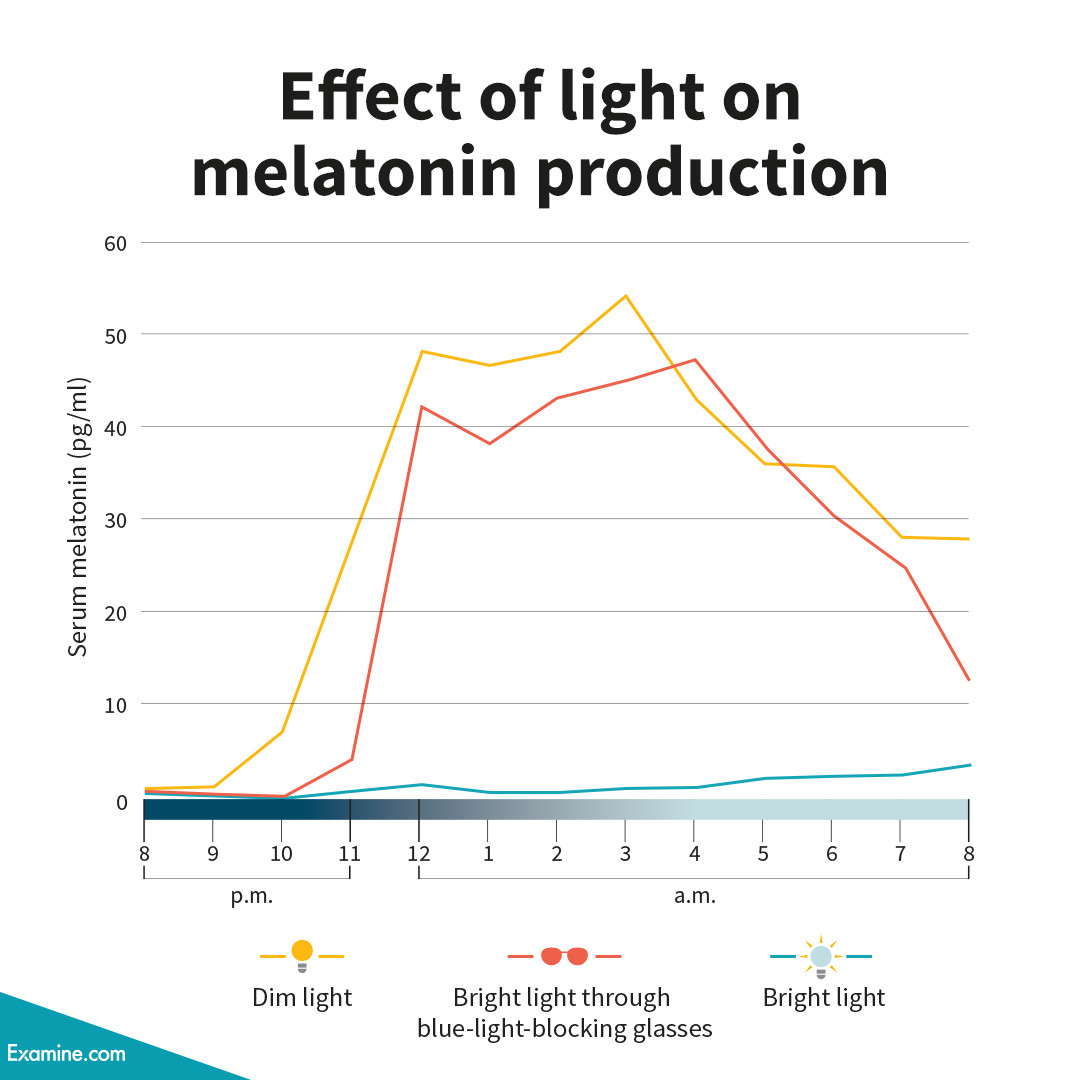
Research has shown that blue light can suppress melatonin production by up to 50%. This is because blue light exposure at night blocks the production of melatonin, making it harder to fall asleep and reducing overall sleep quality. In fact, exposure to blue light has been shown to delay melatonin release and shift the circadian rhythm by up to three hours.
Why is Blue Light Such a Problem?
Blue light is a problem because it is abundant in modern technology, including smartphones, computers, and televisions. We are exposed to blue light from these devices for an extended period, which can lead to chronic disruption of the circadian rhythm. This can have far-reaching consequences, including:
- Reduced sleep quality
- Daytime fatigue
- Difficulty sleeping on weekends or during vacations
- Increased risk of chronic diseases, such as diabetes and cardiovascular disease
What Can You Do to Protect Your Melatonin Production?
Fortunately, there are ways to protect your melatonin production and maintain a healthy circadian rhythm:
- Use blue light filtering glasses or apps that filter out blue light from screens
- Switch to warm-toned light bulbs or dimmable LEDs in the evening
- Avoid screens for at least an hour before bedtime
- Get some morning sunlight to regulate your circadian rhythm
Conclusion
Blue light and melatonin production are closely linked, and exposure to blue light at night can disrupt the body's natural sleep-wake cycle. By understanding the impact of blue light on melatonin production and taking steps to protect your circadian rhythm, you can improve your sleep quality, reduce daytime fatigue, and maintain optimal health.
Additional Resources
For more information on the effects of blue light on melatonin production, see:
- "The Effects of Blue Light on Melatonin Production" by the National Sleep Foundation
- "Blue Light Exposure and Melatonin Suppression" by the American Academy of Sleep Medicine
- "Circadian Rhythm and Melatonin Production" by the Harvard Health Publishing
References
References used in this article can be found below:
- "Blue Light Exposure and Melatonin Suppression" by the American Academy of Sleep Medicine
- "The Effects of Blue Light on Melatonin Production" by the National Sleep Foundation
- "Circadian Rhythm and Melatonin Production" by the Harvard Health Publishing