How to Protect Personal Identity: A Comprehensive Guide
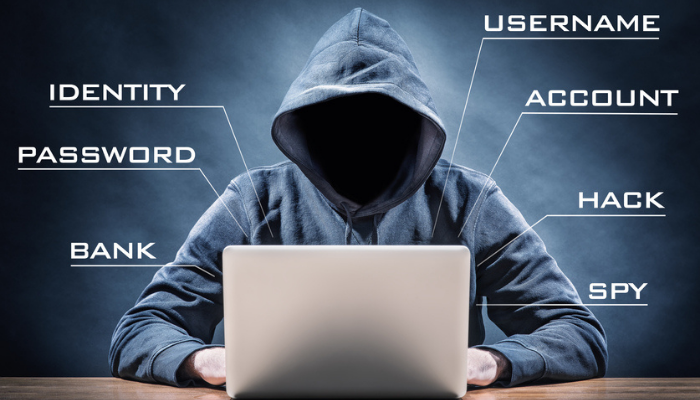
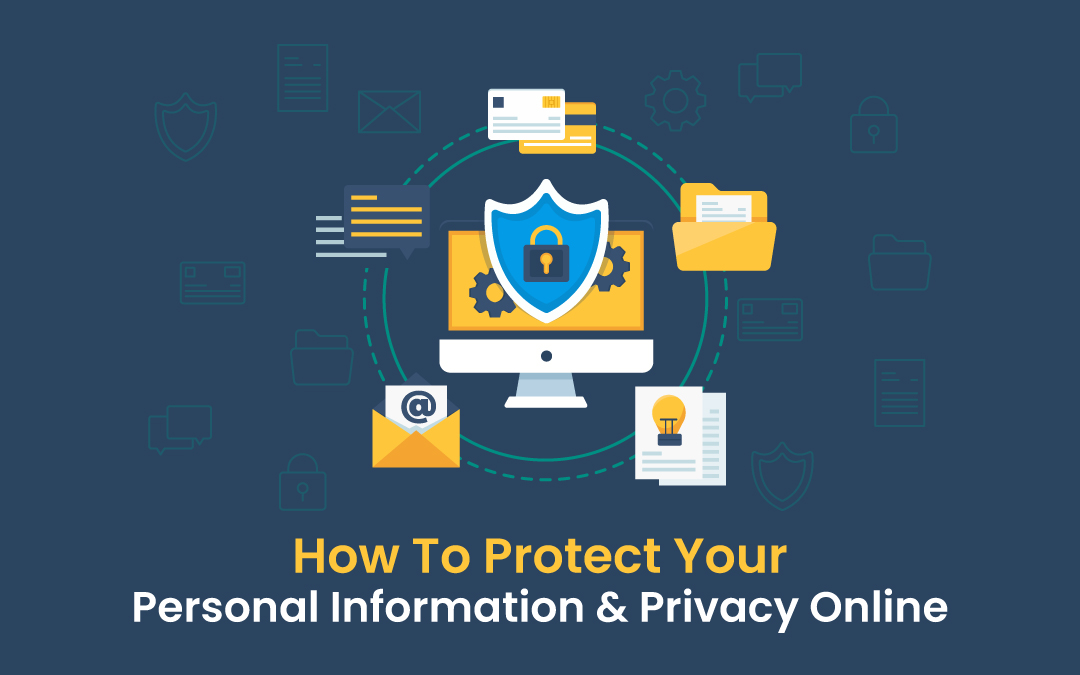
Protecting personal identity has become increasingly important in today's digital age. With the rise of cybercrimes and identity theft, it's essential to know how to safeguard your personal information and prevent it from falling into the wrong hands. In this article, we'll explore the various ways to protect your personal identity and provide you with practical tips on how to do so.
Understanding Identity Theft
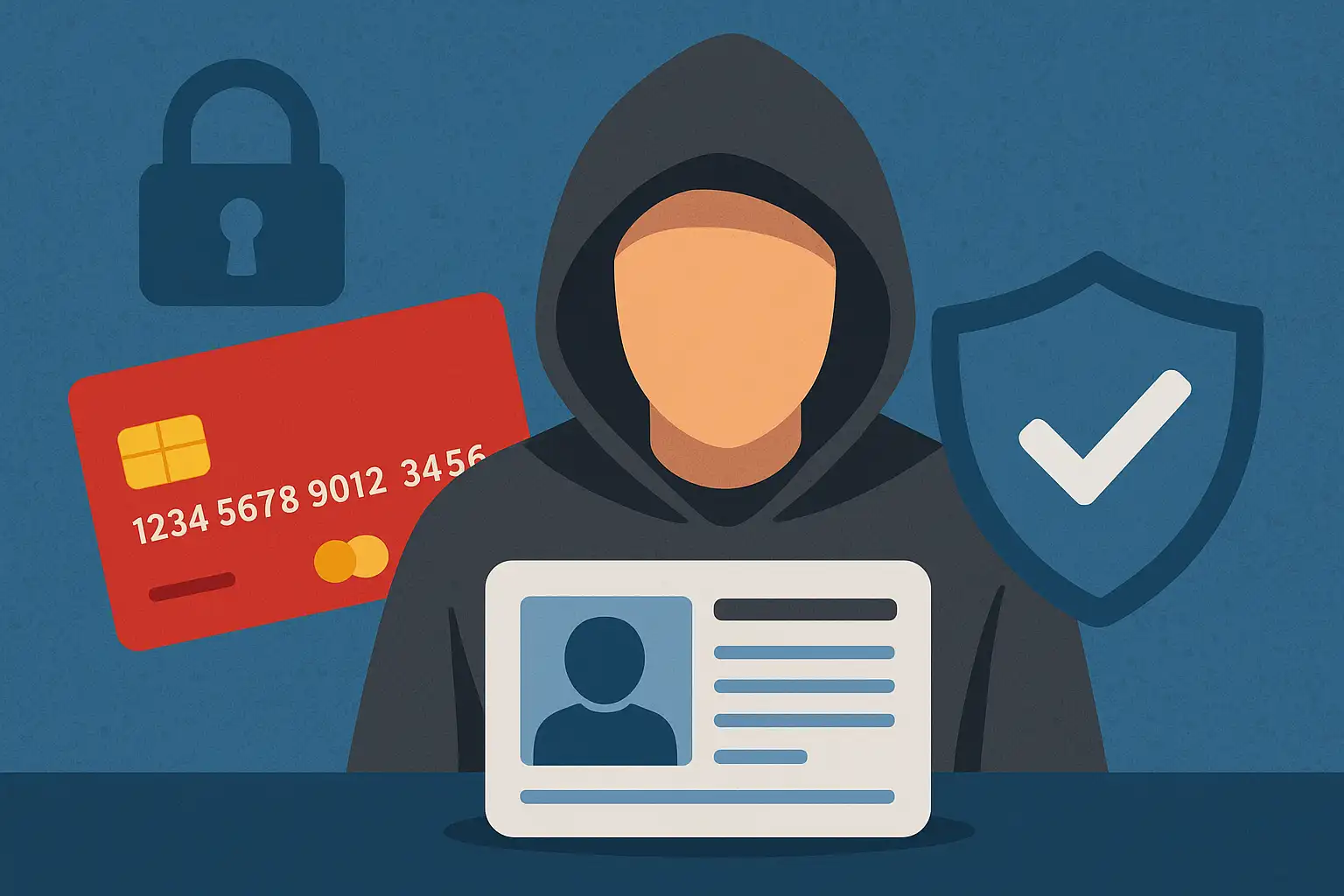
Identity theft is the unauthorized use or attempted use of an existing person's identity, usually to commit fraud or other financial crimes. It's a serious offense that affects millions of people worldwide each year. Identity theft can occur through various means, including phishing scams, malware attacks, and physical theft of personal documents.
Smart Cyber Practices
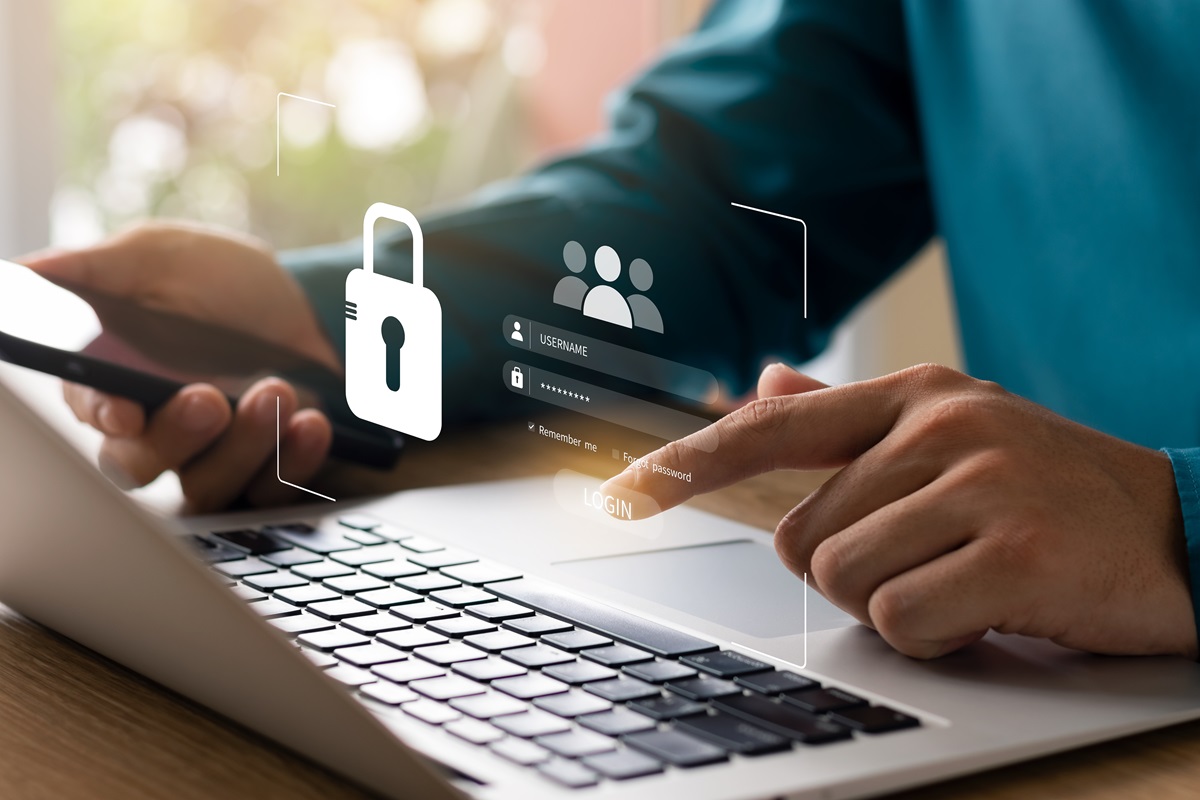
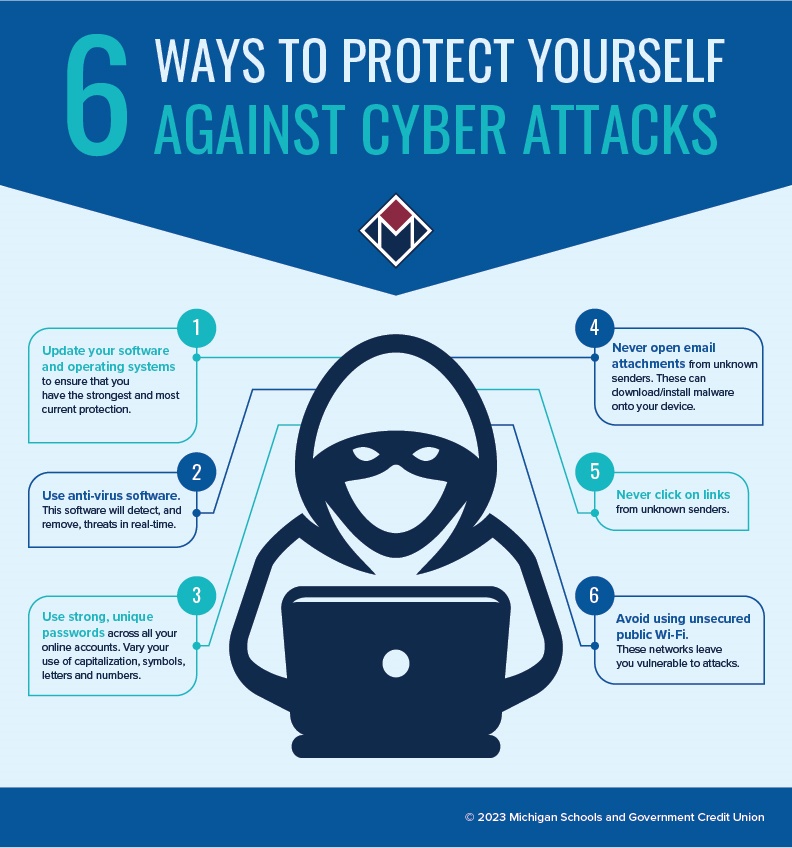
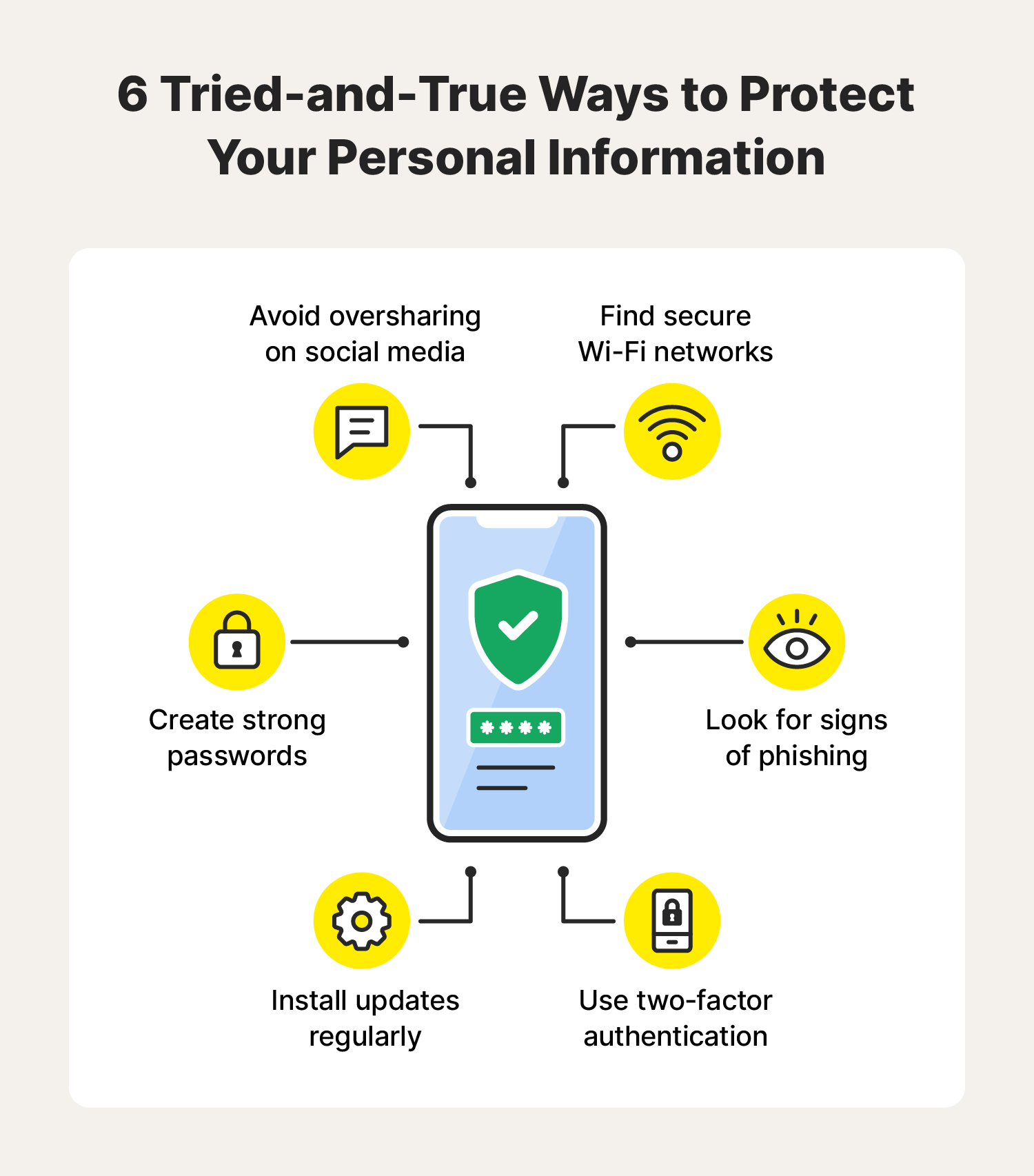
Safely navigating the cyber world is crucial to protecting your personal identity. Here are some smart cyber practices to follow:
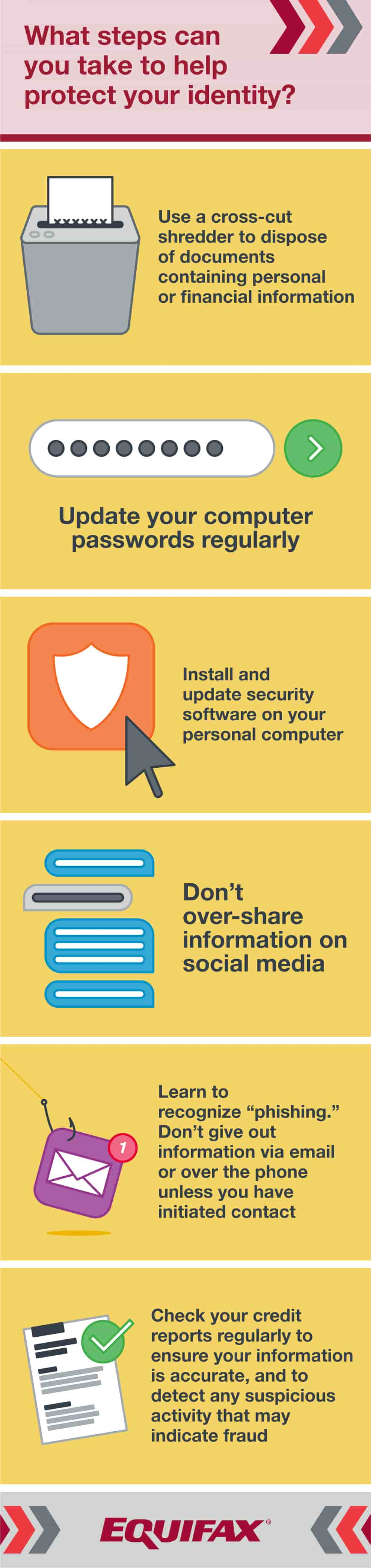
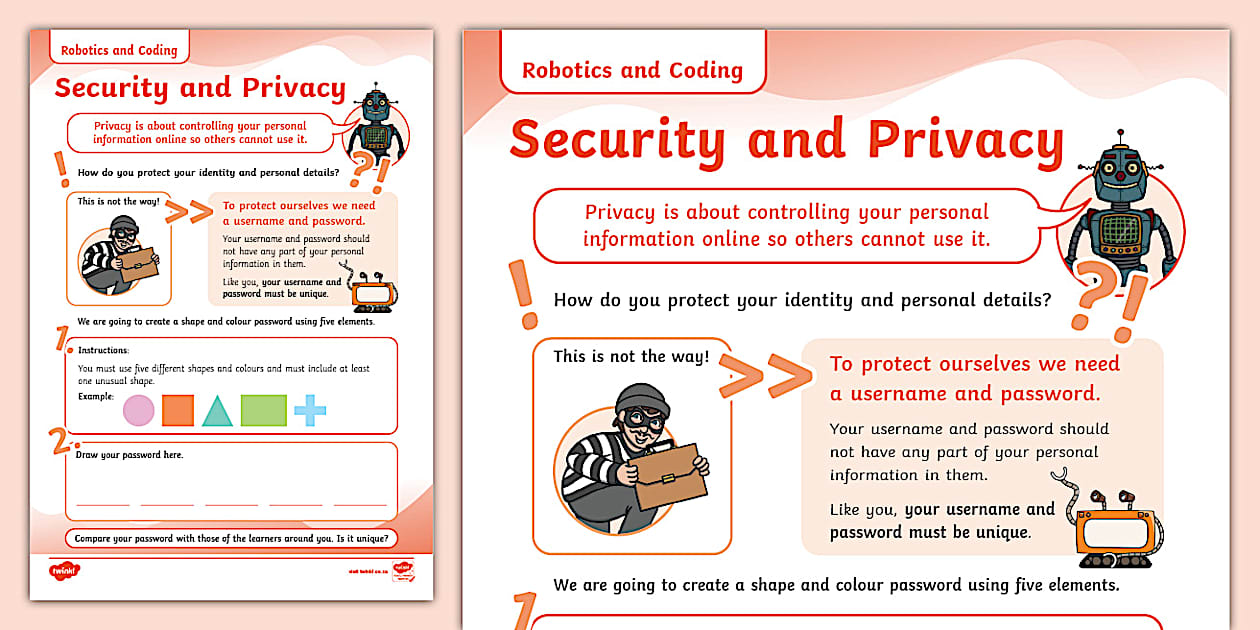
- Use strong, unique passwords for all online accounts.
- Enable two-factor authentication (2FA) whenever possible.
- Regularly update your security software and scan for malware.
- Be cautious of links and attachments from unknown sources.
- Use a reputable password manager to securely store your passwords.
Destroying Sensitive Documents
Destroying sensitive documents is an essential step in protecting your personal identity. Shredding old personal documents, such as bank statements, tax returns, and identification cards, can help prevent identity theft.
Freezing Your Credit Reports
Freezing your credit reports is another effective way to protect your personal identity. This prevents new accounts from being opened in your name without your consent. You can freeze your credit reports by contacting the three major credit reporting agencies: Equifax, Experian, and TransUnion.
Monitoring Credit Reports
Regularly monitoring your credit reports can help you detect any suspicious activity. You can request a free copy of your credit report from each credit reporting agency once a year. Look for any unfamiliar accounts, changes in your credit scores, or other discrepancies.
Documenting Personal Information
Documenting your personal information can help you recover from identity theft. Keep a record of your vital documents, such as your Social Security card, driver's license, and passport. Make copies of these documents and store them in a secure location.
Detecting Warning Signs
Being aware of the warning signs of identity theft can help you detect it early on. These warning signs include:
- Unauthorized charges on your credit cards or bank accounts.
- Receiving unsolicited loans or credit cards.
- Notifications from your employer or bank about suspicious activity.
Reporting Identity Theft
If you suspect you're a victim of identity theft, report it immediately. File a complaint with the Federal Trade Commission (FTC) and notify the relevant credit reporting agencies. You can also contact your local police department to file a report.
Tax Identity Theft
Tax identity theft occurs when someone uses your Social Security number to steal your tax refund or for work. If you're a victim of tax identity theft, report it to the IRS immediately. You can request an Identity Protection Personal Identification Number (IP PIN) to add an extra layer of security to your tax returns.
Guarding Against Malware
Using security software to protect your computer from malware is essential in preventing identity theft. Update your security software regularly, or set it to update automatically. You can also use a reputable anti-virus program to scan your device for malware.
Identity Verification
Identity verification is a crucial process that helps prevent identity theft. When creating a personal account or applying for credit, ensure that you go through the proper verification process. This may include providing identification documents, answering security questions, or undergoing a through verification process.
Documenting a Data Breach
Documenting a data breach involves keeping a record of the incident, including the date, time, and affected data. You can also contact the relevant authorities, such as the FTC or your state's attorney general, to report the breach.