Understanding Blue Light Spectroscopy: Harnessing the Power of Light in Our Daily Lives
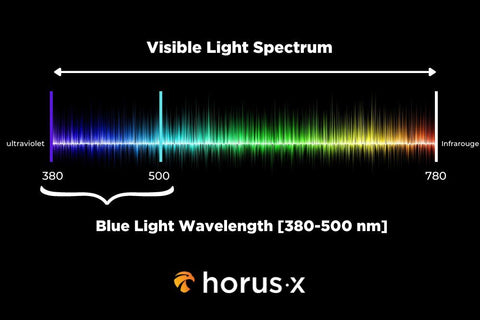
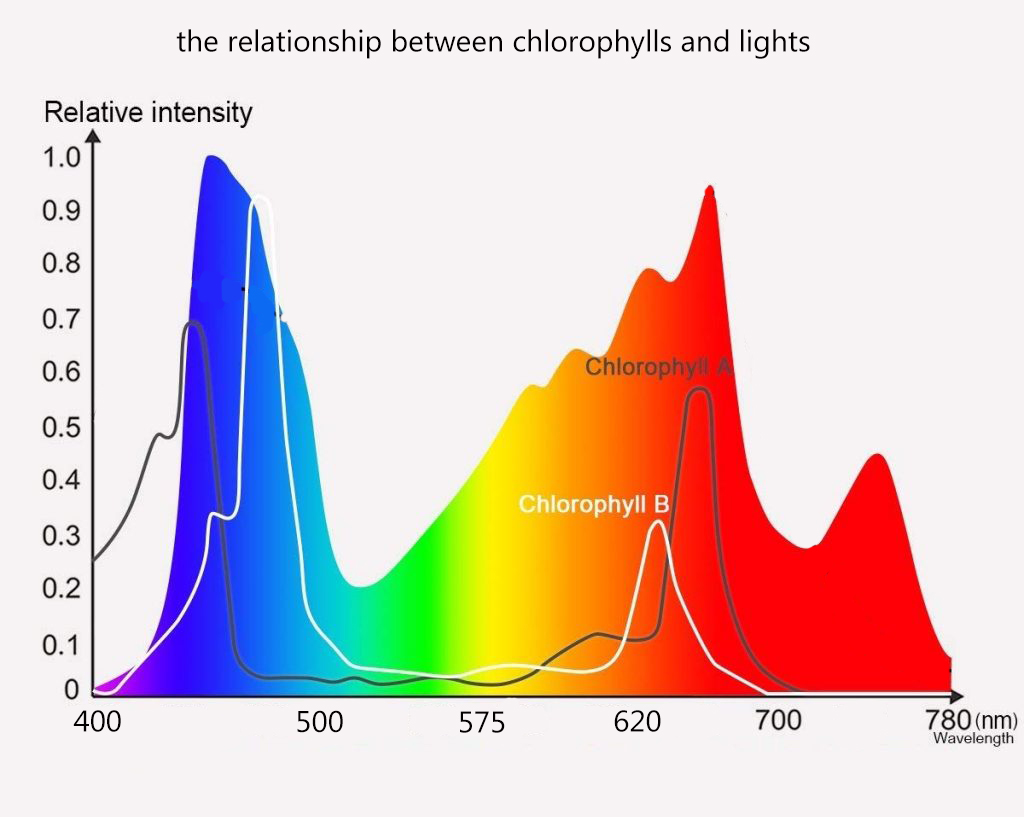
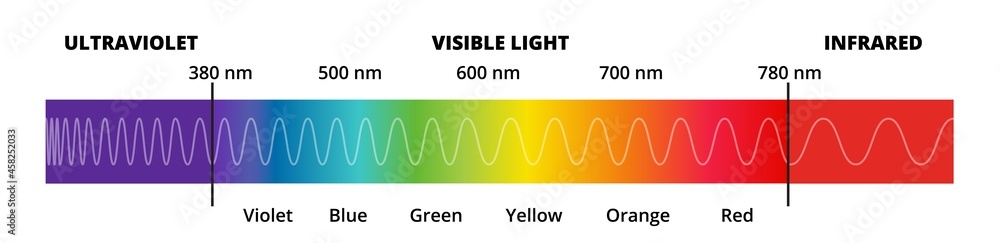
The blue light spectrum, characterized by wavelengths between 400 and 500 nanometers, has a broad impact on human health, influencing numerous physiological processes in the human body. Although blue light is essential for regulating circadian rhythms, improving alertness, and supporting cognitive function, its widespread presence has raised worries about its possible effects on general well-being.
What is Blue Light?
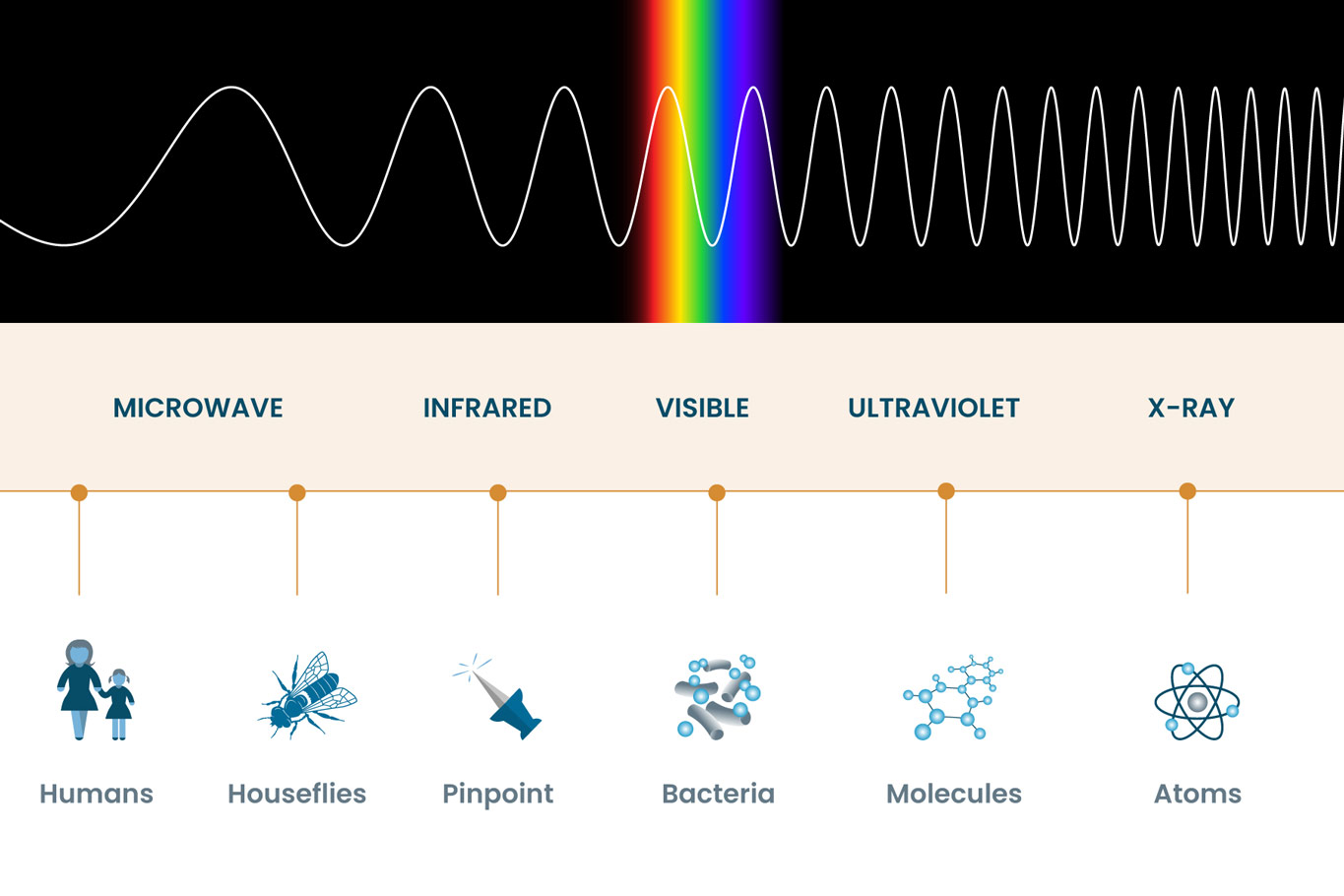
Blue light is a category of visible light with a wavelength roughly between 380 and 500 nanometers (nm). As part of the visible light spectrum, many of us stare at blue light for much of the day. Blue light can be divided into two bands: blue-violet light (415-455 nm) and blue-turquoise light (465-495 nm). When light in the blue-violet range hits the eye, a process unique to this band of wavelength occurs.
Blue Light Spectroscopy: Measuring and Understanding the Impact
Blue light spectroscopy is the measurement and characterization of the blue light spectrum. This has become increasingly important as we continue to spend more time in front of screens, exposing ourselves to blue light. Research has shown that prolonged exposure to blue light can lead to eye strain, headaches, and disrupted sleep patterns.
Applications and Devices
- Computer screens and smartphones: These devices emit blue light, which can have negative effects on our eyes and sleep.
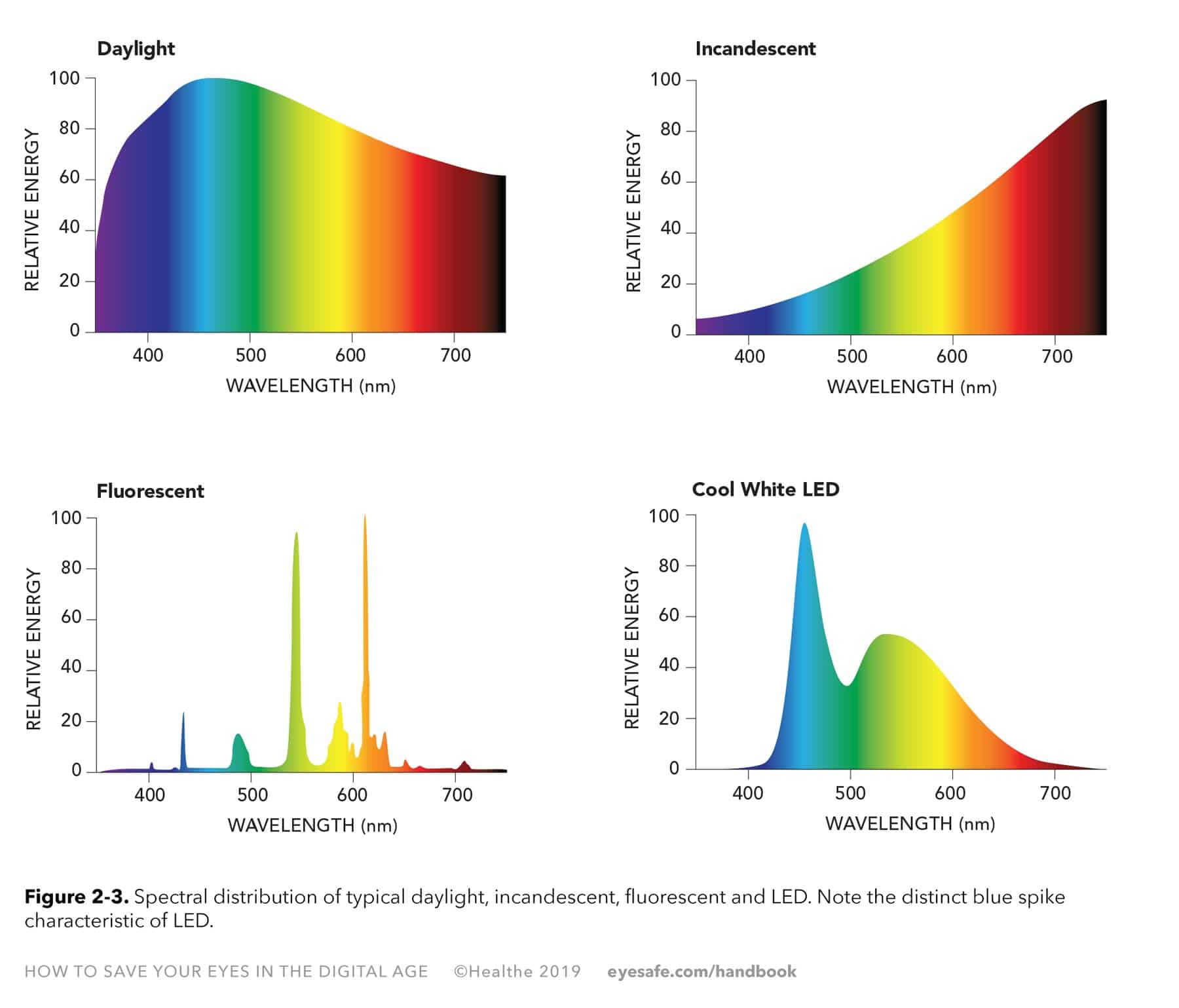
- Lighting: Energy-efficient lighting, such as LED bulbs, also produce blue light, which can be beneficial for wakefulness but detrimental to sleep.
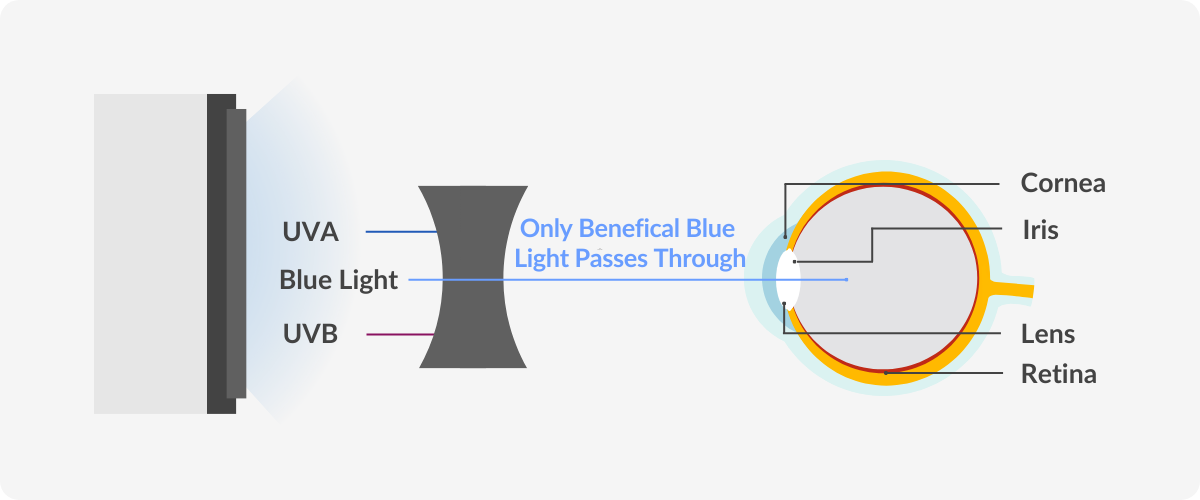
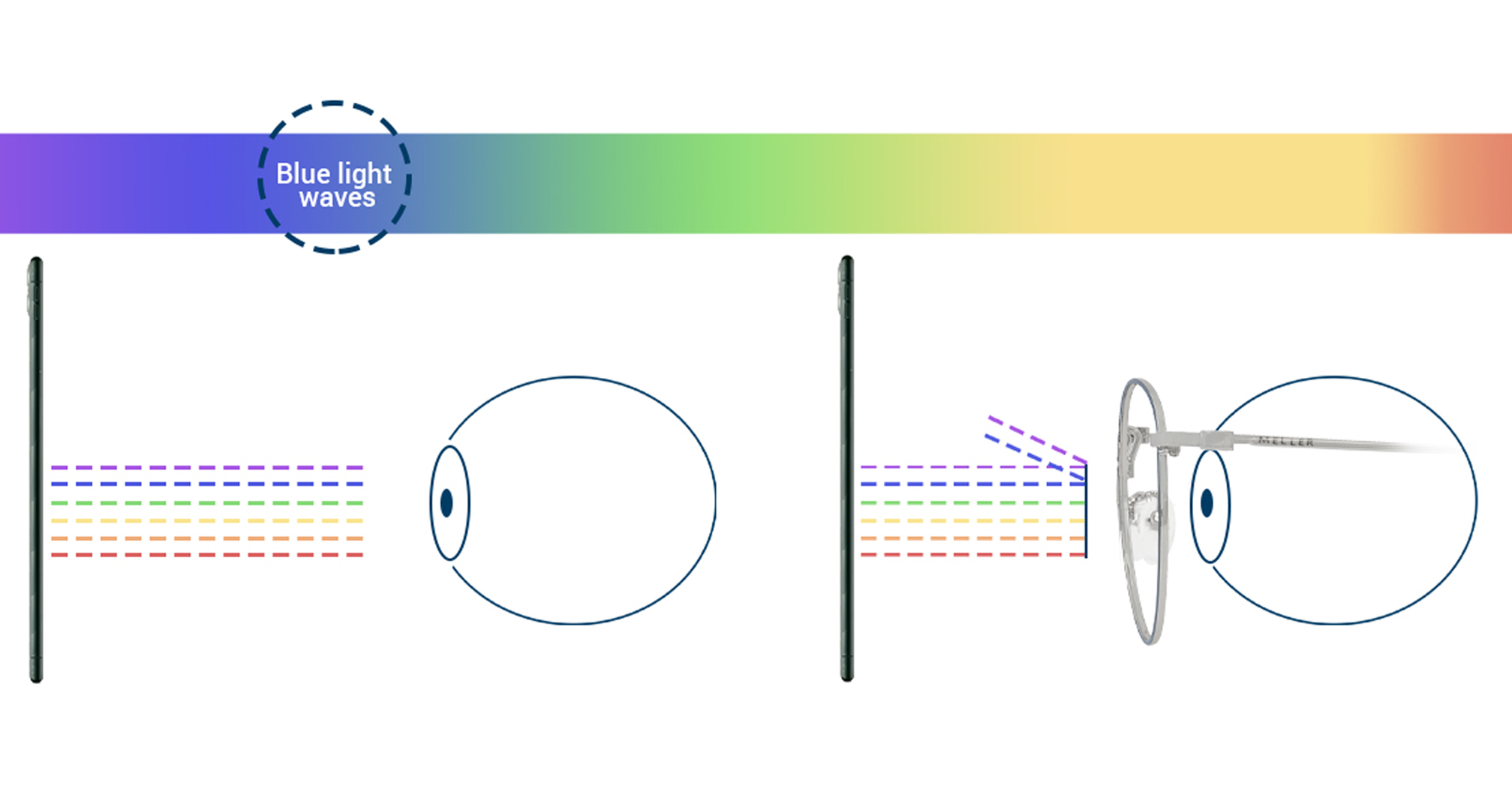
- Blue light glasses and blocking technology: Products that block or filter out blue light have become increasingly popular, promising improved eye health and sleep quality.
Benefits and Risks of Blue Light Exposure
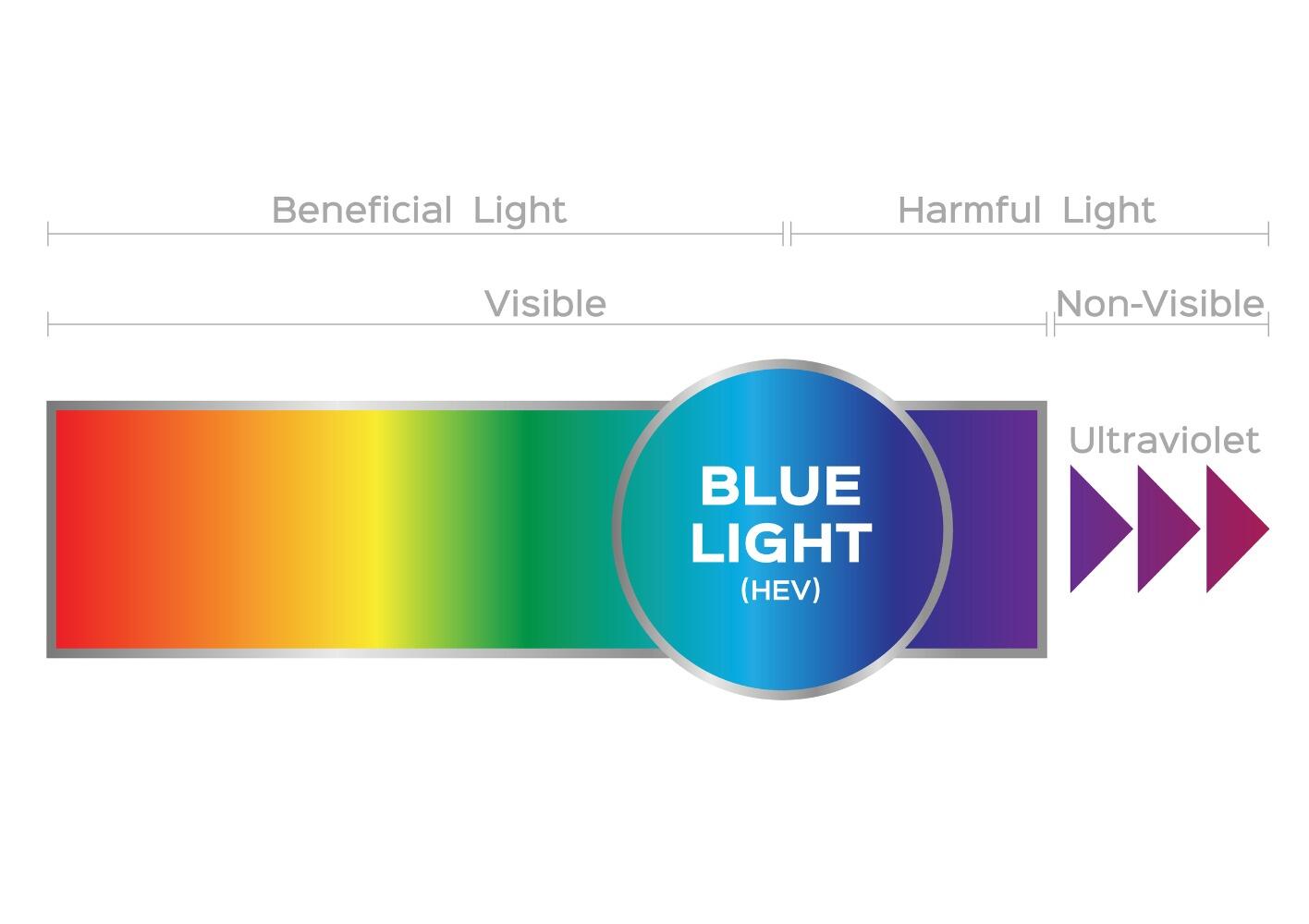
While blue light has its benefits, excessive exposure can have risks. Blue light can suppress melatonin production, leading to difficulty sleeping. Prolonged exposure can also contribute to eye strain and headaches. However, blue light also has benefits, such as improving alertness and cognitive function.
Measuring Blue Light: Tools and Techniques
Scientists and researchers use various tools and techniques to measure and characterize blue light, including spectrophones, spectrometers, and light meters. These devices help quantify the amount and intensity of blue light emitted by different sources.
Reducing Blue Light Exposure: Tips and Solutions
- Use blue light filtering glasses or apps
- Adjust screen brightness and color temperatures
- Limit screen time before bed
- Implement blue light-blocking technologies in lighting and devices
Conclusion
Blue light spectroscopy has revealed the complexities of blue light exposure and its impact on human health. By understanding the benefits and risks of blue light and using tools and techniques to measure its effects, we can find balance in our exposure and optimize our well-being. Whether it's through blue light filtering glasses, adjusting screen settings, or implementing blue light-blocking technologies, there are many solutions to reduce our exposure and mitigate its negative effects.





:max_bytes(150000):strip_icc()/visible-light-8308b64ab4bf4fafa4ab9fd0eb003f0d.jpg "Most traditional sunscreens are designed to protect against: • UVB → ...")

