Can Pregnant Women Drink Coffee Safely?
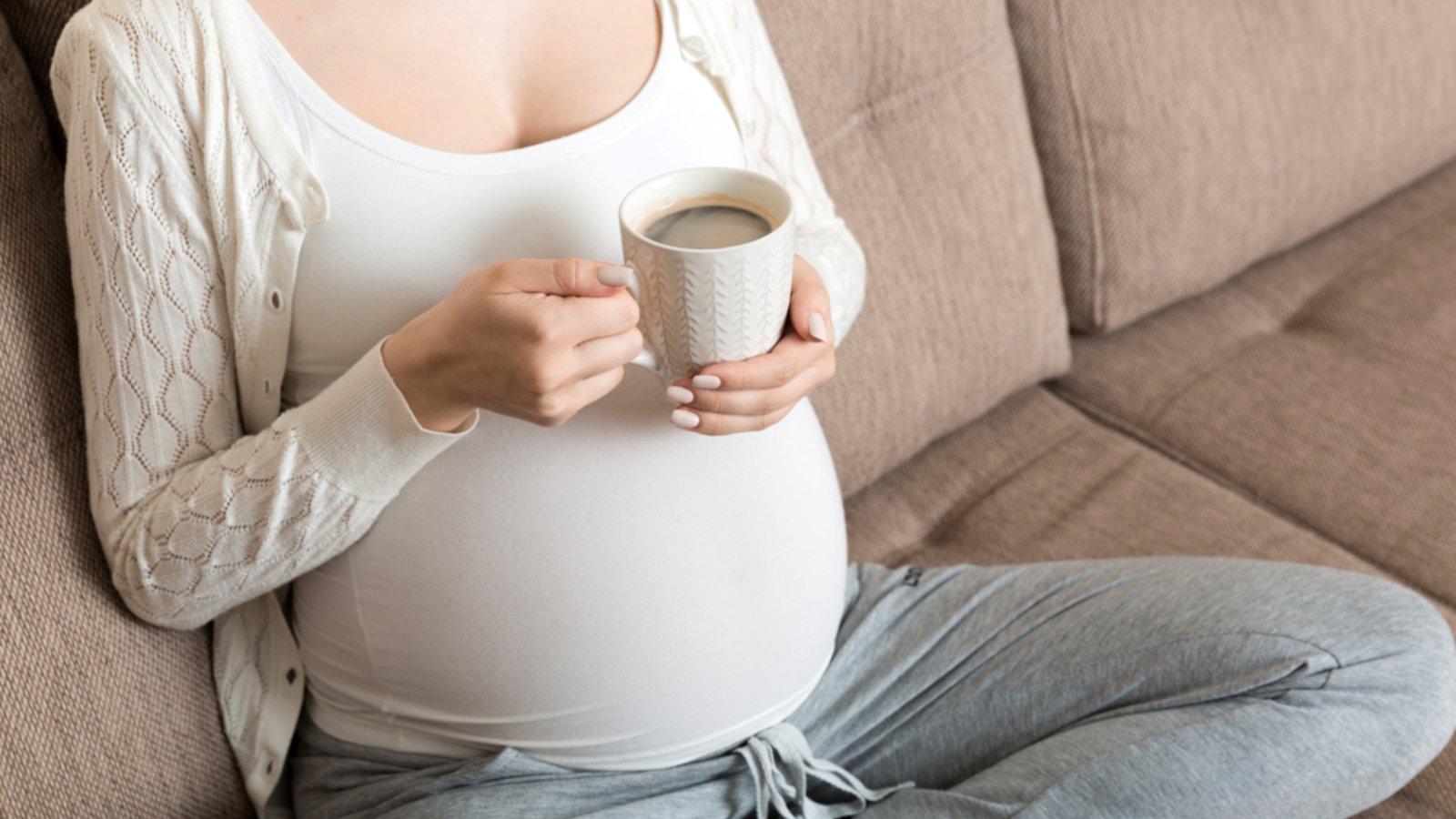
As a pregnant woman, it's natural to worry about the impact of caffeine on your baby's development. Caffeine is a stimulant found in coffee, tea, soft drinks, chocolate, and some medications. While moderate coffee consumption is generally considered safe, excessive intake can have negative effects.Understanding Caffeine in Pregnancy
Caffeine is a diuretic, which means it increases urine production and can lead to dehydration. This can be particularly concerning during pregnancy, when the body is working hard to support the growing fetus. As a stimulant, caffeine can also increase heart rate and blood pressure, which can be risky for both the mother and the baby.Can Pregnant Women Drink Coffee Safely?
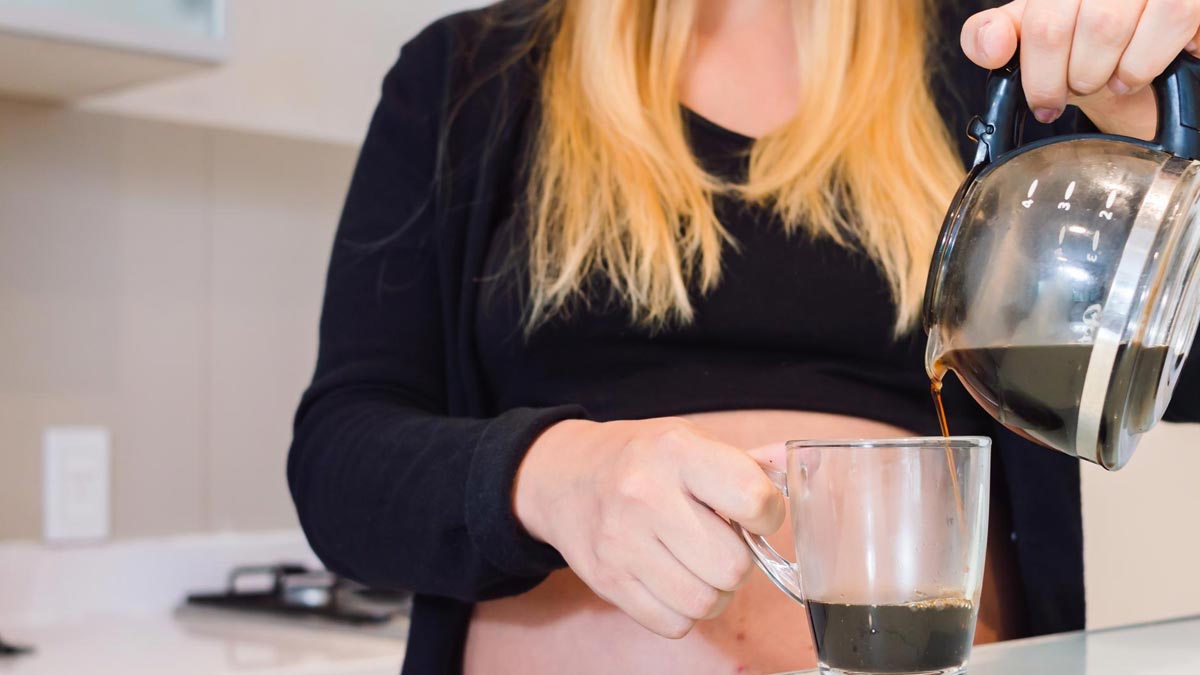
The American College of Obstetricians and Gynecologists (ACOG) and other health organizations recommend that pregnant women limit their caffeine intake to less than 200 milligrams per day. This is about the amount found in one 12-ounce cup of coffee. Be sure to check the labels of your favorite coffee drinks, as they may contain more caffeine than you think.Can Pregnant Women Drink Decaf Coffee?
Decaf coffee may seem like a safe option, but it's not entirely caffeine-free. Some decaf coffee products may still contain small amounts of caffeine, so be sure to check the labels carefully. If you're concerned about caffeine intake, consider switching to herbal teas or other decaffeinated beverages.Alternatives to Coffee During Pregnancy
If you're finding it difficult to cut down on coffee, consider these alternatives:- Herbal teas: Peppermint, chamomile, and ginger teas are all great options
- Decaf tea: Look for decaf tea products that are 100% caffeine-free
- Roasted chicory: This herbal root is naturally caffeine-free and can be used as a coffee substitute
- Infused water: Add slices of lemon, lime, or cucumber to a pitcher of water for a refreshing and healthy drink

Important Considerations
When it comes to caffeine intake during pregnancy, it's not just about the amount of coffee you drink. Be mindful of other sources of caffeine, such as:- Soft drinks: Energy drinks, sports drinks, and some flavored sodas contain high amounts of caffeine
- Chocolate: Dark chocolate, milk chocolate, and chocolate-covered nuts all contain caffeine
- Medications: Some over-the-counter and prescription medications contain caffeine