Cat Hair De-Matting Methods for Cats with Coat Problems
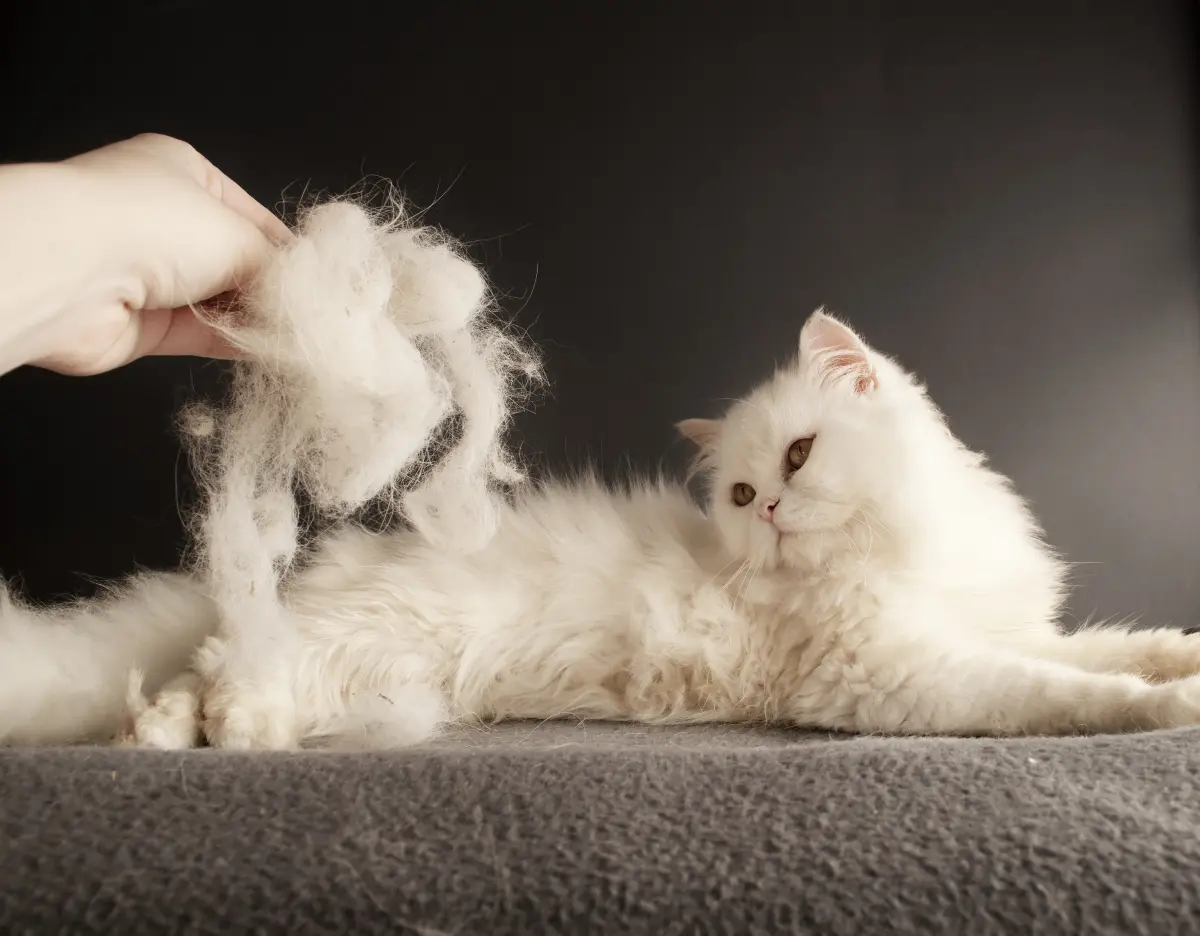
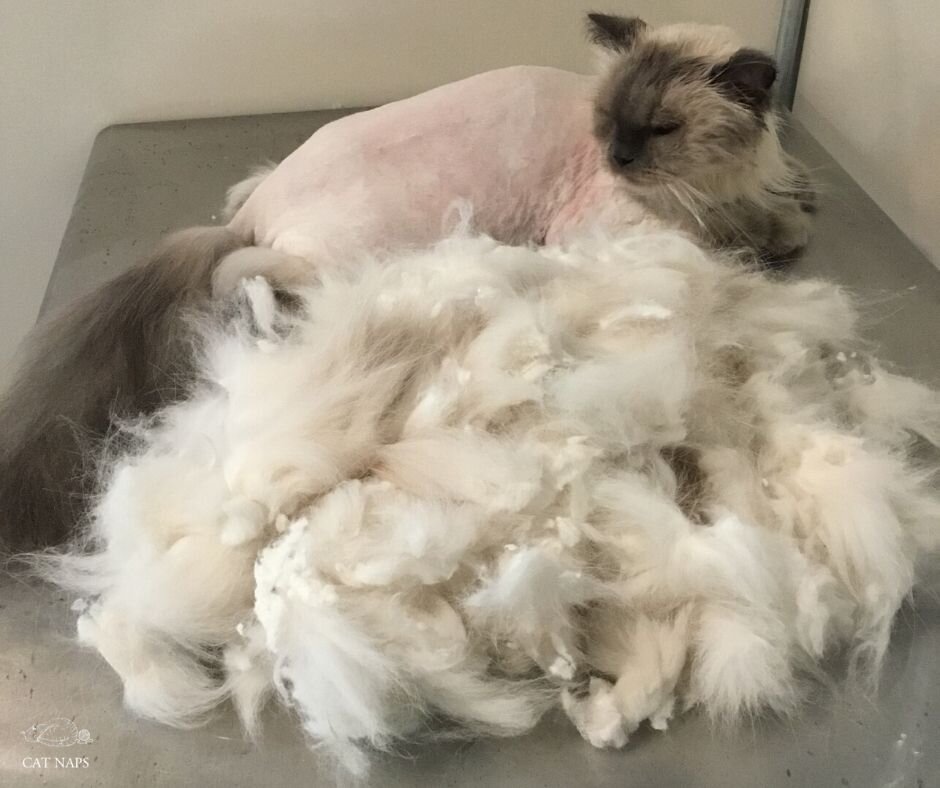
Matted fur is a common issue that can lead to discomfort, pain, and even serious health problems if left unaddressed. It occurs when the hair on a cat's coat becomes matted together, forming knots or tangles that can be difficult to remove. These mats can form anywhere on a cat's body, but are most commonly found in areas where the fur is longest, such as around the face, neck, and base of the tail.
Understanding the Causes of Matting
Cats may develop mats due to a variety of reasons, including poor grooming habits, skin conditions, and certain medical issues. Regular brushing is essential to prevent matting, but even with regular grooming, mats can still occur. It's crucial to identify the underlying causes of matting to develop an effective de-matting plan for your cat.
The Importance of De-Matting
De-matting is a critical process that requires patience, the right tools, and a gentle approach. Ignoring mats can lead to significant discomfort, skin irritation, and even infections. The key is to safely and effectively remove existing mats while implementing preventive measures to avoid future matting.
Choosing the Right De-Matting Tools
- A detangling spray or conditioner specifically designed for cats
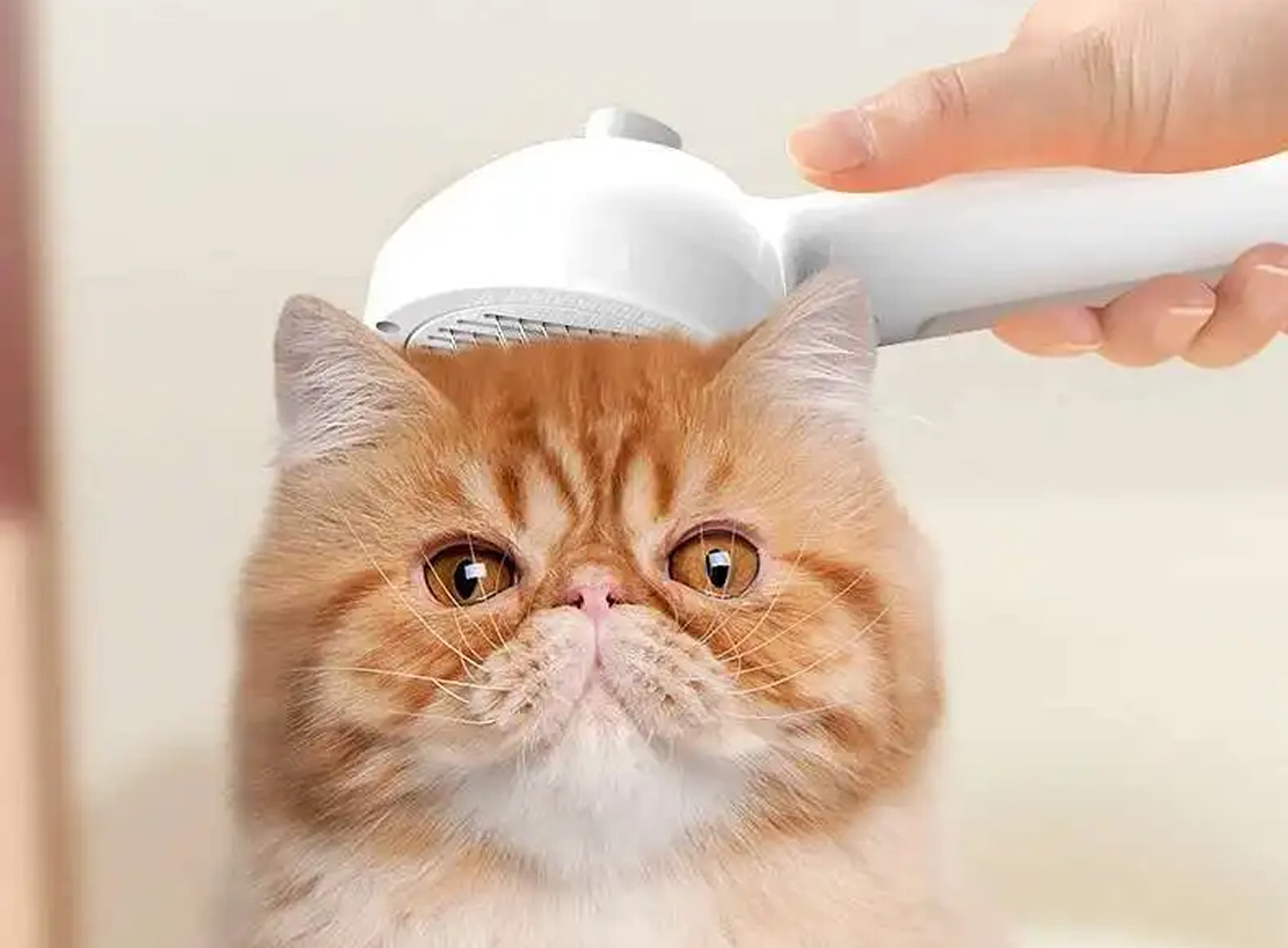
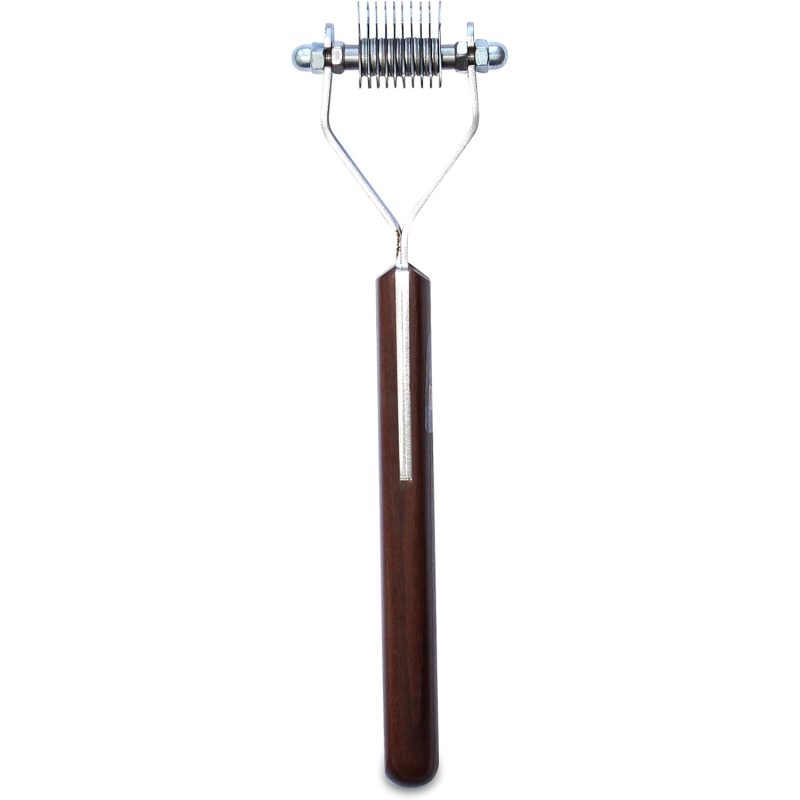
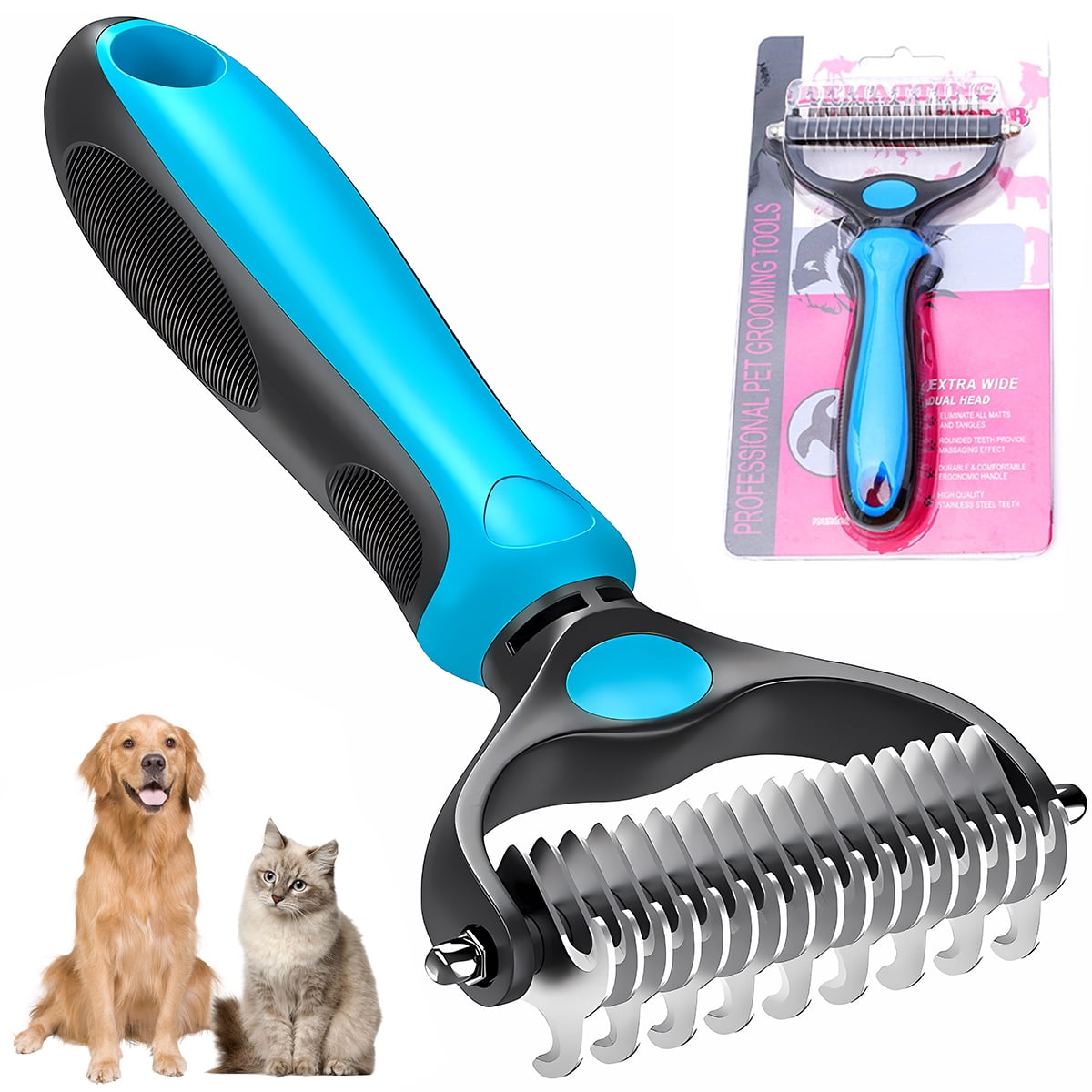
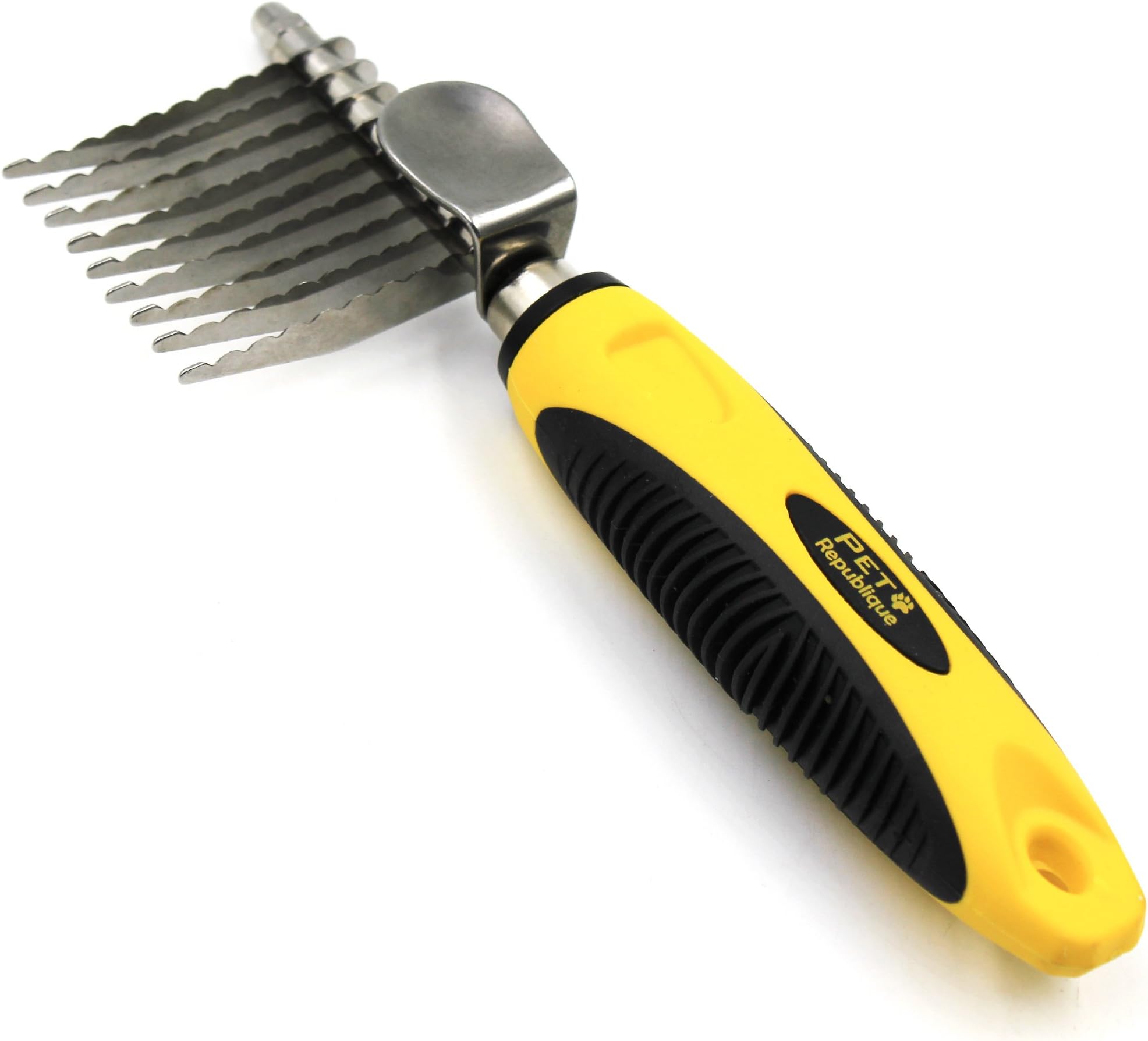
- A fine-toothed comb or a dematting tool for gently removing mats
- A wide-toothed comb for detangling and preventing matting
- A mat breaker or a rake for breaking up severe mats
Step-by-Step De-Matting Guide
De-matting your cat requires a gentle and patient approach. Here's a step-by-step guide to help you remove mats safely and effectively:
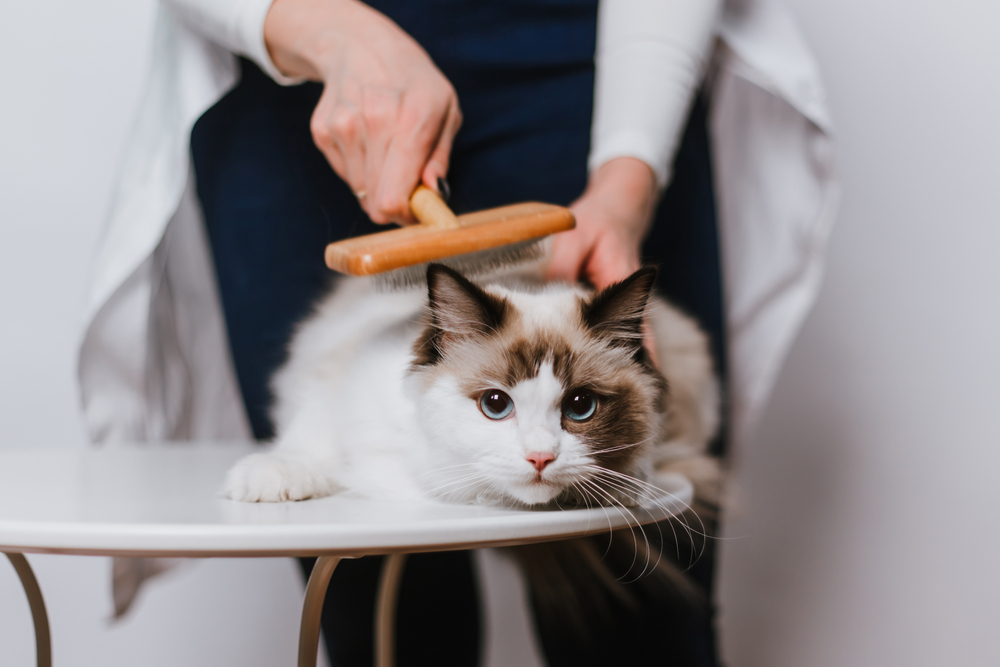
- Prepare your cat by gently brushing their coat to remove any tangles or knots.
- Apply a detangling spray or conditioner to help loosen the mats.
- Use a fine-toothed comb or a dematting tool to gently remove the mats, starting from the ends of the fur and working your way up.
- Use a wide-toothed comb to detangle and prevent matting.
- For severe mats, use a mat breaker or a rake to break up the mats carefully.
Preventing Future Matting
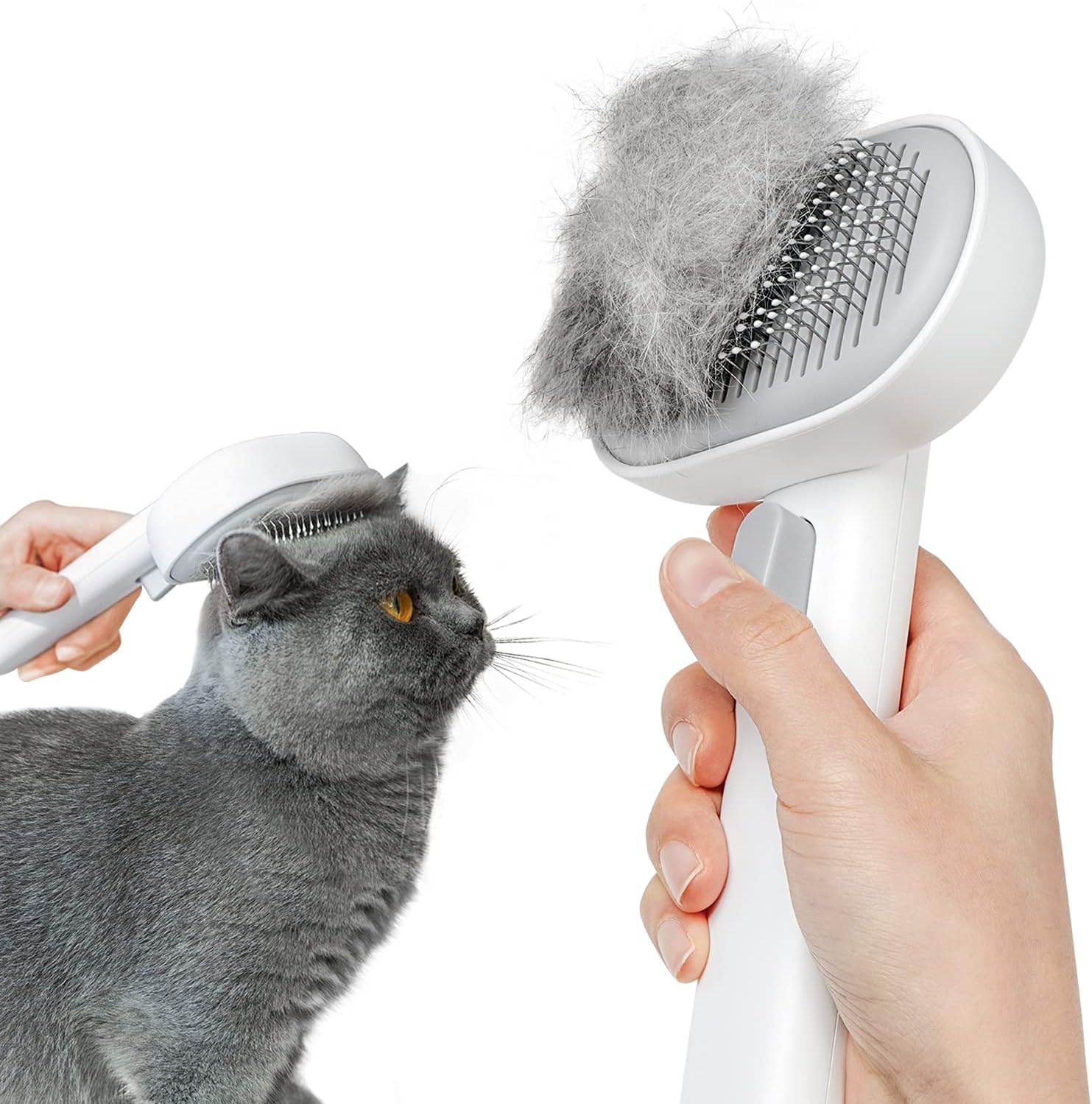
Preventing matting is easier than de-matting. Regular brushing, a balanced diet, and a healthy lifestyle can help prevent matting. Here are some tips to keep your cat's coat mat-free:
- Brush your cat regularly, ideally daily, to prevent matting.
- Feed your cat a balanced diet that promotes healthy skin and coat.
- Provide your cat with regular exercise and mental stimulation.
- Consult a veterinarian or a professional groomer for advice on preventing matting.
Conclusion
De-matting your cat requires patience, the right tools, and a gentle approach. By understanding the causes of matting, choosing the right de-matting tools, and following a step-by-step guide, you can safely and effectively remove mats and prevent future matting. Remember, regular grooming and a healthy lifestyle are essential to maintaining a mat-free coat for your cat.
Additional Tips
Here are some additional tips to keep your cat's coat healthy and mat-free:
- Use a humidifier to prevent dry skin and coat.
- Avoid using human hair products on your cat, as they can cause irritation and allergic reactions.
- Consult a veterinarian or a professional groomer for advice on preventing matting.
- Keep your cat's coat clean and dry to prevent matting.
Resources
For more information on cat hair de-matting methods and preventing matting, consult the following resources:
- VetBilim: Matted Fur in Senior Cats
- Petco: Dealing with Matted Fur
- Andis: De-Matting Tool for Dogs and Cats