Understanding Computer Networking Equipment
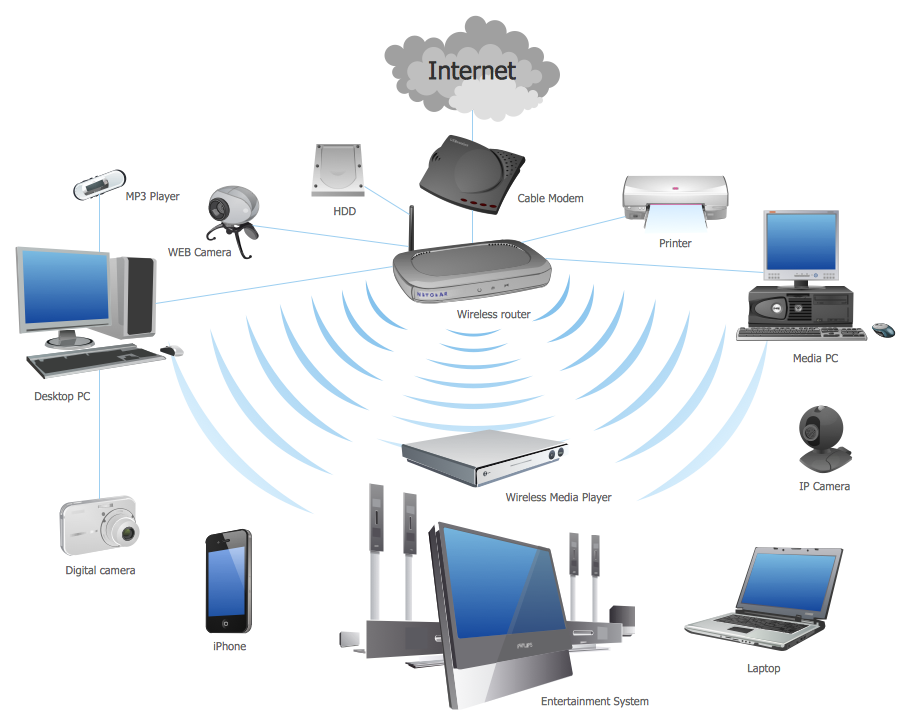
Computer networking equipment is an essential component of modern computing, enabling devices to communicate with each other and access the internet. In this article, we'll delve into the world of computer networking equipment, exploring its significance, types, and applications.
What is Computer Networking Equipment?
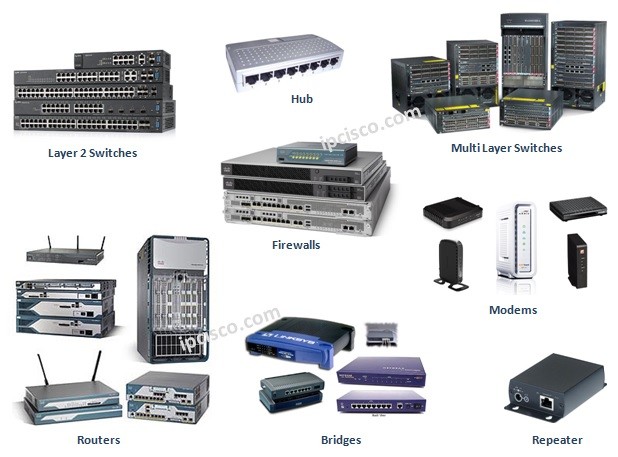
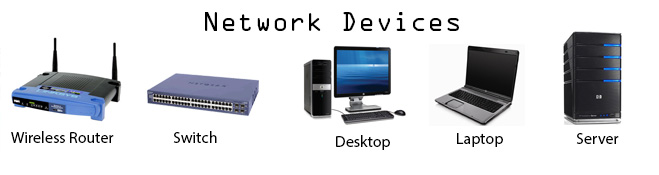
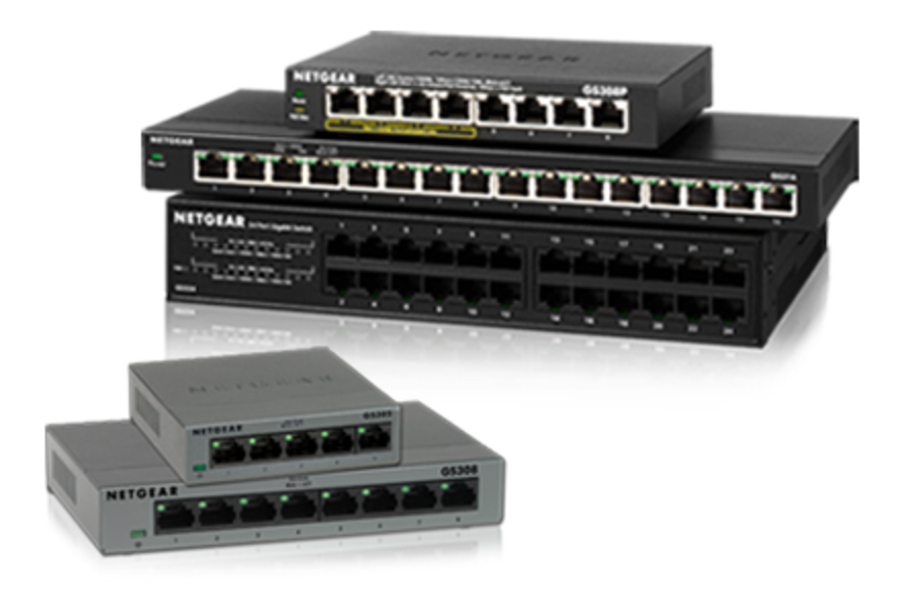
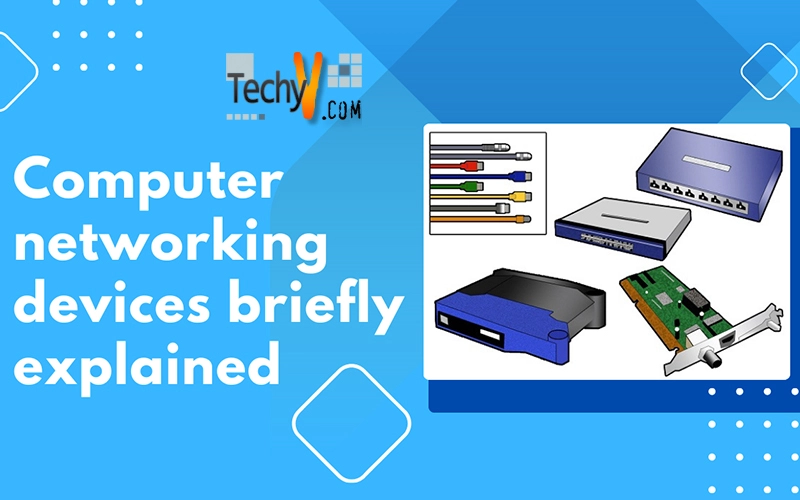
Computer networking equipment refers to the hardware devices used to establish, manage, and maintain computer networks. This includes routers, switches, modems, network cables, wireless access points, and network adapters. These devices work together to facilitate data transmission, routing, security, and management within computer and telecommunications networks.
Types of Computer Networking Equipment
The following are some of the most common types of computer networking equipment:
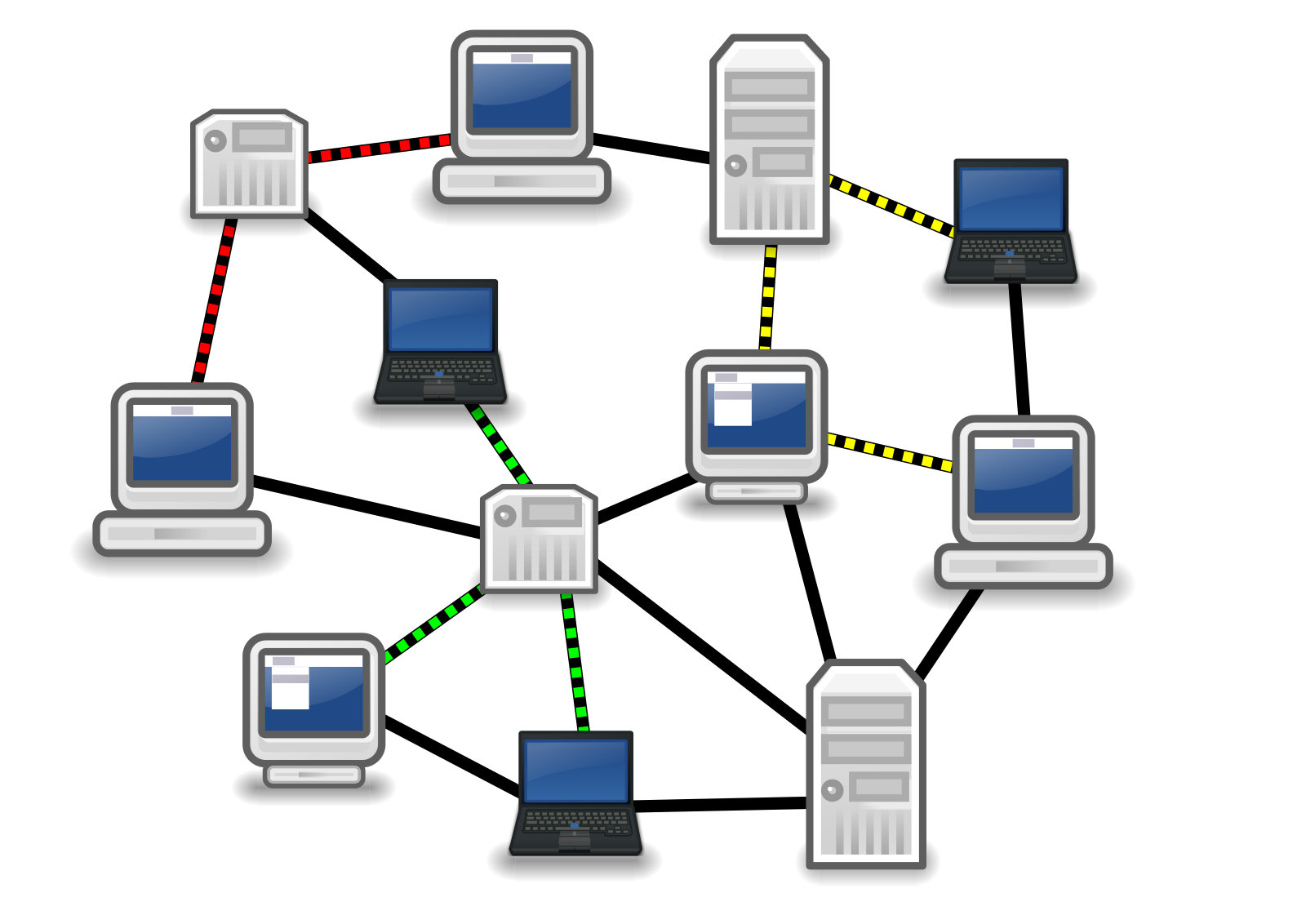
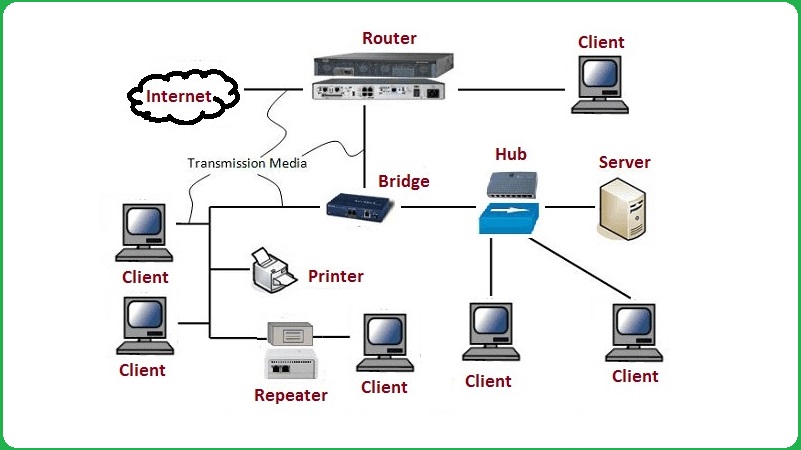
- Nodes and Links: Nodes and links are the basic building blocks of computer networks. A node is a device, such as a computer or router, that connects to other devices, while a link refers to the transmission media connecting two nodes.
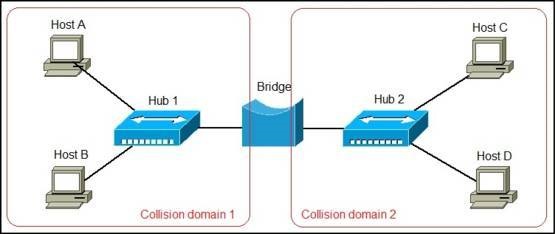
- Devices: Network devices include routers, switches, firewalls, hubs, and gateways that enable communication, data routing, security, and management within computer and telecommunications networks.
- Media: Media refers to the transmission media, such as optical fiber, Ethernet cables, or wireless signals, which connect devices on a computer network.
Importance of Computer Networking Equipment
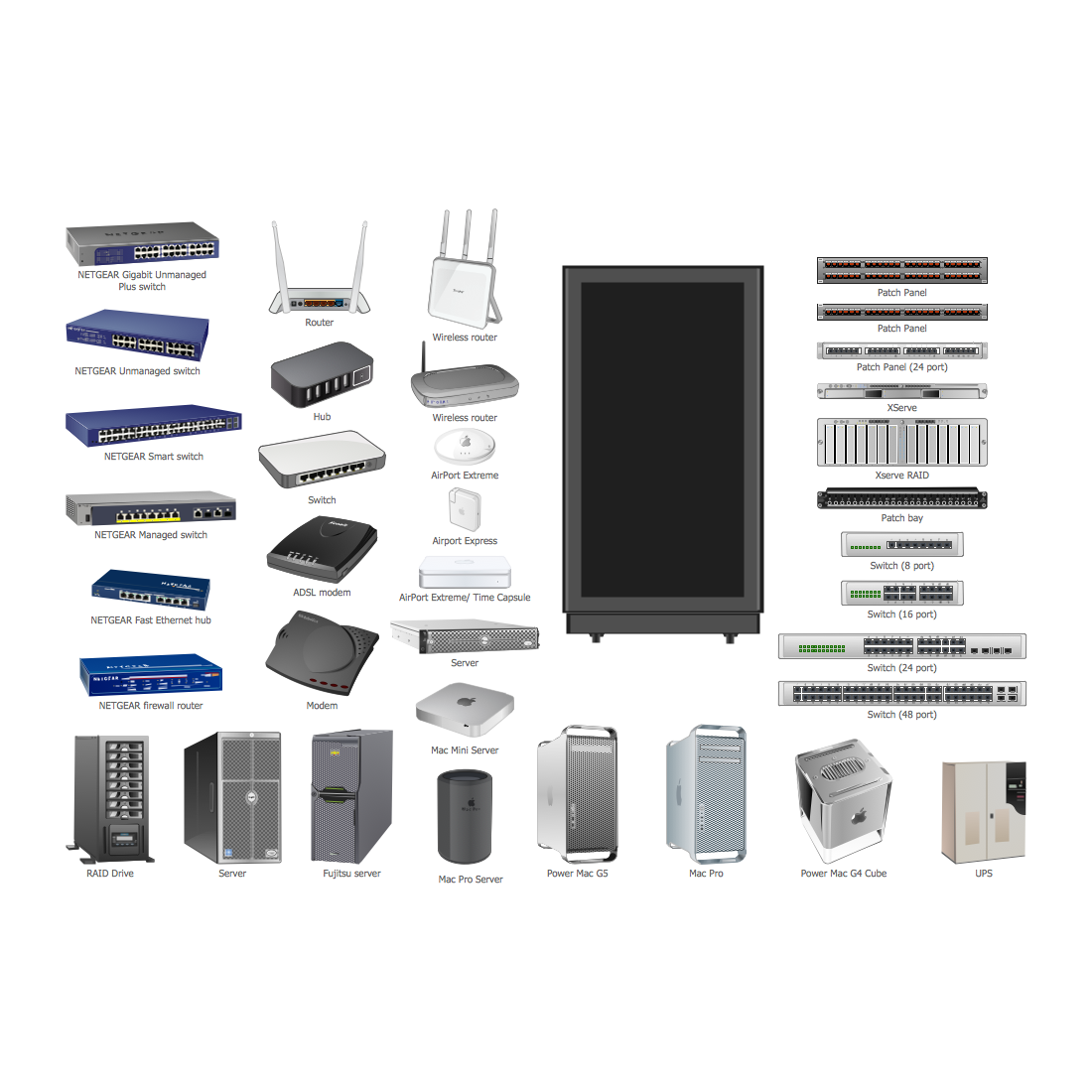
Computer networking equipment plays a vital role in today's interconnected world. Some of the importance of computer networking equipment includes:
- Enhanced Communication: Computer networking equipment enables devices to communicate with each other, facilitating communication, information sharing, and access to resources.
- Improved Data Transmission: Computer networking equipment ensures efficient data transmission, reducing latency and errors.
- Security: Devices such as firewalls and routers provide a layer of security, protecting networks from unauthorized access and malicious activities.
- Management: Computer networking equipment enables network administrators to manage and monitor network performance, configuration, and traffic.
Choosing the Right Computer Networking Equipment
When selecting computer networking equipment, consider the following factors:
- Speed: Choose equipment with high-speed capabilities to ensure efficient data transmission.
- Security: Prioritize security features, such as firewalls and intrusion detection systems, to protect your network.
- Scalability: Select equipment that can adapt to growing network demands.
- Manageability: Consider equipment that is easy to configure, monitor, and manage.
Conclusion
Computer networking equipment is an essential component of modern computing, enabling devices to communicate with each other and access the internet. Understanding the types, importance, and factors to consider when choosing the right equipment is crucial for efficient network operation and management. By selecting the right computer networking equipment, you can ensure a stable, secure, and scalable network that meets your needs.