Can You Give Dogs Tylenol? A Guide to Safe Pain Relief
Dogs will often display signs of pain and discomfort, and as a responsible pet owner, it's natural to want to alleviate their suffering. However, it's crucial to exercise caution when considering giving your dog human pain medications, such as Tylenol. While Tylenol may seem like an easy solution to soothe your dog's pain, it's essential to remember that it can be toxic to dogs if not used properly.
Why is Tylenol toxic to dogs?
Acetaminophen, the primary active ingredient in Tylenol, can cause severe side effects in dogs, including:
- Liver damage
- Red blood cell toxicity
- Internal bleeding
- Decreased oxygen-carrying capacity of blood
These side effects can be life-threatening and may require intensive care by a veterinarian. Therefore, it's crucial to understand the risks associated with giving human medication to your dog.
Signs of Tylenol toxicity in dogs
If your dog ingests Tylenol, it's essential to monitor for these signs of toxicity:
- Increased thirst and urination
- Loss of appetite
- Vomiting
- Yellowing of the skin and eyes (jaundice)
- Normally, lethargy and a lack of energy
Seek immediate veterinary attention if you suspect your dog has ingested Tylenol, even if they appear to be fine.
When is Tylenol safe for dogs?

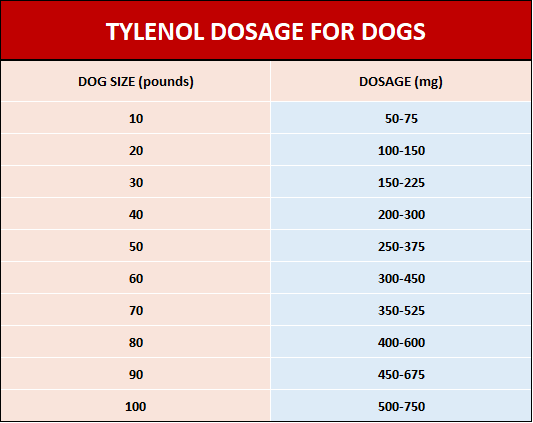
While Tylenol is not a recommended medication for dogs, it can be used in certain situations under the guidance of a veterinarian. Low doses of acetaminophen may be prescribed for dogs with fever or mild pain, but it's crucial to follow the veterinarian's instructions carefully.
Accurate dosing is essential to avoid overdose, which can cause severe toxicity. If your dog has liver or clotting disorders, your veterinarian may advise against using acetaminophen altogether.
Alternative pain relief options for dogs
There are various safer and more effective pain relief options for dogs, including:
- Carprofen: a veterinarian-prescribed medication for arthritis and pain relief
- Gabapentin: a prescription medication for pain management and anxiety
- Meloxicam: a veterinarian-prescribed medication for arthritis and pain relief
- Natural supplements: some natural supplements like turmeric, omega-3 fatty acids, and CBD oil may help alleviate pain in dogs, but consult with your veterinarian before administering any new remedies
Conclusion
While it may be tempting to give your dog Tylenol for pain relief, it's crucial to prioritize their safety and seek guidance from a veterinarian. Accurate dosing and careful monitoring can help avoid the risks associated with administering human medication to your dog. By choosing alternative pain relief options and following your veterinarian's advice, you can ensure your furry friend receives the best care possible.
Seek veterinary guidance before giving your dog any medication
It's always better to consult with your veterinarian before administering any medication to your dog. Remember, your dog's safety is paramount, and avoiding human painkillers like Tylenol is key to ensuring their well-being.