Cooking Eggs in Boiling Water: A Comprehensive Guide
Cooking eggs in boiling water is a simple yet crucial cooking method that requires attention to detail and a bit of science. In this article, we will delve into the world of egg boiling, exploring the benefits and best practices to achieve perfectly cooked eggs every time.
The Importance of Attention to Detail
When cooking eggs, the age and temperature of the eggs play a significant role in both cooking consistency and ease of peeling. If the eggs are not stored properly in the refrigerator, they may become brittle and prone to cracking when submerged in boiling water. Therefore, it's essential to store eggs in the refrigerator at a stable temperature between 32°F (0°C) and 40°F (4°C).
How to Boil Eggs in Water
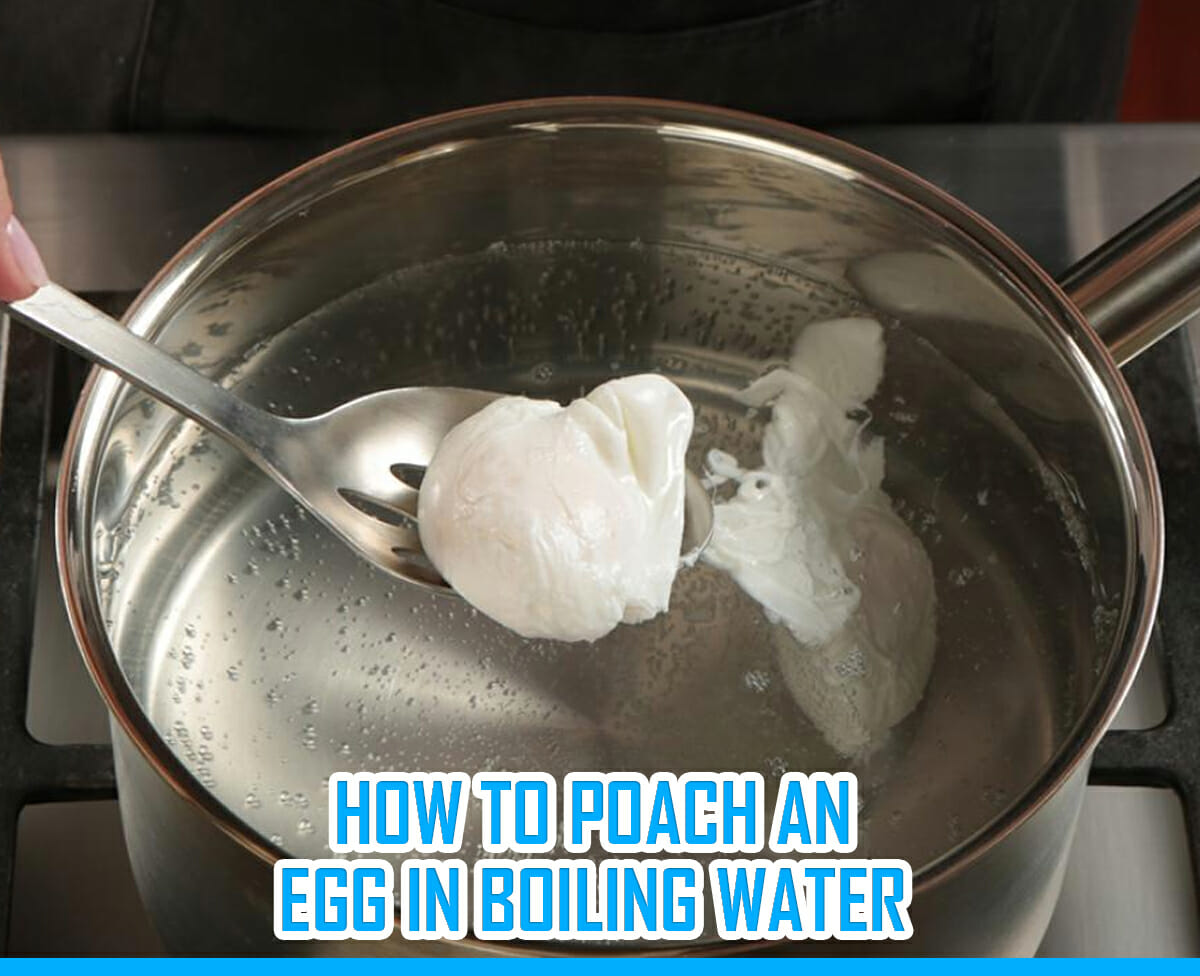
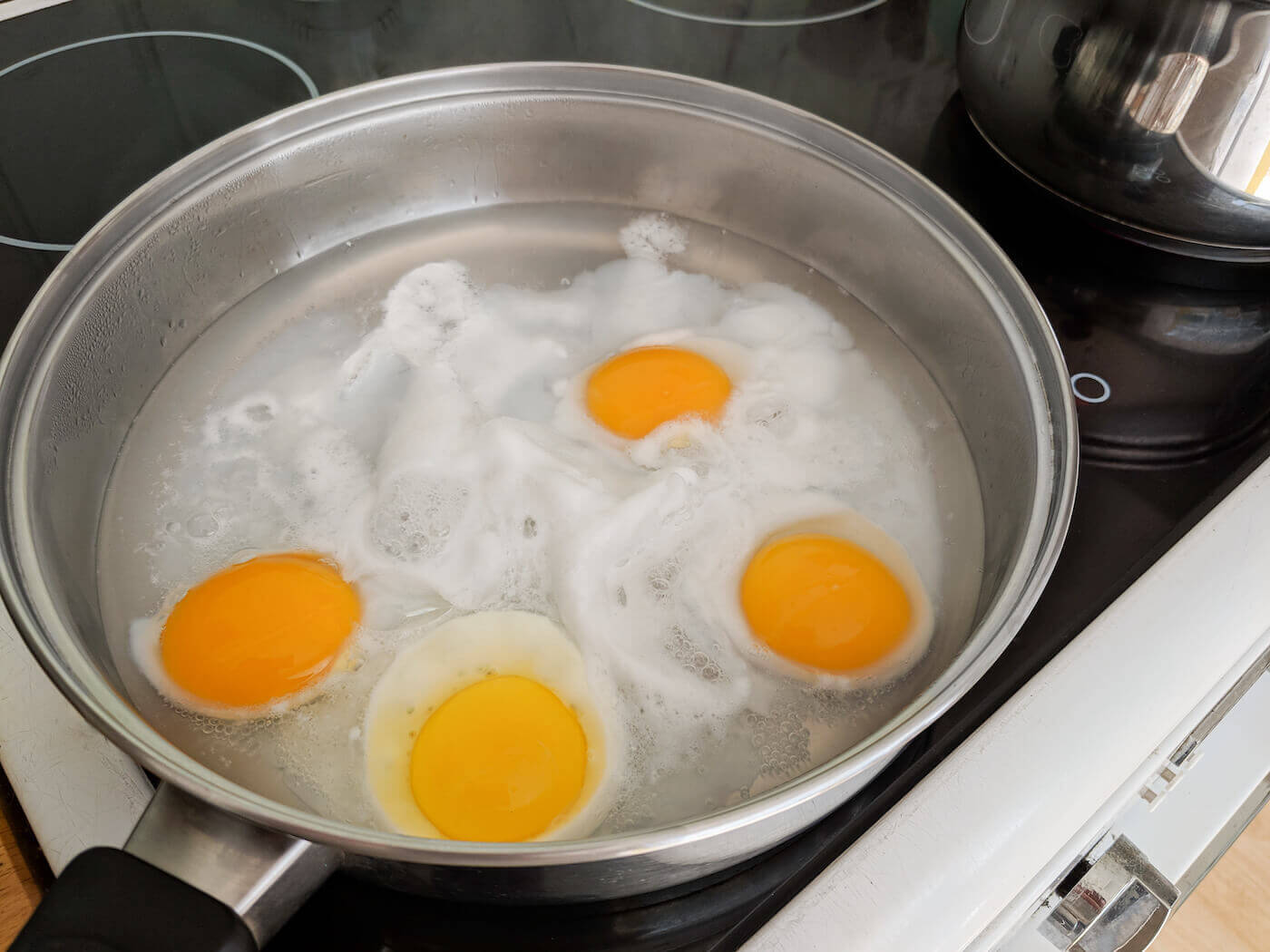
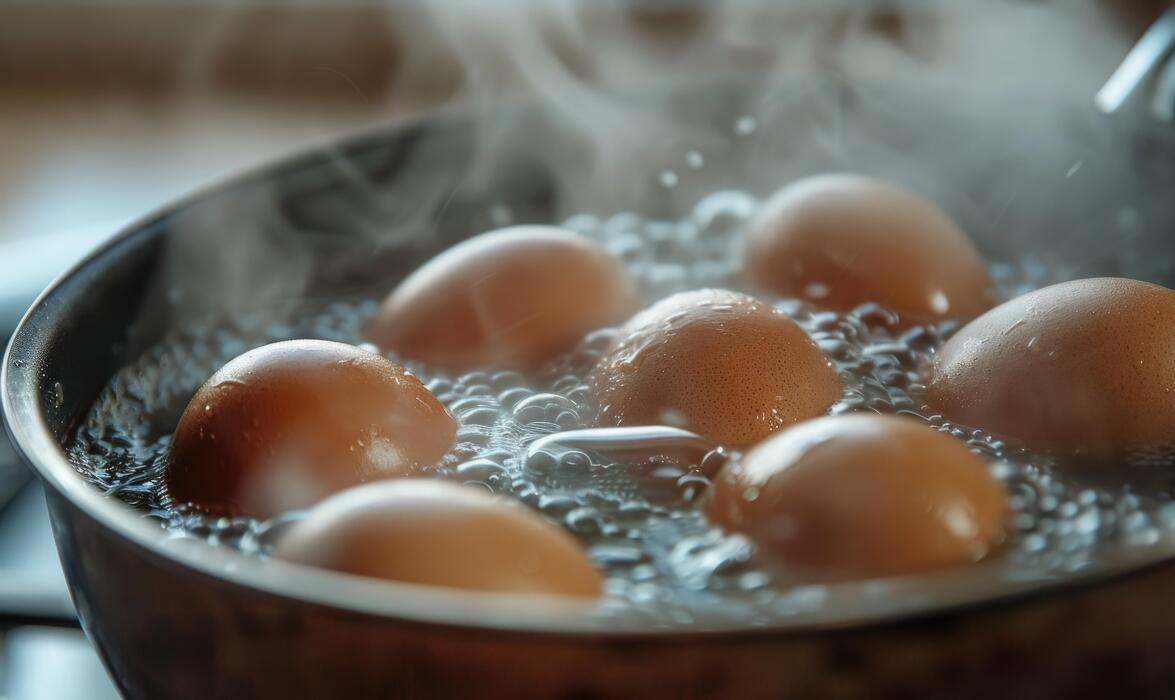
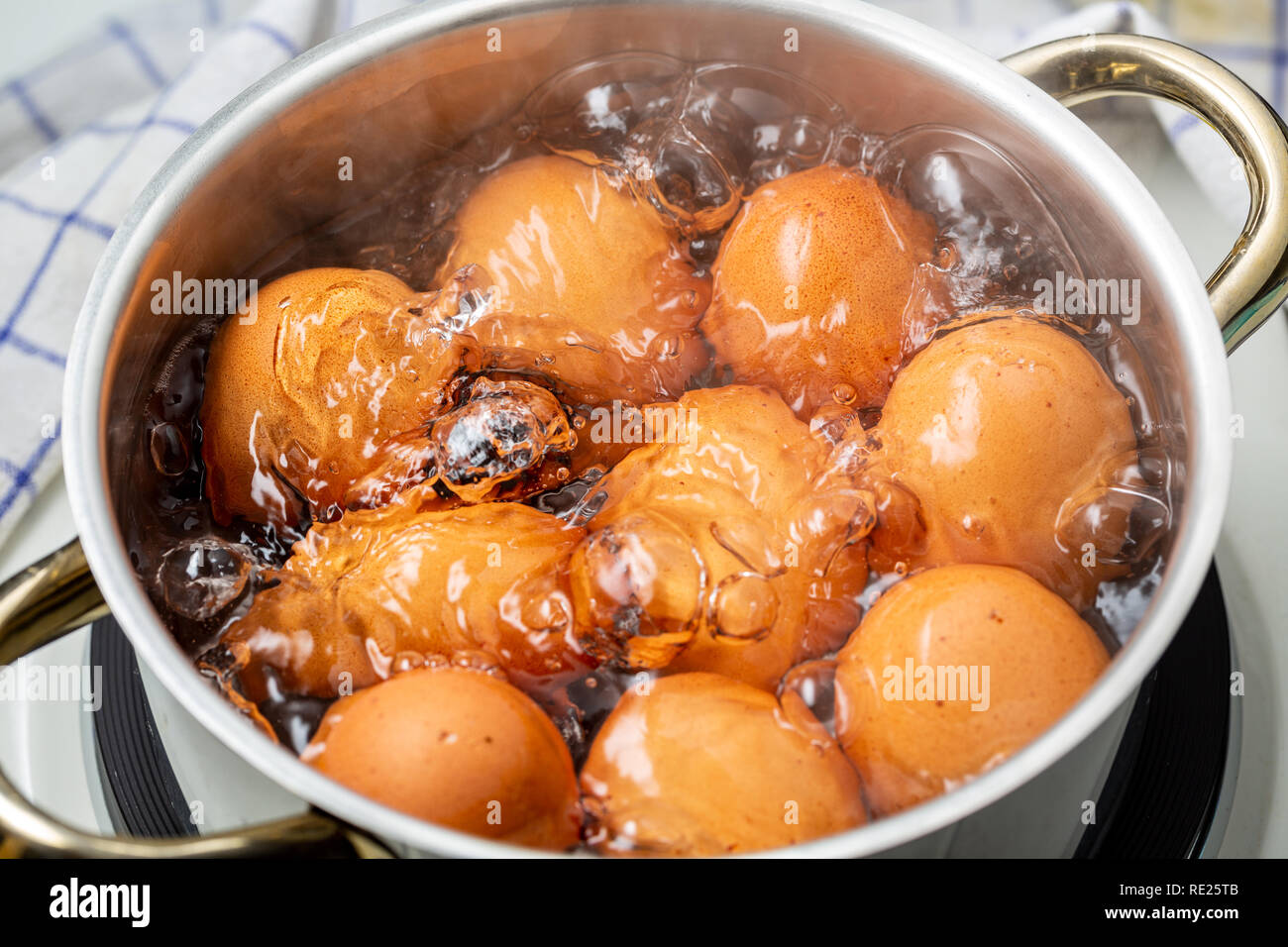
To boil eggs in water, you'll need a large pot or saucepan, a slotted spoon, and a timer. Fill the pot with enough water to cover the eggs by about an inch and add a pinch of salt for flavor. Next, gently lower the eggs into the boiling water using the slotted spoon, being careful not to crack the eggs. Place the lid on the pot and let it boil at a rolling boil for the recommended time based on your desired level of doneness.
Timing is Everything
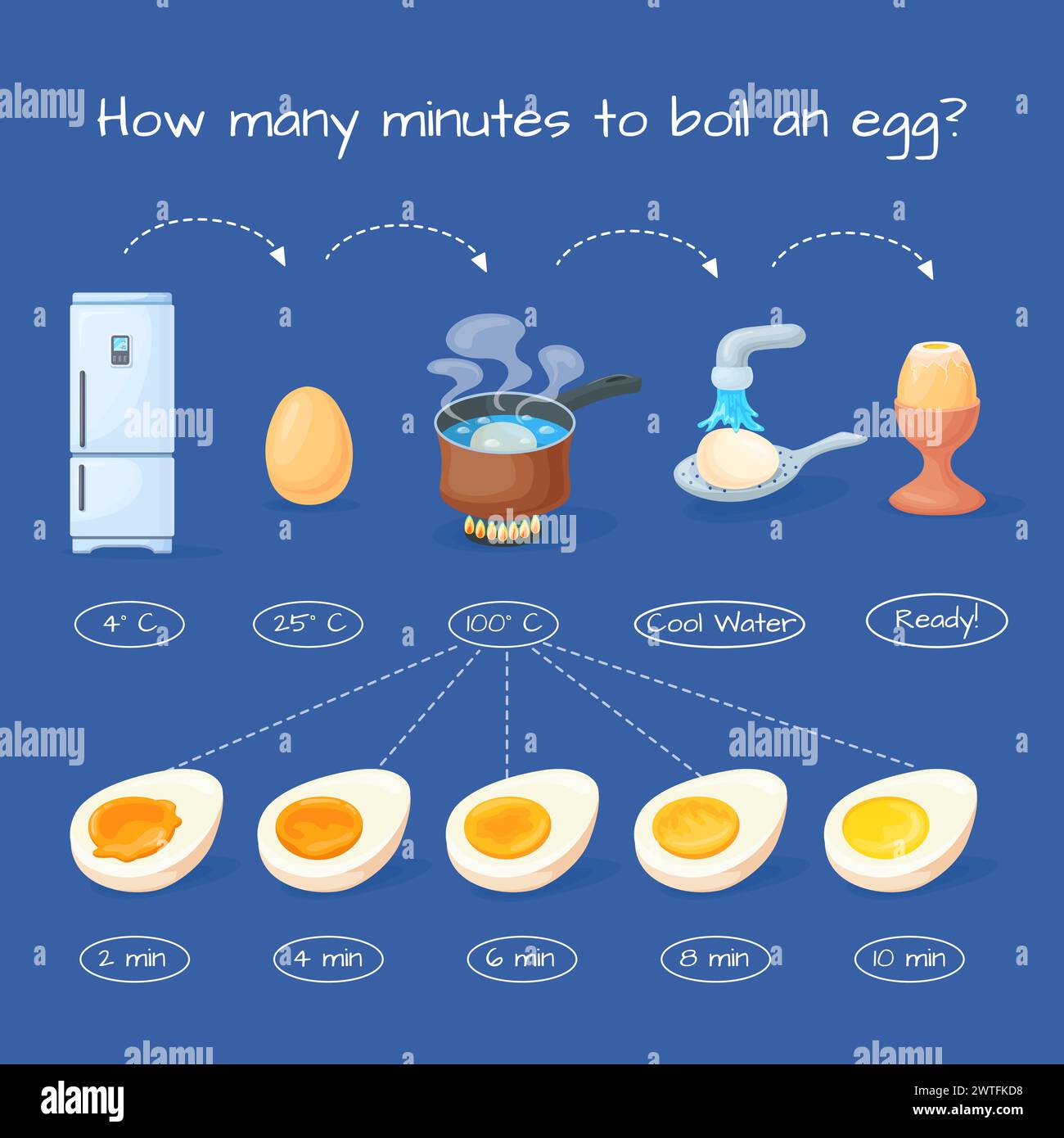
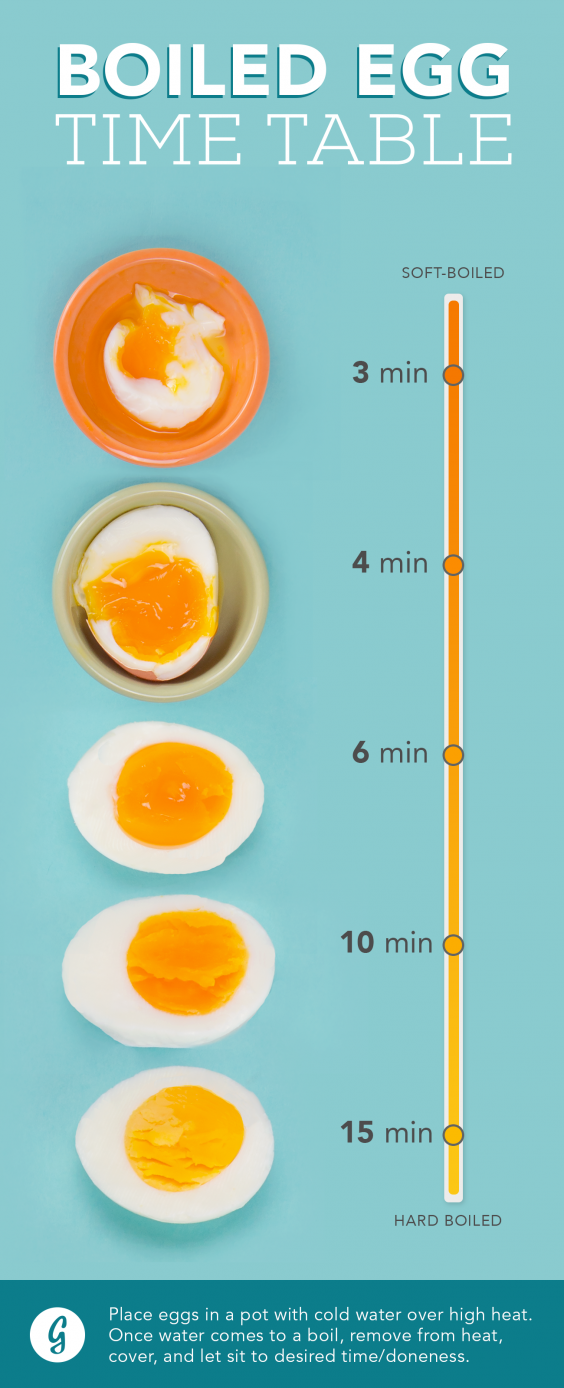
The doneness of a boiled egg is primarily determined by its cooking time, which dictates the coagulation of proteins in the yolk and white. Here's a general guideline for cooking eggs in boiling water:
- Soft-boiled eggs: 6-7 minutes for large eggs, 5-6 minutes for medium eggs, and 4-5 minutes for small eggs.
- Jammy eggs: 7-8 minutes for large eggs, 6-7 minutes for medium eggs, and 5-6 minutes for small eggs.
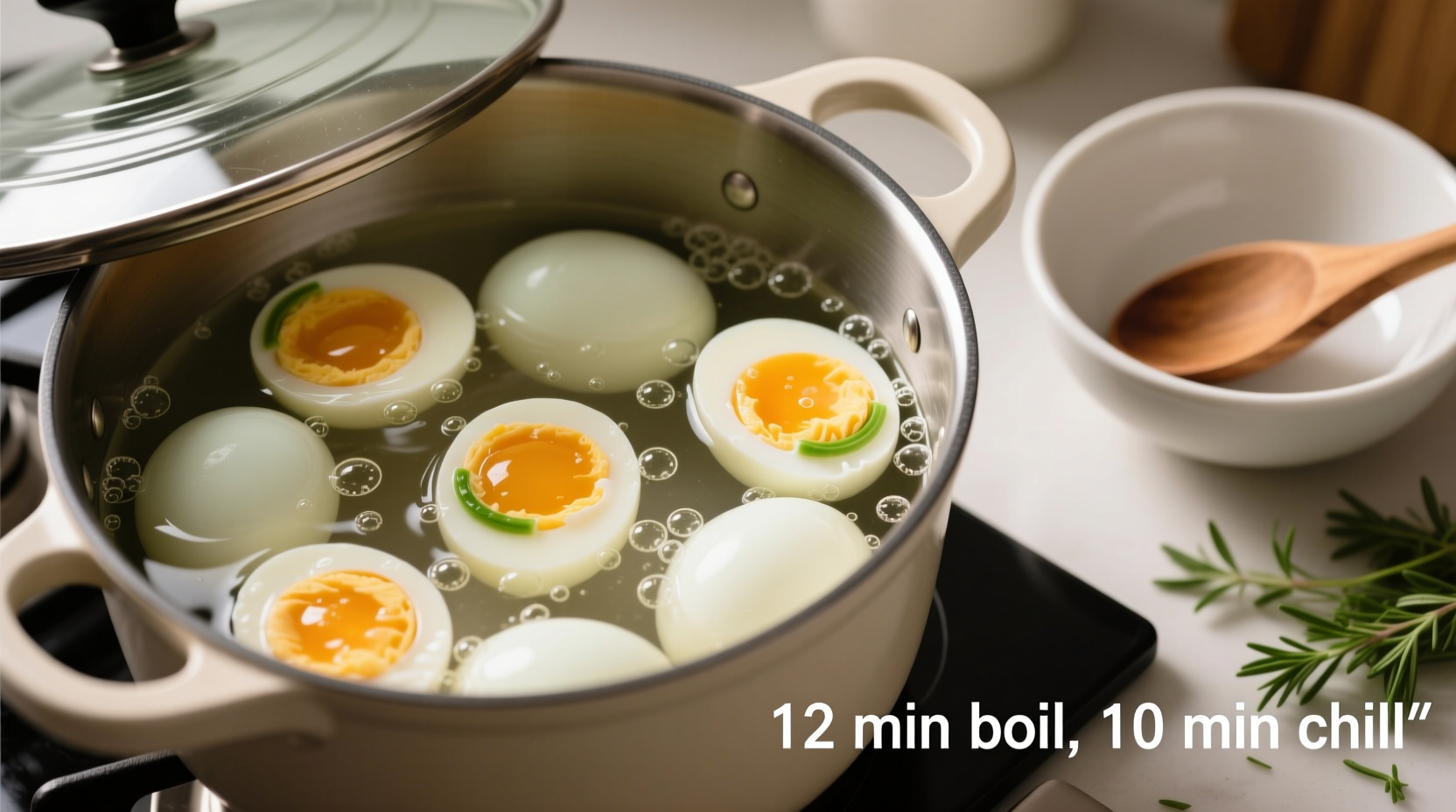
- Hard-boiled eggs: 10-12 minutes for large eggs, 9-11 minutes for medium eggs, and 8-10 minutes for small eggs.
The Ice Bath Trick
After cooking the eggs, immediately transfer them to a bowl of ice water to stop the cooking process. This step helps to relax the eggs and make them easier to peel. Let them sit in the ice bath for at least 10 minutes before peeling.

Why My Recipe Chose a Cold Water Start
Adding cold water to the pot before boiling is a key step in achieving perfectly cooked eggs. This process helps to prevent the eggs from cooking too quickly and unevenly, resulting in a better texture and easier peeling. Additionally, a cold water start helps to reduce the risk of cracked eggs.
The Science Behind Perfectly Cooked Eggs
Thermal denaturation is the process of coagulating proteins in the egg white and yolk. When eggs are cooked, the proteins in the egg white and yolk unwind and reorganize, forming a strong bond that gives the eggs their structure. The cooking time and temperature determine the degree of protein denaturation, resulting in different levels of doneness.
Removing Shells from Boiled Eggs
Removing the shells from boiled eggs can be a challenge, but with the right technique and tools, it becomes a breeze. Here are some tips to help you remove the shells from boiled eggs:
- Use a gentle touch when peeling, as rough handling can cause the eggs to tear.
- Try peeling the eggs at an angle to help the shells come off more easily.
- Use a soft brush or a gentle scrubber to help remove any remaining shells.
Perfecting Your Egg Boiling Technique
Practice makes perfect, and boiling eggs is no exception. With patience and attention to detail, you can achieve perfectly cooked eggs every time. Remember to store your eggs properly, use a cold water start, and adjust your cooking time and temperature based on your desired level of doneness.