Creating a Functional Resume: A Guide to Highlighting Your Skills
Are you struggling to stand out in a crowded job market? Do you want to shift the focus from your work history to your transferable skills? Creating a functional resume is an excellent option for you. Unlike a traditional chronological resume, a functional resume emphasizes your abilities and skills rather than your employment history. In this article, we will guide you through the process of creating an effective functional resume.
What is a Functional Resume?
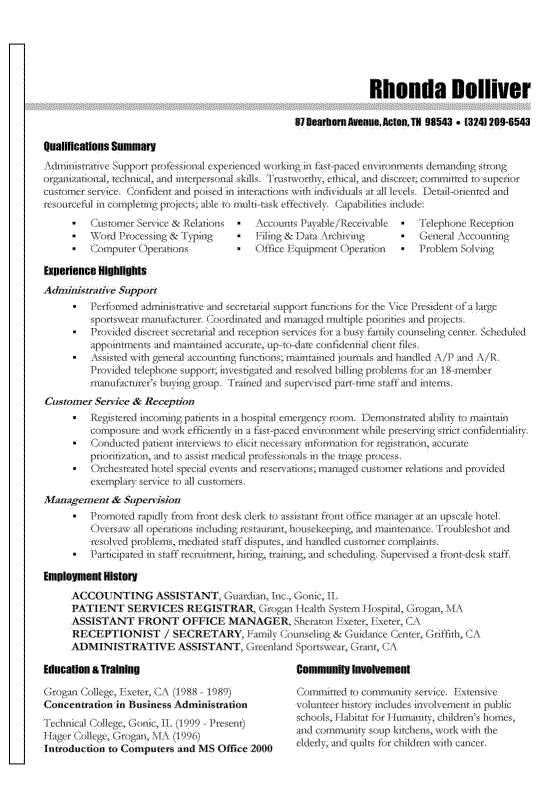
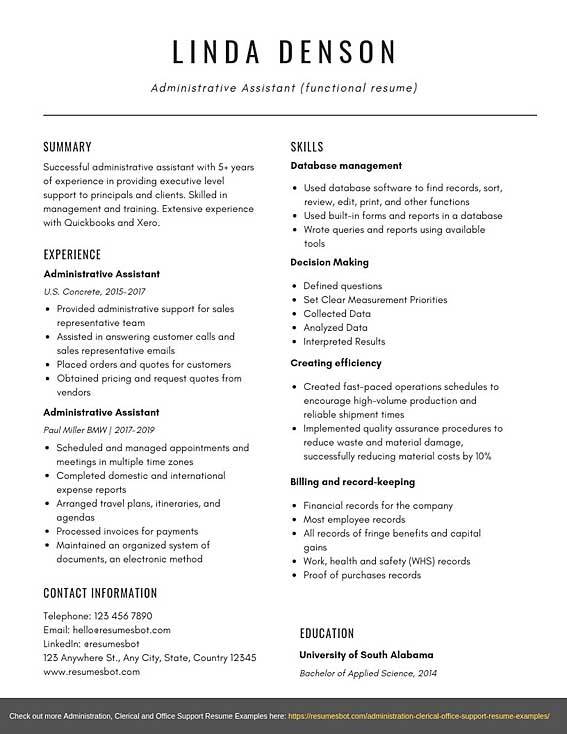
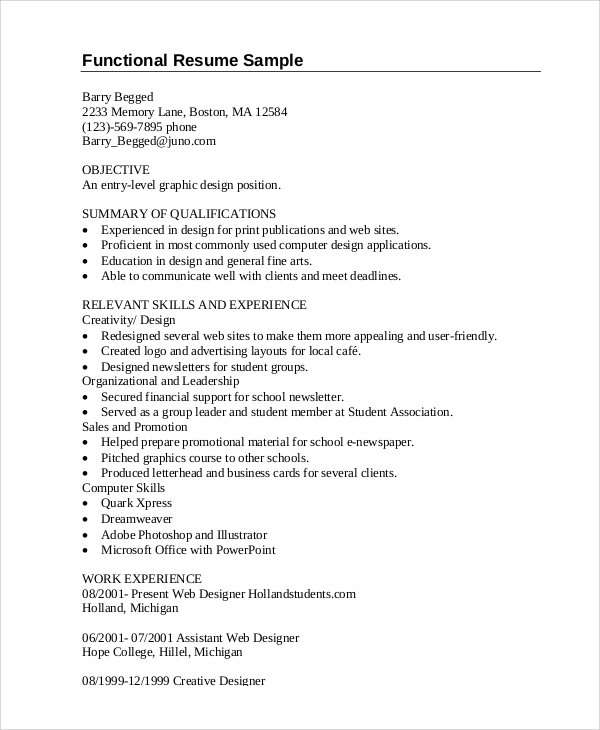
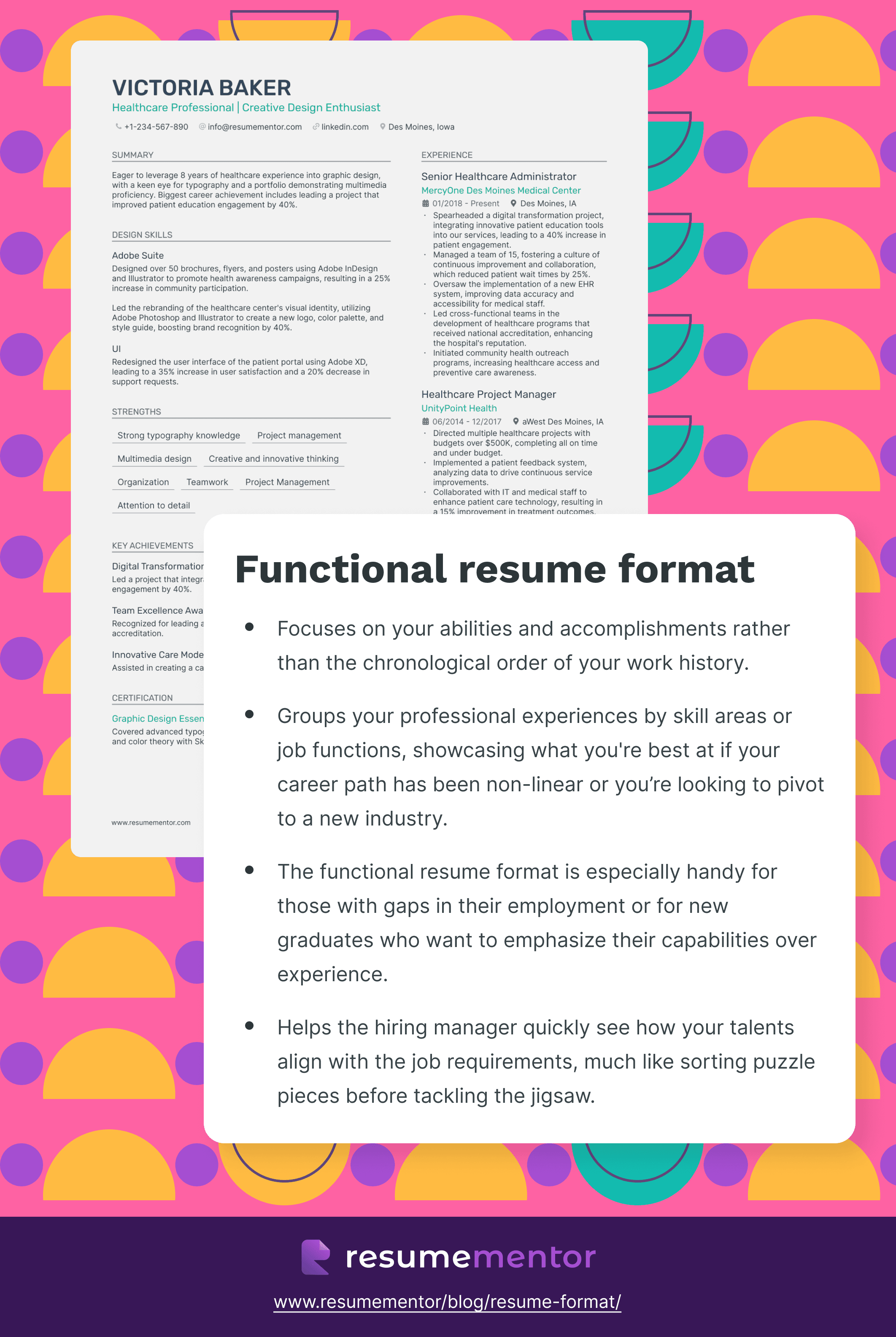
A functional resume is a type of resume that focuses on your skills rather than your work history. It is ideal for professionals who are changing careers, have gaps in employment, or are looking to downplay their work history. By highlighting your relevant skills, you can demonstrate your potential to employers, making it easier to get noticed in the job market.
When to Use a Functional Resume?
- When changing careers: A functional resume helps you highlight transferable skills, making it easier to transition into a new field.
- When you have gaps in employment: A functional resume focuses on your skills rather than your work history, which can help you account for employment gaps.
- When you're a freelancer or entrepreneur: A functional resume showcases your expertise and skills, which is essential for freelancers and entrepreneurs.
How to Create a Functional Resume?
Creating a functional resume requires strategic planning and attention to detail. Here's a step-by-step guide to help you get started:
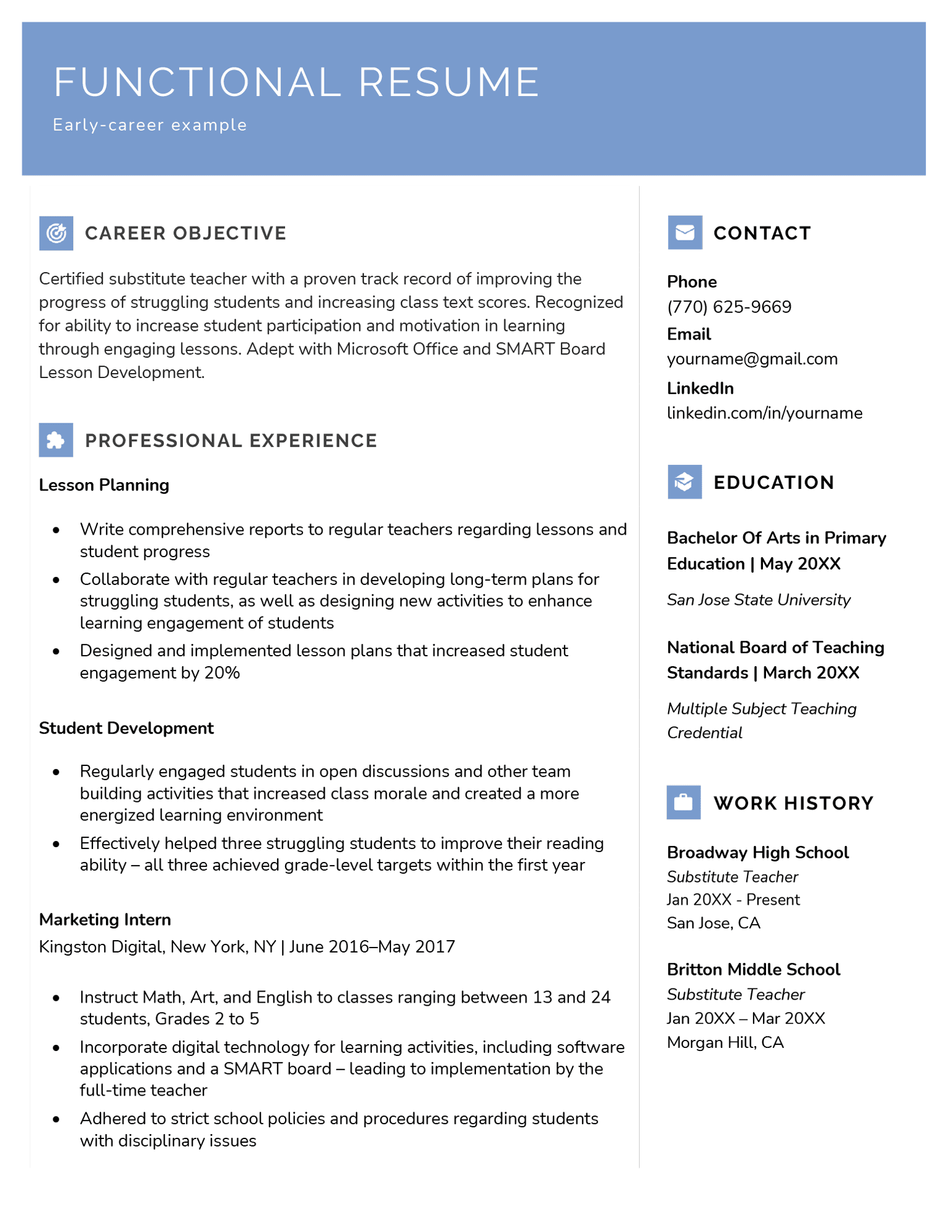
- Identify your skills**: Make a list of your transferable skills, including technical, language, and soft skills.
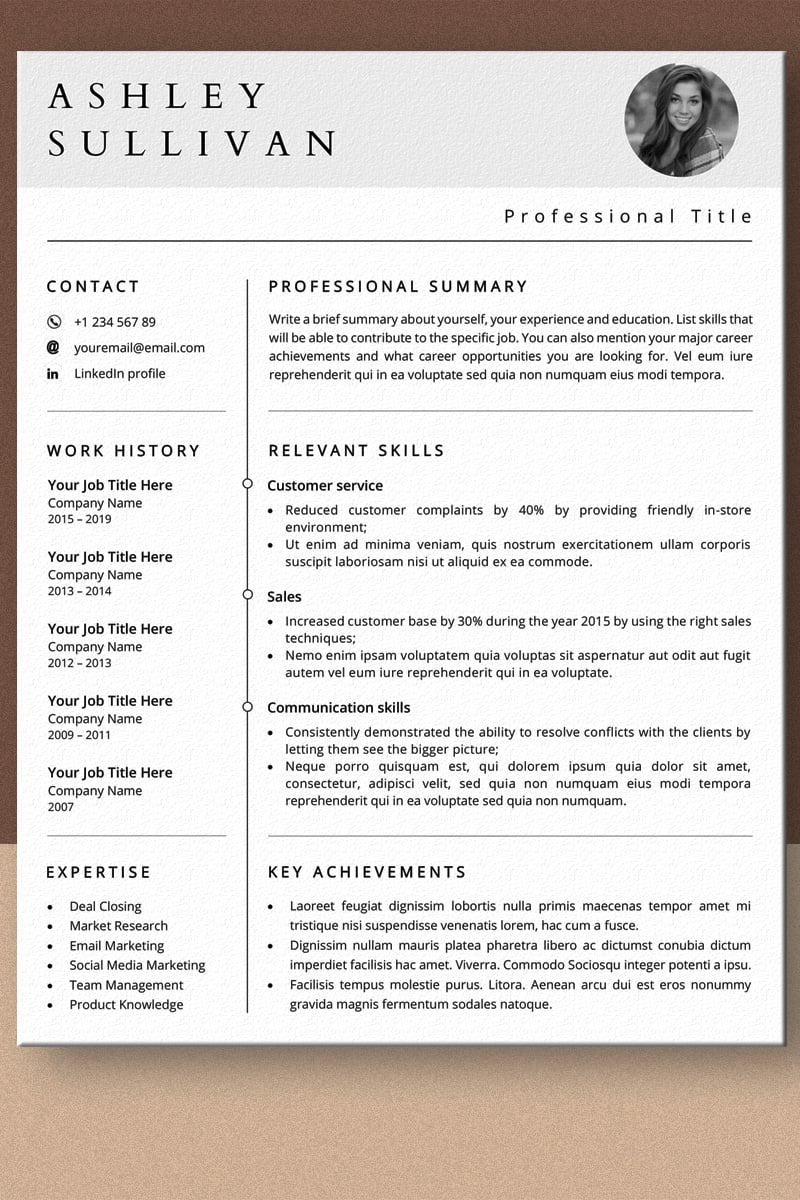
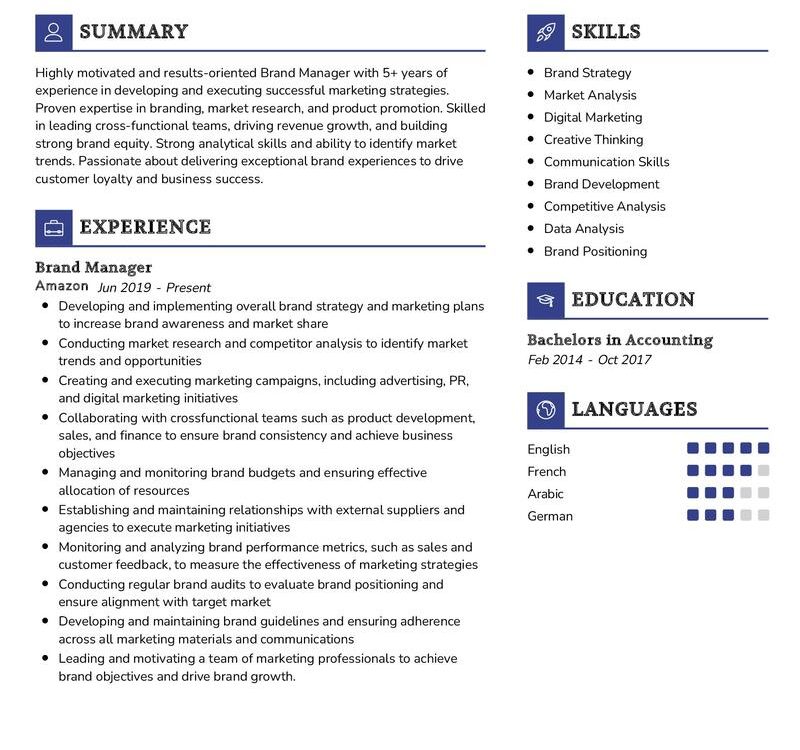
- Choose a functional format**: Select a functional resume template that adapts to your needs and experience levels.
- Emphasize your skills**: Use keywords from the job description to describe your skills and experience.
- Keep it concise**: Keep your resume concise and focused on your skills, rather than your work history.
- Highlight achievements**: Use specific examples to demonstrate your achievements and how your skills have been applied in the past.
- Add relevant sections**: Include relevant sections such as a summary or objective statement, education, and relevant projects or volunteering experience.
Best Practices for Creating a Functional Resume
Creating a functional resume requires attention to detail and strategic planning. Here are some best practices to keep in mind:
- Use keywords from the job description**: Use keywords from the job description to describe your skills and experience.
- Highlight achievements**: Use specific examples to demonstrate your achievements and how your skills have been applied in the past.
- KISS (Keep it Simple and Sleek)**: Keep your resume concise and easy to read, focusing on clear and concise language.
- Proofread**: Carefully proofread your resume to ensure there are no errors or typos.
Conclusion
Creating a functional resume is a strategic way to highlight your skills and transferable abilities. By following the steps outlined in this article, you can create an effective functional resume that showcases your potential to employers. Remember to emphasize your skills, keep your resume concise, and use keywords from the job description to increase your chances of getting noticed in the job market.
By following these best practices and tips, you can create a functional resume that showcases your skills and helps you stand out in a crowded job market. Remember, a functional resume is not a one-size-fits-all solution; it's a flexible and adaptive tool that can be used to suit your specific needs and experience levels.
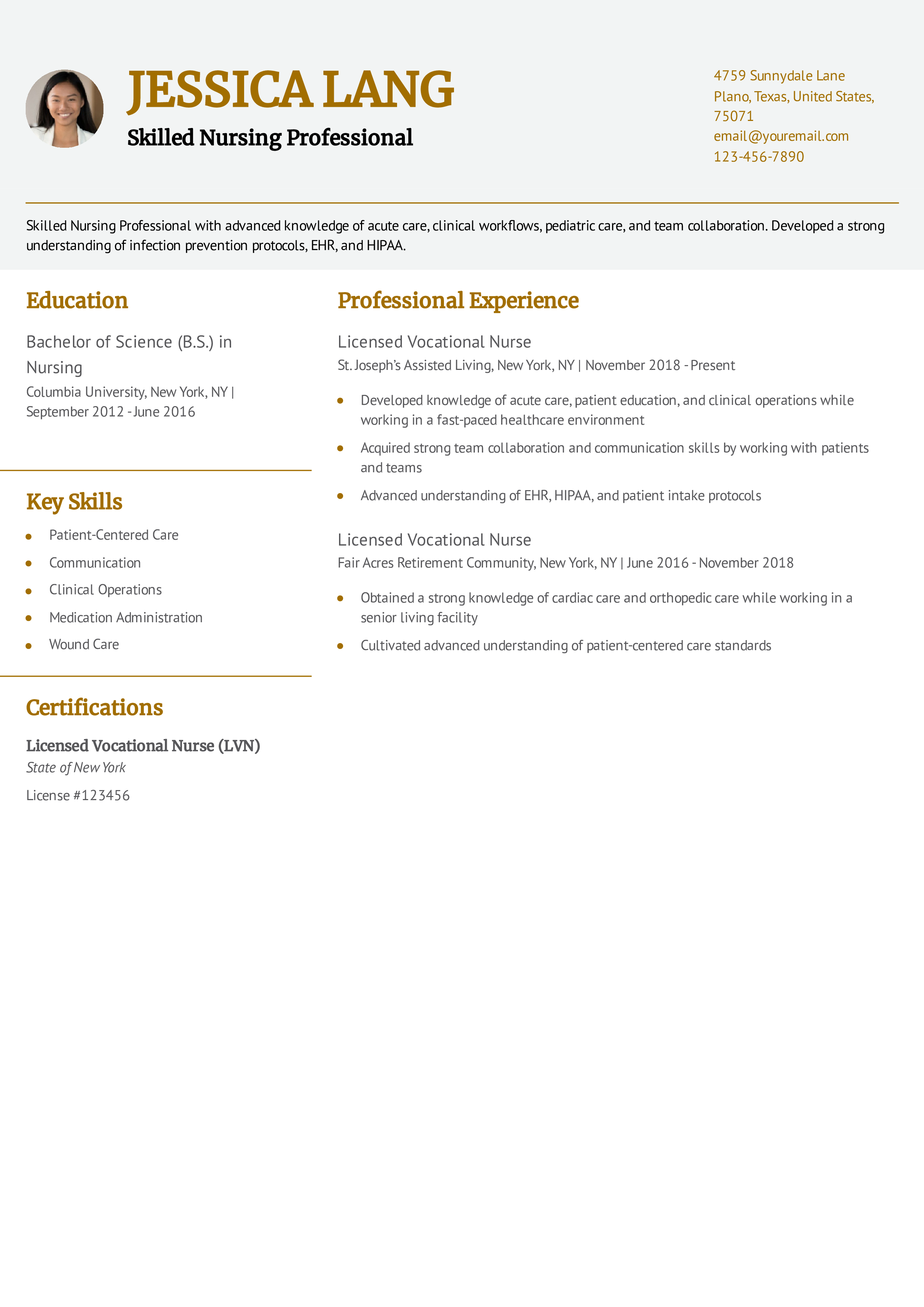
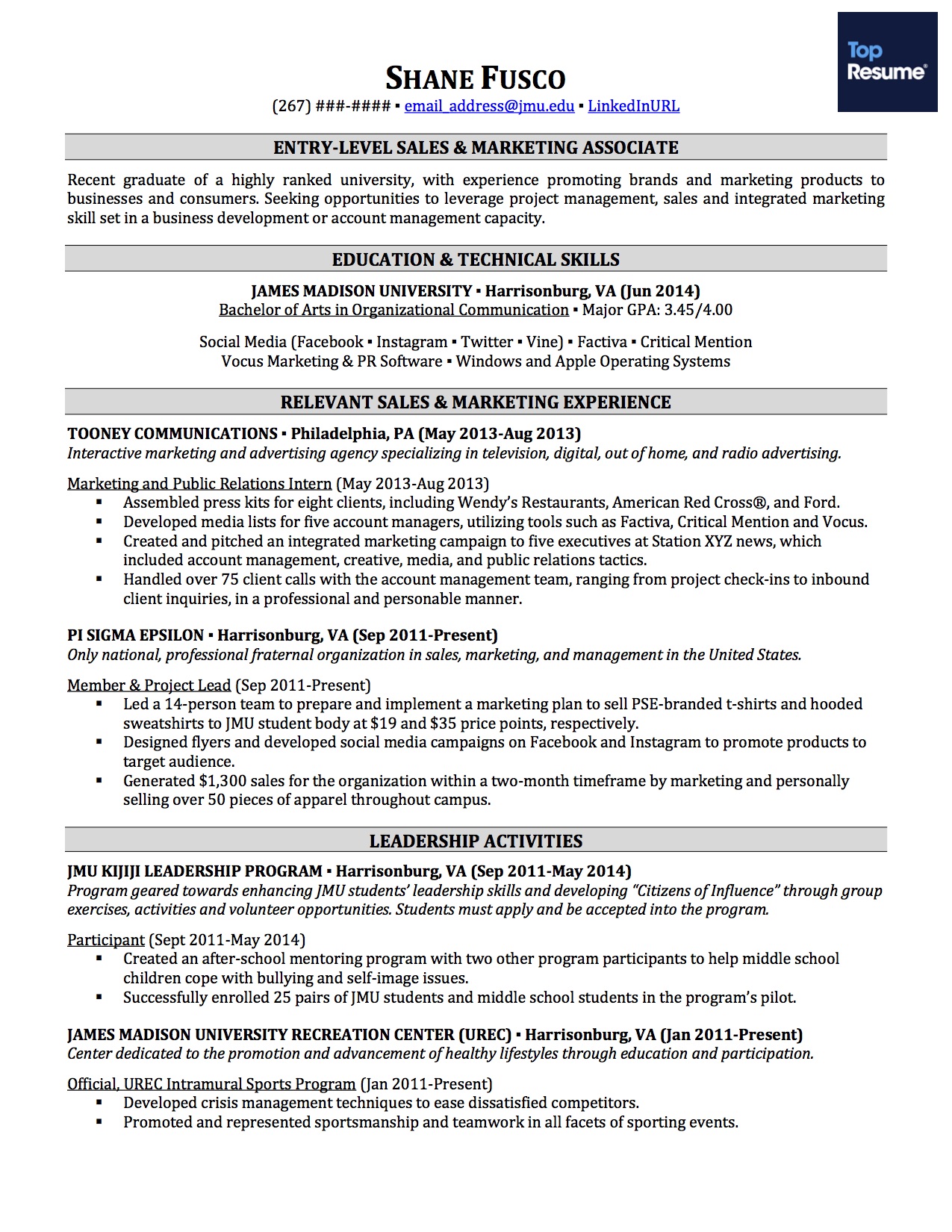
![How to Write a Functional Resume [4 Free Templates Included]](https://cdn.enhancv.com/predefined-examples/U87233j4lbi5yFphbwObzFxmvL9lSfZne3lt2lpC/image.png "How to Write a Functional Resume [4 Free Templates Included]")
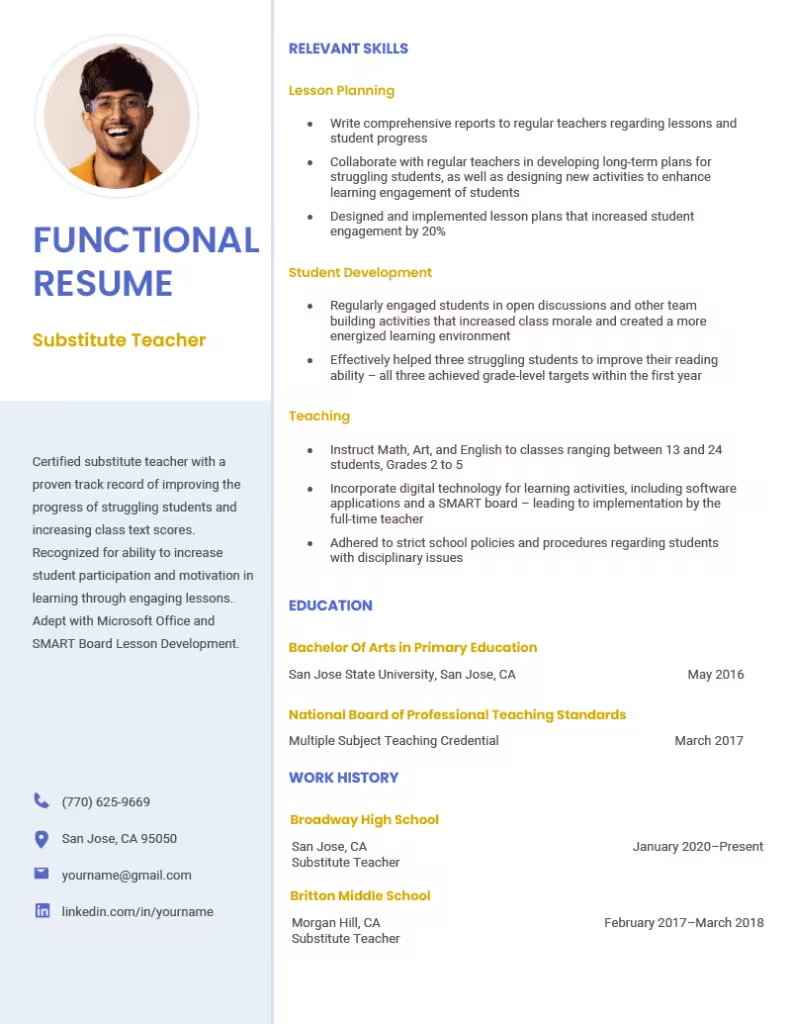
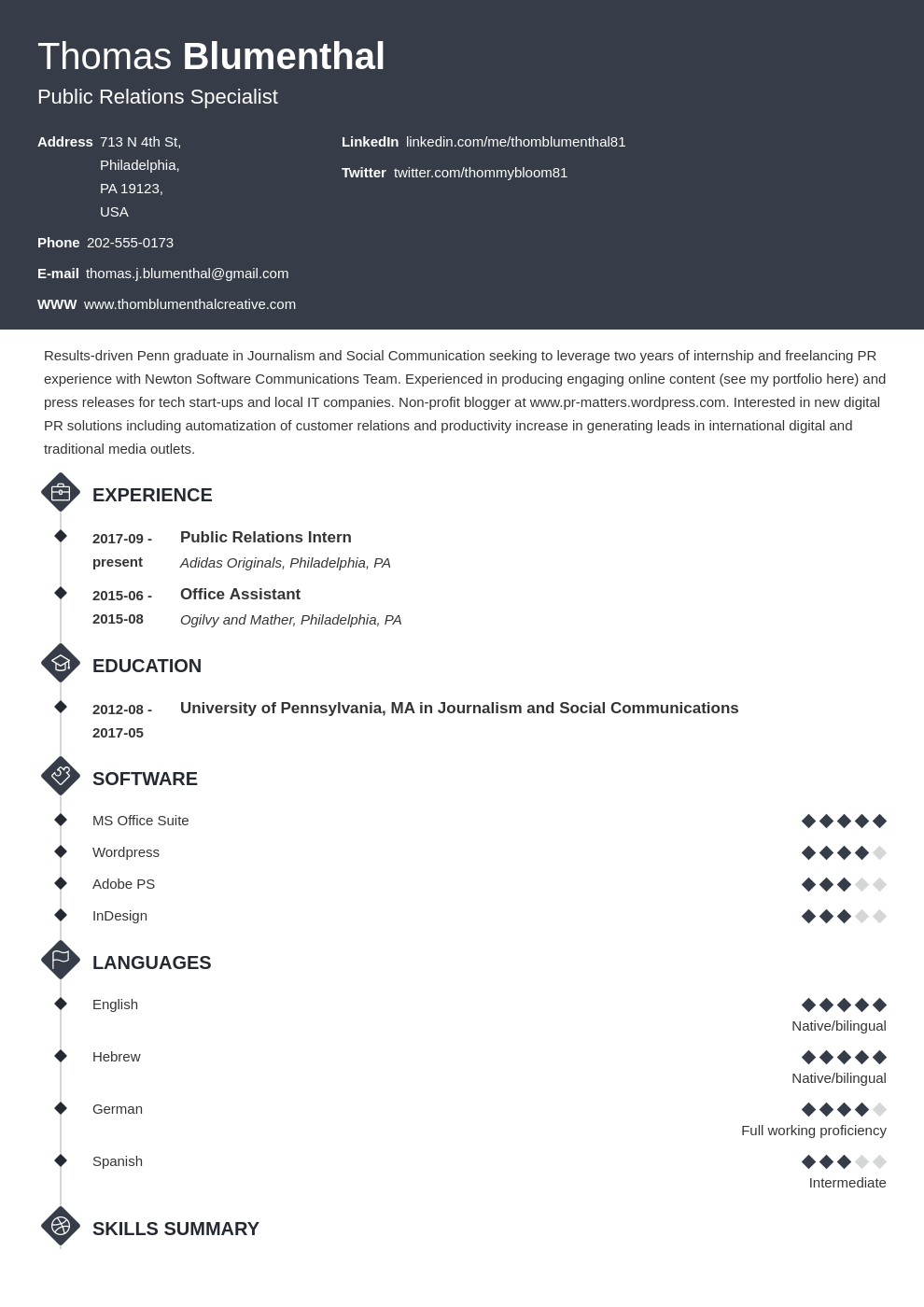
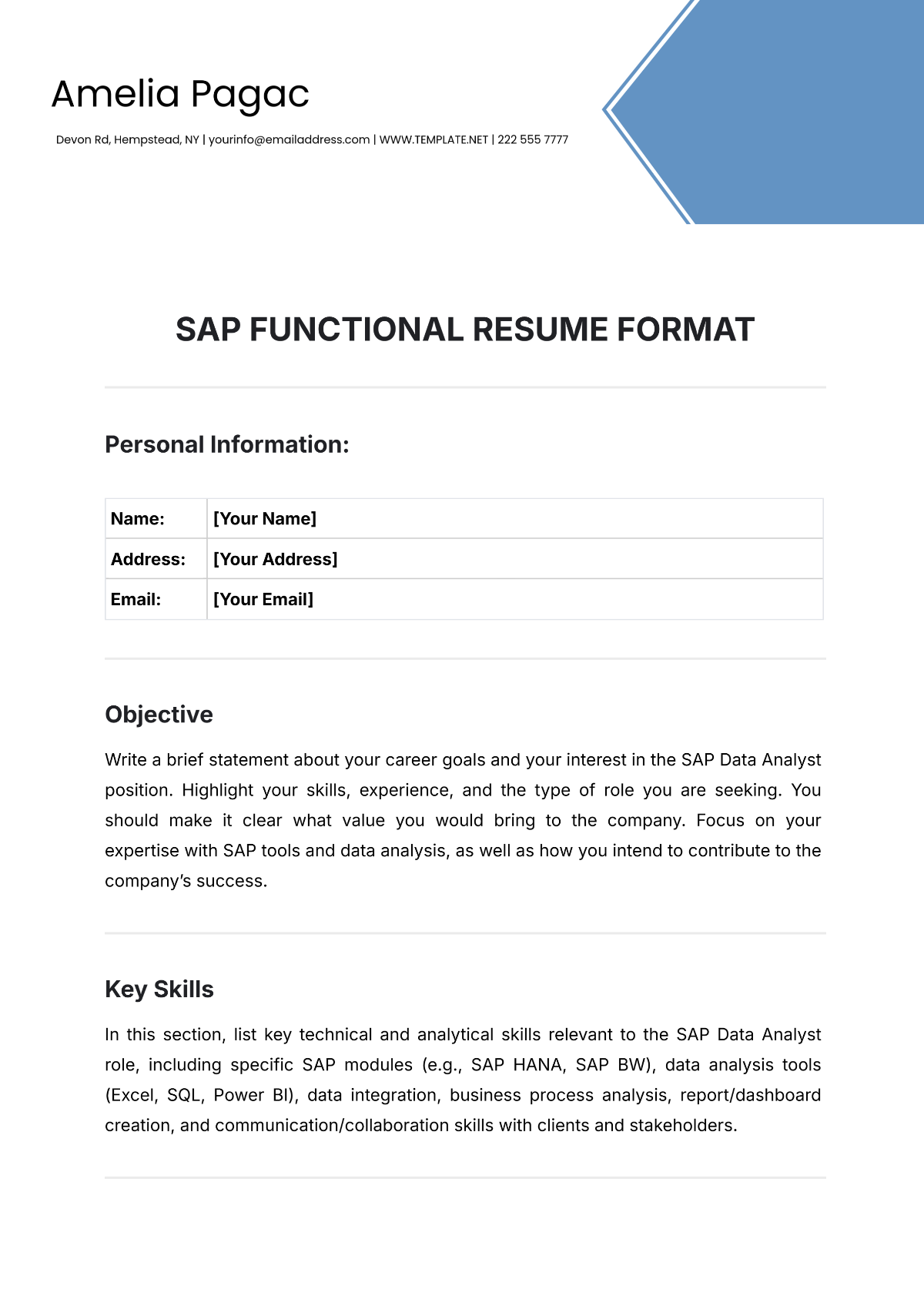
![Free Resume Templates [Customize & Download]](https://cdn.prod.website-files.com/62f3a8c764f6eb23f4252b13/6704cfc9dfd192c3026d8461_FunctionalResume.webp "Free Resume Templates [Customize & Download]")