Melatonin Overdose Data and Statistics: Treatment and Risk Factors
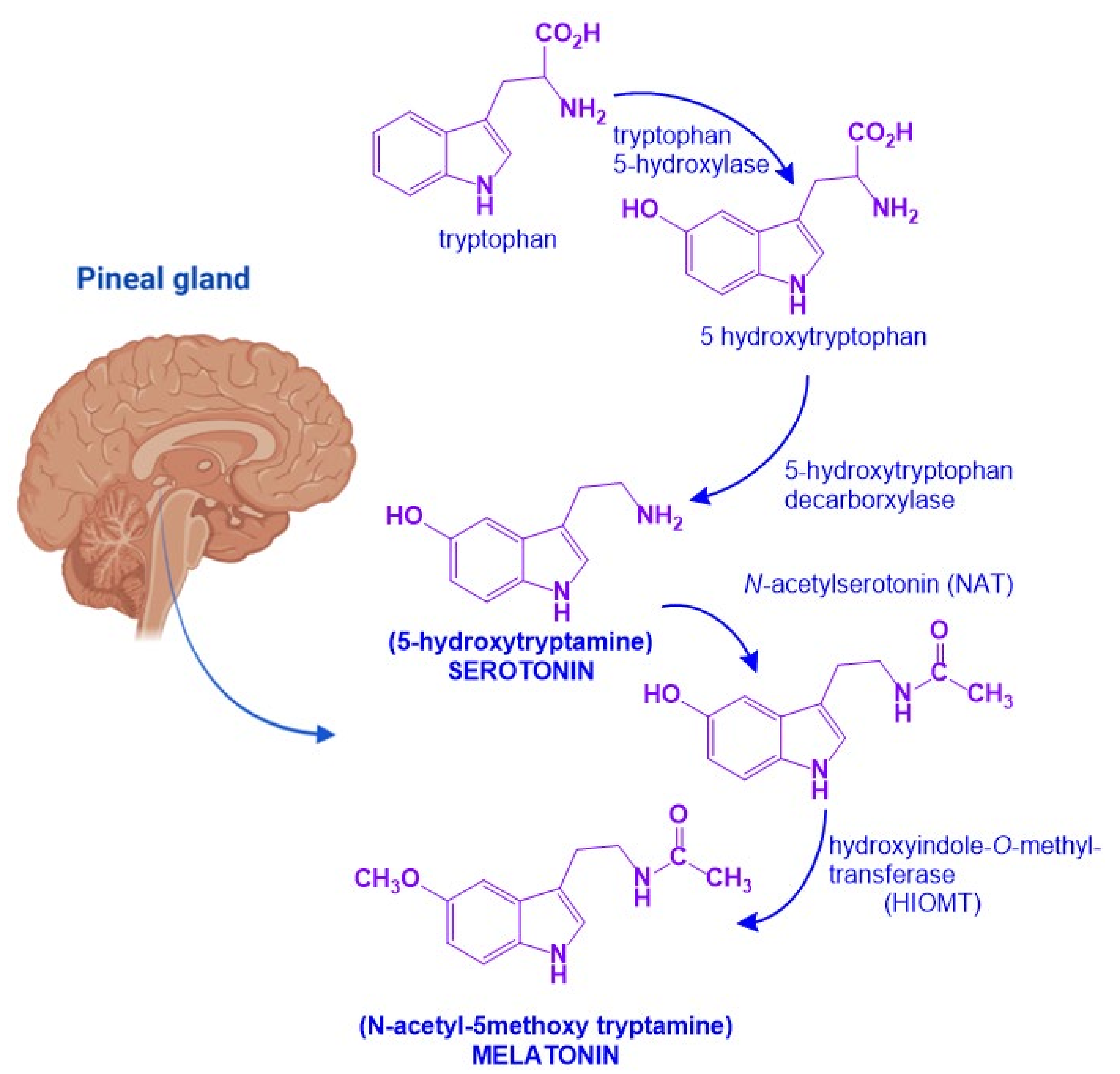
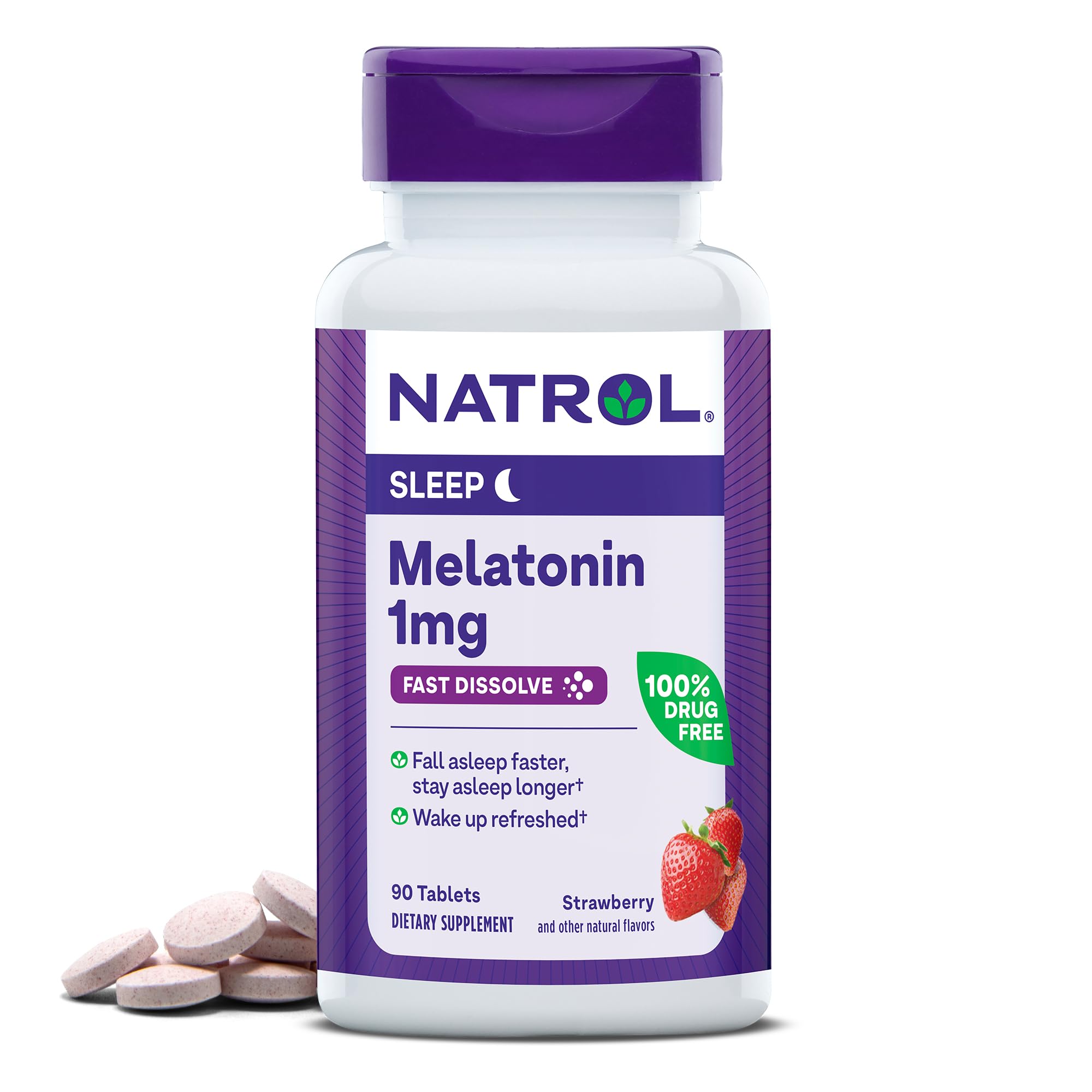
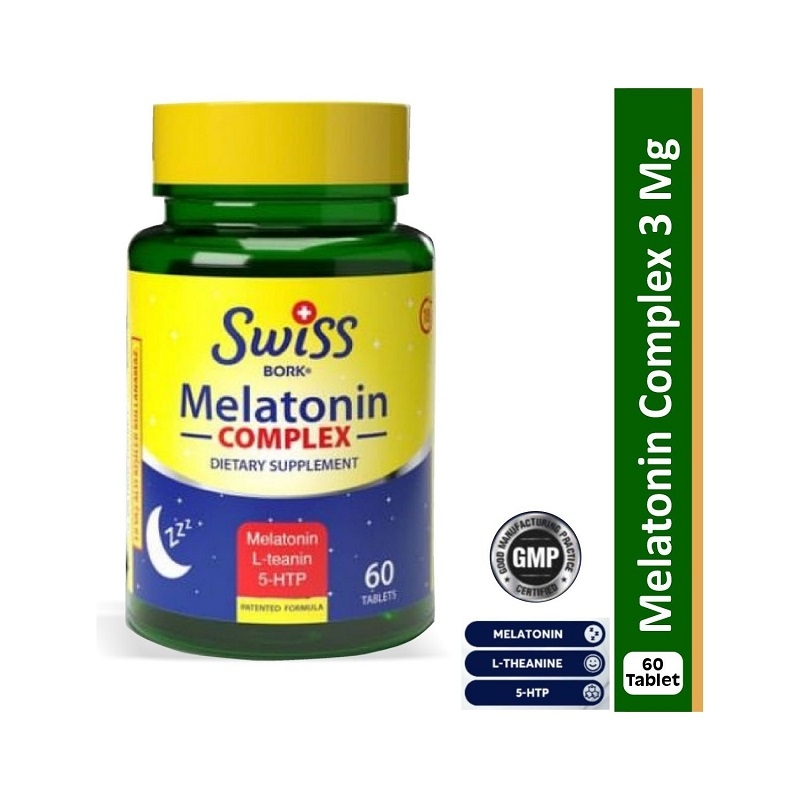
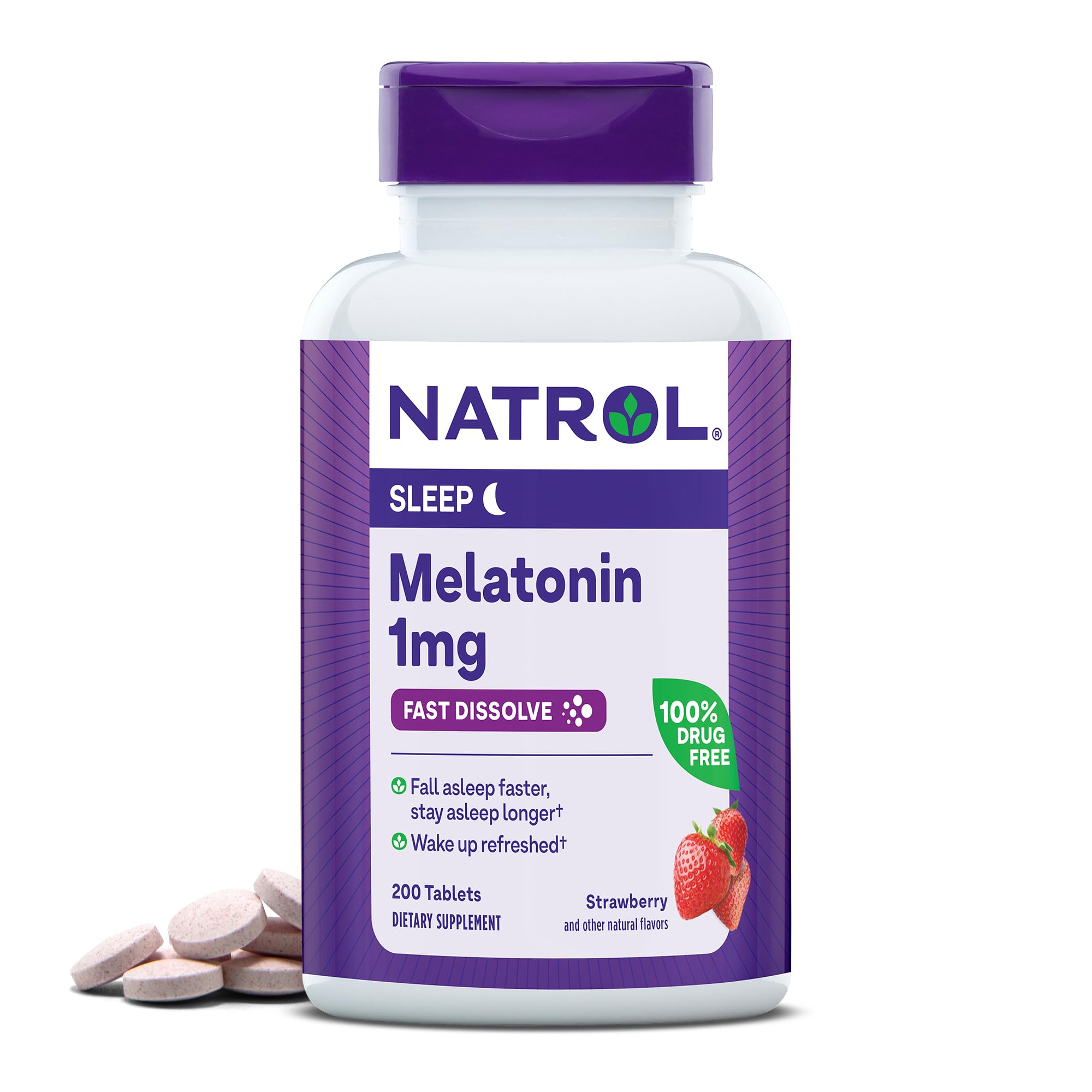
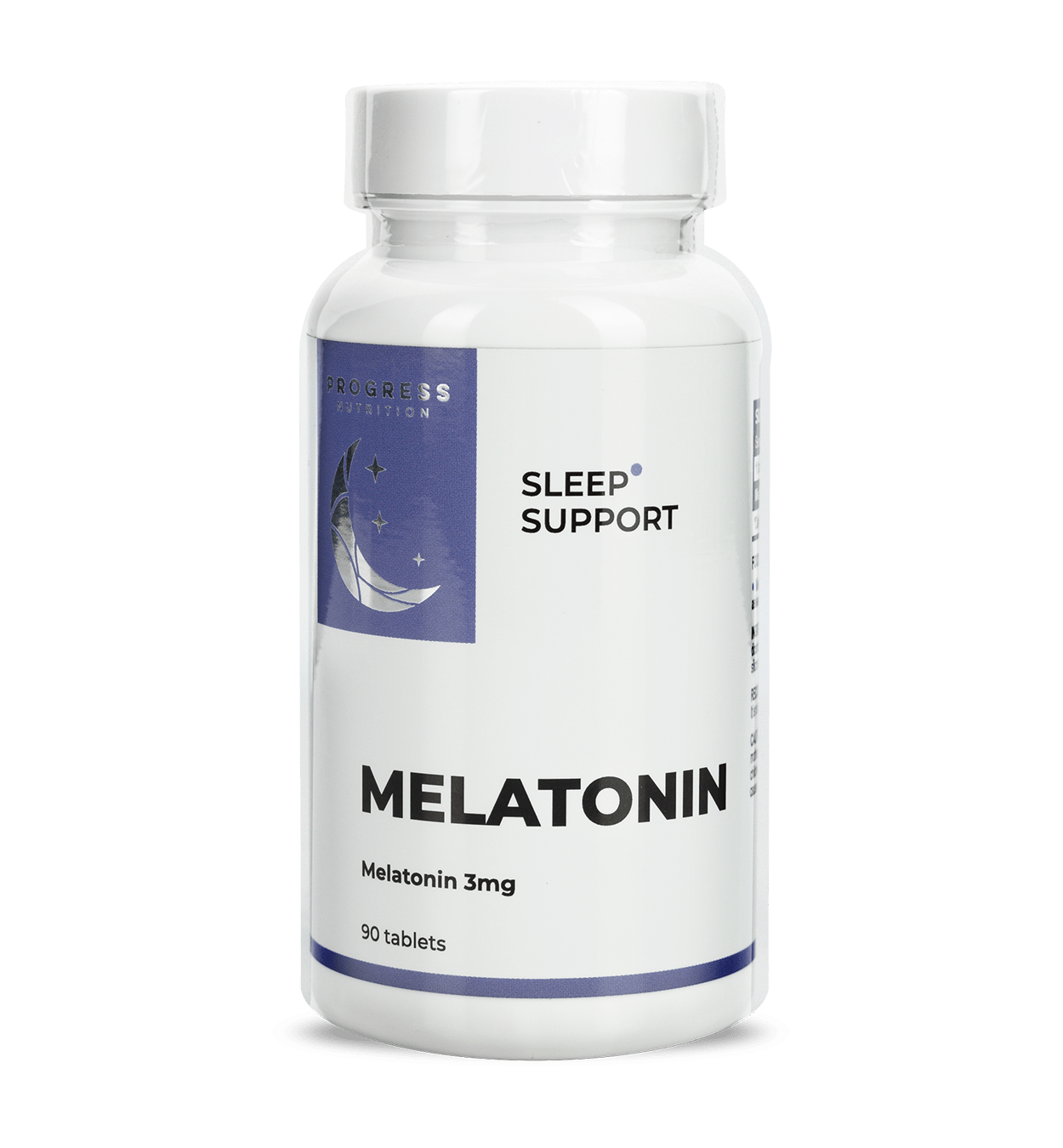
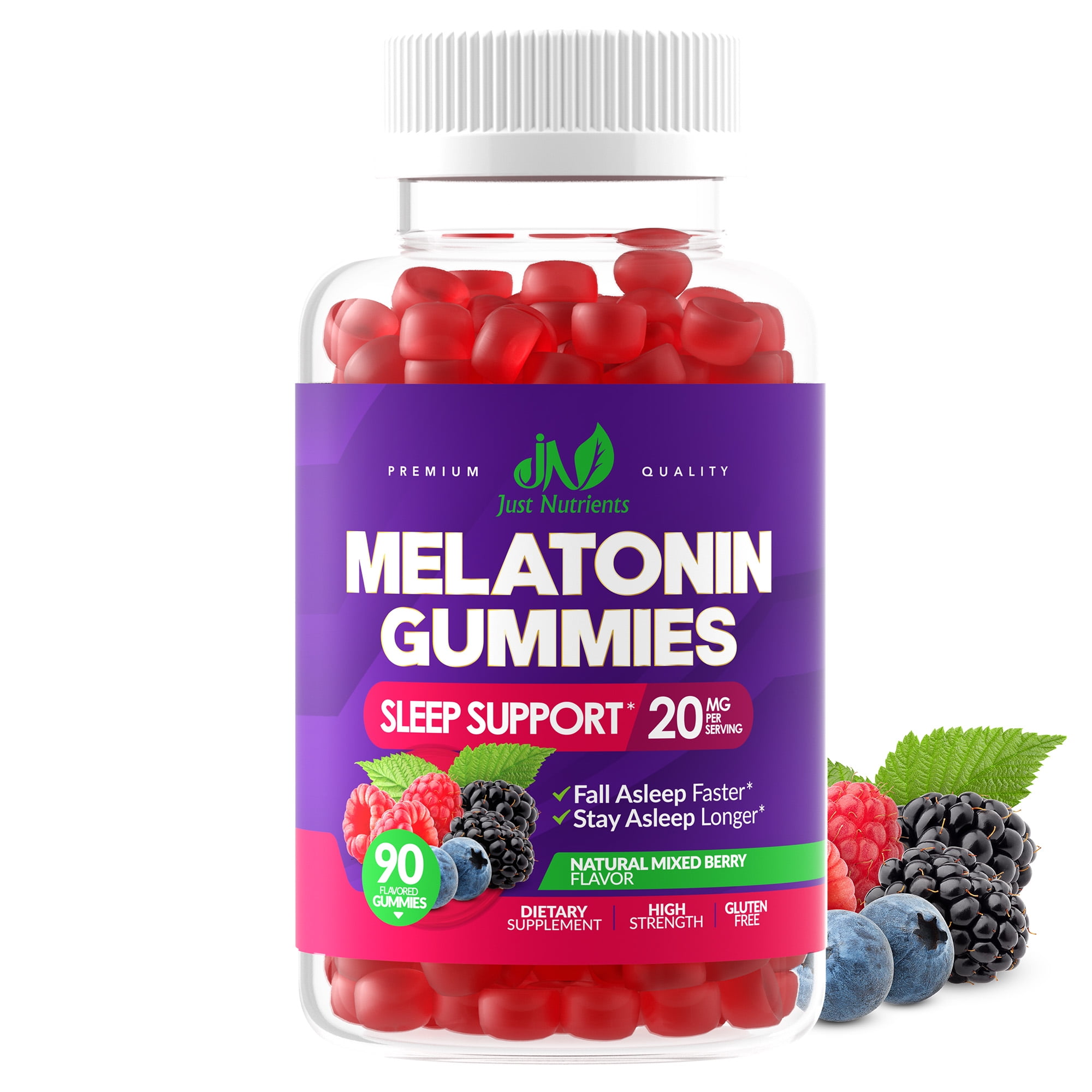
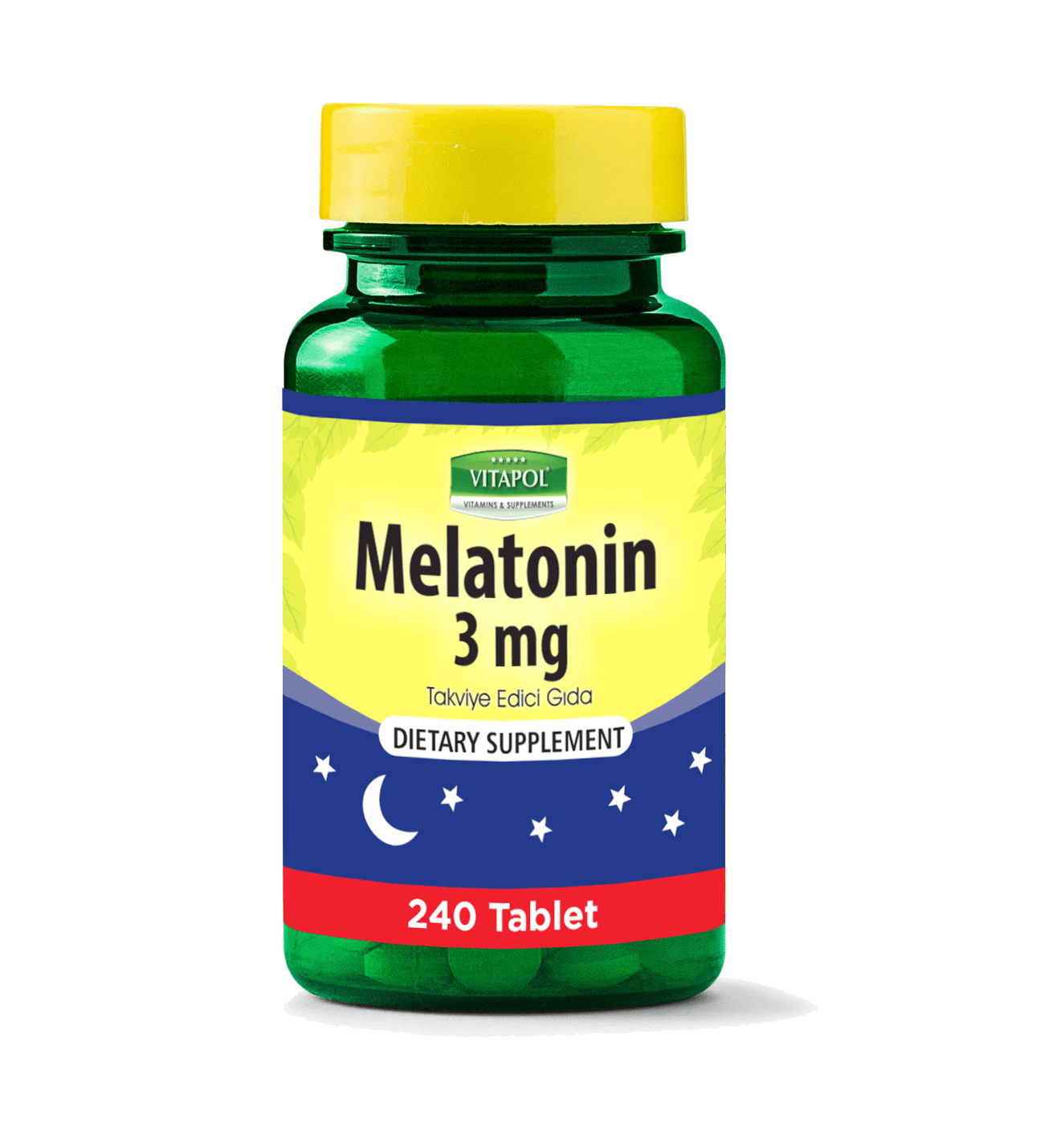
Melatonin is a hormone that regulates our sleep-wake circadian rhythms and is naturally produced by the body in the pineal gland. However, it can be purchased over-the-counter as a sleep aid, which has led to an increase in melatonin overdoses, particularly among children and adolescents.
Effects of Melatonin Overdose
Melatonin overdoses can cause a range of symptoms, including drowsiness, dizziness, fatigue, headache, confusion, nightmares, hypotension, tachycardia, and hypothermia. While mild melatonin overdoses are usually treatable at home by stopping the use of the supplement and allowing the body to clear it naturally, severe overdoses can be life-threatening.
Data and Statistics
According to the National Poison Data System, between 2012-2021, the annual number of pediatric melatonin ingestions increased 530% with a total of 260,435 ingestions reported. In 2020, nearly 15% of those with overdose symptoms required hospital care, and two children died.
- Between 2019 and 2020, the number of melatonin ingestions increased by 37.9%.
- 85% of melatonin ingestions involved young children.
- 97% of melatonin ingestions resulted in minor harm.
Melatonin Use in Children and Adolescents
Melatonin is commonly used to treat insomnia in children and adolescents, but there is a lack of documentation on the long-term consequences of its use. A study found that most cases of melatonin overdose in children and adolescents occurred due to accidental ingestion, especially by young children.
- Between 2019 and 2020, there were over 62,000 emergency department visits for melatonin-related adverse events.
- 85% of melatonin ingestions in children and adolescents were unintentional.
Treatment of Melatonin Overdose
There is no specific antidote for melatonin overdose, and treatment typically focuses on managing symptoms. In mild cases, symptoms can be treated at home by stopping the use of the supplement and allowing the body to clear it naturally. In severe cases, hospitalization may be necessary to manage symptoms such as hypotension, tachycardia, and hypothermia.
Prevention and Education
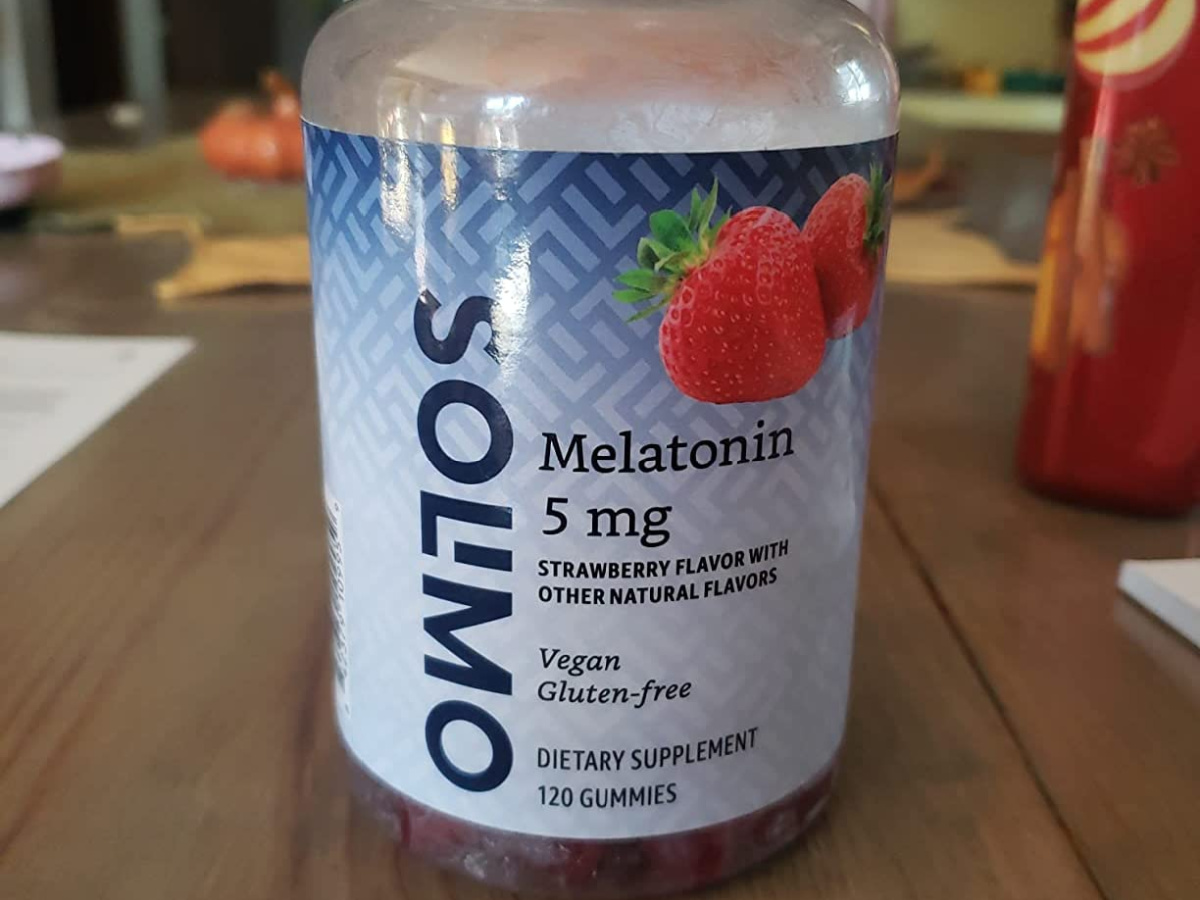
The increasing availability and easy access to melatonin supplements have contributed to an increase in overdose cases. To prevent melatonin overdose, it is essential to follow the recommended dosage and instruct children and adolescents on proper use and storage of melatonin supplements. A good dose is one that works for you and the individual needs. Therefore, everyone taking a sleep aid needs regular refill consultations with a health professional to get adjusted dosing and find what does and does not cause a reaction.
Conclusion
Melatonin overdose is a growing concern, particularly among children and adolescents. The lack of regulation and increasing availability of melatonin supplements have contributed to the rise in overdose cases. It is essential to be aware of the risks and symptoms of melatonin overdose and to seek medical help if symptoms are severe. By following proper use and storage instructions, we can prevent melatonin overdose and ensure safe use of melatonin.


![NCDAS: Substance Abuse and Addiction Statistics [2025]](https://www.sparshdiagnostica.com/wp-content/uploads/2025/08/Melatonin.png "NCDAS: Substance Abuse and Addiction Statistics [2025]")