Dopamine Loop and Personal Responsibility: The Unspoken Connection
Introduction
In the modern world, we are constantly bombarded with stimuli that activate our brain's reward system, releasing the feel-good chemical dopamine. While dopamine is essential for motivation and pleasure, an excessive focus on instant gratification can lead to a vicious cycle of addiction and decreased personal responsibility. This article will explore the connection between the dopamine loop and personal responsibility, and provide practical strategies for breaking free from this cycle.The Dopamine Loop: A Cycle of Short-Term Reward and Long-Term Depletion
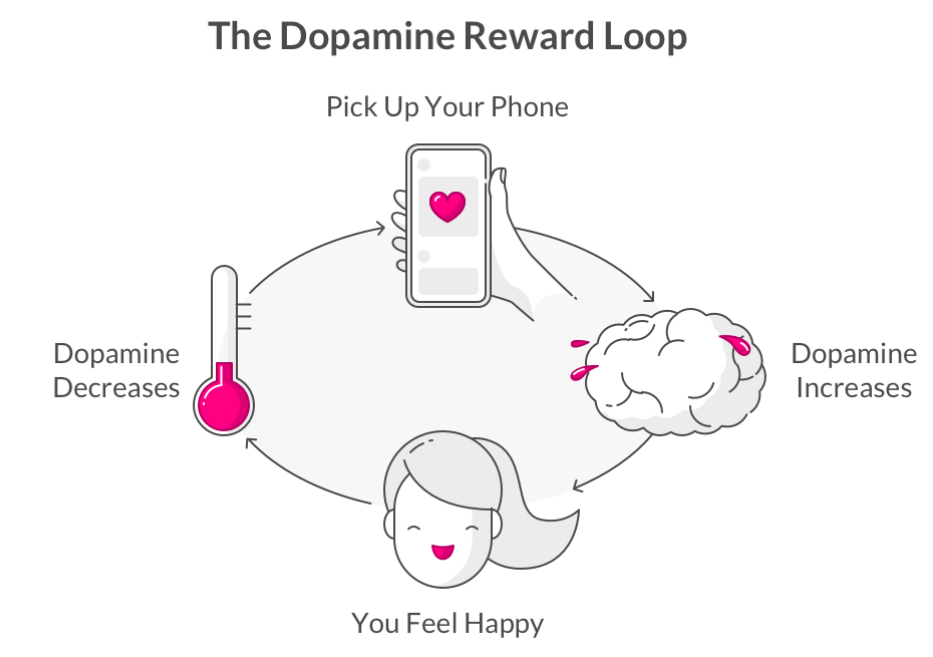
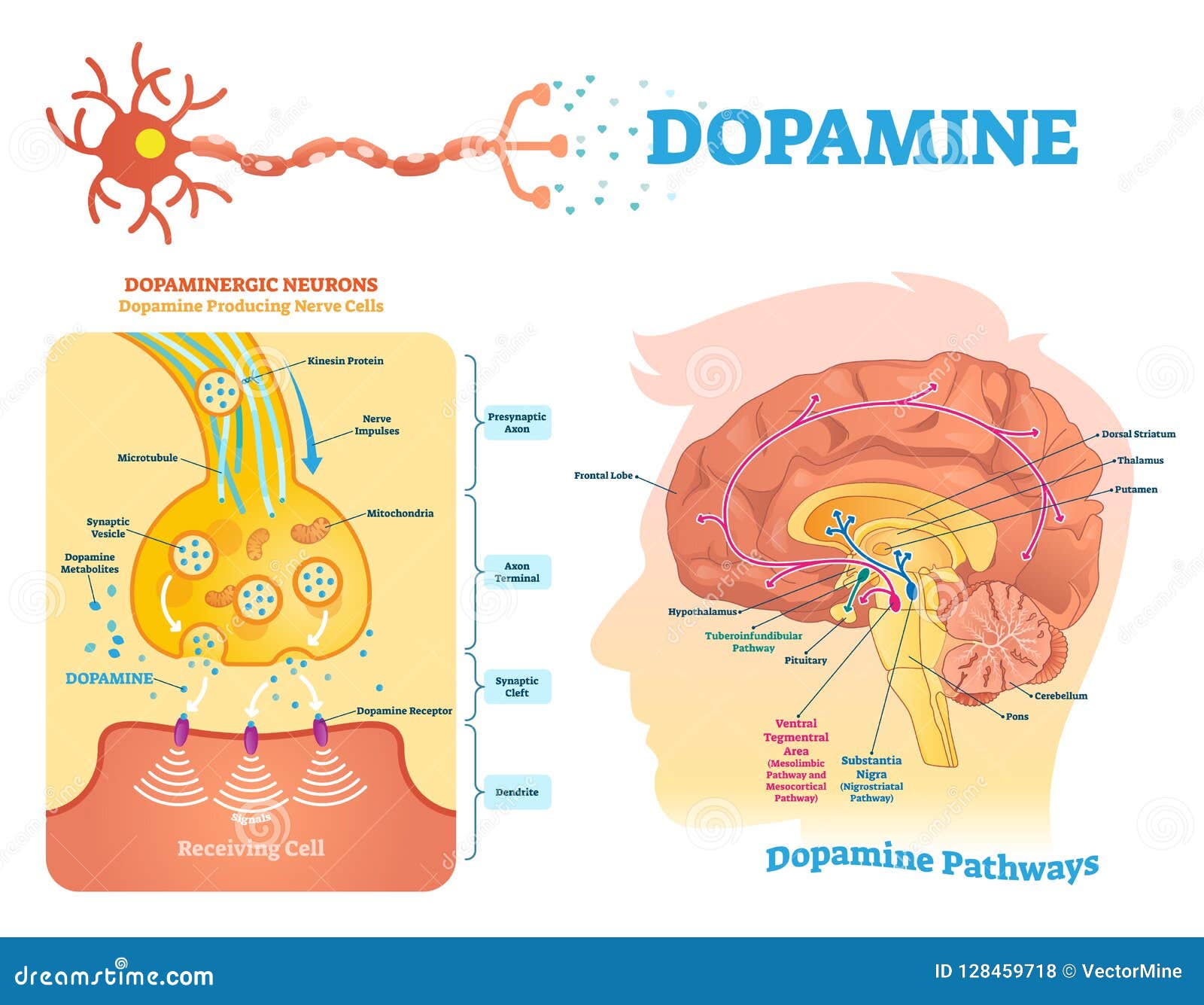
The dopamine loop is a self-perpetuating circuit fueled by the way the neurotransmitter works with the brain's reward system. When we engage in a pleasurable activity, dopamine is released, providing a temporary sense of satisfaction. However, this initial reward is often followed by a crash, leaving us feeling empty and unsatisfied. To mitigate this feeling, we seek out new sources of pleasure, creating a continuous loop of short-term reward and long-term depletion.How the Dopamine Loop Affects Personal Responsibility
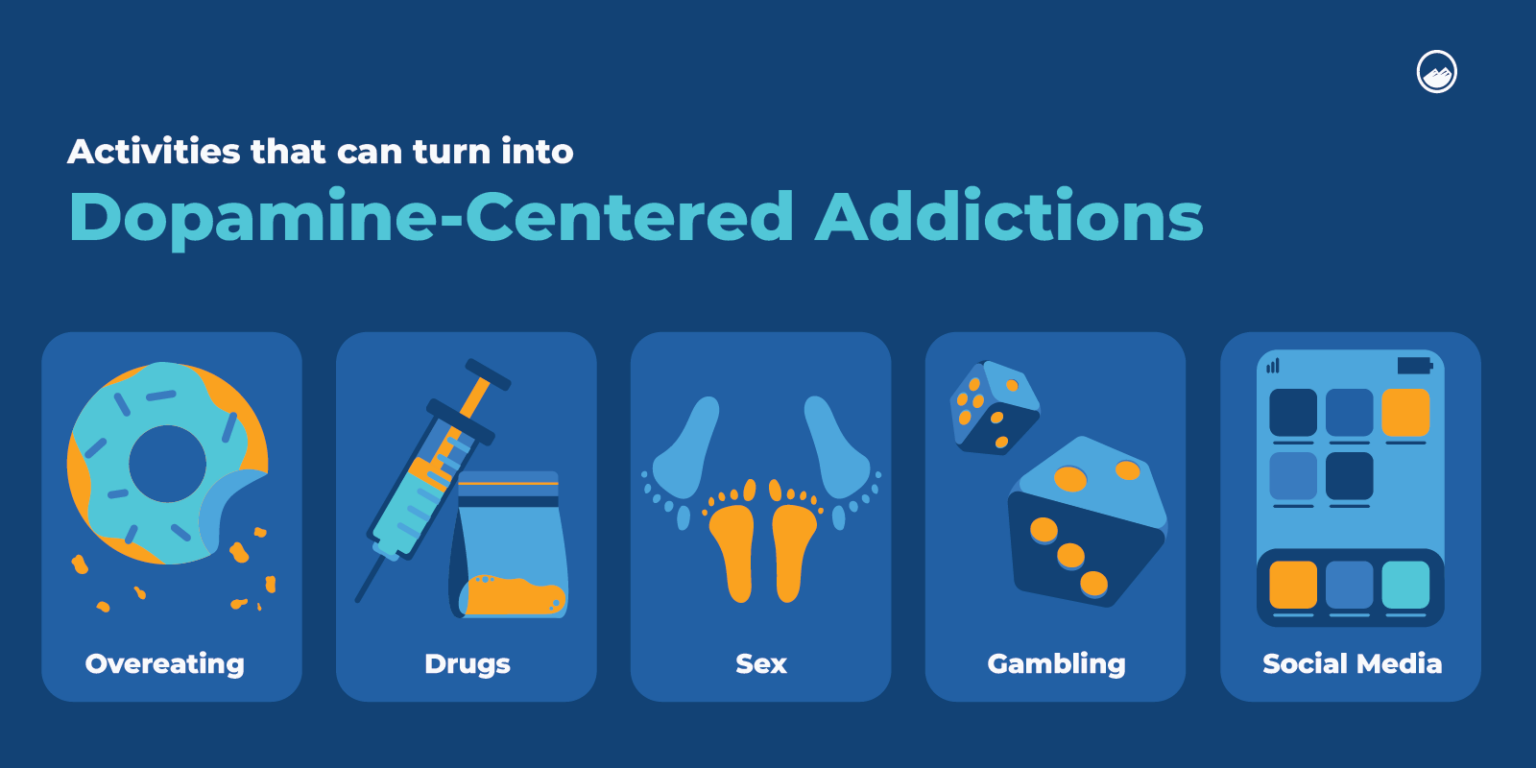
The dopamine loop can have a profound impact on our personal responsibility, leading to a lack of motivation, decreased self-regulation, and increased impulsivity. When we become reliant on instant gratification, we sacrifice our long-term goals and values for short-term pleasure. This can lead to a range of negative consequences, including addiction, burnout, and decreased productivity.Breaking the Dopamine Loop: Strategies for Increased Personal Responsibility

-
Practice Mindfulness and Self-Awareness
Mindfulness and self-awareness are essential for recognizing and challenging the dopamine loop. By becoming more aware of our thoughts, emotions, and behaviors, we can identify patterns of addiction and make conscious choices to break free. -
Set Long-Term Goals and Values
Setting clear, long-term goals and values helps us focus on what truly matters, rather than seeking instant gratification. This provides a sense of direction and purpose, helping us stay motivated and engaged. -
Engage in Activities that Provide Sustainable Satisfaction
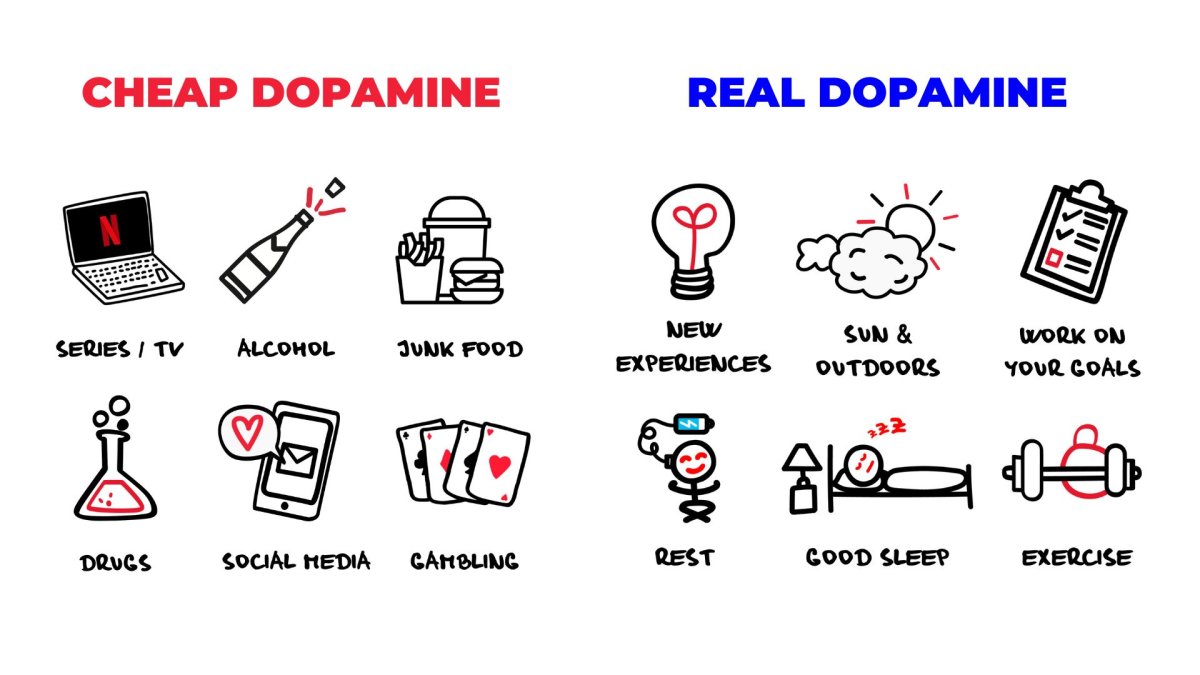
While instant gratification may provide a temporary high, it ultimately leads to a crash. Engaging in activities that provide sustainable satisfaction, such as exercise, creative pursuits, or meaningful relationships, can help us feel fulfilled and motivated without relying on the dopamine loop. -
Prioritize Self-Care and Self-Regulation
Prioritizing self-care and self-regulation helps us manage stress, develop emotional intelligence, and build resilience. This enables us to make healthier choices and maintain a sense of control over our lives. -
Seek Support and Accountability
Surrounding ourselves with supportive people who share our values and goals can provide accountability and motivation. This helps us stay on track and break free from the dopamine loop.