Exercising During Pregnancy: Benefits, Guidelines, and Precautions
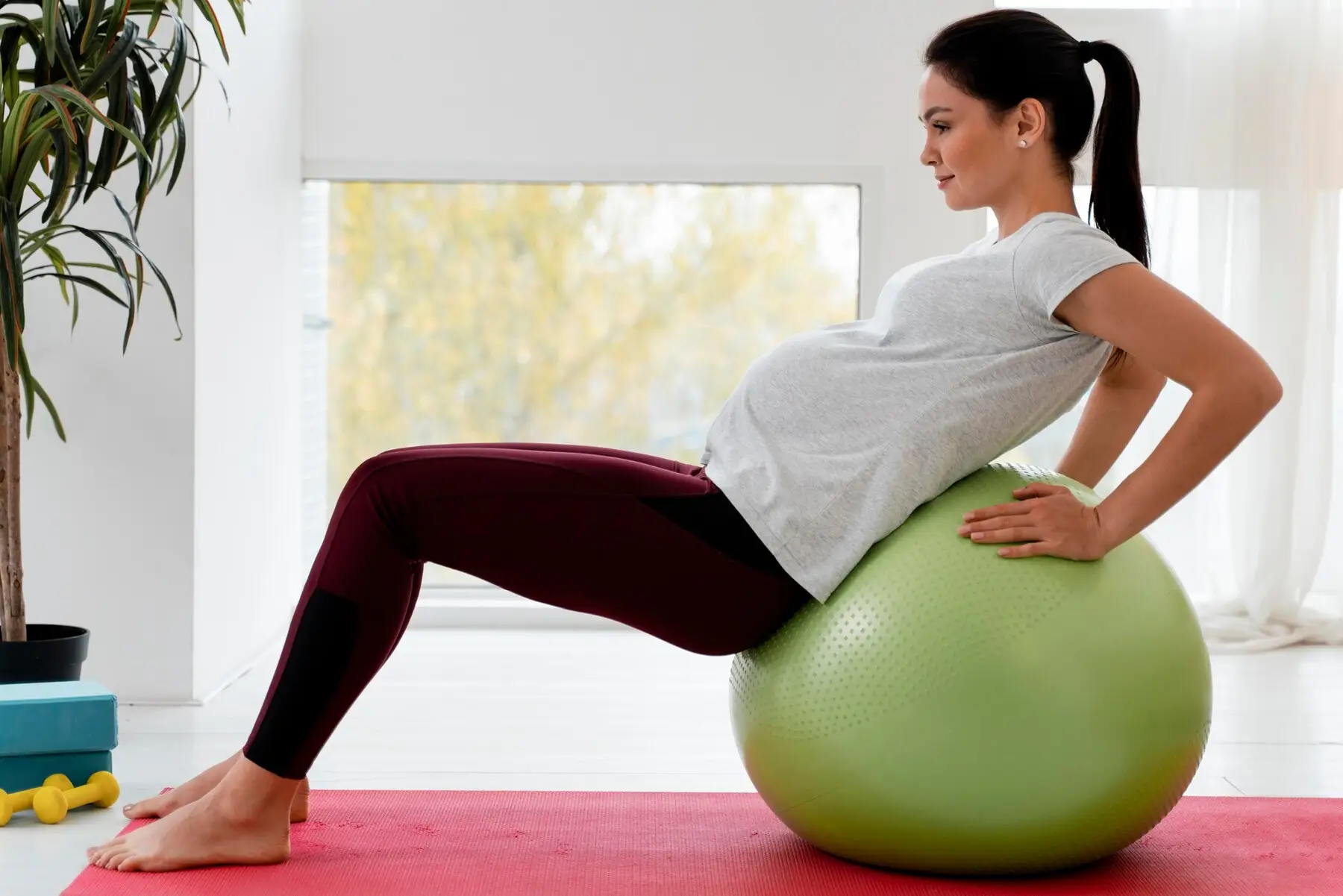
Exercising during pregnancy is a great way to stay healthy, manage symptoms, and prepare your body for labor and delivery. Regular physical activity during pregnancy can have numerous benefits for both you and your baby. In this article, we will discuss the benefits of exercising during pregnancy, provide guidelines for safe exercise, and highlight precautions to take to avoid injury or complications.
Benefits of Exercising During Pregnancy
Regular exercise during pregnancy can:
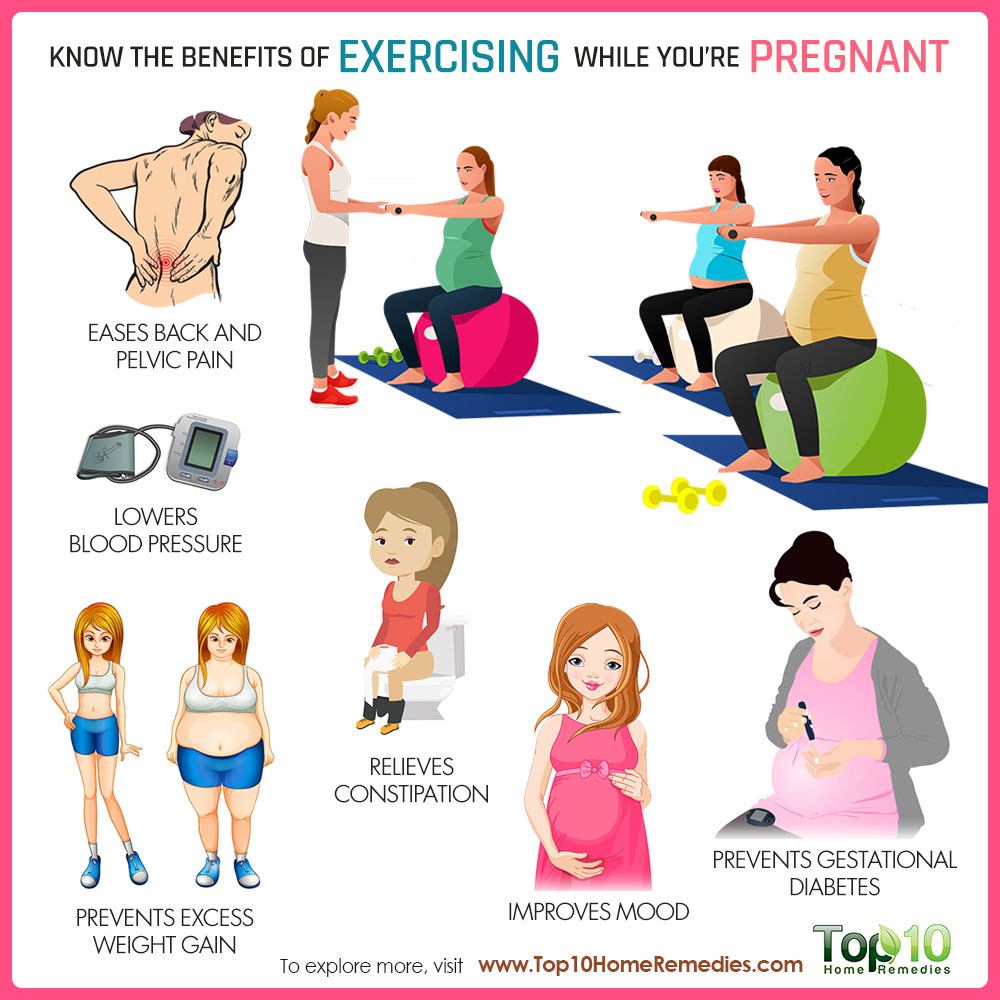
- Reduce the risk of gestational diabetes and preeclampsia
- Ease back pain and other discomforts associated with pregnancy
- Help manage weight gain and promote healthy weight
- Improve mood and reduce stress and anxiety
- Support healthy sleep patterns and overall well-being
- Enhance physical fitness and strength for labor and delivery
Types of Exercises Suitable for Pregnancy
Exercising during pregnancy can include a variety of activities, such as:
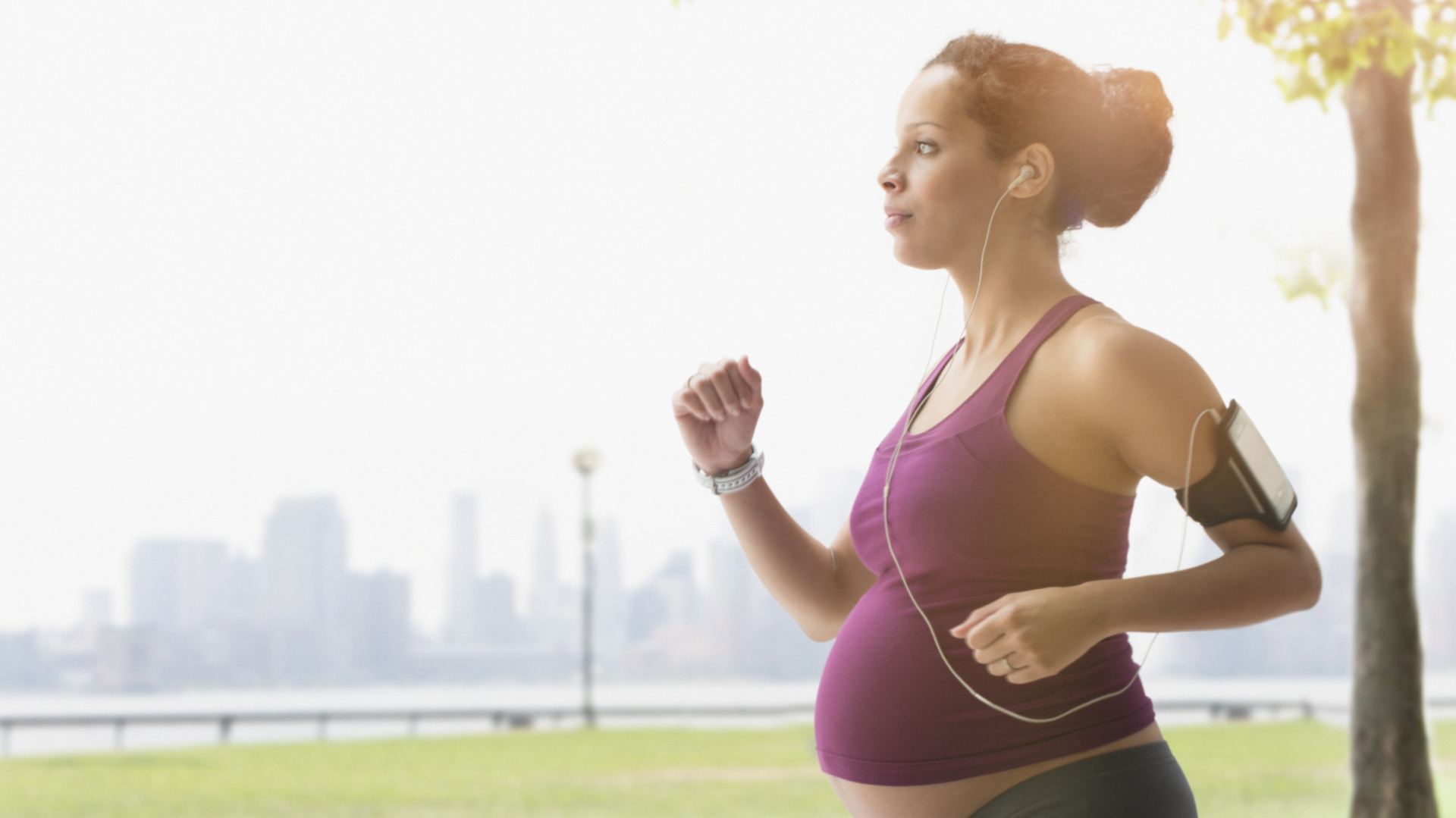
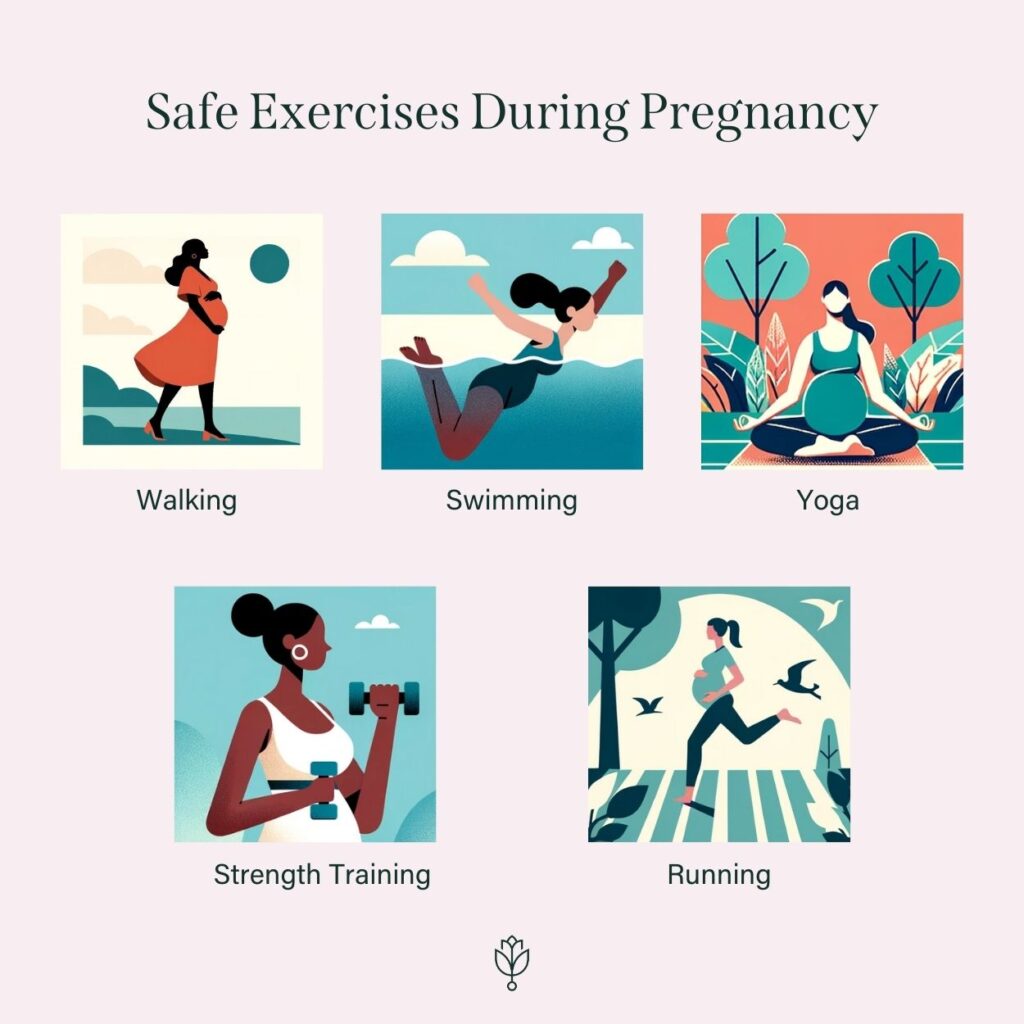
- Aerobic exercises, like brisk walking, swimming, and cycling
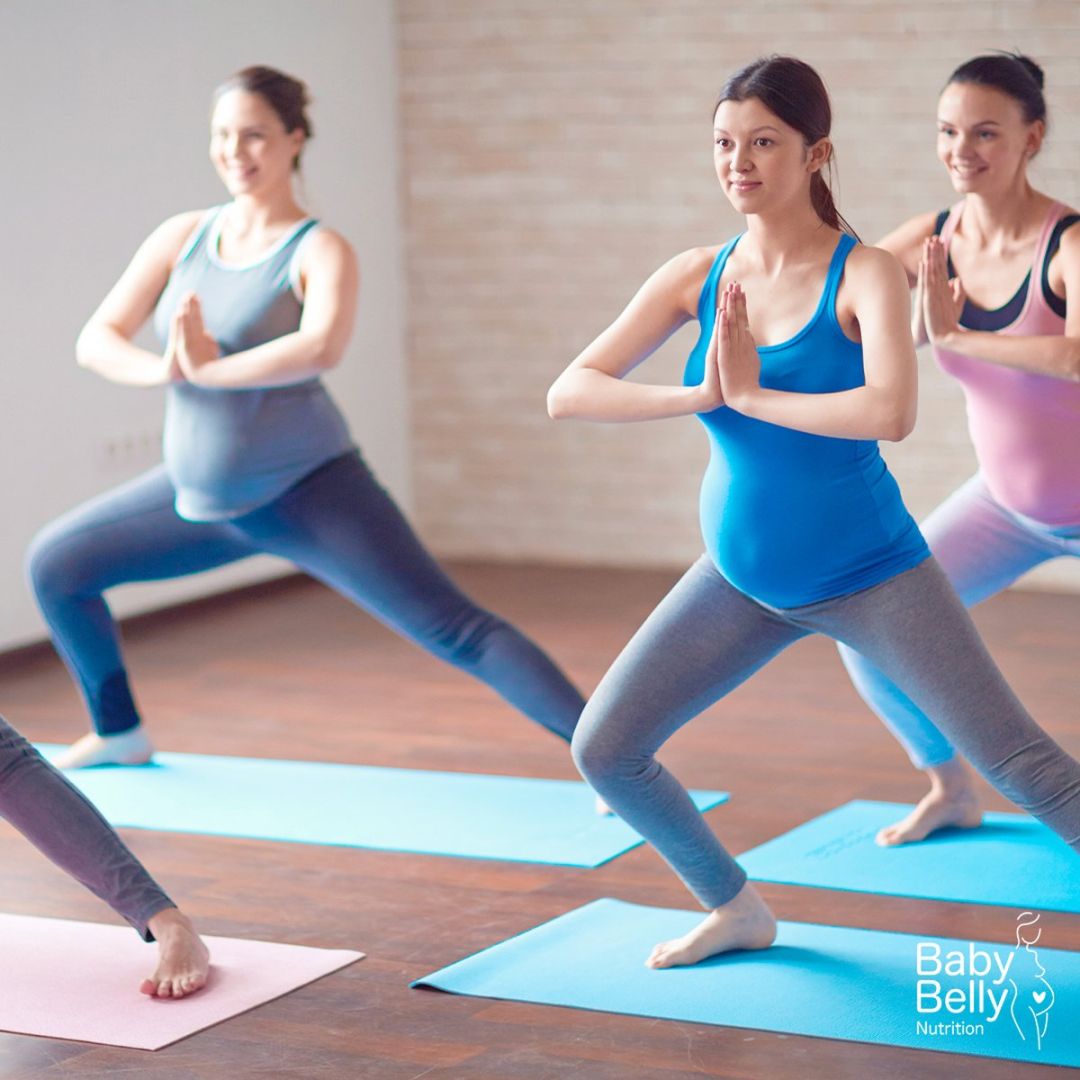
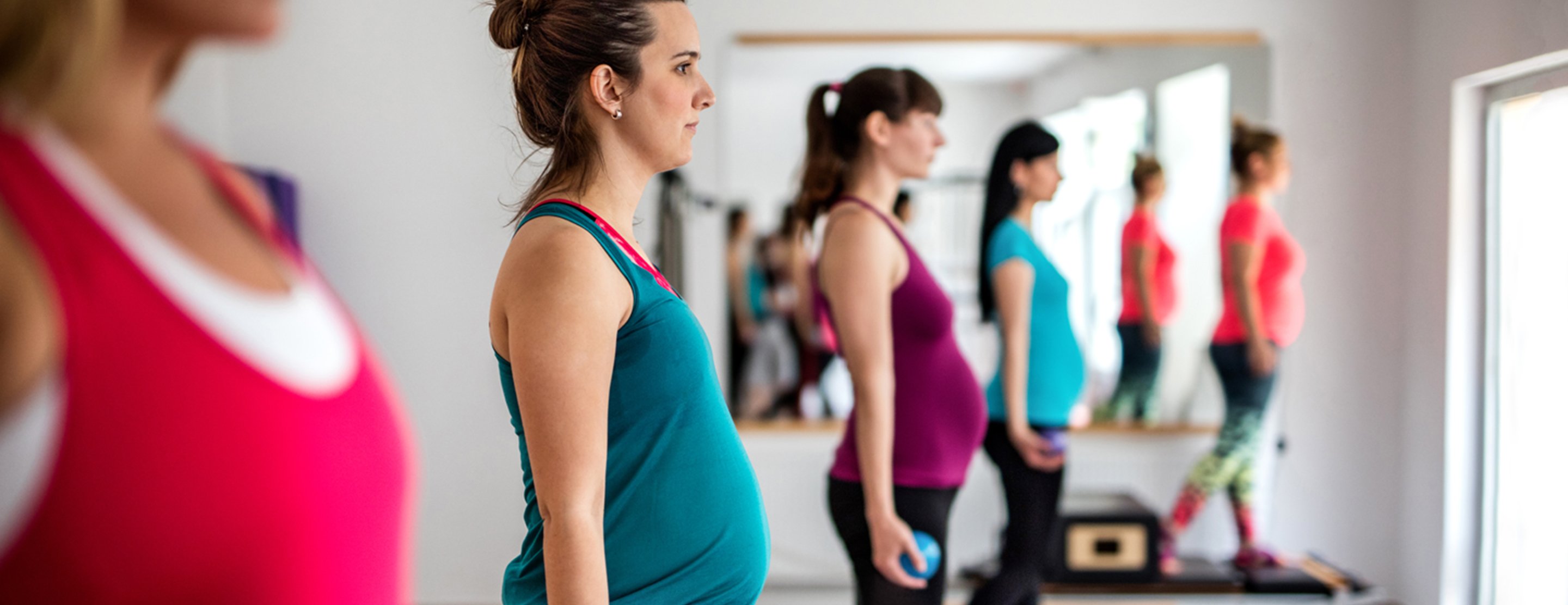
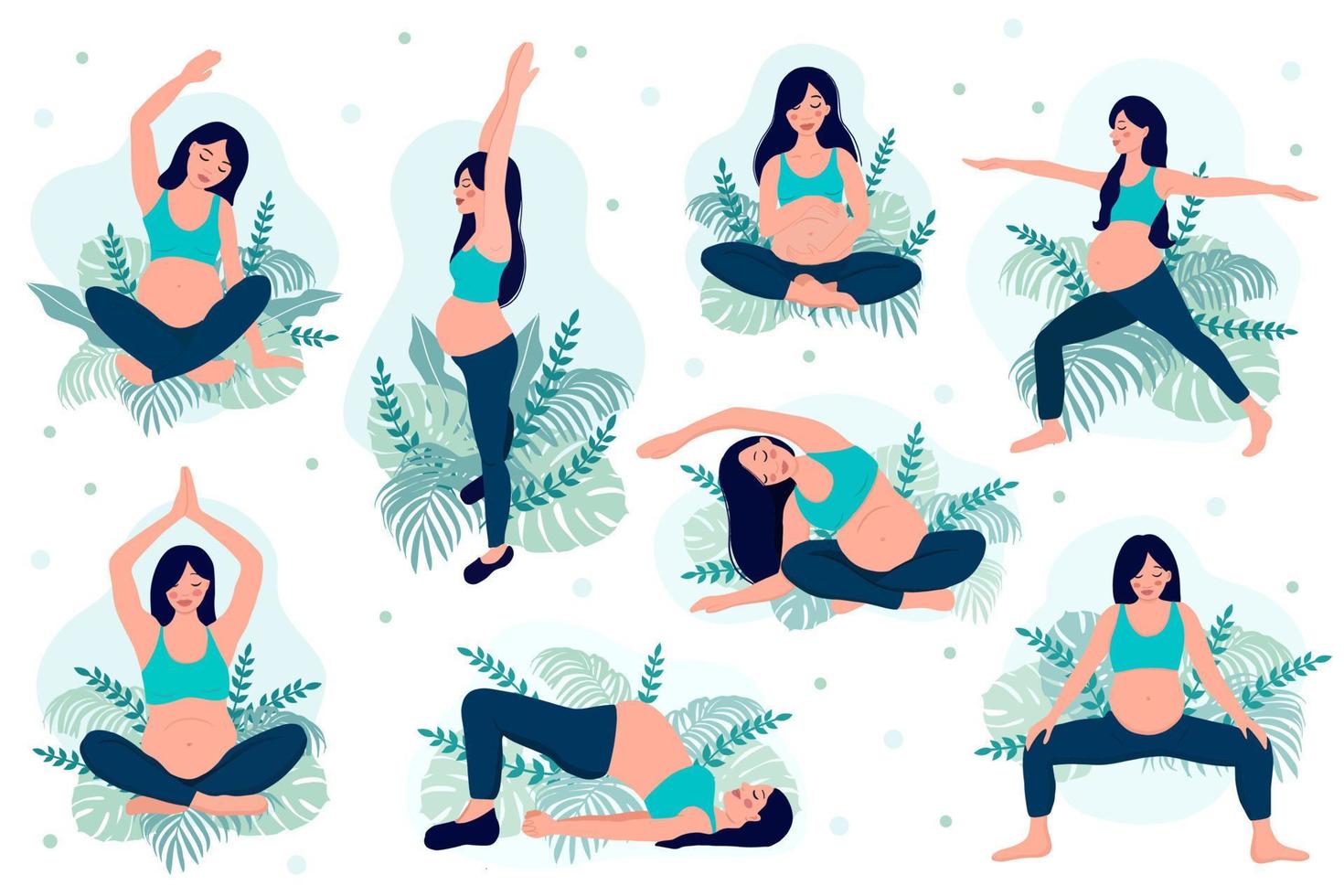
- Prenatal yoga and Pilates for flexibility and strength
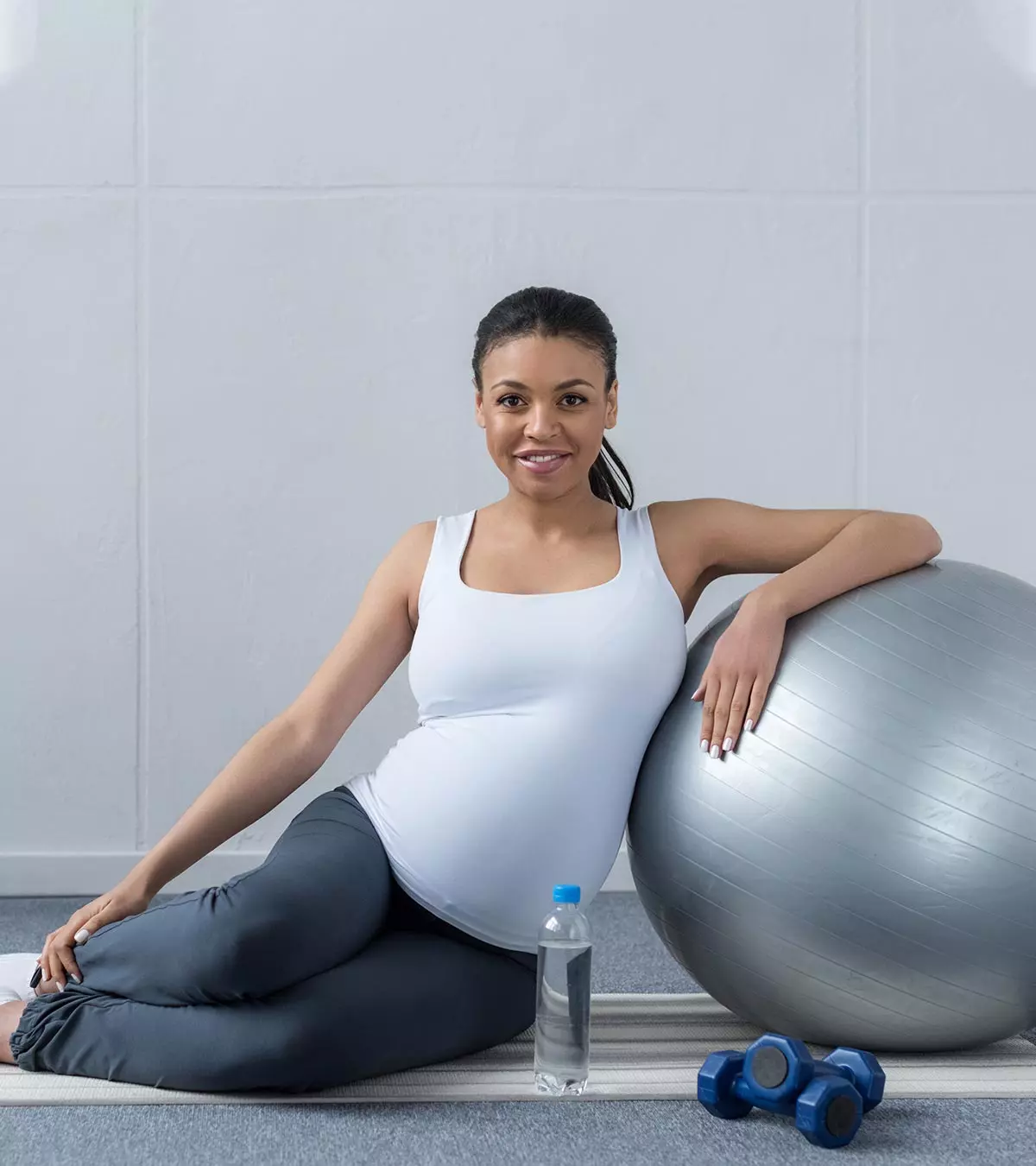
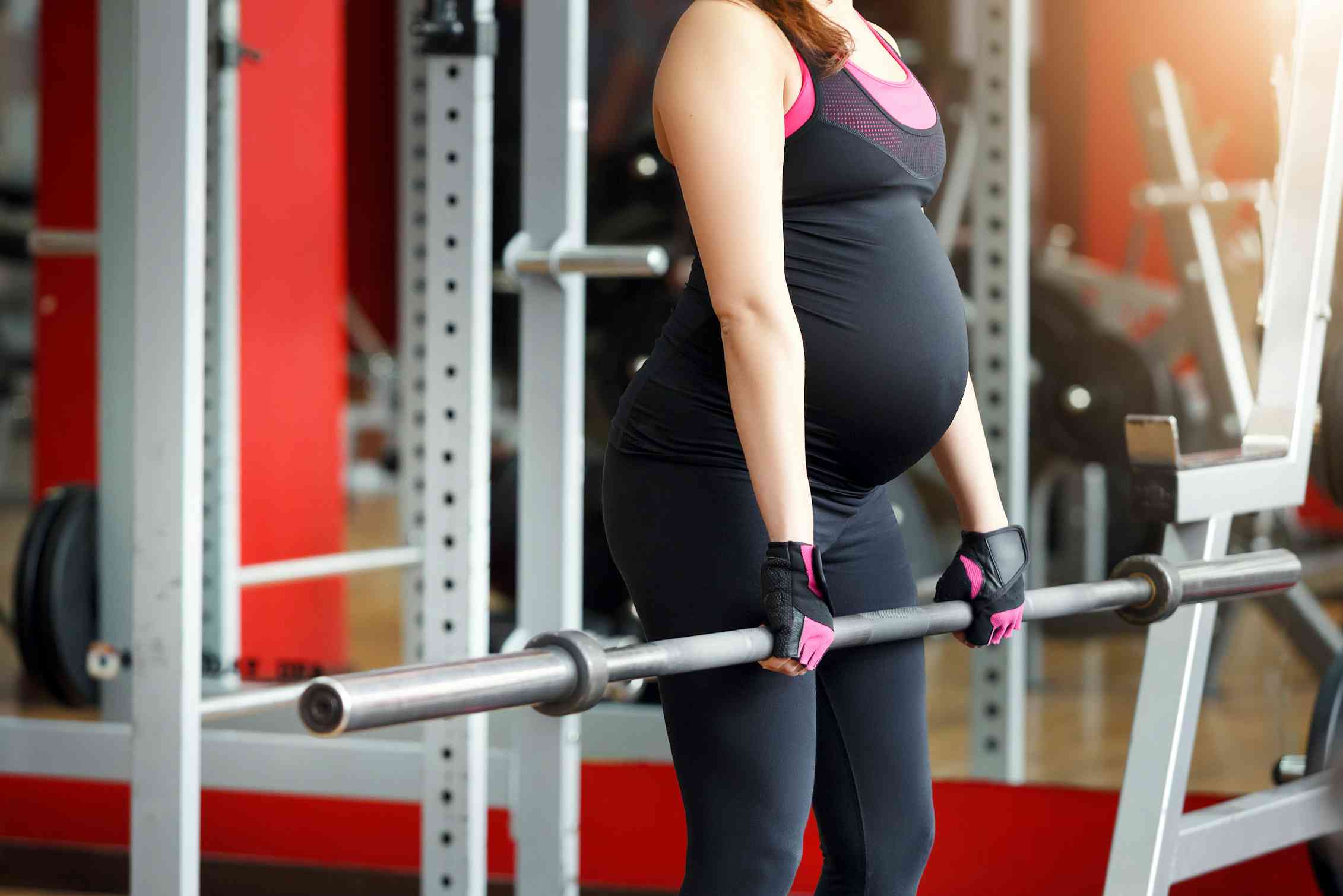
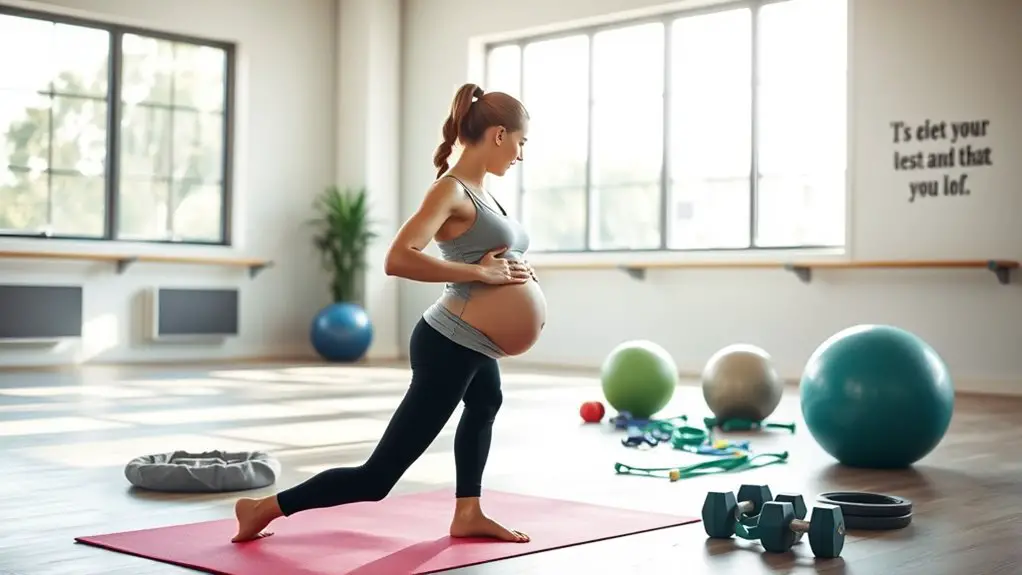
- Strengthening exercises, like weightlifting and bodyweight exercises
- Low-impact aerobics, like dancing and step aerobics
- Core exercises, like planks and pelvic tilts
Guidelines for Safe Exercise During Pregnancy
To ensure a safe and enjoyable exercise routine during pregnancy, follow these guidelines:
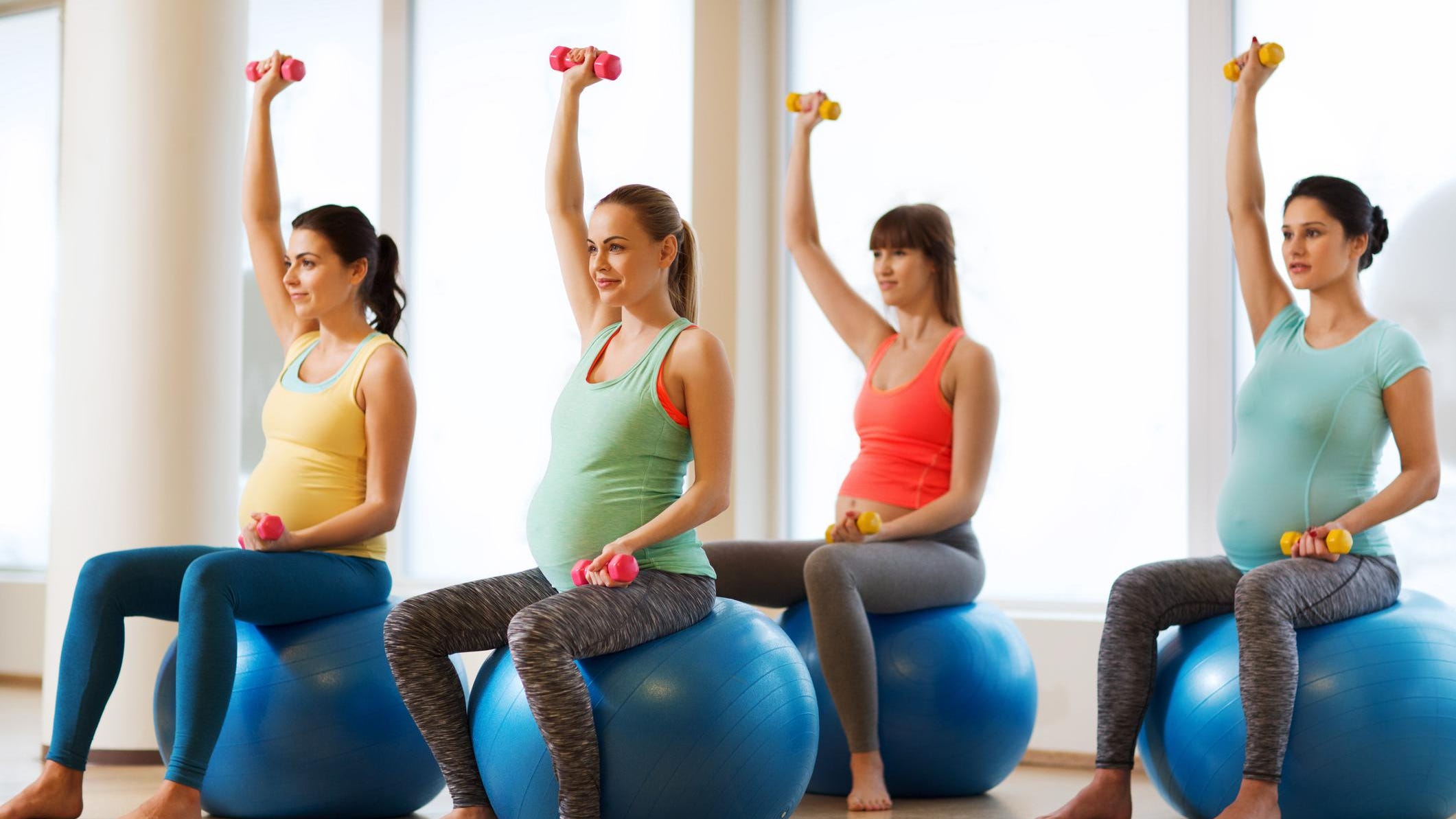
- Consult your healthcare provider before starting or continuing an exercise routine during pregnancy
- Avoid high-impact activities, like contact sports and jumping
- Listen to your body and rest when needed
- Avoid exercises that involve lying flat on your back after the first trimester
- Stay hydrated and cool during exercise
- Avoid excessive heat and avoid exercising in extremely hot environments
Precautions to Take During Exercise During Pregnancy
To avoid injury or complications, take the following precautions:
- Avoid exercises that involve excessive bending, lifting, or straining
- Avoid exercises that cause you to feel dizzy or lightheaded
- Avoid exercising in areas with poor air quality or pollution
- Avoid exercising in areas with poor lighting or visibility
- Avoid sharing equipment or personal items with others
Exercising During Pregnancy and Postpartum Recovery
Exercising during pregnancy can also benefit postpartum recovery. Regular physical activity can help:
- Ease back into exercise after childbirth
- Support healthy weight loss and weight management
- Improve mood and reduce symptoms of postpartum depression
- Enhance physical fitness and strength for future pregnancies
- Support healthy sleep patterns and overall well-being
Conclusion
Exercising during pregnancy is a great way to stay healthy, manage symptoms, and prepare your body for labor and delivery. By following the guidelines and precautions outlined in this article, you can enjoy the many benefits of exercise during pregnancy while ensuring a safe and enjoyable experience for both you and your baby.