How to Learn Python Elasticsearch: A Comprehensive Guide
In today's data-driven world, having a powerful search and analytics engine like Elasticsearch is crucial for any organization. However, working with Elasticsearch can be challenging, especially for developers who are new to the technology. In this article, we will explore how to learn Python Elasticsearch and provide a comprehensive guide to get you started.
What is Elasticsearch?
Elasticsearch is a distributed search and analytics engine that can handle large volumes of data. It is known for its scalability, high availability, and ease of management. When combined with Python, Elasticsearch provides exceptional full-text search, real-time analytics, and log analysis capabilities.
Why Use Elasticsearch with Python?
There are several reasons why you should learn to use Elasticsearch with Python. Firstly, Python is a popular programming language that is widely used in data science and analytics, making it an ideal choice for working with Elasticsearch. Secondly, Elasticsearch provides a powerful and flexible search and analytics engine that can be used to build a wide range of applications, from simple search engines to complex analytics platforms.
Learning Resources for Python Elasticsearch
There are many online resources available to learn Python Elasticsearch, ranging from basic tutorials to advanced courses. Here are some of the best resources to get you started:
- Elasticsearch Python Client Documentation - This is the official documentation for the Elasticsearch Python client. It provides a comprehensive overview of the client, including its features, usage, and best practices.
- Elasticsearch 8 with Python Client Course - This is a comprehensive course that teaches you how to use Elasticsearch with the Python client, covering topics from basic indexing and searching to advanced analytics and visualization.
- elasticsearch-labs Repo - This repo contains interactive and executable Python notebooks, sample apps, and resources for testing out Elasticsearch using the Python client.
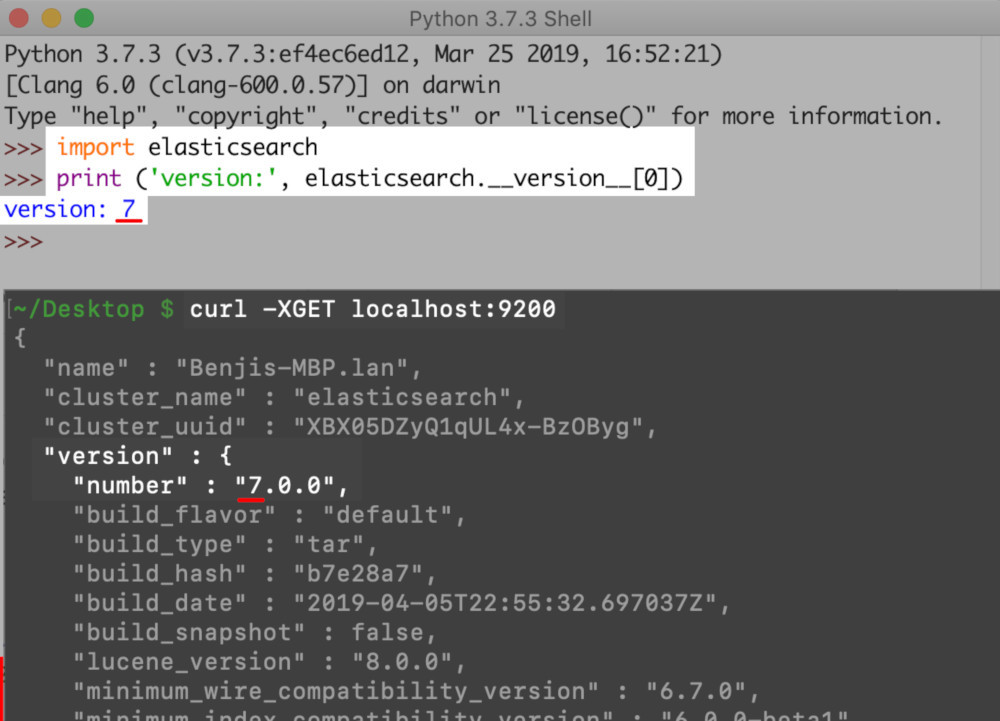
- Elasticsearch Getting Started Guide - This guide provides step-by-step instructions for installing and setting up the Elasticsearch Python client.
Basic Concepts of Elasticsearch
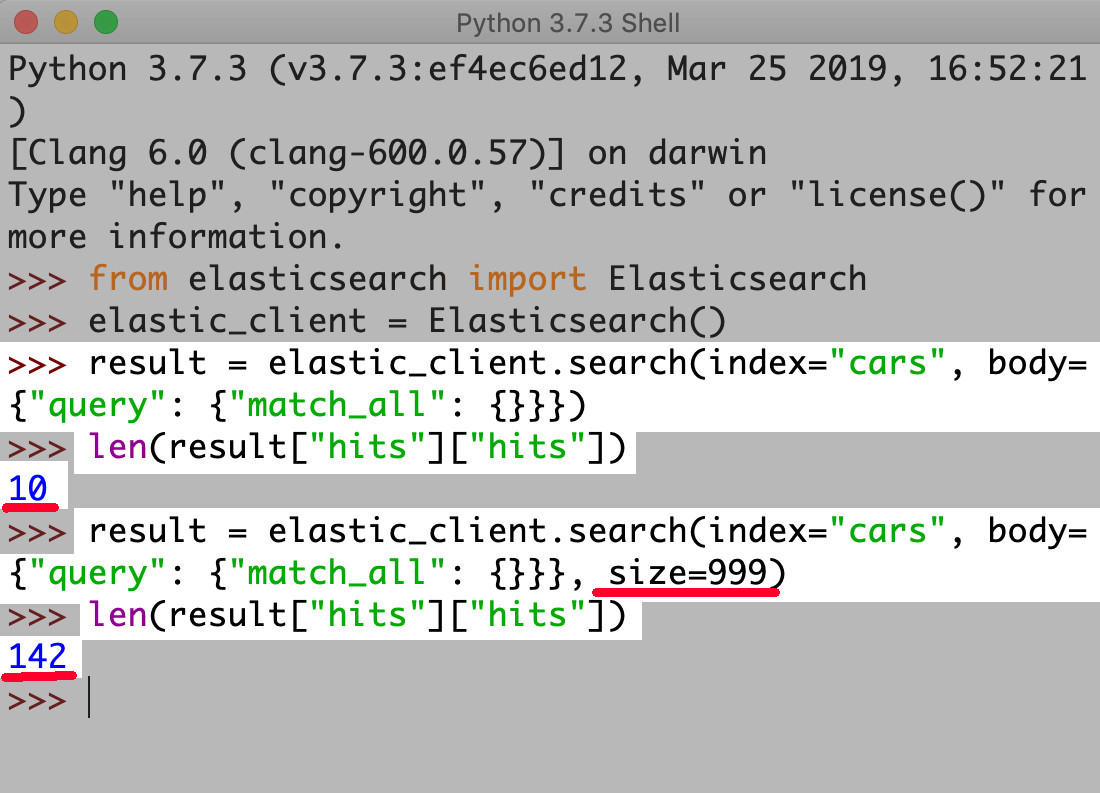
Before you can start learning Python Elasticsearch, it's essential to understand the basic concepts of Elasticsearch. Here are some key concepts to get you started:
- Index Mapping - Index mapping is used to define the structure of a document in an Elasticsearch index.
- Search Query - A search query is used to search for documents in an Elasticsearch index.
- Aggregations - Aggregations are used to group and aggregate search results.
Best Practices for Working with Elasticsearch
When working with Elasticsearch, it's essential to follow best practices to ensure optimal performance and scalability. Here are some best practices to get you started:
- Use the Elasticsearch Python client to interact with the Elasticsearch cluster.
- Index documents in bulk to improve indexing performance.
- Use the correct index mapping to ensure accurate search results.
- Use aggregations to group and aggregate search results.
Conclusion
Learning Python Elasticsearch can seem daunting at first, but with the right resources and knowledge, you can become a proficient user in no time. This article has provided a comprehensive guide to get you started, including resources, basic concepts, and best practices. Remember to stay up-to-date with the latest Elasticsearch documentation and tutorials to ensure optimal performance and scalability in your projects.