How to Monitor Credit Reports: A Guide to Smart Credit Management
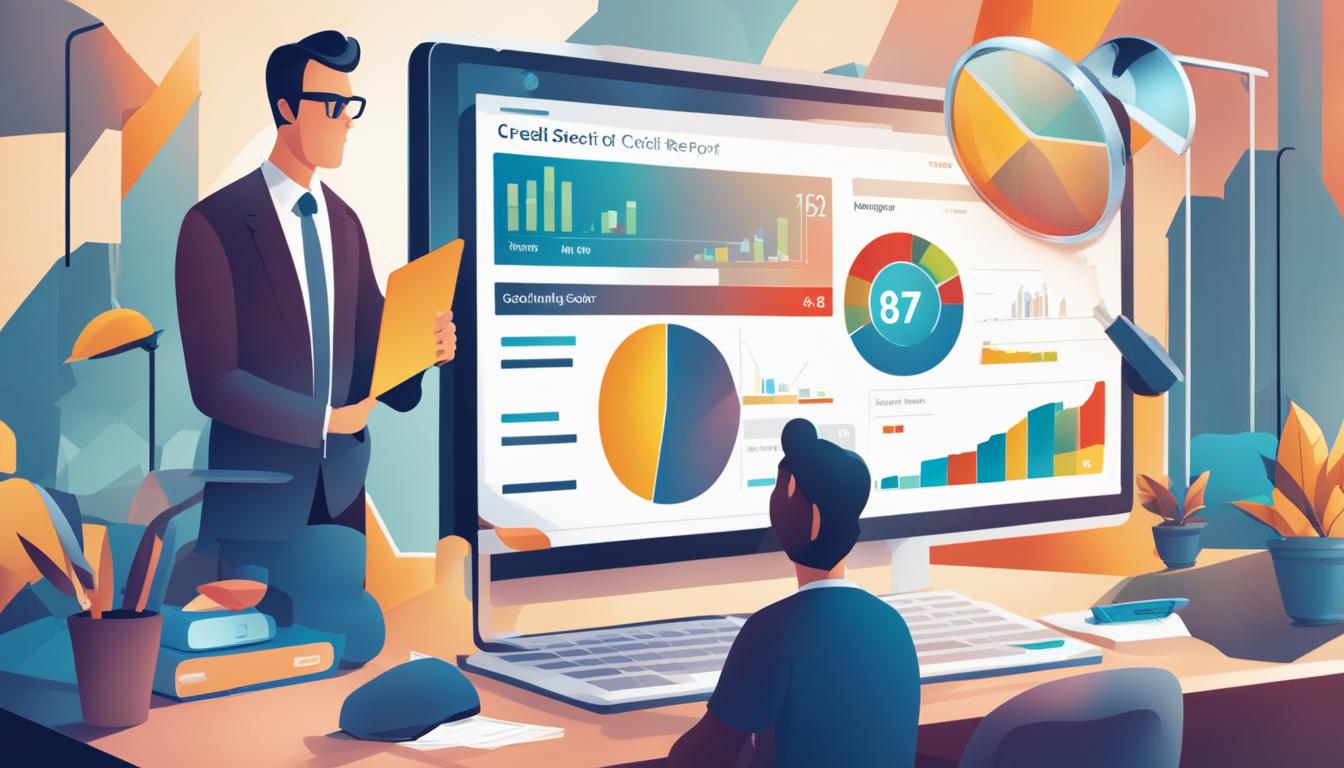
Monitoring your credit reports is an essential step in maintaining good credit health. A single mistake or error on your report can negatively impact your credit score, making it harder to secure loans, credit cards, or even a mortgage. In this article, we'll show you how to monitor your credit reports, detect errors, and take steps to protect your financial identity.
Why Credit Monitoring Matters
Unfortunately, identity theft and credit report errors are all too common. According to a recent study, over 40% of credit reports contain errors that can negatively affect credit scores. By monitoring your credit reports, you can stay ahead of potential problems and take action to resolve them before they cause significant damage.
- Stay informed about changes to your credit report
- Catch identity theft and credit report errors early
- Improve your credit score and overall financial health
How to Monitor Credit Reports
You can monitor your credit reports for free or at a low cost using various tools and services provided by credit reporting agencies and online platforms. Here are some steps to follow:
- Get your credit reports from all three major credit reporting agencies (Equifax, Experian, and TransUnion)
- Review your credit reports regularly to detect errors and inconsistencies
- Dispute any errors you find with the credit reporting agency
- Monitor your credit score and report for changes and updates
Free Credit Monitoring Services
Many online platforms and credit reporting agencies offer free credit monitoring services, including:
- Credit Karma: Offers free credit scores, reports, and insights
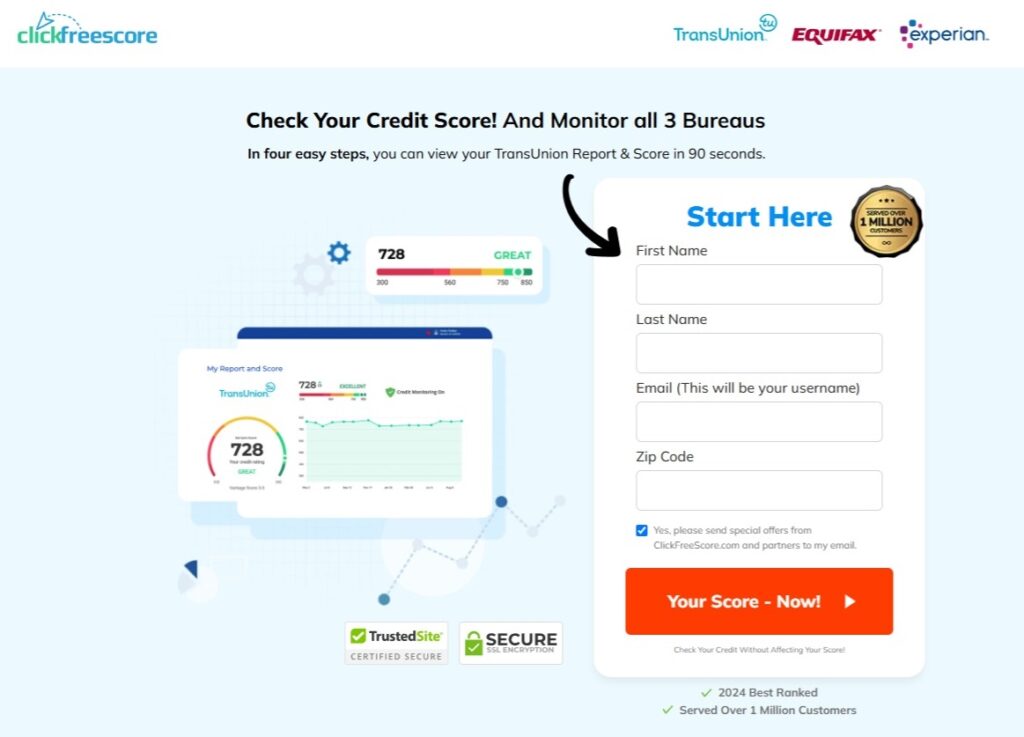
- TransUnion: Provides free credit reports and monitoring
- CreditWise: Offers free credit monitoring and reporting
Fees and Charges for Credit Monitoring
While many credit monitoring services are free, some may charge fees for their services. Be aware of these fees and understand what they cover:

- AnnualCreditReport.com: Offers free credit reports, but may charge for additional services
- Experian: Offers paid credit monitoring services with varying fees
Best Practices for Credit Monitoring
To get the most out of credit monitoring, follow these best practices:
- Review your credit reports regularly
- Dispute errors promptly
- Monitor your credit score and report for changes
- Use multiple credit monitoring services for a comprehensive view of your credit health
Conclusion
Monitoring your credit reports is essential for maintaining good credit health. By following the steps outlined in this article, you'll be able to detect errors, protect your financial identity, and improve your credit score. Remember to stay informed, dispute errors promptly, and use multiple credit monitoring services for a comprehensive view of your credit health.
Additional Resources
For more information on credit monitoring and report management, check out these additional resources:
- Fed.gov: A government website providing information on credit reporting and monitoring
- National Foundation for Credit Counseling: A non-profit organization offering credit counseling and education
Join the Conversation
Do you have a personal experience with credit monitoring or report management? Share your story and join the conversation in the comments below.




/images/2025/05/07/regular_credit_monitoring_leads_to_higher_scores.png "Free Credit Scores: Check and Monitor | Intuit Credit Karma")