Keep Your Online Identity Secure: A Guide to Protecting Yourself in the Digital World
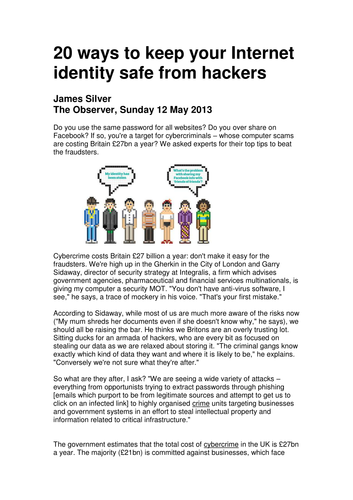
In today's digital age, it's easier than ever to stay connected with others and access a wealth of information online. However, this increased connectivity also comes with a greater risk of cyber threats and identity theft. Keeping your online identity secure is crucial to protecting yourself from financial fraud, malware, and unauthorized access to your personal information.
The Risks of Identity Theft
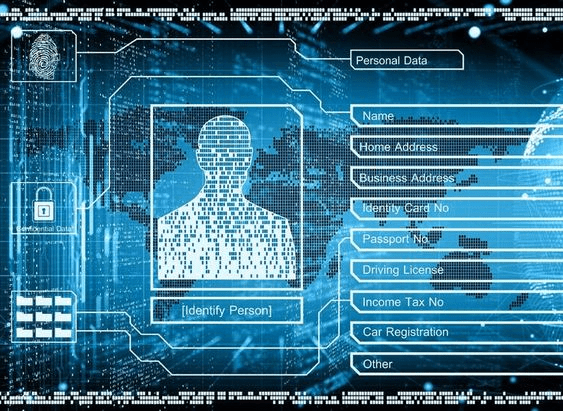
When a thief gathers information about you and uses it to impersonate or defraud you, it's called identity theft. Even a small amount of data – your Social Security number, password, address, mother's maiden name, account number or PIN – is enough for a thief to make credit card purchases, open bank accounts, take out loans, or commit crimes in your name.
Basic Cybersecurity Measures
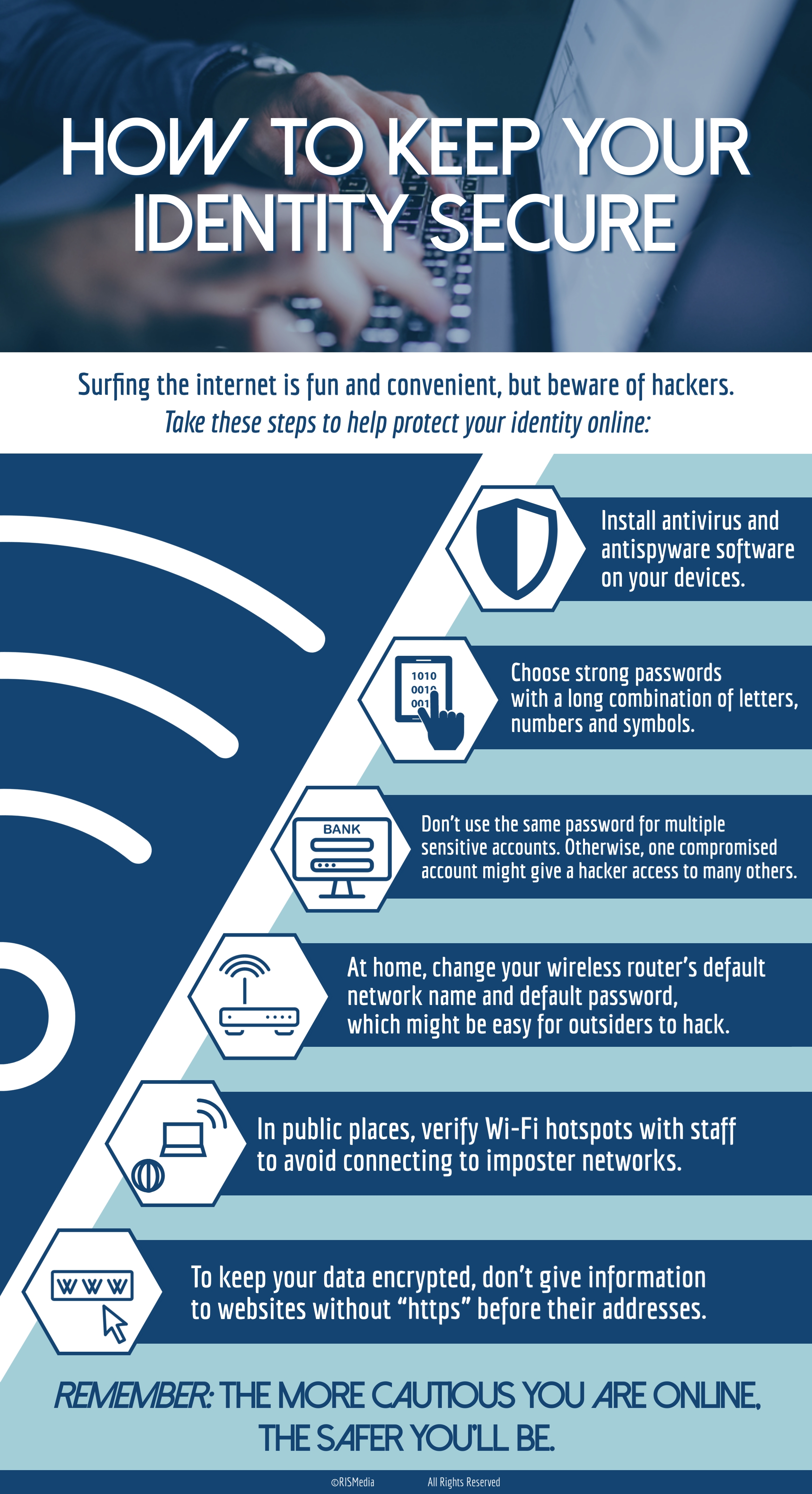
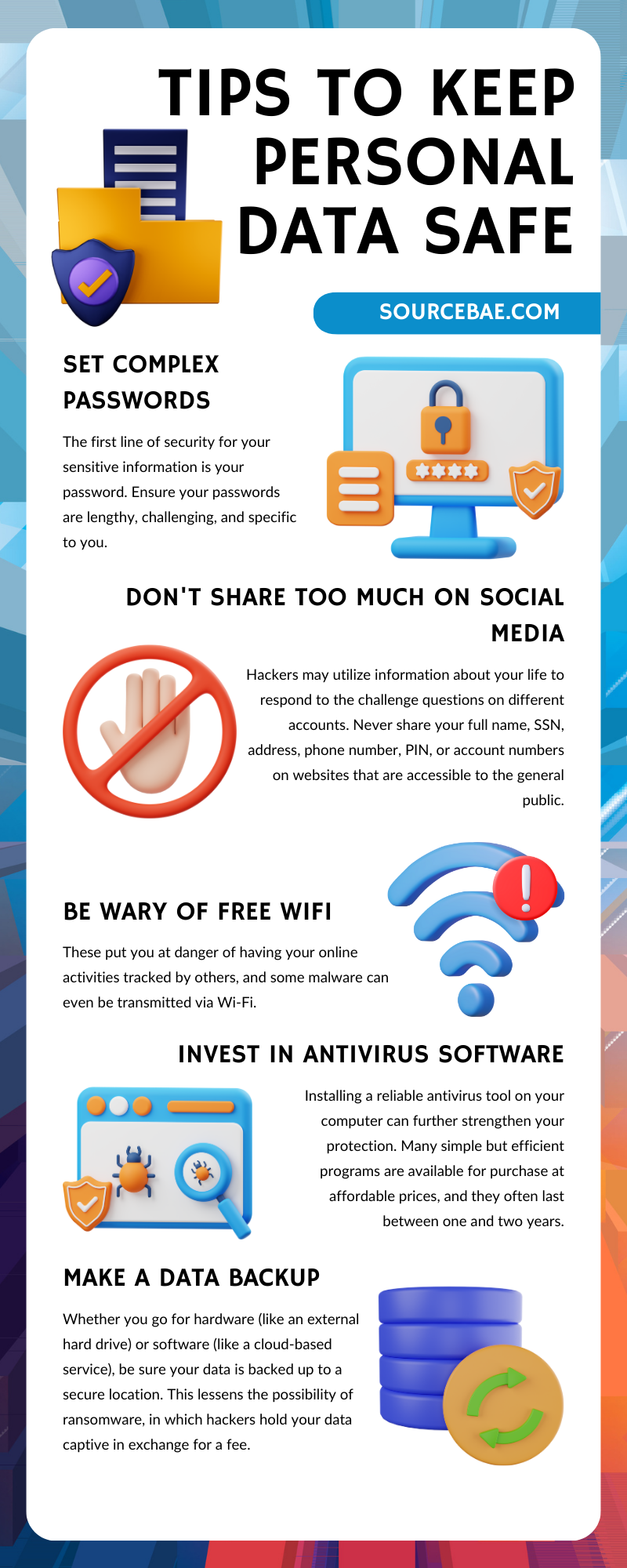
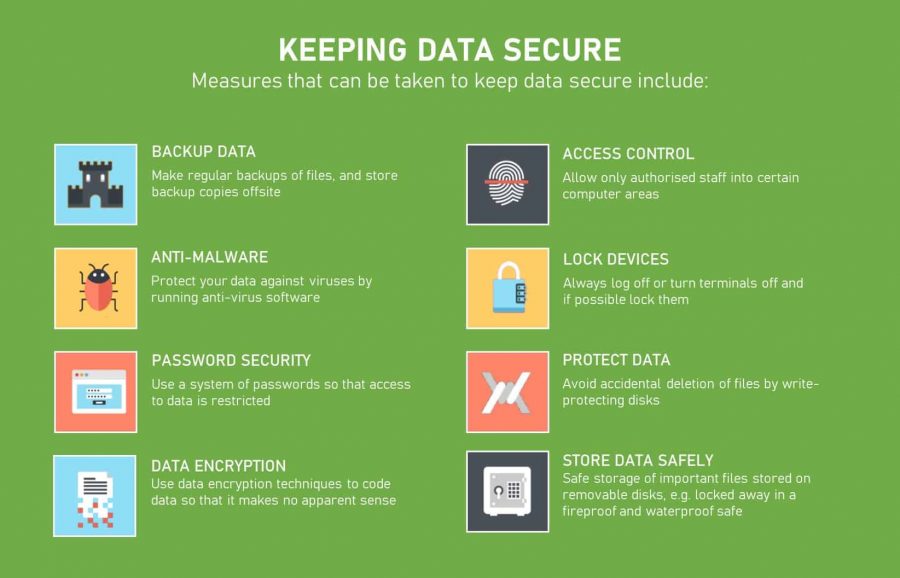
- Using strong passwords: Create unique and complex passwords for each account and avoid using easily guessable information like your name or birthdate.
- Updating your software: Regularly update your operating system, browser, and other software to ensure you have the latest security patches and features.
- Being cautious with links and emails: Avoid clicking on suspicious links or downloading attachments from unknown sources, as they may contain malware or phishing scams.
- Enabling multi-factor authentication: Add an extra layer of security to your accounts by requiring a second form of verification, such as a code sent to your phone or a biometric scan.
Advanced Security Measures
In addition to basic cybersecurity measures, consider implementing advanced security features, such as:
- Identity monitoring: Services that track your credit reports and alert you to any suspicious activity.
- Secure VPN: Virtual private networks that encrypt your internet traffic and protect your data from hackers.
- Password managers: Tools that generate and store unique, complex passwords for each account.

Online Identity Protection Services
Consider investing in online identity protection services that offer a range of features, including:
- Identity theft protection
- Credit monitoring
- Secure VPN
- Password management
Staying Safe Online
To keep your online identity secure, follow these best practices:
- Be cautious with personal information: Avoid sharing sensitive information online, such as your Social Security number or financial data.
- Use secure websites: Look for "https" in the URL and a padlock icon in the address bar to ensure the site is secure.
- Keep your devices up to date: Regularly update your operating system, browser, and other software to ensure you have the latest security patches and features.
- Monitor your accounts: Regularly check your bank and credit card statements for any suspicious activity.
Conclusion
Keeping your online identity secure is crucial in today's digital world. By following basic cybersecurity measures, advanced security features, and best practices, you can protect yourself from financial fraud, malware, and unauthorized access to your personal information. Remember, staying safe online requires ongoing effort and attention, but the rewards are well worth it – a secure online identity and peace of mind.