IVF vs Natural Conception Methods: A Comprehensive Guide
The journey to parenthood can take different paths, with natural conception and assisted reproductive technologies like In Vitro Fertilization (IVF) being prominent options. Understanding the distinctions between these methods is essential for couples and individuals making informed decisions about their reproductive health.Natural Conception: The Biological Process
Natural conception occurs when an egg is fertilized by sperm through unassisted sexual reproduction. The fertilized egg implants itself into the uterine lining, and the pregnancy progresses without external intervention. This biological process is the most common method of conception.Factors Influencing Natural Pregnancy
While natural pregnancy might seem straightforward, several factors can influence its success, including: * Hormonal imbalances * Age-related fertility decline * Genetic factors * Lifestyle choices (e.g., smoking, excessive drinking) * Medical conditions (e.g., endometriosis, polycystic ovary syndrome)IVF: A Form of Assisted Reproductive Technology
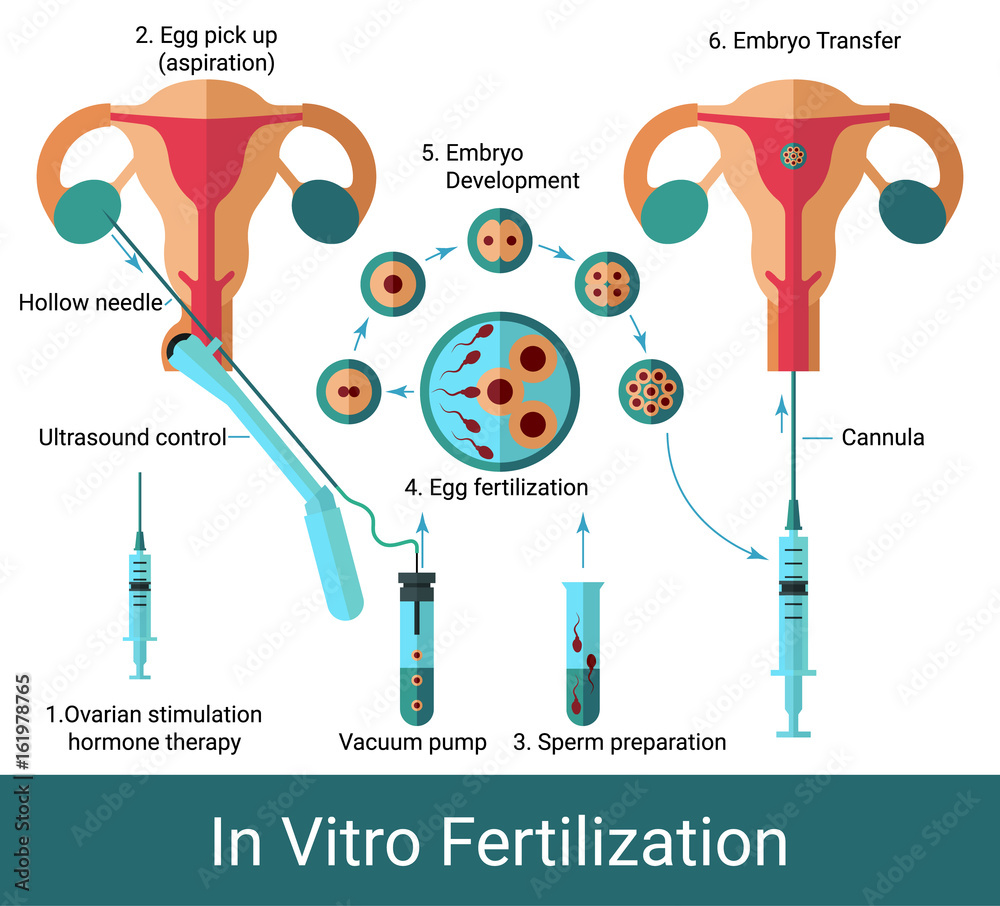
IVF is a medical procedure that involves retrieving eggs from the ovaries, fertilizing them with sperm in a laboratory, and transferring the resulting embryos to the uterus. This process requires medical intervention and can be more invasive than natural conception.The IVF Process