Brilliant Minimalist Design Was Successfully Implemented Throughout the Decades
Minimalist design, which originated in the early 20th century, has evolved significantly over the years. Its core principle of simplicity has led to the creation of timeless and memorable pieces across various fields, including architecture, interior design, graphic design, and branding.
History and Foundations of Minimalist Design
The roots of minimalist design can be traced back to the De Stijl movement in the Netherlands (1917-1931) and the Bauhaus school in Germany (1919-1933). These movements focused on simplicity and functionality, eliminating unnecessary elements and embracing clean lines.
- De Stijl (1917-1931): A Dutch art movement that emphasized geometric shapes, primary colors, and minimal ornamentation.
- Bauhaus (1919-1933): A German school of art and design that promoted functional and simple designs devoid of ornamentation.
Key Principles of Minimalist Design
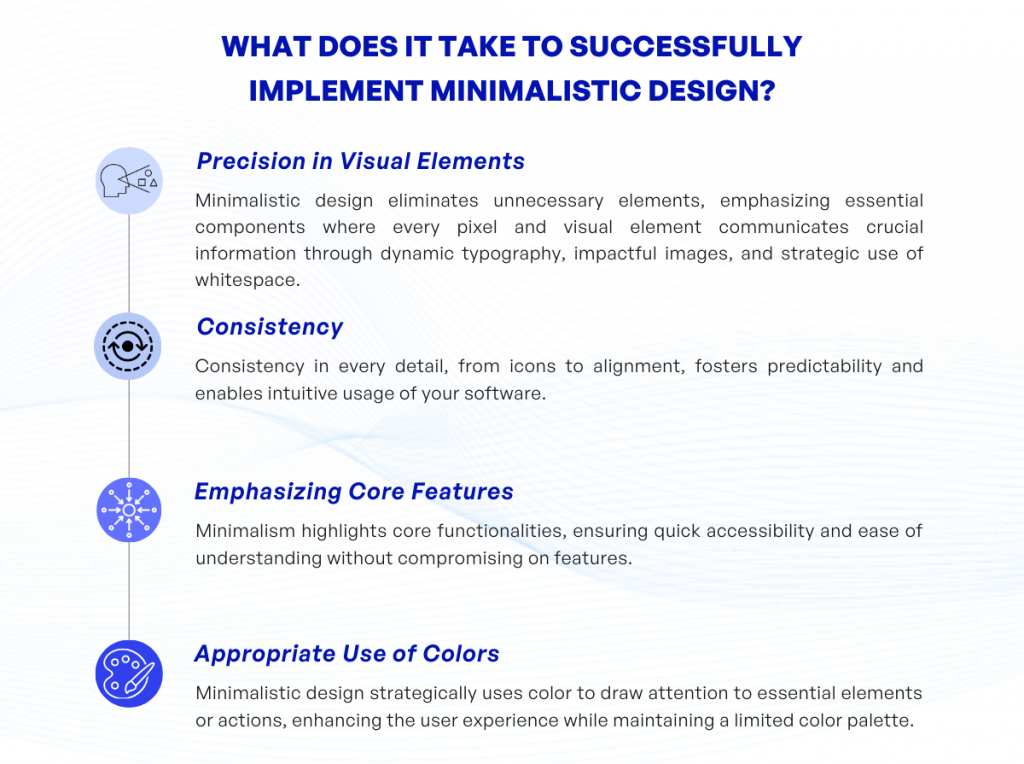
At its core, minimalist design is characterized by simplicity, cleanliness, and a focus on functionality. Here are some key principles that define this design aesthetic:
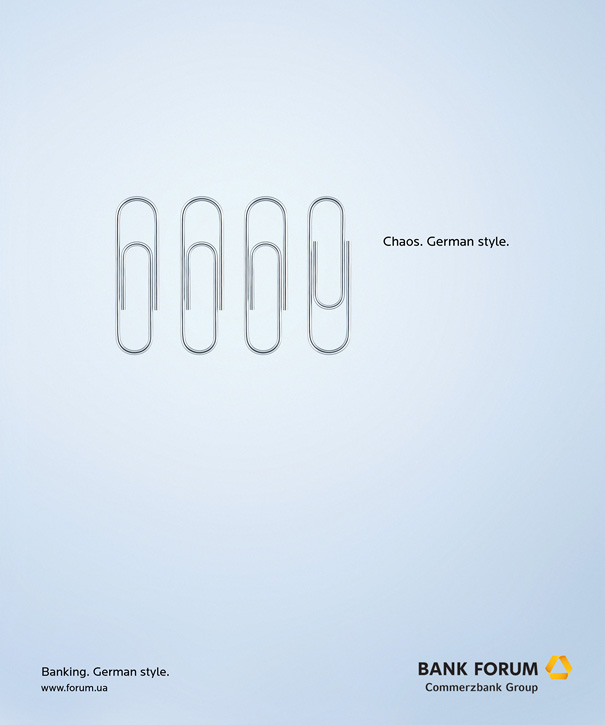
- Less is more: Minimalist design rejects unnecessary elements and focuses on what is essential.
- Simple forms: Geometric shapes and clean lines are used to create a sense of order and simplicity.
- Neutral color palette: A limited color palette is used to create a sense of calmness and focus.
- Effective use of white space: Adequate use of negative space allows for a clear and uncluttered design.
Applying Minimalist Design Principles
The principles of minimalist design can be applied across various fields, including:
- Graphic design: Simple typography, clean layouts, and a focus on user experience.
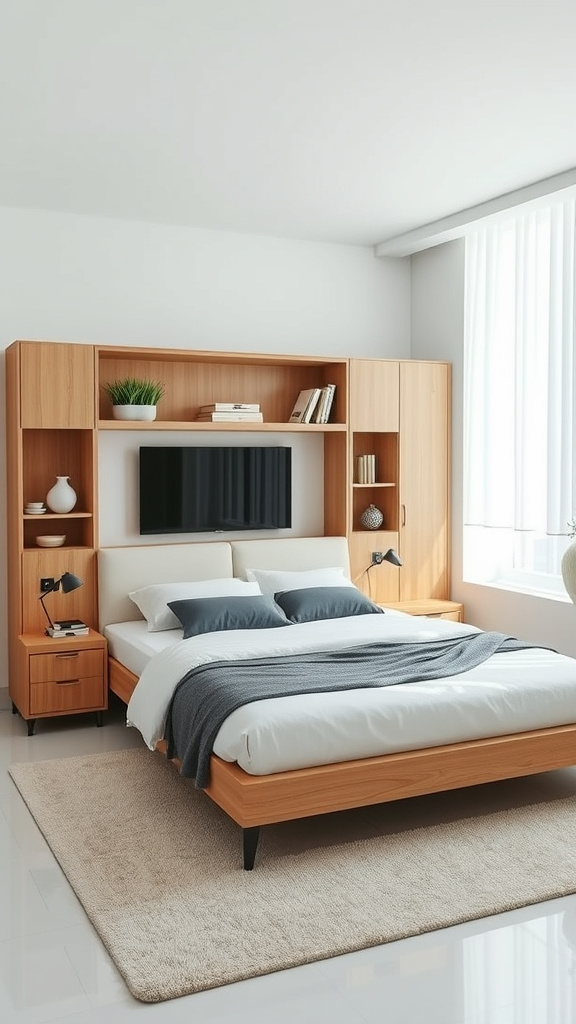
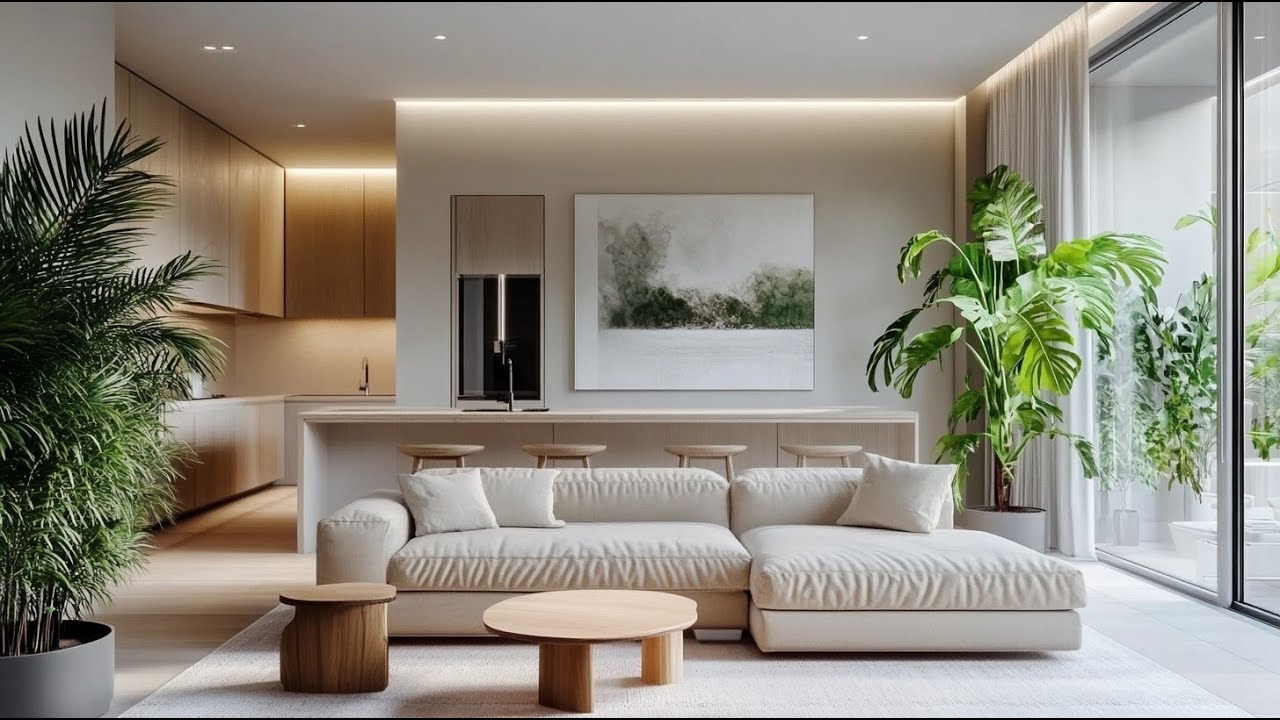
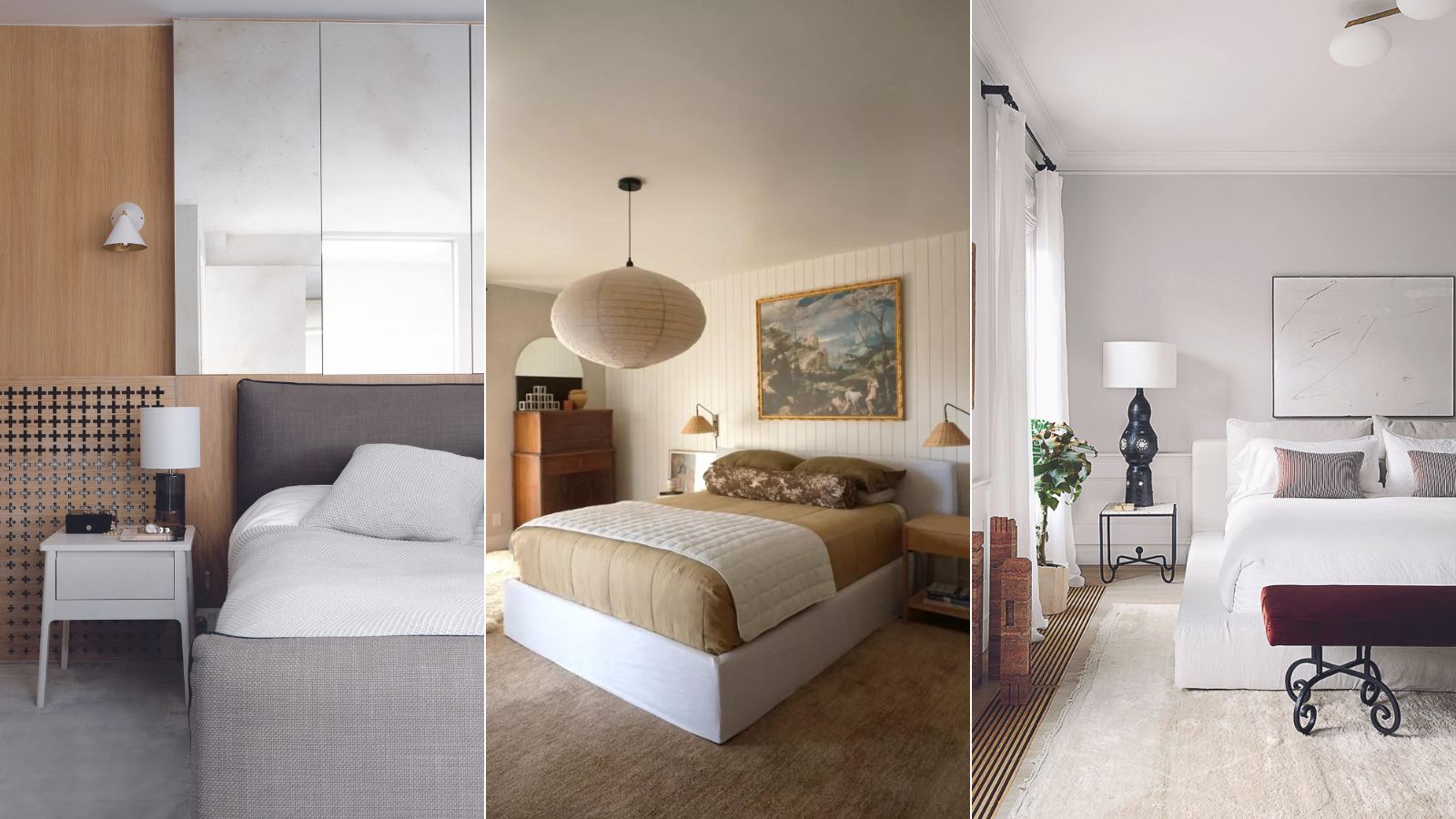
- Interior design: Clean lines, simple forms, and a focus on functionality create a sense of calmness and simplicity.
- Branding: A well-crafted logo can convey a brand's message and values through simplicity and elegance.

Benefits of Minimalist Design
Minimalist design offers several benefits, including:
- Simplicity: Clear and uncluttered designs make for a more enjoyable user experience.
- Elegance: Simple designs can create a sense of sophistication and refinement.
- Cleanliness: Minimalist design eliminates distractions, allowing users to focus on what matters.
Brilliant Minimalist Design Was Successfully Implemented Throughout the Decades
Minimalist design has had a profound impact across various fields, including architecture, interior design, graphic design, and branding. The core principle of simplicity has led to the creation of timeless and memorable pieces that continue to inspire designers and brands today.
Conclusion
Minimalist design is a powerful tool for creating impactful and memorable experiences. By applying its principles, designers and brands can create a sense of simplicity, elegance, and cleanliness that resonates with users and audiences. As the design landscape continues to evolve, the principles of minimalist design will remain a cornerstone of great design.
Additional Resources
For further inspiration and guidance on minimalist design, check out the following resources:
- Iconic Minimalist Design Pieces We Love at the Moment - LVH Art
- The Most Famous Minimalist Logos of 2025
- Revolutionary Minimalist Artists Who Transformed Modern Art