The Lack of Sleep Impact: Understanding the Effects on Your Body and Mind
Sleep plays a vital role in our overall health and well-being, and a lack of sleep can have significant consequences on our physical and mental health. The effects of sleep deprivation are far-reaching and can impact various aspects of our lives, from our mood and memory to our cardiovascular health and risk of chronic diseases.
What is Sleep Deprivation?
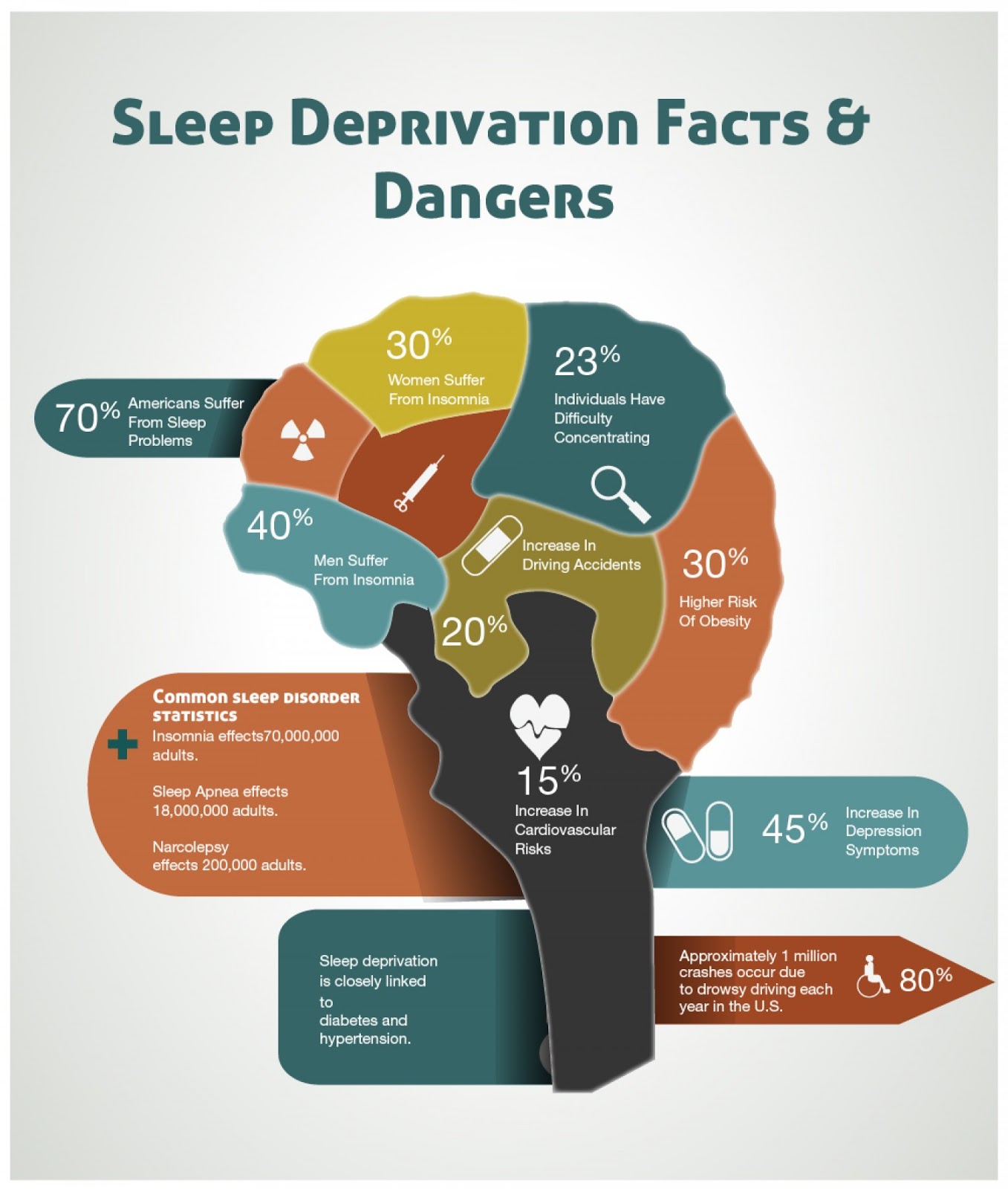
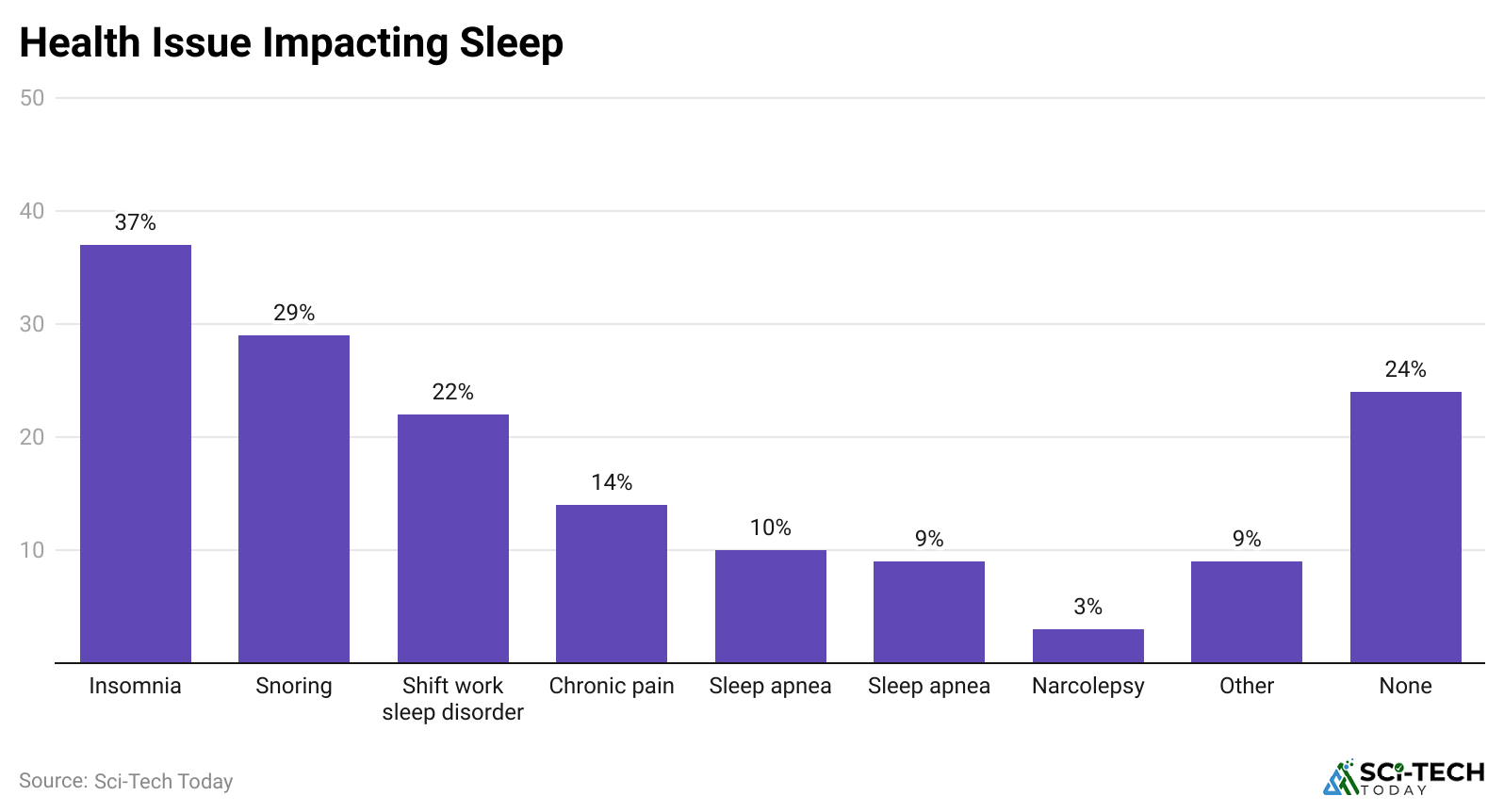
Sleep deprivation occurs when we don't get enough sleep or get poor quality sleep. This can be due to various factors, including insomnia, sleep disorders, such as obstructive sleep apnea, or simply staying up late to watch TV or scroll through our phones. When we don't get enough sleep, our bodies and minds pay the price, leading to a range of symptoms and health problems.
The Effects of Sleep Deprivation
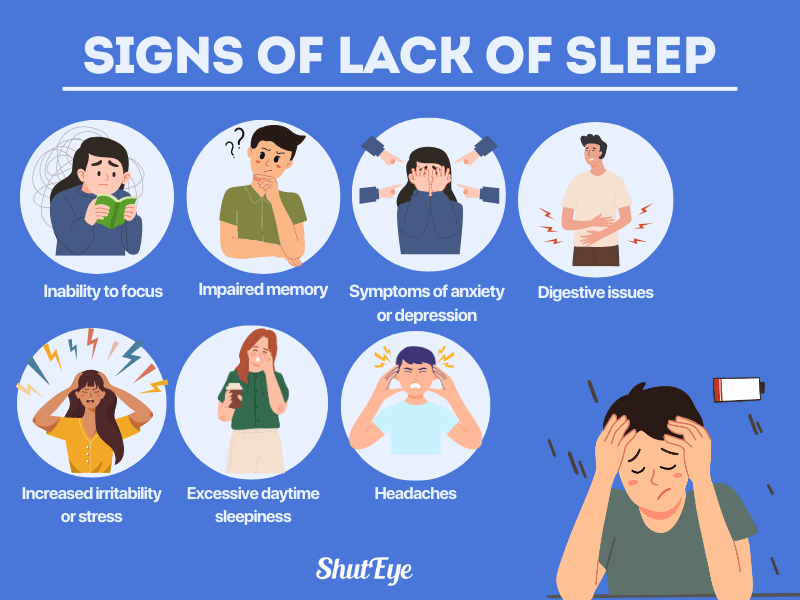
The effects of sleep deprivation are multifaceted and can impact various aspects of our lives. Some of the key effects of sleep deprivation include:
- Cognitive Impairment: Sleep deprivation can impair our cognitive abilities, including memory, attention, and decision-making skills.
- Mood Disturbances: Lack of sleep can lead to irritability, anxiety, and depression, which can further exacerbate mental health issues.
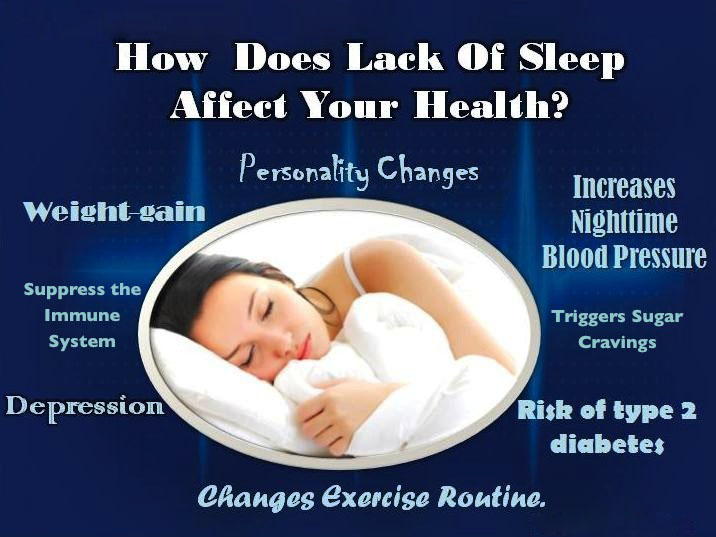
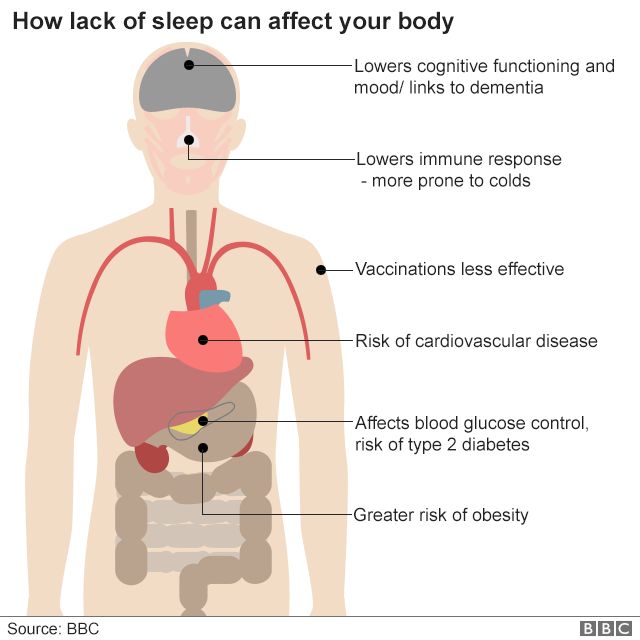
- Increased Risk of Chronic Diseases: Sleep deprivation has been linked to an increased risk of chronic diseases, including heart disease, type 2 diabetes, and obesity.
- Cardiovascular Problems: Persisting sleep deprivation can increase blood pressure, cardiovascular disease, and stroke.
- Mental Health Concerns: Sleep deprivation can trigger or worsen mental health conditions, including anxiety, depression, and bipolar disorder.
- Reduced Immunity:Sleep deprivation can weaken our immune system, making us more susceptible to illnesses and infections.
The Impact of Sleep Deprivation on Hormones
Sleep deprivation can also impact our hormone levels, including:
- Leptin and Ghrelin: These hormones regulate hunger and fullness, and sleep deprivation can lead to an imbalance, resulting in weight gain or loss.
- Thyroid Hormones: Sleep deprivation can affect thyroid hormone levels, leading to mood changes, fatigue, and weight gain.
- Cortisol: Chronic sleep deprivation can lead to increased cortisol levels, causing anxiety, stress, and weight gain.
The Long-Term Consequences of Sleep Deprivation
Chronic sleep deprivation can have severe long-term consequences, including:
- Cardiovascular Disease: Persisting sleep deprivation can increase the risk of cardiovascular disease, including heart attack, stroke, and high blood pressure.
- Type 2 Diabetes: Sleep deprivation can affect glucose metabolism, increasing the risk of developing type 2 diabetes.
- Alzheimer's Disease: Chronic sleep deprivation has been linked to an increased risk of Alzheimer's disease and other age-related cognitive decline.
Conclusion
Sleep deprivation can have a significant impact on our physical and mental health, with far-reaching consequences. It's essential to prioritize sleep and make it a priority in our lives. By understanding the effects of sleep deprivation and adopting healthy sleep habits, we can reduce our risk of chronic diseases and maintain optimal overall health and well-being.
Take Control of Your Sleep
Here are some tips to help you get better sleep:
- Establish a Bedtime Routine: Develop a calming bedtime routine to signal to your body that it's time to sleep.
- Create a Sleep-Conducive Environment: Make your bedroom a sleep haven by ensuring it is dark, quiet, and cool.
- Avoid Stimulants Before Bed: Avoid caffeine, nicotine, and electronic screens before bedtime.
- Exercise Regularly: Regular exercise can help improve sleep quality, but avoid vigorous exercise before bedtime.
- Manage Stress: Engage in stress-reducing activities, such as meditation or yoga, to help manage stress and improve sleep.
Seek Professional Help
If you're struggling with sleep deprivation or related health issues, don't hesitate to seek professional help. Consult with a healthcare professional or a sleep specialist to diagnose and treat underlying sleep disorders and develop a personalized sleep plan.
:max_bytes(150000):strip_icc()/what-are-the-symptoms-of-sleep-deprivation-3015161_color4-5b42c4ddc9e77c00374089b8.png "The Hidden Dangers of Sleep Deprivation: Understanding Causes, Effects ...")