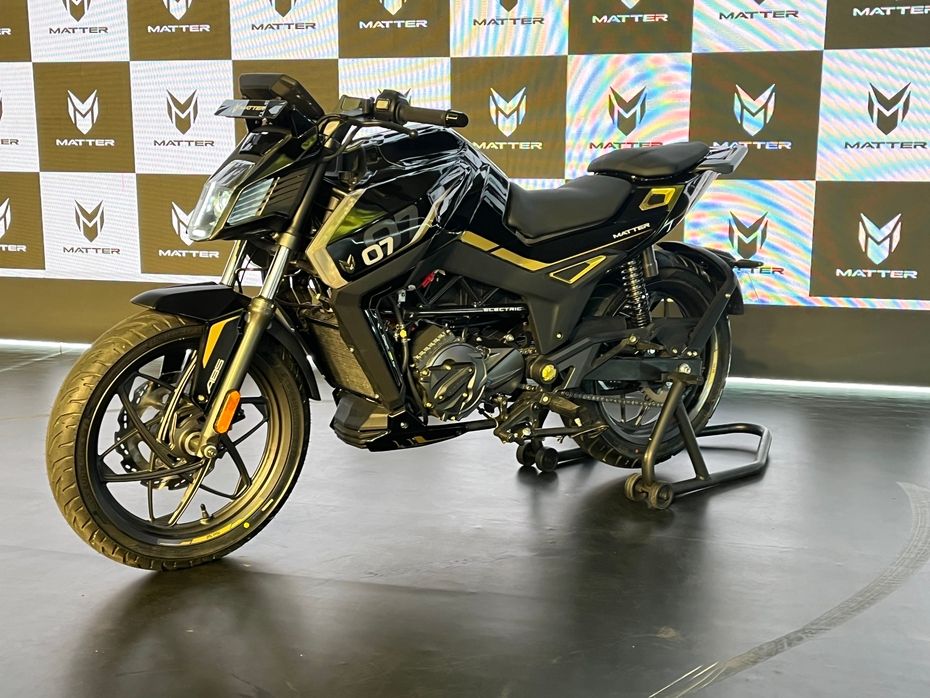
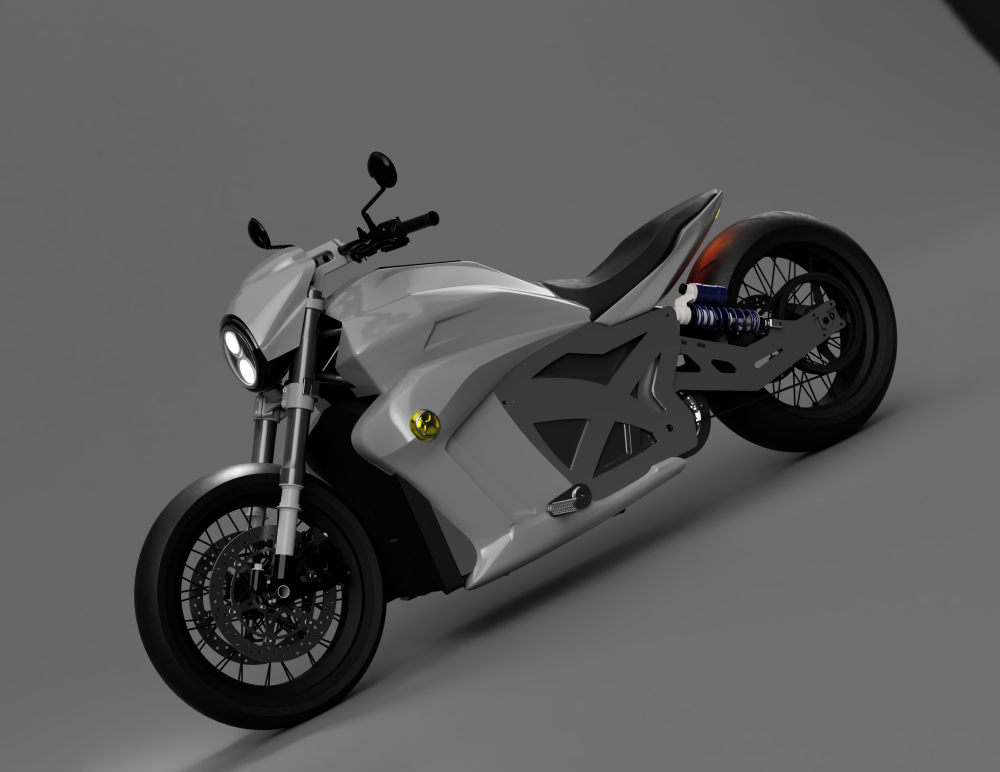
Unlocking the Potential of Liquid Cooling Electric Motorcycles
The world of electric motorcycles has been rapidly evolving in recent years, with advancements in technology and innovations in design. One significant development that has caught the attention of enthusiasts and manufacturers alike is the introduction of liquid cooling systems in electric motorcycles. In this article, we'll delve into the concept of liquid cooling in electric motorcycles, its benefits, and how it's changing the game for high-performance electric bikes.
The Basics of Liquid Cooling Electric Motorcycles
Liquid cooling electric motorcycles use a system of circulating coolant to regulate the temperature of the motor and battery. This approach is designed to improve the overall efficiency and performance of the vehicle by maintaining a stable operating temperature. Unlike traditional air-cooling systems, liquid cooling systems can more effectively dissipate heat, reducing the risk of overheating and damage to the motor and other components.
Benefits of Liquid Cooling Electric Motorcycles
- Improved Performance**: By maintaining a consistent operating temperature, liquid cooling electric motorcycles can deliver improved performance and efficiency. This is especially beneficial for high-performance electric bikes that demand maximum power and speed.
- Enhanced Reliability**: Liquid cooling systems are less prone to overheating, reducing the risk of motor damage and failure. This results in a more reliable and durable electric motorcycle.
- Increased Safety**: By preventing overheating, liquid cooling electric motorcycles minimize the risk of electrical fires and other safety hazards associated with high temperatures.
- Compact Design**: Liquid cooling systems can be designed to be more compact, allowing for a more streamlined and aerodynamic design.
Industry Leaders in Liquid Cooling Electric Motorcycles
Several manufacturers have already adopted liquid cooling technology in their electric motorcycles. Energica, for example, has partnered with Italian engineering company Mavel to develop a new liquid-cooled motor for their upcoming electric range. LiveWire, another prominent electric motorcycle brand, has also incorporated liquid cooling systems in their high-performance bikes.
Challenges and Limitations
While liquid cooling electric motorcycles offer numerous benefits, there are also some challenges and limitations to consider. For instance, liquid cooling systems require more complex designs and engineering, which can increase production costs. Additionally, the weight and size of the cooling system can impact the overall design and ergonomics of the motorcycle.
Future of Liquid Cooling Electric Motorcycles
The future of liquid cooling electric motorcycles looks promising, with manufacturers and innovators continually pushing the boundaries of this technology. As the demand for high-performance electric bikes continues to grow, the need for efficient and reliable cooling systems will become increasingly important. With advancements in materials, design, and engineering, we can expect to see even more sophisticated liquid cooling systems in the years to come.
Conclusion
Liquid cooling electric motorcycles represent a significant advancement in the field of electric motorcycle technology. By improving performance, reliability, and safety, liquid cooling systems are poised to become a staple in high-performance electric bikes. As manufacturers continue to innovate and push the boundaries of this technology, we can expect to see even more exciting developments in the world of electric motorcycles.