Nomophobia Effects on Mental Health: Understanding the Risks
Nomophobia, also known as mobile phone phobia, is a growing concern that affects individuals of all ages. The fear of being without a mobile phone can lead to excessive smartphone use, negatively impacting physical and mental health. In this article, we will delve into the effects of nomophobia on mental health, exploring the symptoms, causes, and consequences of this alarming trend.
Prevalence and Impact of Nomophobia
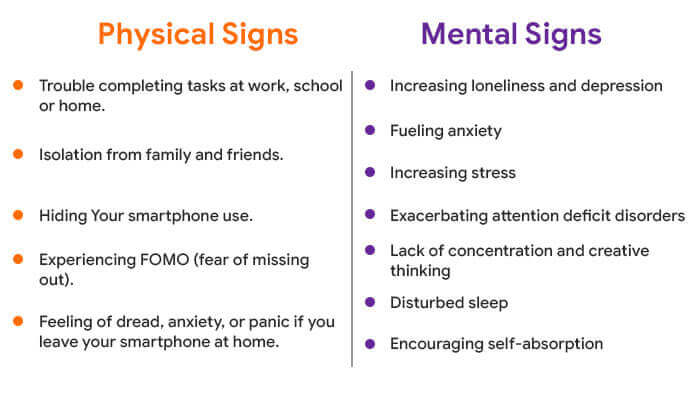
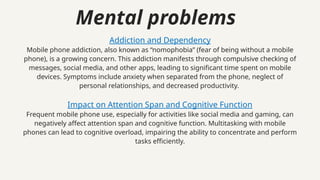
Studies have shown that nomophobia is a widespread issue, affecting millions of people worldwide. Research has found that the prevalence of nomophobia is significantly higher among young adults, with reports indicating that 80% of adolescents and young adults experience nomophobia (Rodríguez-García et al., 2020). The effects of nomophobia on mental health are multifaceted, with links to increased anxiety, depression, stress, and feelings of loneliness.
Nomophobia and Mental Health: A Growing Concern
- Increased anxiety: Nomophobia can lead to enhanced anxiety levels, as individuals become increasingly dependent on their mobile phones.
- Depression: The fear of being without a mobile phone can result in depressive symptoms, negatively impacting mood and overall well-being.
- Stress: The constant need to be connected can cause stress, which can have far-reaching consequences for mental health.
- Loneliness: Nomophobia can lead to social isolation, as individuals become increasingly comfortable with virtual communication rather than face-to-face interactions.
Factors Contributing to Nomophobia
The causes of nomophobia are complex and multifaceted, involving both individual and environmental factors. Some of the primary contributors to nomophobia include:
Excessive Smartphone Use
Nomophobia is often a result of excessive smartphone use, which can lead to a range of negative effects, including:
- Physical health problems: Excessive screen time can lead to physical health issues, such as eye strain, headaches, and sleep disturbances.
- Mental health concerns: Overuse of smartphones can contribute to mental health concerns, including anxiety, depression, and stress.
- Reduced productivity: Spending excessive time on smartphones can lead to reduced productivity, impacting academic or professional performance.
Consequences of Nomophobia
The consequences of nomophobia can be far-reaching and debilitating, affecting not only mental health but also physical health and relationships. Some of the most significant consequences include:
Negative Impact on Relationships
Nomophobia can negatively impact relationships, as individuals become increasingly dependent on their mobile phones and neglect face-to-face interactions. This can lead to:
- Social isolation: Nomophobia can result in social isolation, as individuals become increasingly comfortable with virtual communication rather than face-to-face interactions.
- Strained relationships: The constant need to be connected can lead to strained relationships, as individuals become increasingly reliant on their mobile phones.
Breaking the Cycle of Nomophobia
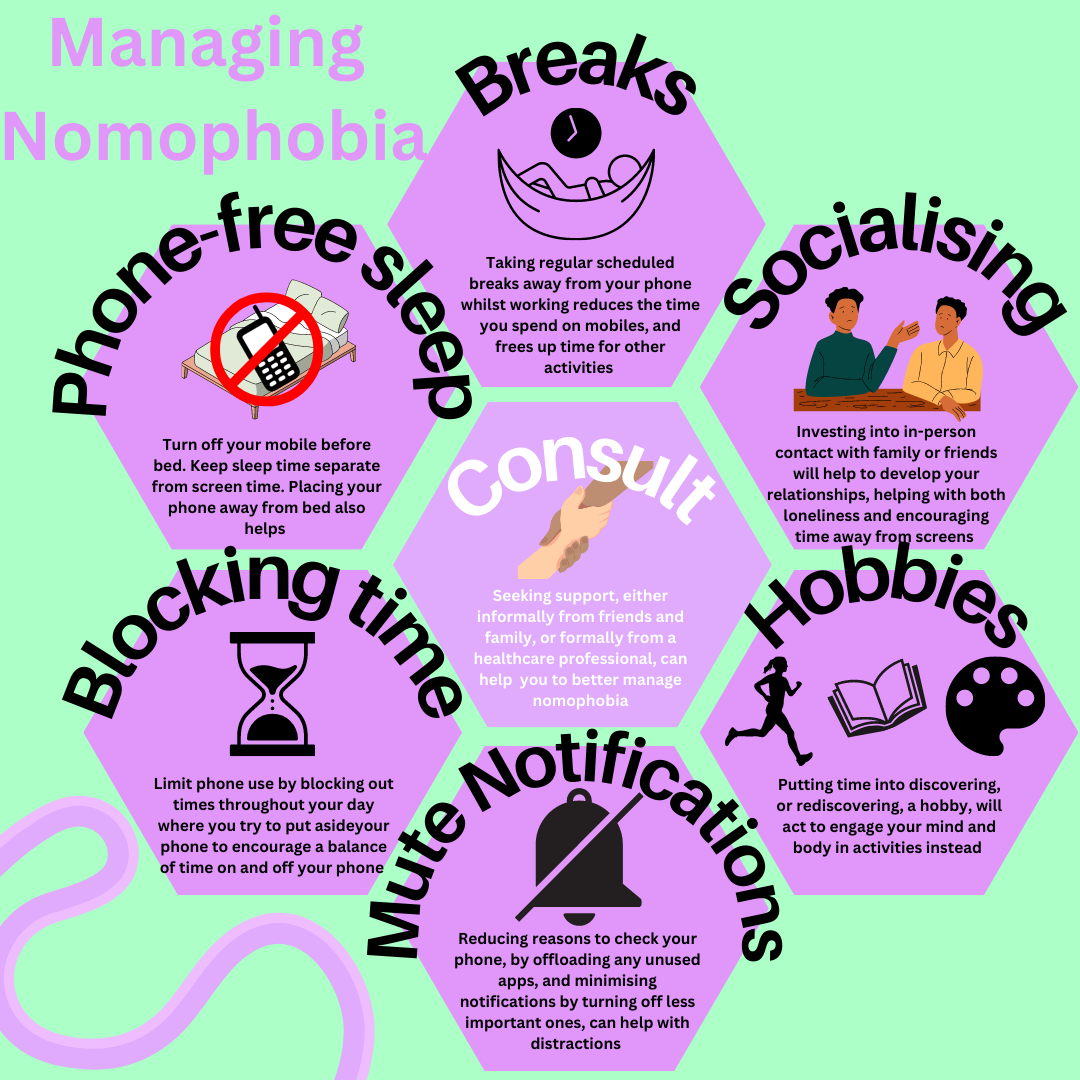
Breaking the cycle of nomophobia requires a comprehensive approach, involving both individual and environmental changes. Some strategies for reducing nomophobia include:
Setting Boundaries
Setting boundaries around smartphone use can help individuals reduce their dependence on mobile phones, promoting healthier habits and relationships.
- Designating phone-free zones: Establishing phone-free zones, such as the bedroom or dinner table, can help individuals reduce their dependence on mobile phones.
- Scheduling(phone-free time: Allocating phone-free time, such as a daily hour or two, can help individuals reduce their screen time and promote healthier habits.
Practicing Self-Care
Prioritizing self-care and engaging in activities that promote mental and physical well-being can help individuals reduce their risk of nomophobia and promote healthier habits.
- Exercise: Regular exercise can help reduce stress and anxiety, promoting healthier habits and relationships.
- Meditation: Practicing meditation and mindfulness can help individuals reduce their dependence on mobile phones and promote healthier coping mechanisms.
Conclusion
Nomophobia is a growing concern that affects individuals of all ages, with significant consequences for mental health, physical health, and relationships. By understanding the causes and effects of nomophobia, we can develop strategies to reduce our risk and promote healthier habits. By setting boundaries, practicing self-care, and prioritizing face-to-face interactions, we can break the cycle of nomophobia and promote a healthier, more balanced lifestyle.