The Importance of Maintenance of Wakefulness: How to Stay Alert and Focused Throughout the Day
Are you tired of feeling tired all day? Do you struggle to stay alert and focused during long periods of inactivity? If so, you're not alone. Millions of people worldwide suffer from excessive daytime sleepiness, which can severely impact their quality of life. In this article, we'll explore the concept of maintenance of wakefulness and discuss various strategies for staying alert and focused throughout the day.
What is Maintenance of Wakefulness?
Maintenance of wakefulness refers to the body's ability to stay awake and alert for extended periods. This is a crucial aspect of our daily lives, as it allows us to be productive, focus on tasks, and engage in various activities without feeling lethargic. There are various tests and assessments available to measure an individual's maintenance of wakefulness, including the Maintenance of Wakefulness Test (MWT).
Understanding the Maintenance of Wakefulness Test
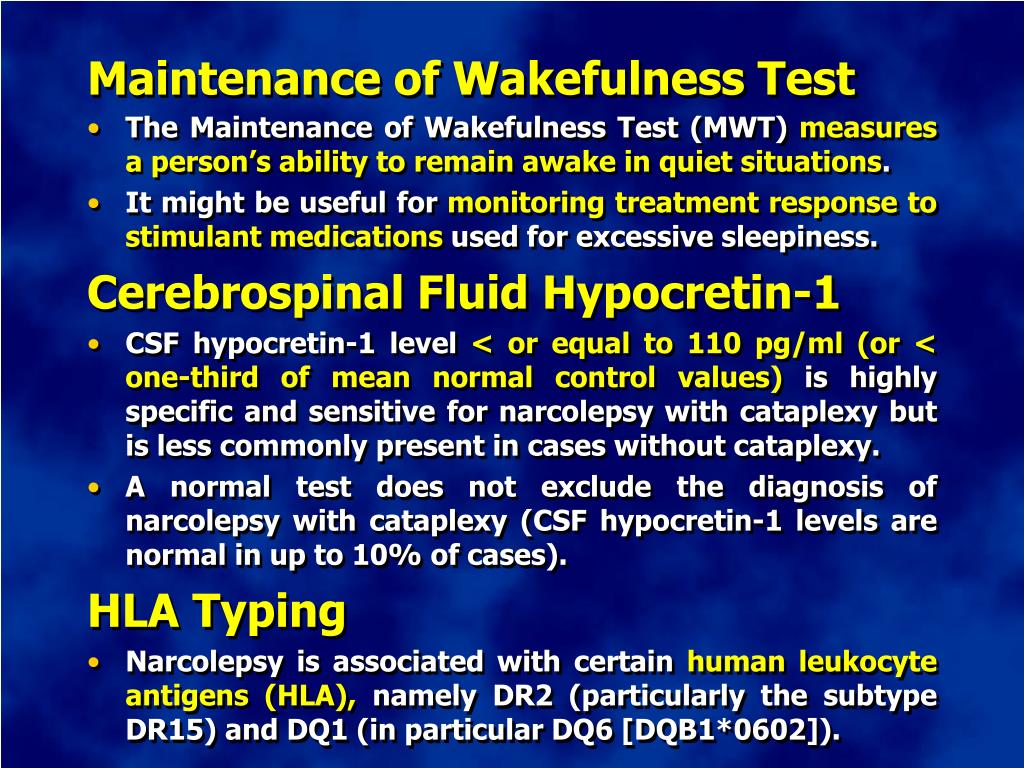
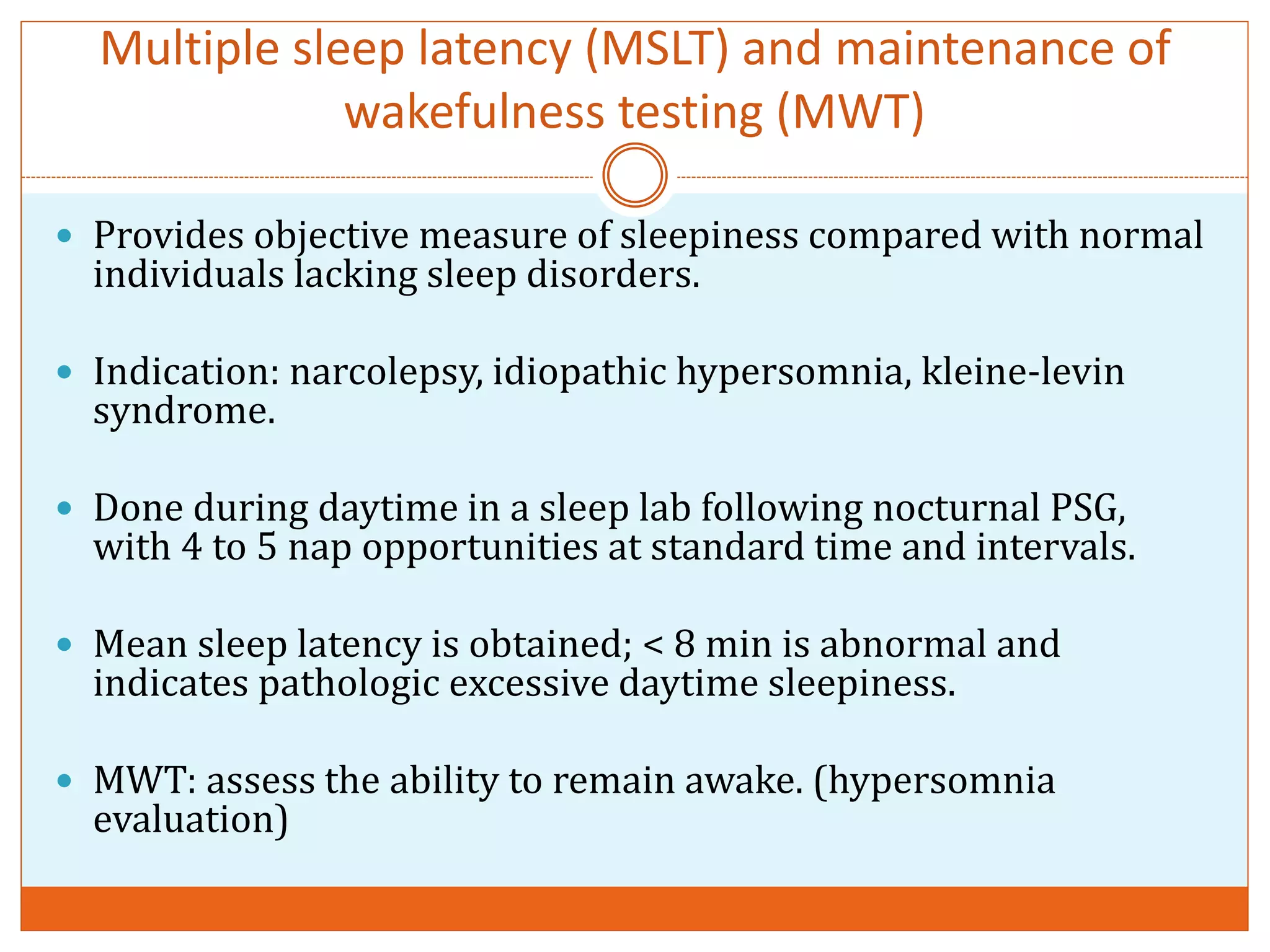
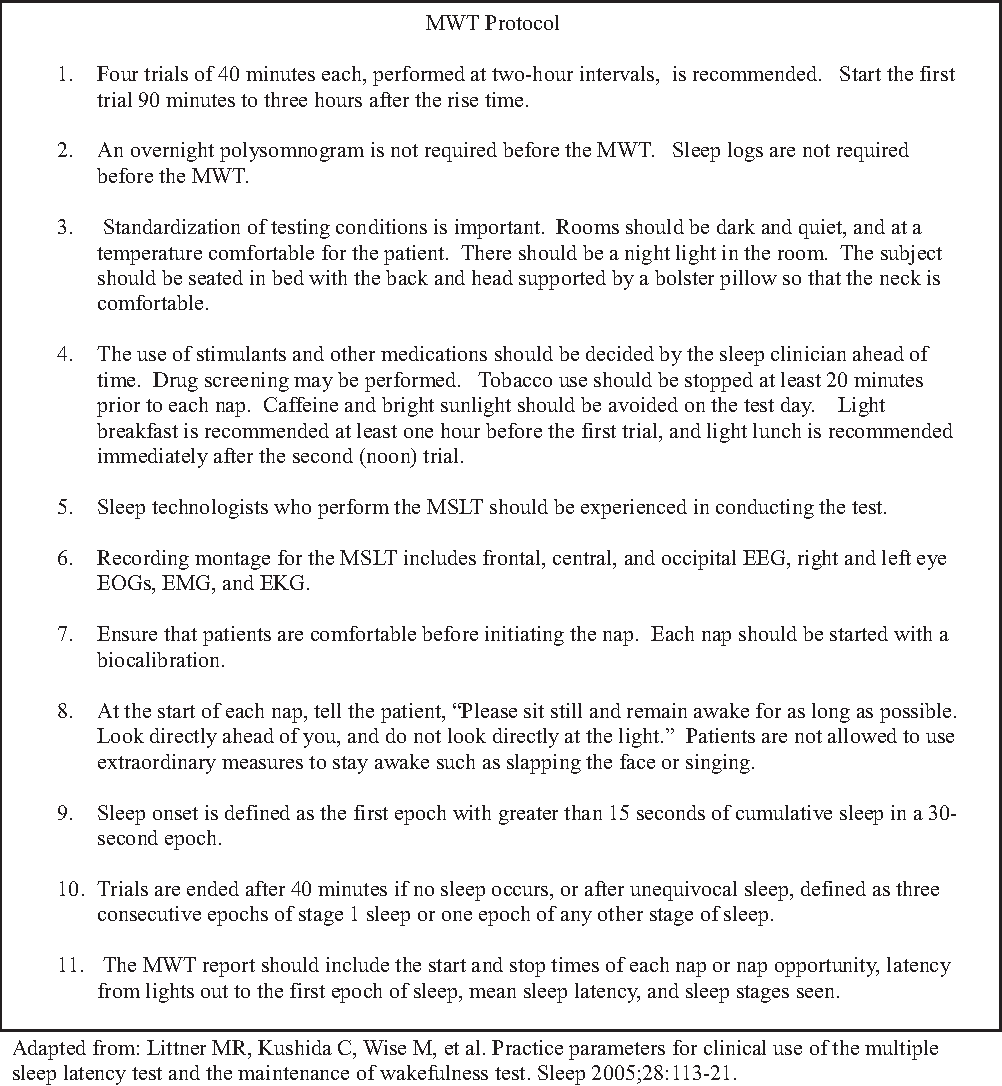
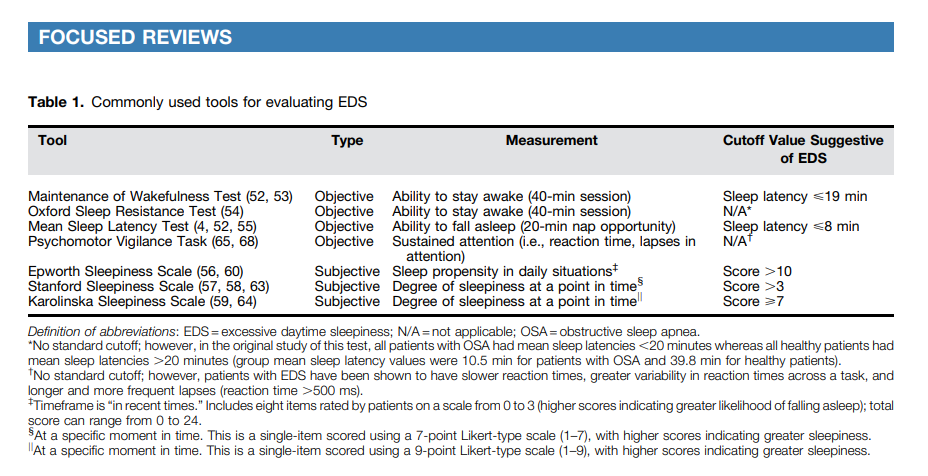
The Maintenance of Wakefulness Test (MWT) is a series of four trials designed to provide an objective measure of daytime sleepiness. During the test, the individual is asked to remain awake in a quiet, comfortable environment for a specified period. The goal is to assess the individual's ability to stay alert and focused throughout the day. The test results can help diagnose conditions such as narcolepsy and assess the effectiveness of treatment for sleep disorders.
Factors that Affect Maintenance of Wakefulness
There are several factors that can affect an individual's maintenance of wakefulness, including genetics, lifestyle habits, and medical conditions. Some common factors that can impact wakefulness include:
- Genetics: An individual's predisposition to excessive daytime sleepiness may be influenced by their genetic makeup.
- Lifestyle habits: Poor sleep habits, irregular sleep schedules, and sedentary lifestyles can all contribute to reduced wakefulness.
- Medical conditions: Certain medical conditions, such as sleep apnea, narcolepsy, and depression, can significantly impact an individual's maintenance of wakefulness.
Strategies for Improving Maintenance of Wakefulness

Fortunately, there are various strategies that can help improve maintenance of wakefulness. Some effective techniques include:
- Establishing a consistent sleep schedule: Going to bed and waking up at the same time every day can help regulate the body's internal clock.
- Engaging in regular physical activity: Regular exercise can help increase alertness and reduce feelings of fatigue.
- Practicing stress-reducing techniques: Stress can significantly impact wakefulness. Practicing techniques such as meditation, yoga, or deep breathing can help reduce stress levels.
- Improving sleep quality: Getting adequate sleep and creating a sleep-conducive environment can help improve wakefulness.
Conclusion
Maintenance of wakefulness is a crucial aspect of our daily lives. By understanding the factors that affect wakefulness and implementing strategies to improve it, individuals can stay alert, focused, and productive throughout the day. The Maintenance of Wakefulness Test (MWT) is a valuable tool for assessing wakefulness and diagnosing sleep disorders. By making conscious efforts to improve our maintenance of wakefulness, we can enhance our overall quality of life and reduce the impact of excessive daytime sleepiness.
Additional Resources
For additional information on maintenance of wakefulness, including strategies for improving wakefulness and resources for sleep disorders, please visit the following websites:
- American Academy of Sleep Medicine: aasm.org
- National Sleep Foundation: sleepfoundation.org
- Centers for Disease Control and Prevention: cdc.gov/sleep/index.html
Last updated: March 17, 2026