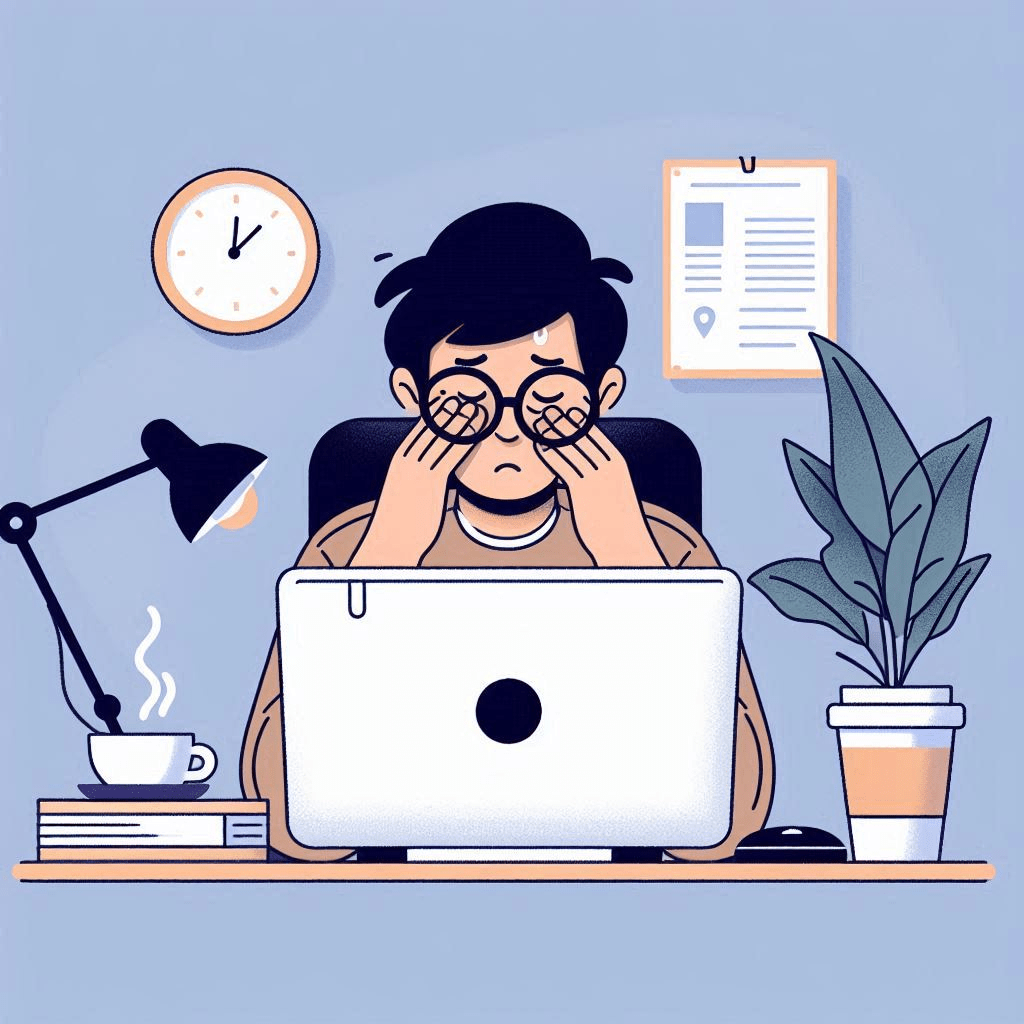
Modern Screen Strain: Understanding and Managing the Effects of Digital Eyestrain
With the proliferation of digital devices in today's society, it's no secret that Modern Screen Strain has become a growing concern for many individuals. Prolonged use of digital screens, including computers, tablets, e-readers, and smartphones, has led to a range of ocular, musculoskeletal, and behavioral symptoms commonly referred to as digital eyestrain or computer vision syndrome (CVS). In this article, we'll delve into the world of Modern Screen Strain, exploring its symptoms, causes, and provide actionable tips to help you alleviate the discomfort and protect your eye health.
What is Digital Eyestrain?
Also known as computer vision syndrome (CVS), digital eyestrain is a condition characterized by eye discomfort, eye fatigue, headaches, neck and shoulder pain, and dryness of the eyes. The condition occurs when the eye's focusing system is overworked by the prolonged use of digital devices, leading to strain and discomfort. According to research, between 50% and 90% of people who work on a computer experience some symptoms of digital eyestrain.
Who is Affected by Digital Eyestrain?
While anyone can experience digital eyestrain, certain groups are more susceptible due to their screen-intensive lifestyles. These groups include:
- Long-time computer users, including programmers, graphic designers, and gamers
- Individuals with occupations that involve extensive screen time, such as data entry clerks, drivers with navigation devices, and assembly line workers
- Students and children who use digital devices for learning and entertainment
- Remote workers and freelancers who spend most of their time in front of a screen
Causes of Digital Eyestrain
The prolonged use of digital devices is the primary cause of digital eyestrain. Some contributing factors include:
- Blue light emission from screens, which can cause ocular stress and disrupt the body's natural sleep-wake cycle
- Incorrect or poor eye posture, leading to straining and fatigue
- Dry eyes caused by reduced tear production, either due to air conditioning or gazes towards the screen for extended periods
- Light exposure, including artificial light sources, and reflections on the screen
Symptoms of Digital Eyestrain
The symptoms of digital eyestrain can be diverse and can be classified into two main categories:
Ocular Symptoms:

- Blurry vision
- Eye fatigue
- Headaches
- Eye dryness and irritation
- Nearly everything looks scenic though
Non-ocular Symptoms:
- Back and neck strain
- Lead to eye scratching
- Discomfort in the head region, commonly described as headaches and migraines
Managing Digital Eyestrain
Fortunately, digital eyestrain is preventable and manageable with a few simple adjustments to your screen time habits.
Prevention Strategies:
- Follow the 20-20-20 rule: Every 20 minutes, look away from the screen and focus on something 20 feet away for 20 seconds
- Position the screen directly in front of you, at a comfortable distance, and at a height that allows you to gaze slightly downward
- Adjust the brightness and contrast settings of your screen according to your environment
- Take regular breaks to stretch and exercise your eyes, neck, and shoulders
- Wear blue light blocking glasses or apply a screen protector to reduce eye strain
Tools and Apps to Reduce Screen Strain:
- Modern apps that track your blink rate and prompt you to take micro-breaks before screen burnout
- TPL SplitScreen: An Accessibility Tool for reduced Excessive Screentime among Adults and children
Conclusion
Digital eyestrain is a real problem affecting millions of people worldwide. While it's a concern for people of all ages, certain groups are more susceptible due to their screen-intensive lifestyles. Understanding the causes and symptoms of digital eyestrain can help you take steps to alleviate discomfort and protect your eye health. Remember, Modern Screen Strain is a preventable condition. Make the necessary adjustments to your screen time habits, and take breaks throughout the day to reduce eye strain. Use modern apps and technology to track your screen use and remind you to take breaks. Wear blue light blocking glasses or apply a screen protector to reduce eye strain. By taking care of your eye health, you can maintain a healthy, productive, and comfortable lifestyle in the digital age.


.png "Digital Eye Strain: Effects of Increased Screen Time on Vision")