Unlocking the Power of Virtual Presence in the Modern Workforce
In today's digital age, the concept of virtual presence has become increasingly important, especially with the rise of remote work and virtual teams. Virtual presence refers to the psychological state in which a person feels physically and/or socially present in a mediated environment, rather than in their actual physical location. This phenomenon occurs when the brain processes digital stimuli, such as visual, auditory, and haptic inputs, as a coherent model of reality, temporarily overriding awareness of the real-world environment.
The Neuroscience of Virtual Presence
Research has shown that the brain processes virtual experiences in a similar way to real-world experiences, activating the same neural networks and releasing similar neurotransmitters. This suggests that virtual presence can be a powerful tool for engagement, communication, and collaboration in virtual teams. However, it also presents unique challenges, such as scattered attention, performance anxiety, and lack of real-time feedback.
Maintaining Presence While Working Virtually
Demonstrating presence in a hybrid work environment requires intentionality and deliberateness in one's actions. This includes strategies such as maintaining eye contact, using nonverbal cues, and engaging in real-time feedback. By doing so, individuals can create a sense of trust, rapport, and connection with their colleagues, even in a virtual setting.
Strategies for Promoting Virtual Presence
Here are three evidence-based strategies for promoting virtual presence:
- Empathetic Presence**: Focus on understanding and relating to others, rather than just conveying information. This involves active listening, asking open-ended questions, and using nonverbal cues to show empathy.
- Real-Time Feedback**: Use virtual tools and platforms to provide immediate feedback and adjust one's communication style accordingly. This helps to create a sense of presence and engagement.
- Co-Creation**: Encourage collaboration and co-creation in virtual meetings, using tools such as shared screens, whiteboards, and collaborative document editing.

Virtual Presence in Leadership and Communication
Virtual presence directly impacts one's ability to influence, engage, and gain credibility with their team, clients, and prospects. Effective leaders and communicators can project their leadership style, capabilities, and confidence through digital mediums such as video calls, social media, online meetings, and live streams. By doing so, they can create a strong virtual presence that resonates with their audience.
Key Takeaways for Establishing Virtual Presence
To establish a strong virtual presence, consider the following key areas:
- Communication**: Use clear, concise, and articulate language to convey your message and engage your audience.
- Authenticity**: Be true to yourself and your brand, showcasing your values, personality, and expertise.
- Intentionality**: Be deliberate and intentional in your actions, using virtual tools and platforms to create a sense of presence and engagement.
- Adaptability**: Be flexible and adaptable, adjusting your communication style to suit the virtual environment and audience.
Conclusion
Virtual presence is a critical aspect of the modern workforce, enabling individuals to connect, communicate, and collaborate across physical and geographical boundaries. By understanding the neuroscience of virtual presence and implementing strategies for promoting presence, individuals can create a strong virtual presence that resonates with their audience. Whether in leadership, communication, or everyday interactions, virtual presence is a valuable skill that can be developed and honed with practice and intentionality.


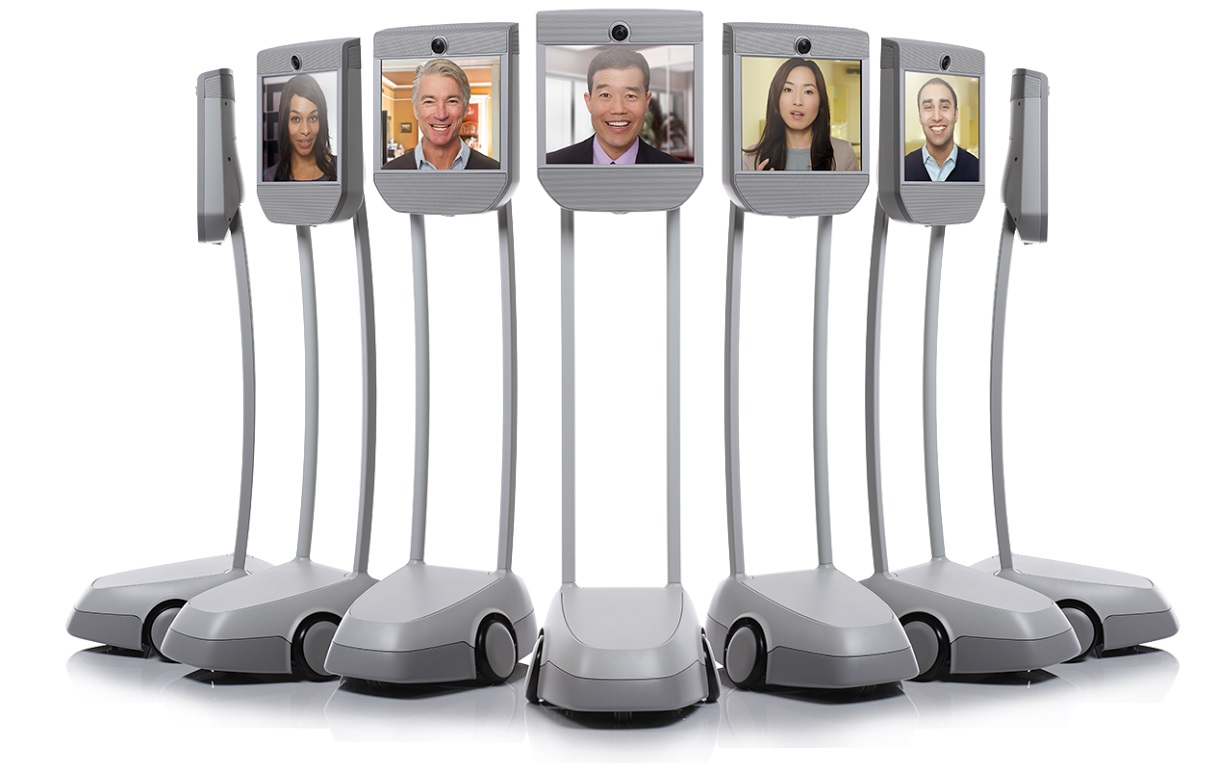



%20(1).png "The Evolution of Virtual Presence: How Technology is Changing how we ...")