Navigating Media Literacy Age: A Guide to Critical Thinking in the Digital Era
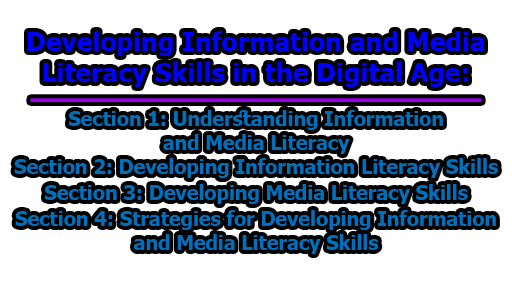
In today's fast-paced digital environment, media literacy has become an essential skill for navigating the vast landscape of information available at our fingertips. As technology advances and the volume of media content proliferates, the ability to critically evaluate and interpret media messages is more important than ever.
What is Media Literacy?
Media literacy is the ability to access, analyze, evaluate, and create media in various forms. It involves understanding the systems in which media messages exist, assessing the influence of those messages on thoughts, feelings, and behaviors, and creating media thoughtfully and conscientiously.
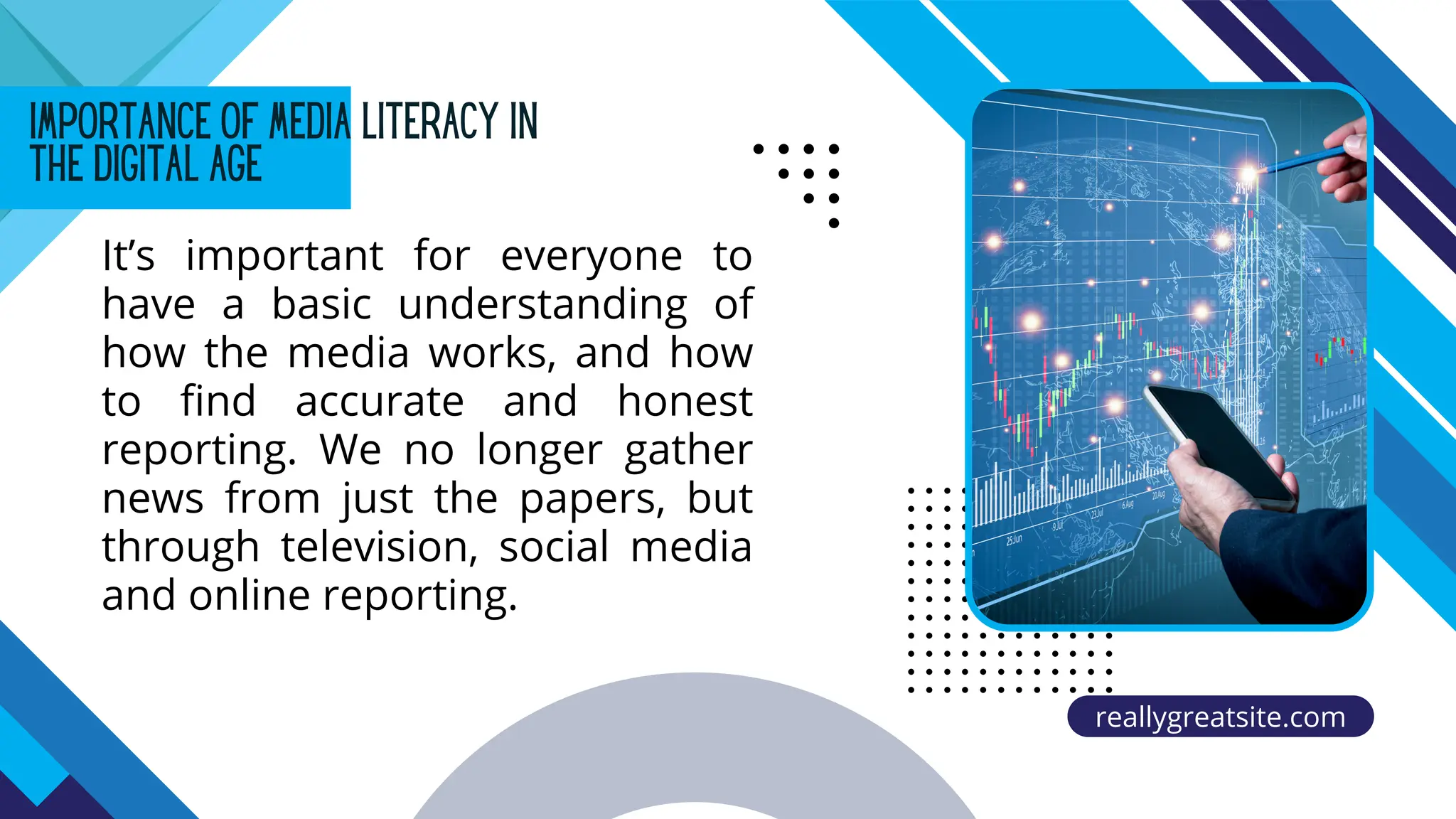
The Importance of Media Literacy in the Digital Age
With the vast amount of information available at our fingertips, understanding the concepts of information literacy and media literacy is essential for navigating the complexities of the modern information landscape. Media literacy enables individuals to critically evaluate online content, recognize bias and manipulation, and engage in thoughtful dialogue.
Benefits of Media Literacy
- Develops critical thinking skills
- Helps individuals recognize bias and manipulation
- Enhances engagement in thoughtful dialogue
- Promotes responsible media consumption
- Empowers individuals to create meaningful content
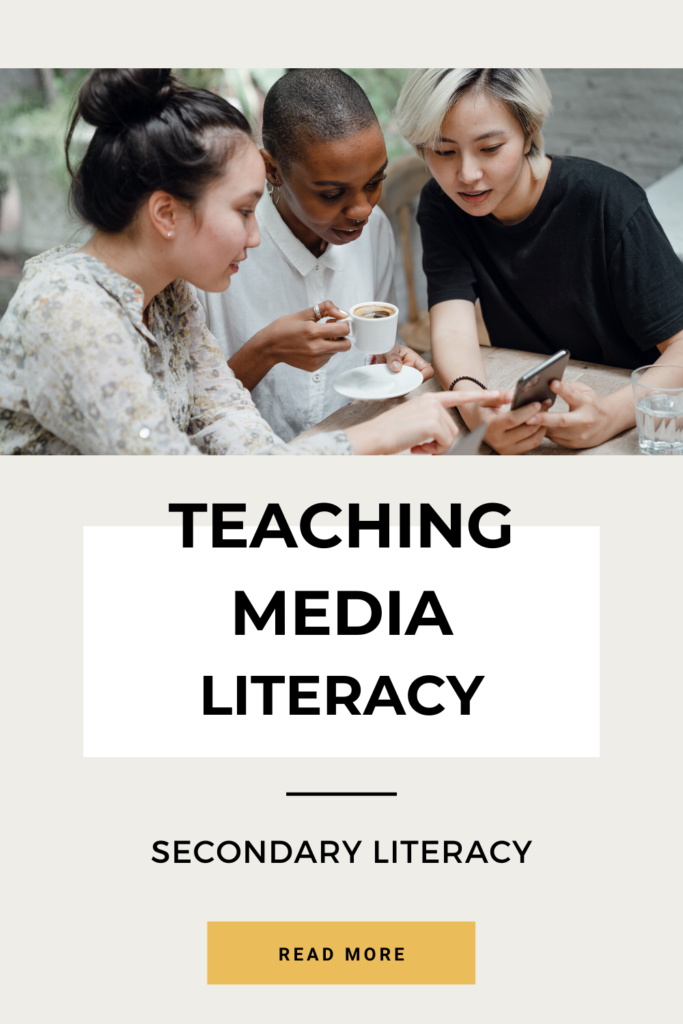
Strategies for Teaching Media Literacy
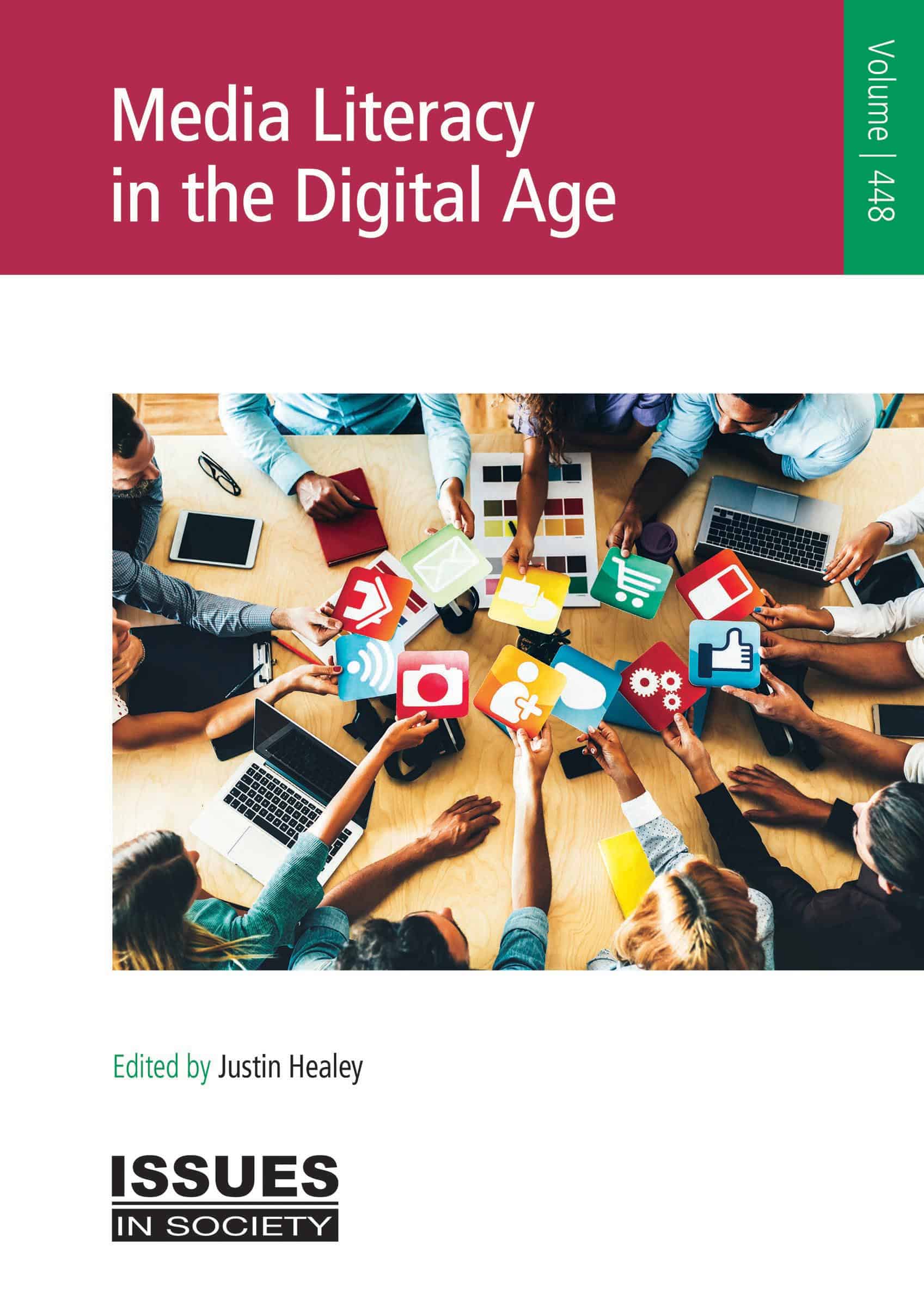
Teaching media literacy to young people is essential for equipping them to navigate today's complex digital landscape with confidence and critical thinking skills. Here are some strategies for teaching media literacy:
- Distinguish between reliable sources and misinformation
- Identify clickbait and manipulated media
- Understand the potential biases inherent in online content
- Develop a skeptical mindset and question information
- Learn to create media thoughtfully and conscientiously
Conclusion
Media literacy is a critical skill for navigating the complexities of the modern information landscape. By understanding the concepts of information literacy and media literacy, individuals can critically evaluate online content, recognize bias and manipulation, and engage in thoughtful dialogue. Developing media literacy skills is essential for civic engagement and democracy in the digital era.
Resources
For more information on media literacy, check out the following resources:
- Common Sense Media: A nonprofit organization providing detailed reviews, age-appropriate ratings, and expert guidance on movies, TV shows, apps, and video games.
- Gale News: A platform providing the latest news, exclusive offers, and more.
- Media Literacy Minute: A series highlighting new studies, events, and legal developments shaping the landscape of media literacy.
By navigating the media literacy age with confidence and critical thinking skills, individuals can effectively navigate the online landscape and make informed decisions.