Overcoming Addiction to Screens: Strategies for a Healthier Digital Lifestyle
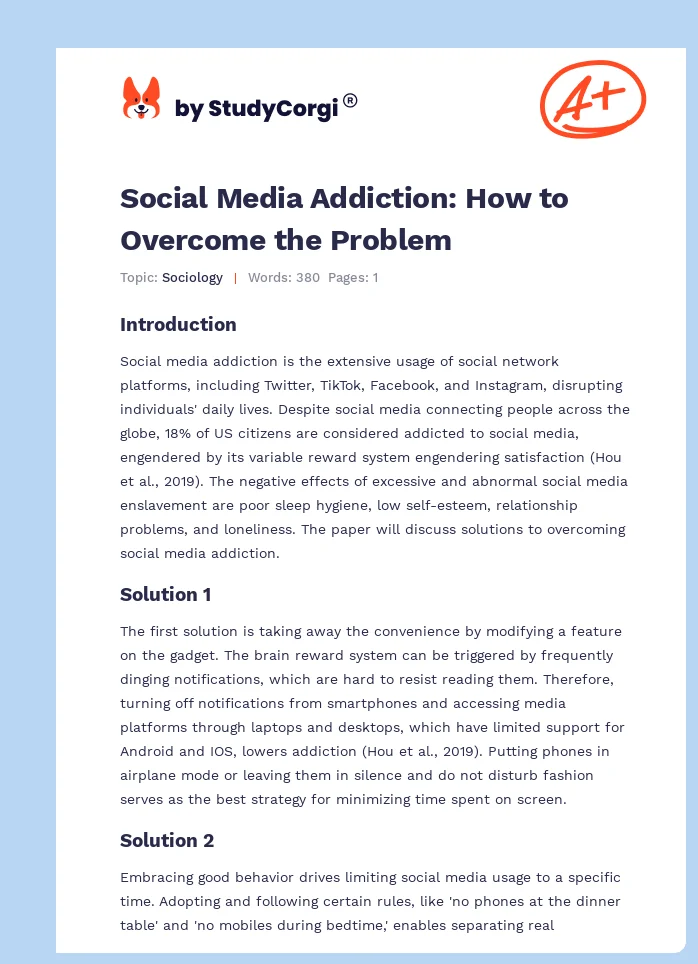
Are you someone who feels like their screen time is getting out of control? Do you find yourself mindlessly scrolling through social media or video streaming for hours on end, only to feel a sense of guilt or regret afterwards? You're not alone. Screen addiction is a real phenomenon that affects millions of people worldwide, and it's not just limited to younger generations.
The Dangers of Screen Addiction
Screen addiction can have serious consequences on our physical and mental health. From eye strain and sleep deprivation to anxiety and depression, the risks are numerous. According to recent studies, excessive screen time can lead to a range of issues, including:
- Physical eye strain and headaches
- Weight gain and increased risk of obesity
- Sleep disturbances and insomnia
- Anxiety, depression, and other mental health concerns
- Reduced attention span and cognitive decline
Why We Get Addicted to Screens
So why do we find it so hard to put down our screens? The answer lies in the way our brains are wired. Screens offer a constant stream of entertainment and social interaction, which activates the release of dopamine, a neurotransmitter associated with pleasure and reward. This can create a cycle of addiction, where we feel compelled to continue using our devices to satisfy our cravings.
Strategies for Overcoming Screen Addiction

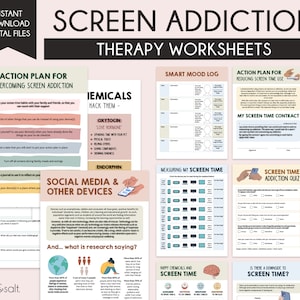
Don't worry – there are ways to break the cycle of screen addiction. Here are some strategies to help you regain control over your screen time and cultivate a healthier digital lifestyle:
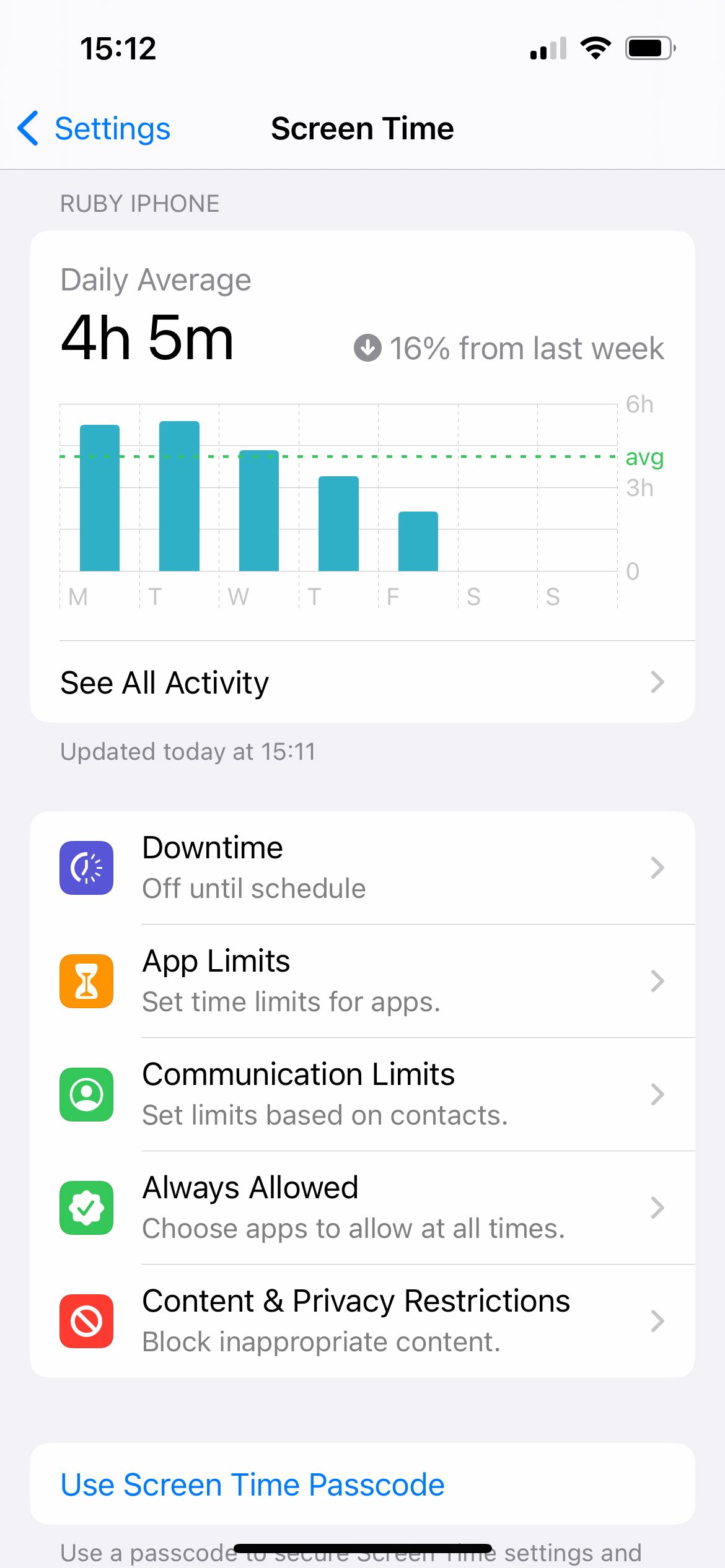
- Set Screen Time Limits: Use built-in apps or tracking software to monitor your screen time and set daily limits.
- Establish Screen-Free Zones: Designate certain areas or times of the day as screen-free, such as during meals or before bed.
- Find Alternative Activities: Engage in hobbies, sports, or other activities that bring you joy and fulfillment.
- Practice Mindfulness: Be more aware of your screen use and make conscious decisions about when to put down your device.
- Seek Support: Share your concerns with friends and family, or consider seeking help from a mental health professional.
Conclusion
Overcoming screen addiction takes time and effort, but it's possible. By setting screen time limits, establishing screen-free zones, finding alternative activities, practicing mindfulness, and seeking support, you can break the cycle of addiction and cultivate a healthier digital lifestyle. Remember, small steps lead to significant changes, so start with what feels manageable and work your way up.
Additional Resources
If you're struggling with screen addiction or want more information on how to overcome it, here are some additional resources to check out:
- Common Sense Media: Tips and resources for parents to help their kids break screen addiction.
- Calm: Strategies for avoiding screens before bed and improving sleep quality.
- Psychology Today: Insights into phone addiction and strategies for overcoming it.



:max_bytes(150000):strip_icc()/overcoming-addiction-4157285.FINAL-f0a8efaed7a24b2a9a1a26dbbbf60435.png "Overcoming Screen Addiction: A Comprehensive Guide")