Unraveling the Mystery of Phantom Mobile Vibration Syndrome
Ever felt your phone vibrate in your pocket, only to check it and find zero notifications? You're not alone. Phantom Mobile Vibration Syndrome, also known as Phantom Ringing Syndrome or Ringxiety, is a common phenomenon where individuals perceive their phone as vibrating or ringing when it's not. In this article, we'll delve into the neuroscience behind Phantom Vibration Syndrome, its causes, and evidence-based strategies to reclaim attention.
What is Phantom Mobile Vibration Syndrome?
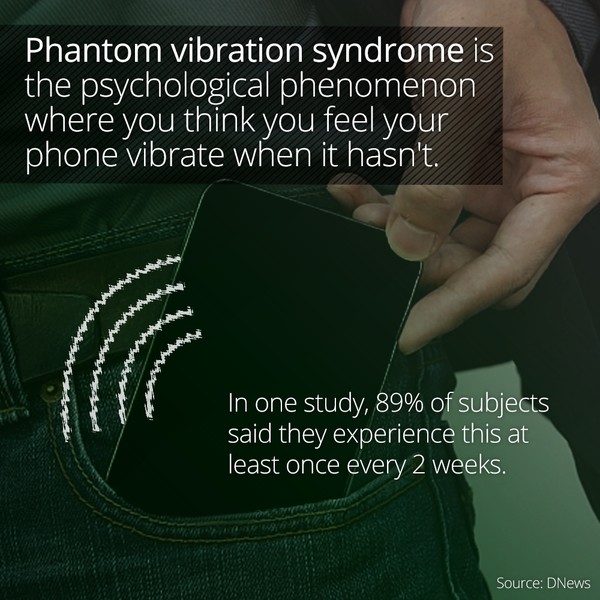
Phantom Mobile Vibration Syndrome refers to the false perception that one's mobile phone or other technological device is vibrating when it is not. This phenomenon has been noted to affect up to 89% of phone users, with research suggesting that it's not a glitch in the phone but rather a glitch in the brain.
The Neuroscience Behind Phantom Vibration Syndrome
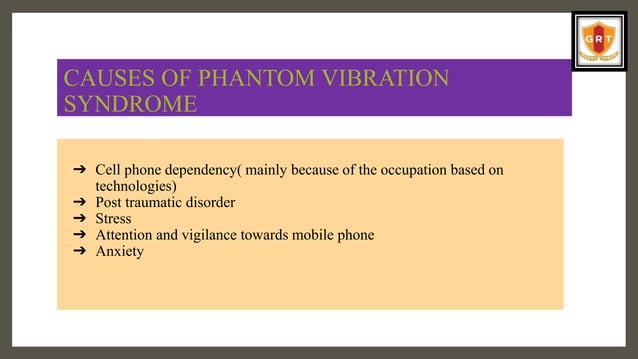
Studies propose that Phantom Vibration Syndrome is linked to the brain's misinterpretation of sensory input. This can be caused by constant phone use, heightened anticipation of notifications, or nerve sensitivity. Our brains are wired to expect notifications, making us prone to misinterpreting harmless physical sensations as our phone vibrating in our pocket.
Causes and Associated Factors
- Constant phone use: As we spend more time glued to our screens, our brains become accustomed to constantly checking for notifications.
- Heightened anticipation of notifications: The increased expectation of receiving messages, calls, or alerts can lead to the misinterpretation of sensory input.
- Nerve sensitivity: Some individuals may be more prone to misinterpreting physical sensations due to nerve sensitivity or other factors.
Prevalence and Research Findings
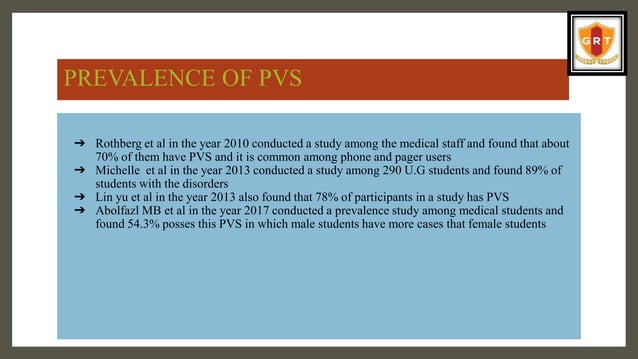
According to research, up to 90% of smartphone users have experienced Phantom Vibration Syndrome at some point. A study conducted on college students found that more than 90% of participants considered Phantom Vibrations to be "only a little" or "not at all" bothersome. However, with the increasing number of individuals reporting mobile phone-related problem behavior, Phantom Vibration Syndrome may become a cause of concern for mental health professionals in the future.
Strategies to Reclaim Attention
While Phantom Vibration Syndrome isn't a cause for concern, it can be a sign that our minds are being rewired for anticipation. Here are 7 evidence-based strategies to help you reclaim attention:
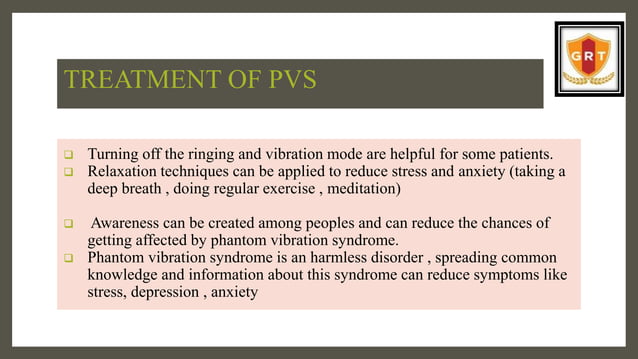
- Set your phone to Do Not Disturb mode during specific times of the day.
- Limit your phone use to designated times, such as during breaks or after work.
- Use apps that help you track and manage your phone use.
- Practice mindfulness techniques, such as meditation or deep breathing exercises, to reduce stress and anxiety.
- Engage in physical activities, such as exercise or sports, to reduce nerve sensitivity.
- Set reminders for specific times to check your phone, rather than constantly checking throughout the day.
- Consider adopting a "no phone zone" policy in certain areas, such as the bedroom or dining table.
Conclusion
Phantom Mobile Vibration Syndrome is a common phenomenon that affects millions of phone users worldwide. By understanding the neuroscience behind this phenomenon and implementing evidence-based strategies, you can reclaim attention and reduce the frequency of Phantom Vibrations. Remember, it's not a glitch in your phone but rather a glitch in your brain – and with the right approach, you can take control of your phone use and regain focus.