Phantom Vibrate Feeling: Understanding the Science Behind the Buzz
Have you ever felt your phone vibrate in your pocket, only to check it and find zero notifications? Or perhaps you've heard your ringtone ringing in your ears, only to discover that there's no one on the other end? If so, you're not alone. Phantom vibrate feeling, also known as phantom vibration syndrome, is a common phenomenon where our brains misinterpret sensory signals, making us feel like our phones are buzzing when they aren't.
What is Phantom Vibration Syndrome?
Phantom vibration syndrome is a psychological phenomenon where individuals feel their phone vibrating or hear it ringing when, in fact, it is not. This sensation has become increasingly common with the widespread use of mobile phones and has sparked interest in the fields of psychology, neuroscience, and technology.
Causes of Phantom Vibration Syndrome
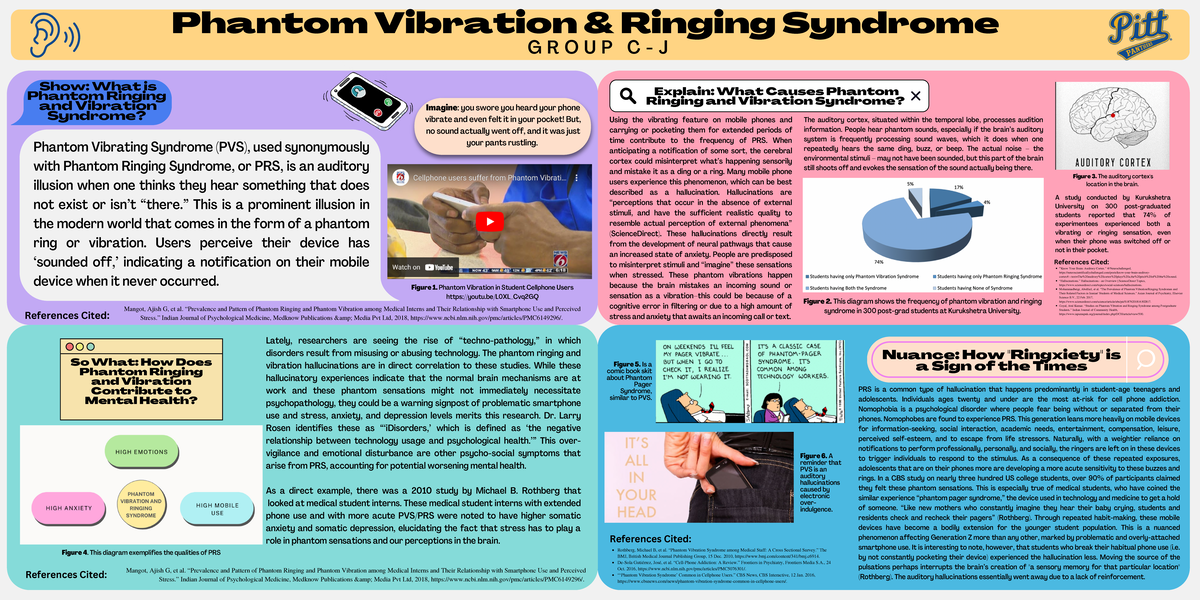
So, what causes phantom vibration syndrome? Research suggests that it's often a result of our brains' tendency to misinterpret sensory signals. When we're in a state of heightened anticipation or anxiety, our brains are more prone to misfire and interpret harmless physical sensations as phone alerts.
- Brain misfiring: Our brains are constantly processing sensory information, and sometimes, they can misinterpret signals, leading to phantom vibrations.
- Stress and anxiety: When we're feeling stressed or anxious, our brains are more likely to misfire and interpret harmless physical sensations as phone alerts.
- Phone habits: People who use their phones more frequently are more likely to experience phantom vibrations. This is because their brains are constantly primed to expect notifications.
- Neurological factors: Some people may experience phantom vibrations due to neurological conditions such as Parkinson's disease, multiple sclerosis, or peripheral neuropathy.
Prevalence of Phantom Vibration Syndrome
So, just how common is phantom vibration syndrome? According to a 2012 study published in Computers in Human Behavior, up to 90% of people experience phantom vibrations at some point in their lives. Another study found that approximately 70% of phone users experience phantom vibrations regularly.
Symptoms and Treatment Options

Phantom vibration syndrome can manifest in different ways, including:
- Feeling vibrations in the pocket: This is the most common symptom, where individuals feel their phone vibrating in their pocket, only to check it and find zero notifications.
- Hearing ring tones: Some people may hear their ringtone ringing in their ears, only to discover that there's no one on the other end.
- Tingling or buzzing sensations: In some cases, phantom vibration syndrome can cause tingling or buzzing sensations in the body.
While phantom vibration syndrome can be frustrating, it's generally not a cause for concern. However, if you're experiencing persistent or severe symptoms, it's always a good idea to speak with a healthcare professional to rule out any underlying neurological conditions.
Simple Fixes to Reduce Stress and Boost Focus
So, what can you do to reduce stress and boost focus and minimize phantom vibrations? Here are a few simple fixes:
- Take regular breaks from your phone: Give your brain a break and take regular breaks from your phone to reduce stress and anxiety.
- Switch off vibration capability: Consider switching off the vibration capability on your phone to reduce the likelihood of phantom vibrations.
- Practice mindfulness: Practice mindfulness techniques such as meditation or deep breathing to reduce stress and anxiety.
- Get enough sleep: Aim for 7-8 hours of sleep per night to help regulate your brain and reduce the likelihood of phantom vibrations.
Conclusion
Phantom vibrate feeling is a common phenomenon that can be frustrating, but it's generally not a cause for concern. By understanding the science behind phantom vibration syndrome and implementing simple fixes to reduce stress and boost focus, you can take control of your tech habits and minimize phantom vibrations.