Understanding the Average Amount of Screen Time: A Comprehensive Guide
The way we consume information, communicate, and entertain ourselves has undergone a significant shift in the last decade, largely driven by the proliferation of smartphones and other digital devices. With the rise of social media, online streaming services, and the constant need for instant updates, it's not surprising that the average amount of screen time has increased dramatically. But just how much time do we spend in front of screens, and is it affecting our mental and physical health?
Global Screen Time Statistics
According to a recent study, the average person spends around 6 hours and 40 minutes per day on internet-connected screens. This figure represents a significant portion of our waking hours, approximately 40%, dedicated to screen-based activities. The study also highlights that global screen time trends vary considerably across regions, with some countries showing dramatically higher usage patterns than others.
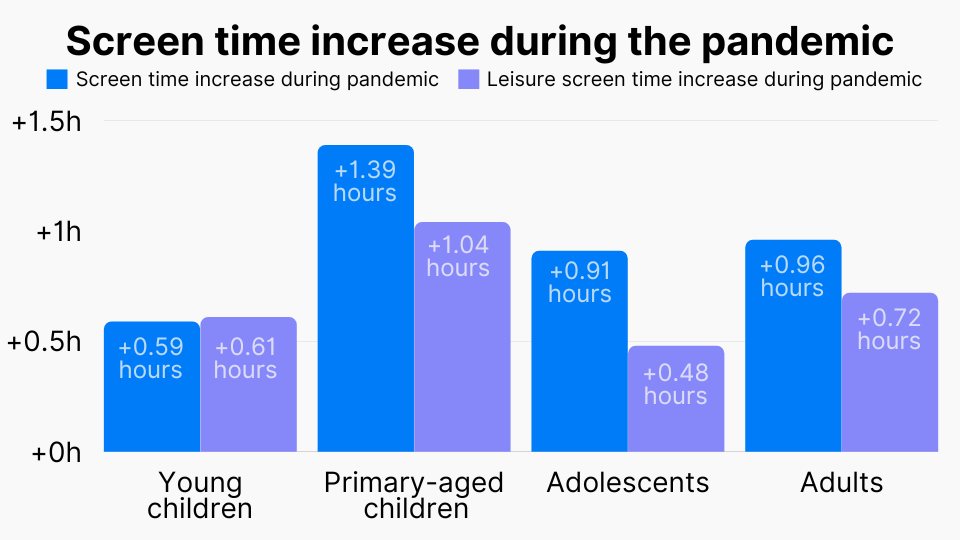
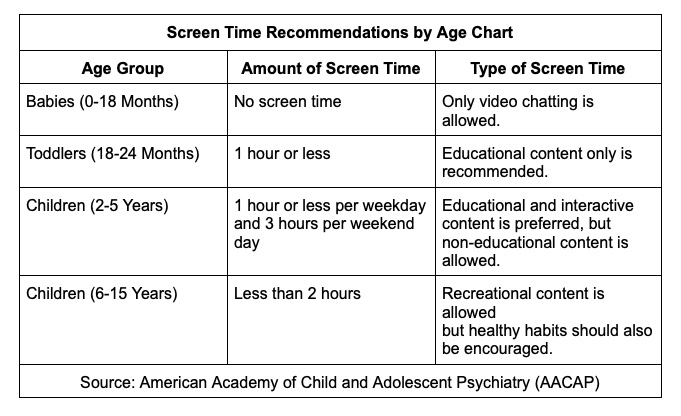
Screen Time by Age Group
- Teenagers aged 13-18 spend around 7.7 hours per day on screens, with 41% reporting daily screen time exceeding 8 hours.
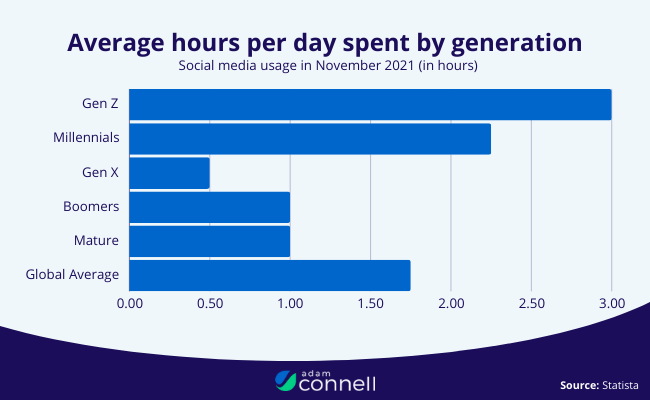
- Gen Z (people born between 1997 and 2012) spend an average of 7 hours per day on screens.
- Adults aged 18-24 spend around 6 hours and 15 minutes per day on screens.
- Adults aged 25-34 spend around 5 hours and 40 minutes per day on screens.
- Adults aged 35-44 spend around 5 hours and 20 minutes per day on screens.
- Adults aged 45-54 spend around 5 hours and 10 minutes per day on screens.
- Adults aged 55 and above spend around 4 hours and 30 minutes per day on screens.
Screen Time by Device
- Smartphones account for the majority of screen time, with users spending an average of 4 hours and 20 minutes per day on their mobile devices.
- Desktop and laptop computers account for around 2 hours and 40 minutes per day of screen time.
- Tablets account for around 1 hour and 20 minutes per day of screen time.
- Television accounts for around 2 hours and 10 minutes per day of screen time.
Consequences of Excessive Screen Time

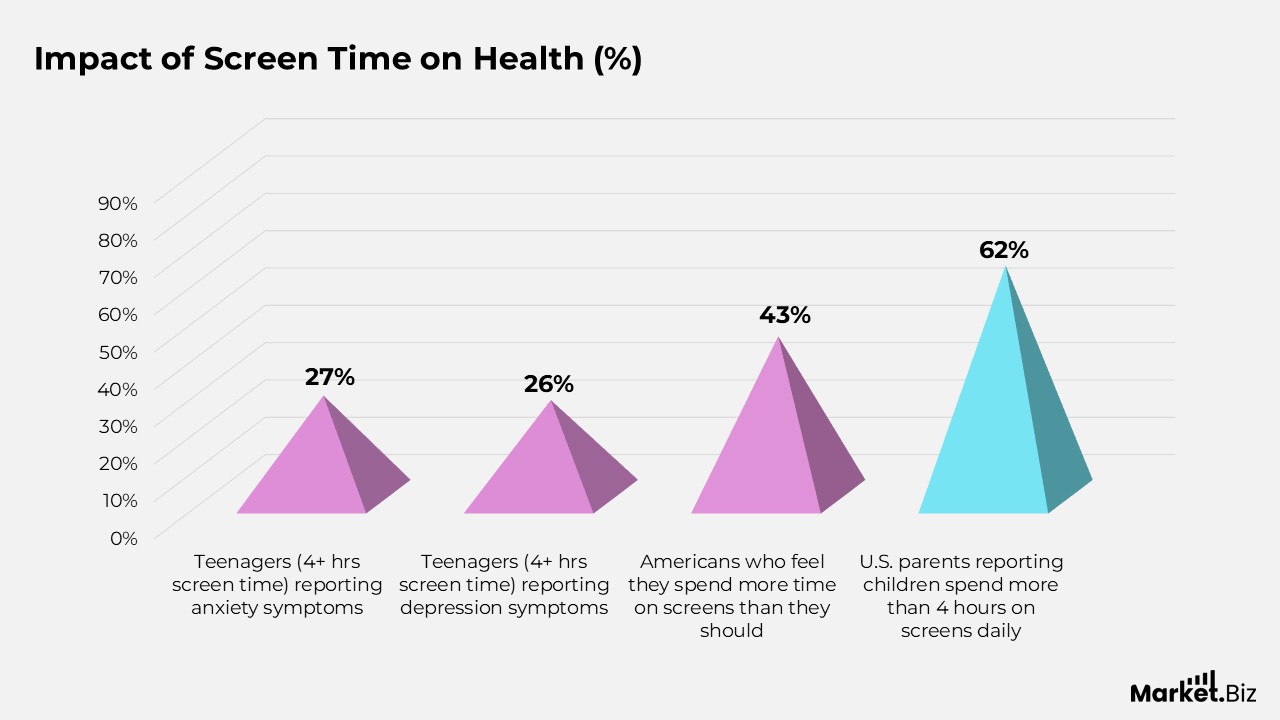
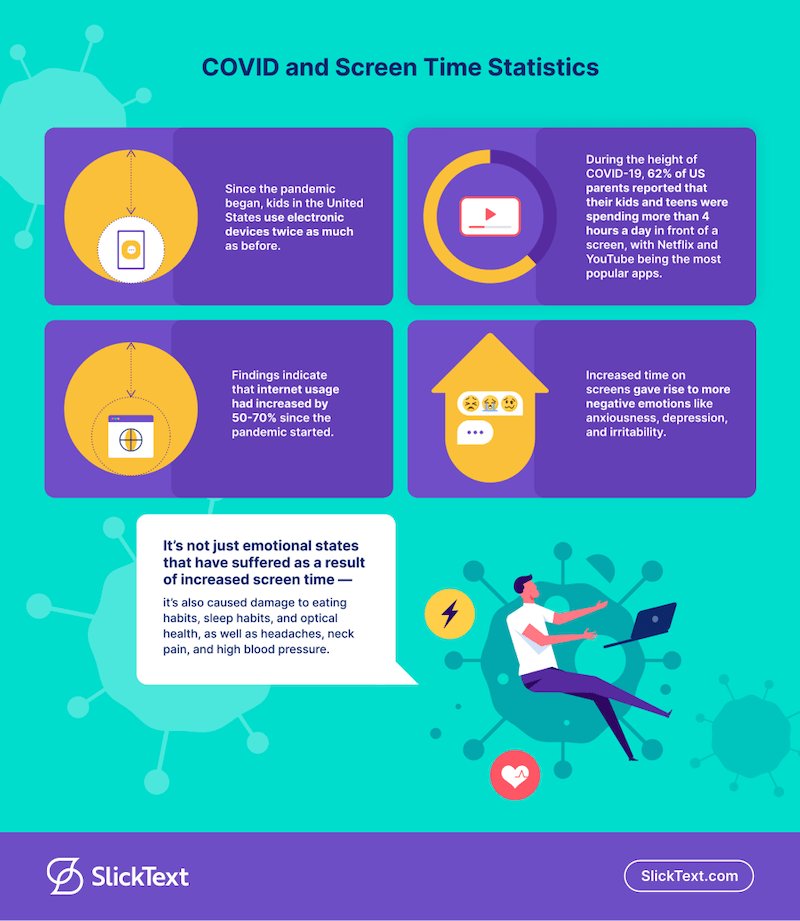
While occasional screen time is unlikely to have negative effects, excessive screen time can lead to a range of health problems, including:
- Eye strain and vision problems
- Headaches and migraines
- Sleep deprivation
- Depression and anxiety
- Physical inactivity
Setting Healthy Screen Time Goals
While it's difficult to determine a specific "ideal" amount of screen time, setting healthy screen time goals can help mitigate the negative effects of excessive screen time. Some tips for setting healthy screen time goals include:
- Establishing screen-free zones and times, such as the bedroom or during meals
- Setting limits on the amount of screen time per day
- Prioritizing physical activity and outdoor play
- Engaging in screen-free activities, such as reading or hobbies
Conclusion
The average amount of screen time varies across different age groups, devices, and regions. While occasional screen time is unlikely to have negative effects, excessive screen time can lead to a range of health problems. By setting healthy screen time goals and prioritizing physical activity and screen-free time, we can mitigate the negative effects of screen time and maintain a healthy balance in our lives.
![Average Screen Time Statistics 2026 [By Age & Country]](https://api.backlinko.com/app/uploads/2024/03/screen-time-teenagers-1600x1216.png "Average Screen Time Statistics 2026 [By Age & Country]")